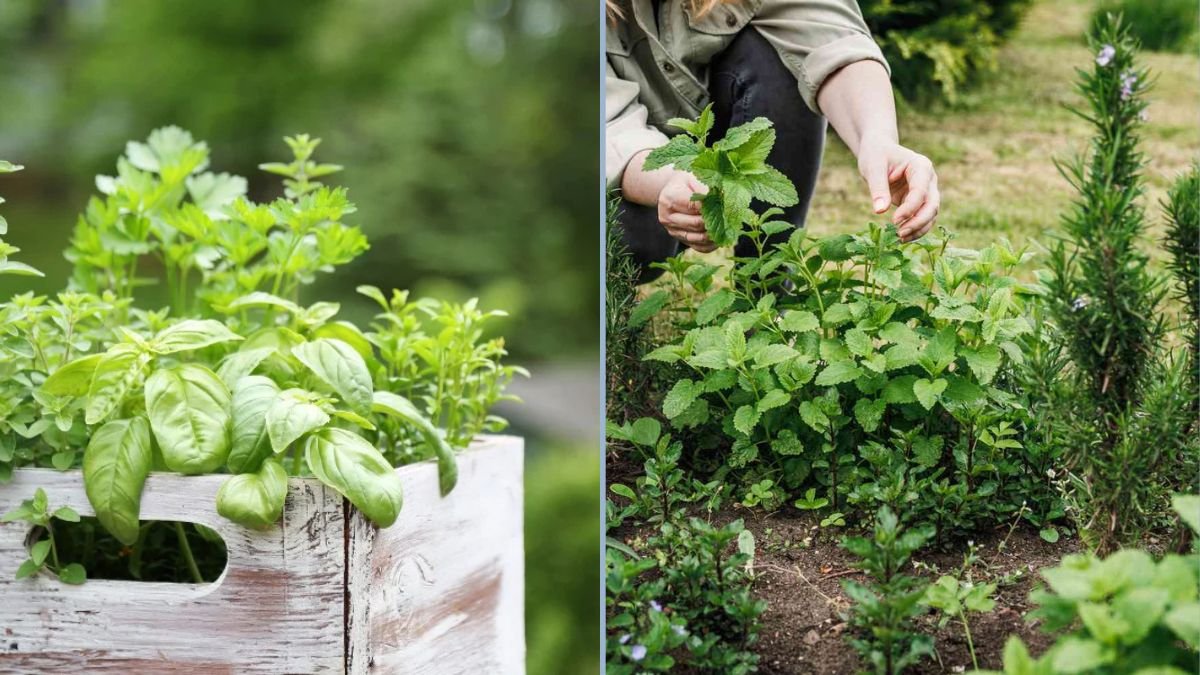
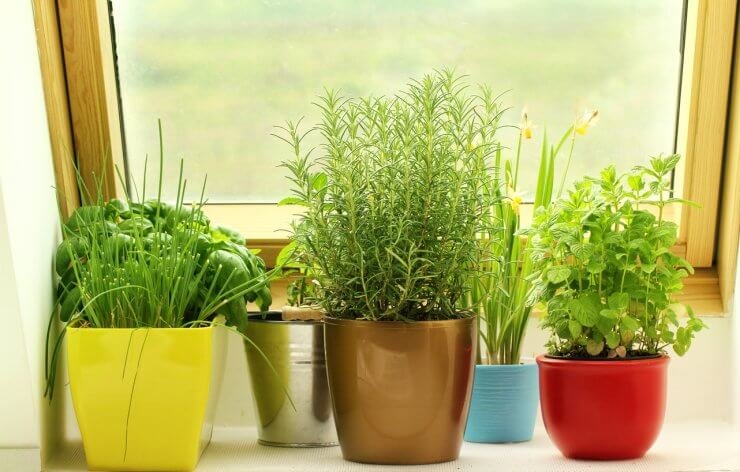
Indoor herb gardens have grown increasingly popular among urban gardeners, culinary enthusiasts, and those seeking fresh, aromatic additions to their meals. Herbs like basil, mint, thyme, rosemary, and parsley not only enhance flavor but also provide health benefits and improve air quality indoors. However, despite the controlled environment, indoor herb gardens are not immune to pests. Small, persistent insects such as aphids, whiteflies, spider mites, and fungus gnats can quickly damage plants, reducing their vitality and yield. Managing these pests naturally, without chemical interventions, ensures that indoor herb gardens remain healthy, productive, and safe.
This article provides an in-depth exploration of common pests in indoor herb gardens, signs of infestation, and effective, plant-based strategies for prevention and control.
Common Pests in Indoor Herb Gardens
Indoor herb gardens are susceptible to several types of pests:
- Aphids: Tiny, soft-bodied insects that cluster on new shoots, leaves, and stems, extracting plant sap and causing leaf curling and yellowing.
- Whiteflies: Small, winged insects that feed on the undersides of leaves, leaving a sticky residue called honeydew, which encourages fungal growth.
- Spider Mites: Microscopic arachnids that create fine webs on leaves, leading to yellow speckling, leaf drop, and reduced photosynthesis.
- Fungus Gnats: Small, black flies whose larvae feed on roots and organic matter in the soil, weakening seedlings and mature plants.
- Mealybugs: White, cotton-like insects that feed on sap, causing stunted growth and attracting mold.
- Thrips: Tiny, slender insects that feed on leaves and flowers, causing silvery streaks, discoloration, and deformities.
Identifying the type of pest is the first step toward effective management, as each pest requires slightly different strategies.
Signs of Pest Infestation
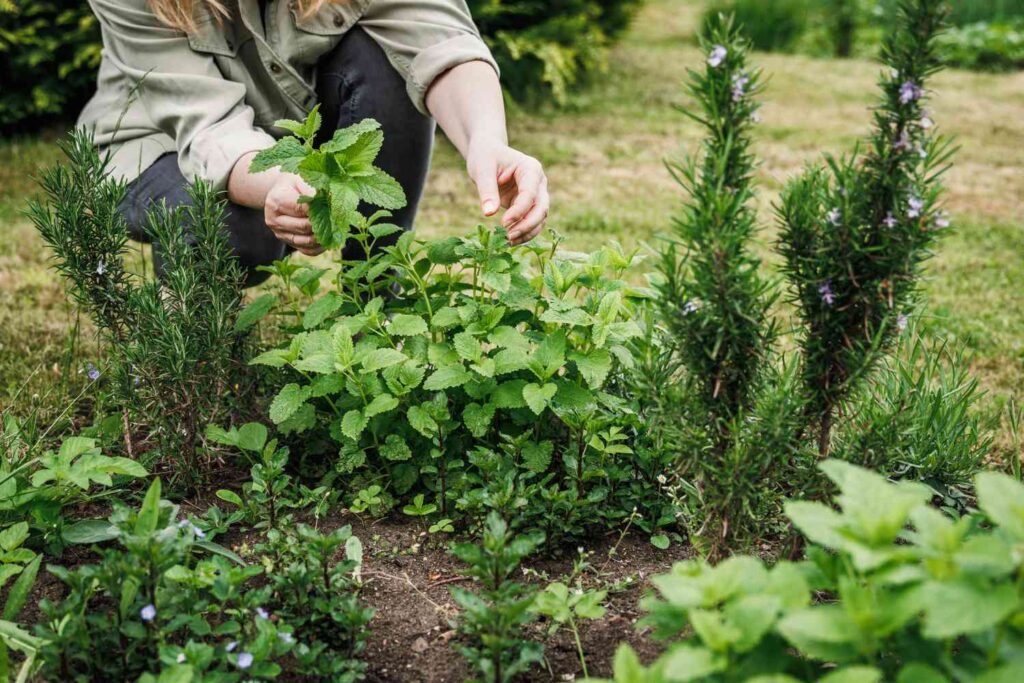
Early detection is crucial for preventing severe damage to indoor herbs. Common indicators include:
- Discolored or Distorted Leaves: Yellowing, curling, or browning leaves can indicate aphid or spider mite activity.
- Sticky Residue on Leaves: A sign of honeydew produced by aphids or whiteflies.
- Webbing on Leaves: Spider mites create fine silken webs across foliage.
- Wilting or Stunted Growth: Fungus gnats and root-feeding larvae reduce nutrient uptake.
- Visible Insects or Eggs: Small clusters on leaves, stems, or soil surface are direct evidence of infestation.
Monitoring plants daily, especially the undersides of leaves and soil surface, allows for timely intervention.
Environmental Factors That Encourage Indoor Pests
Several factors make indoor herb gardens more susceptible to pest problems:
- High Humidity: Moist environments promote fungal growth and attract pests like fungus gnats.
- Overwatering: Waterlogged soil encourages root rot and pest infestations.
- Poor Air Circulation: Stagnant air fosters pest development and fungal infections.
- Overcrowding: Dense planting increases humidity around leaves and reduces airflow, creating ideal conditions for pests.
- Lack of Natural Predators: Indoor environments often lack beneficial insects that naturally control pests.
Understanding these factors is key to designing preventive strategies.
Natural Strategies to Keep Indoor Herb Gardens Pest-Free
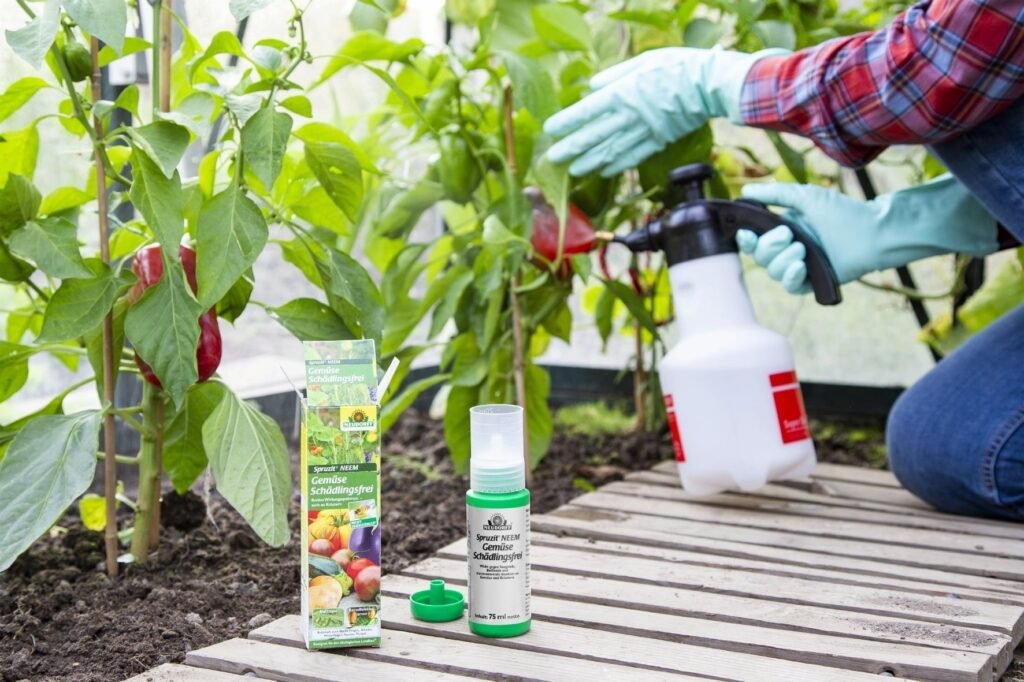
Maintaining a pest-free indoor herb garden requires a combination of preventive measures, cultural practices, and natural remedies.
1. Proper Watering and Soil Management
- Avoid Overwatering: Ensure soil is moist but well-draining to prevent fungal and root pest infestations.
- Use Sterile Potting Mix: Pathogen-free soil reduces the introduction of pests and fungal spores.
- Top-Dressing: Adding a thin layer of sand or fine gravel on soil surfaces deters fungus gnats.
Healthy roots and proper soil conditions create strong plants that are less susceptible to pest attacks.
2. Sanitation and Hygiene
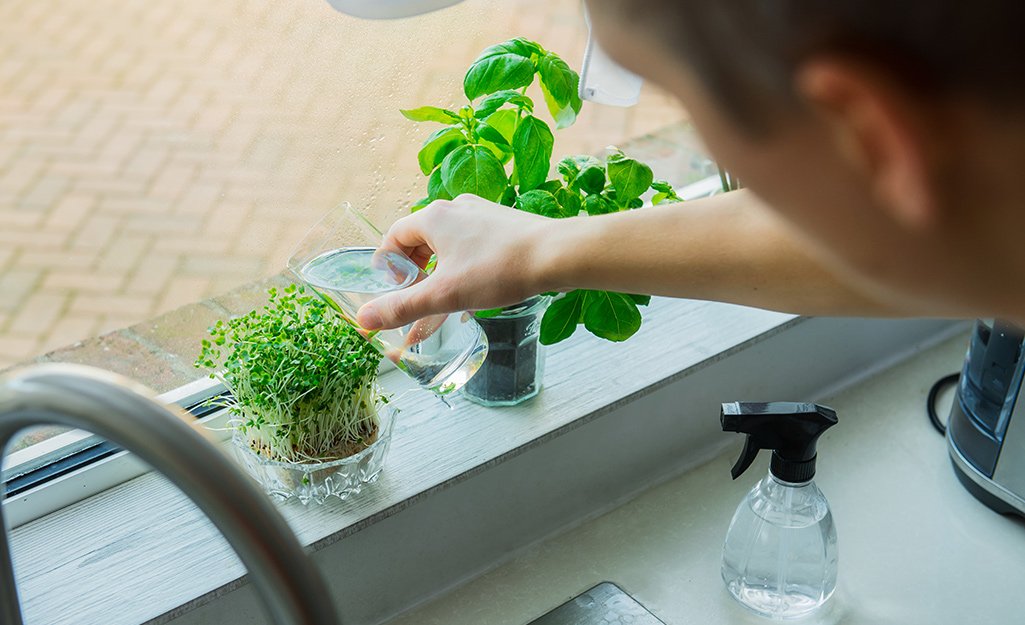
- Remove Dead Leaves and Debris: Fallen leaves and decaying matter can harbor pests.
- Clean Pots and Tools: Regularly sterilize containers and pruning tools to prevent cross-contamination.
- Isolate New Plants: Quarantine newly purchased plants for a few weeks to ensure they are pest-free before introducing them to the garden.
3. Companion Planting and Repellent Herbs
Certain herbs and companion plants can naturally repel pests:
- Basil: Repels aphids, whiteflies, and spider mites.
- Mint: Strong aroma deters fungus gnats and aphids.
- Marigolds (if grown indoors in containers): Can repel nematodes and some flying insects.
- Garlic and Chives: Planting near susceptible herbs discourages insect activity.
Companion planting improves biodiversity and strengthens the garden’s natural defense system.
4. Natural Sprays and Remedies
- Neem Oil: Derived from the neem tree, it acts as an antifungal and insect repellent. Mix 2–3 teaspoons with 1 liter of water and a few drops of mild soap. Spray leaves, including the undersides, weekly.
- Soap and Water Spray: Mild liquid soap mixed with water eliminates soft-bodied insects like aphids and mealybugs.
- Garlic or Chili Spray: Infusions made from garlic cloves or chili peppers repel insects. Strain and spray lightly on leaves.
- Alcohol Wipes: For localized mealybug infestations, use a cotton swab dipped in rubbing alcohol to remove pests from stems and leaves.
These natural sprays are safe for edible herbs and the indoor environment.
5. Physical Barriers
- Fine Mesh Covers: Can protect seedlings from flying pests.
- Sticky Traps: Yellow sticky cards catch flying pests such as whiteflies and fungus gnats.
- Row Covers or Netting: Light, breathable materials prevent insect access while allowing air and light circulation.
Physical barriers provide effective, chemical-free protection, especially for small indoor setups.
6. Encouraging Beneficial Insects Indoors
Although limited indoors, some natural predators can be introduced safely:
- Predatory Mites: Control spider mites without harming herbs.
- Ladybugs: Can be introduced in larger indoor gardens to control aphids.
- Parasitic Wasps: Target whiteflies and thrips in contained indoor setups.
Providing a safe habitat and minimal disruption enhances their effectiveness.
7. Environmental Adjustments
- Increase Air Circulation: Use small fans or open windows to reduce humidity and prevent stagnant air.
- Adequate Lighting: Healthy plants grown in sufficient light are more resistant to pests.
- Avoid Overcrowding: Space pots to improve airflow around each herb.
Optimizing environmental conditions creates unfavorable conditions for pest establishment.
Integrated Approach for a Pest-Free Herb Garden
The most effective strategy combines multiple natural methods:
- Maintain proper watering and sterile soil.
- Apply preventive neem or homemade sprays.
- Use physical barriers and sticky traps as needed.
- Practice good sanitation and hygiene.
- Introduce repellent companion plants or beneficial insects where feasible.
- Optimize environmental conditions, including light, humidity, and airflow.
This integrated approach ensures indoor herbs thrive without relying on chemical interventions.
Benefits of Natural Pest Management Indoors
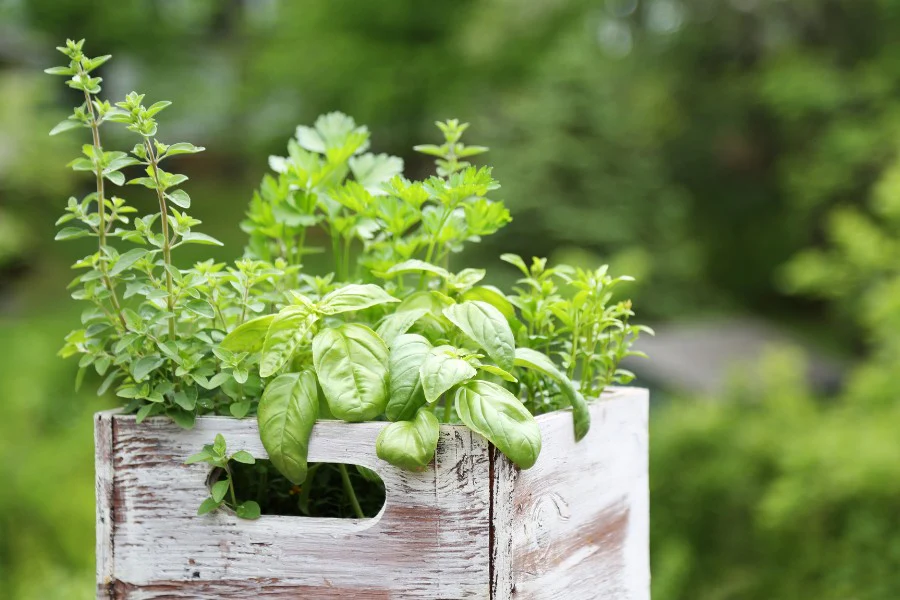
- Safe for Consumption: Herbs remain free from harmful chemical residues.
- Environmentally Friendly: Reduces indoor pollution and protects beneficial microorganisms.
- Cost-Effective: Utilizes household ingredients and low-cost preventive measures.
- Sustainable: Promotes long-term plant health and resilience.
- Improved Yield and Aroma: Healthy, pest-free herbs have better flavor, fragrance, and nutritional quality.
Conclusion
Indoor herb gardens can provide fresh, flavorful, and nutritious herbs year-round, but pests pose a constant threat. Preventing and managing these pests naturally ensures the safety, productivity, and sustainability of indoor gardens. By combining proper soil management, sanitation, companion planting, natural sprays, physical barriers, and environmental optimization, gardeners can maintain vibrant, pest-free herb gardens without the need for chemical pesticides.
An integrated, plant-based approach not only protects indoor herbs from pests but also encourages ecological balance, supports plant health, and enhances indoor gardening experiences. Maintaining vigilance, adopting preventive strategies, and fostering a healthy indoor environment are essential for cultivating thriving, aromatic, and resilient herb gardens.