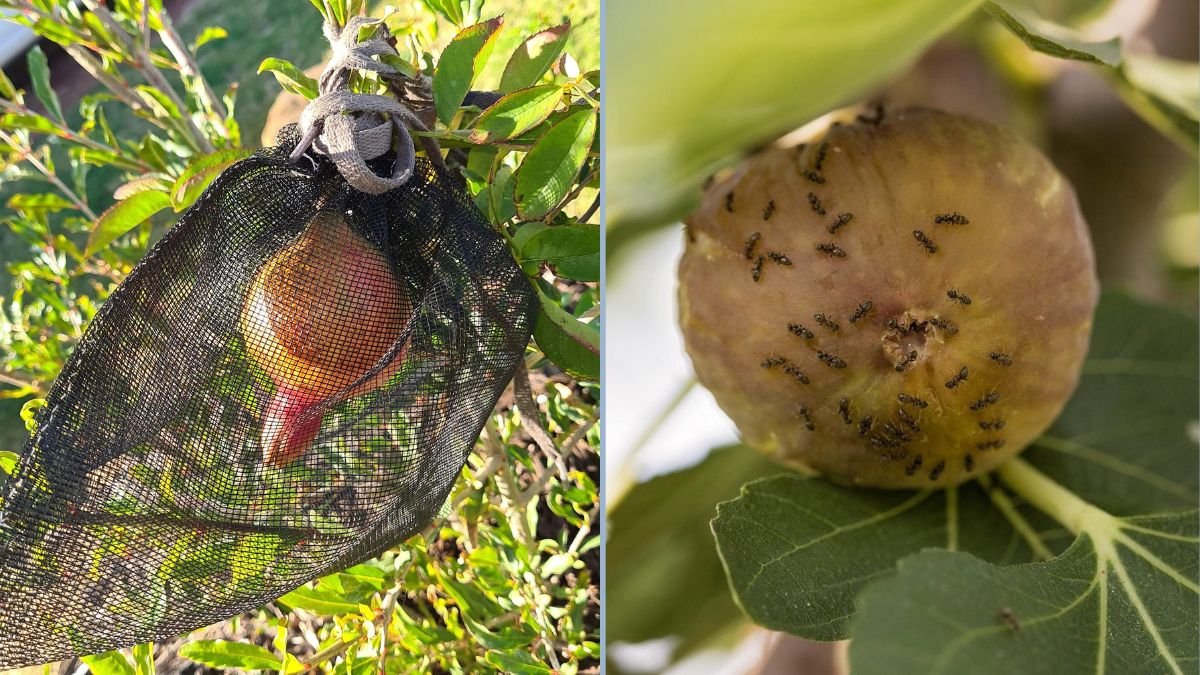
Fruit crops are a vital component of agriculture and home gardening, providing essential nutrients and contributing to food security. However, insects pose a significant challenge to fruit production, as they can damage leaves, flowers, and fruits, reducing yield and quality. While chemical pesticides are commonly used to control pests, they often have adverse effects on human health, beneficial insects, and the environment. Natural, plant-based methods provide safe, sustainable alternatives for protecting fruits from insect damage. This article explores the types of insect pests affecting fruits, signs of infestation, and effective natural strategies for protection.
Common Insect Pests in Fruit Crops
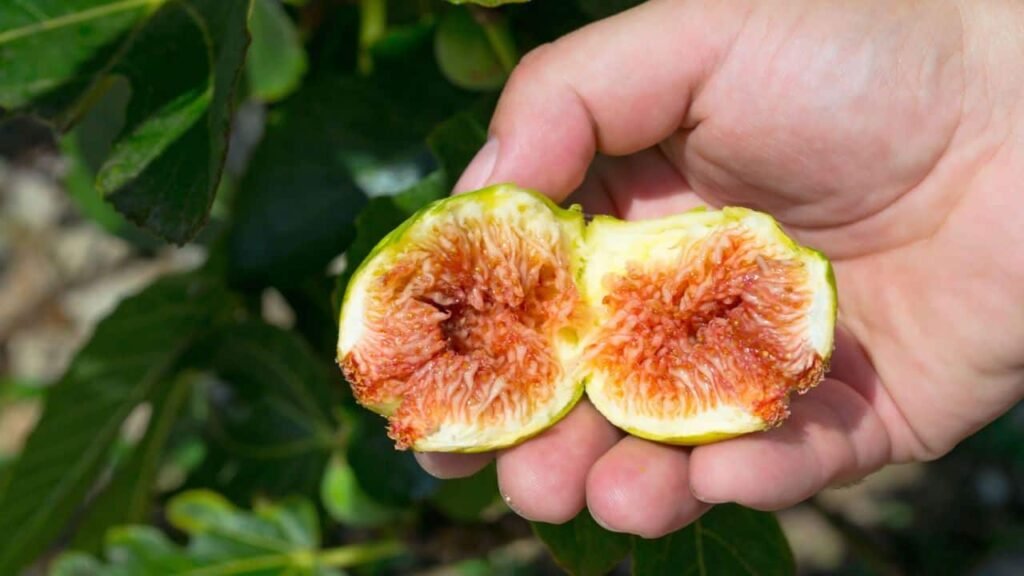
Understanding the types of pests that attack fruit crops is the first step in prevention and control. Common insect pests include:
- Aphids: Small, sap-sucking insects that cluster on tender shoots and young leaves. They can stunt growth and transmit viral diseases.
- Fruit Flies: Lay eggs in ripening fruits, leading to maggot infestation and fruit rot.
- Caterpillars: Larvae of butterflies and moths that chew leaves and fruits.
- Scale Insects: Hard or soft-bodied pests that suck plant sap, weakening the tree and producing honeydew that encourages fungal growth.
- Whiteflies: Tiny, winged insects that feed on leaves, causing yellowing and reduced photosynthesis.
- Thrips: Small, slender insects that damage flowers and fruit surfaces, leaving scars and deformities.
Identifying the specific pest is critical for applying appropriate preventive measures.
Signs of Insect Damage
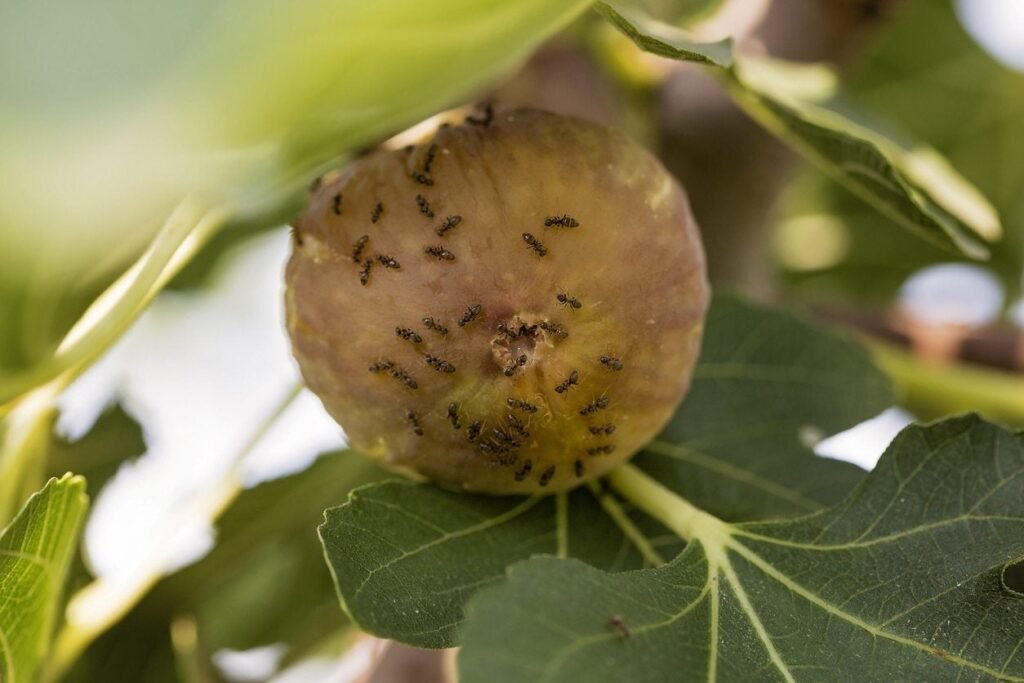
Early detection is essential for protecting fruit crops. Common signs include:
- Holes or Chewed Leaves: Indicative of caterpillars or beetles.
- Distorted or Curling Leaves: Often caused by aphid feeding.
- Sticky Residue (Honeydew): Produced by aphids, whiteflies, or scale insects.
- Discolored or Deformed Fruits: Caused by thrips, fruit flies, or leaf-mining insects.
- Visible Insects or Eggs: Monitoring leaves and fruit surfaces can reveal the presence of pests.
Recognizing these symptoms allows gardeners and farmers to take timely action, preventing further damage.
Environmental and Cultural Factors That Encourage Insect Infestation
Certain conditions can make fruit crops more vulnerable to insect pests:
- Overcrowding: Dense planting limits airflow and creates a humid environment that favors pest proliferation.
- Excess Nitrogen Fertilization: Leads to tender, succulent growth that attracts insects.
- Poor Sanitation: Fallen fruits, leaf litter, and pruning debris provide breeding grounds for pests.
- Lack of Biodiversity: Monocultures or absence of beneficial insects increase susceptibility.
Adjusting these factors is a key part of natural pest management.
Natural Strategies to Protect Fruits from Insects
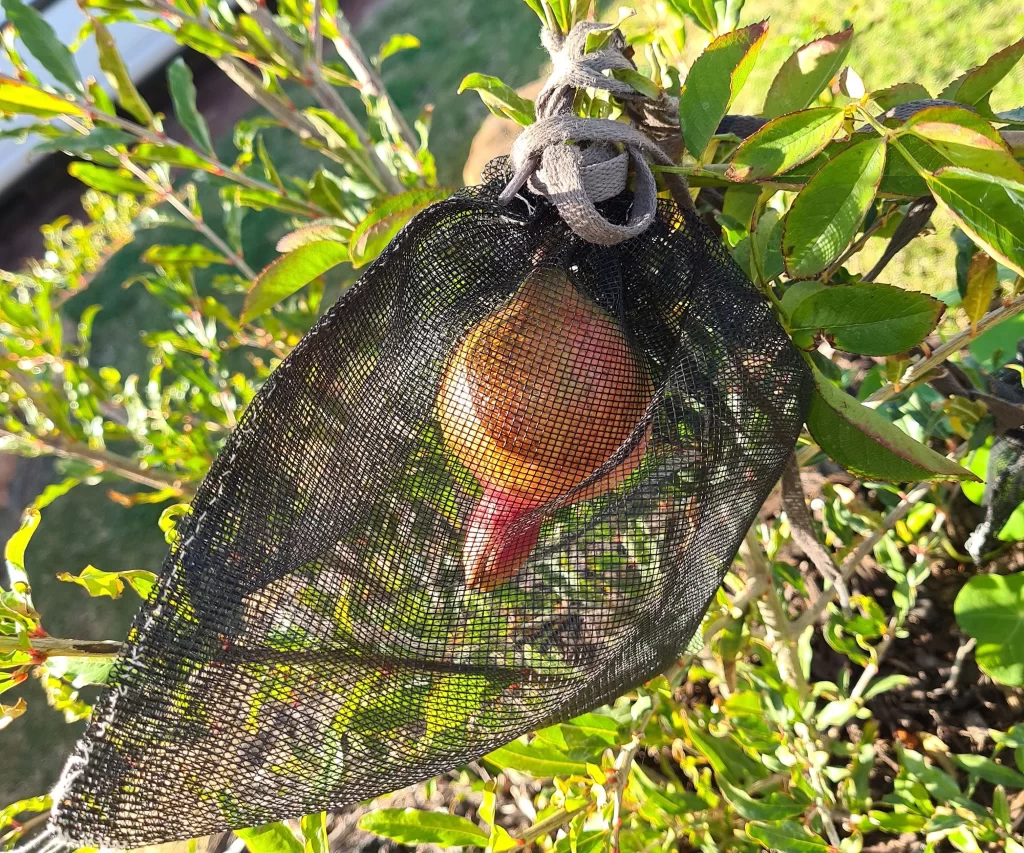
Numerous environmentally friendly strategies can reduce insect damage while supporting sustainable fruit production.
1. Companion Planting
Certain plants naturally repel pests and can be interplanted with fruit crops to reduce infestation:
- Marigolds: Emit a strong scent that repels aphids, whiteflies, and nematodes.
- Basil and Mint: Their aromatic oils deter fruit flies and other insects.
- Garlic and Onions: Intercropping with fruit trees can mask scents, confusing pests.
- Nasturtiums: Serve as trap crops for aphids and caterpillars, protecting more valuable fruits.
Companion planting enhances biodiversity and attracts beneficial insects that act as natural predators.
2. Neem-Based Solutions
Neem oil, derived from the neem tree (Azadirachta indica), is a versatile natural pesticide:
- Disrupts feeding, molting, and reproduction of insects.
- Effective against aphids, whiteflies, caterpillars, and scale insects.
- Can be applied as a foliar spray or soil drench.
Application:
- Mix 2–3 tablespoons of neem oil with 1 gallon of water and a few drops of mild soap.
- Spray thoroughly on leaves, stems, and fruits, ensuring coverage of undersides.
- Reapply every 7–10 days, or after rainfall.
Neem is safe for humans, beneficial insects, and the environment.
3. Homemade Plant-Based Sprays
Several simple sprays made from kitchen or garden ingredients can repel pests:
- Garlic-Chili Spray: Blend garlic cloves and chili peppers with water, strain, and spray on plants.
- Soap and Water Spray: Mild liquid soap in water removes soft-bodied insects like aphids and whiteflies.
- Herbal Extracts: Infusions of neem leaves, tobacco, or hot peppers deter insect feeding.
These sprays are cost-effective, biodegradable, and safe for edible fruits.
4. Physical Barriers
Physical methods can prevent insects from reaching fruits:
- Netting or Mesh Covers: Protect ripening fruits from fruit flies and caterpillars.
- Sticky Traps: Yellow sticky cards attract and trap flying pests like whiteflies and thrips.
- Collars or Rings: Placing collars around the base of fruit trees can deter crawling insects.
Physical barriers are particularly effective in small gardens or container-grown fruit crops.
5. Biological Control
Encouraging natural predators is an effective, eco-friendly strategy:
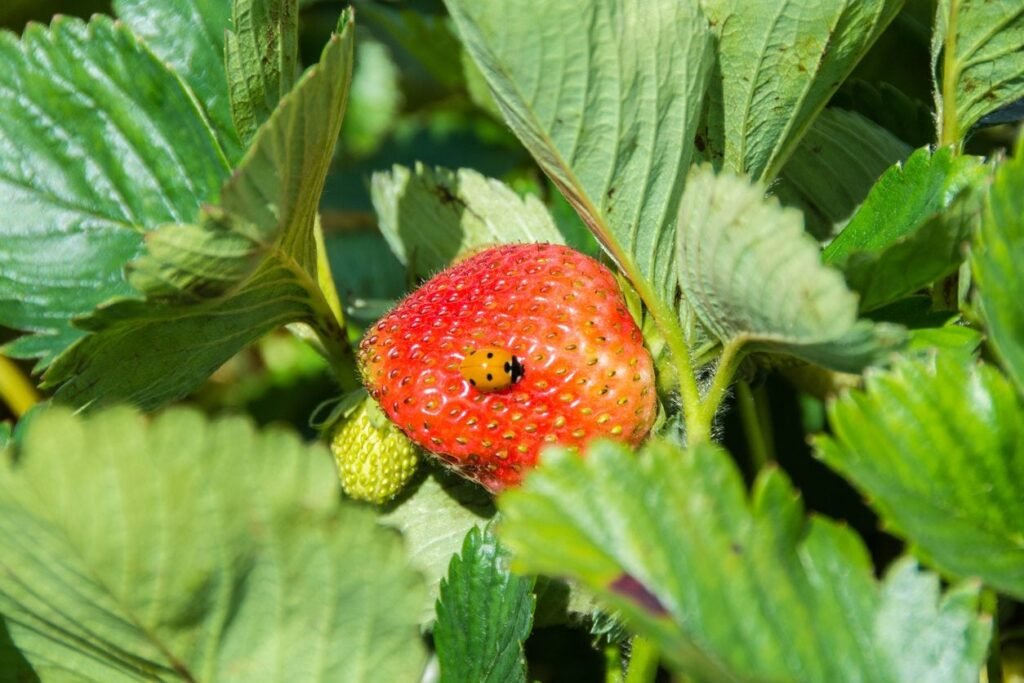
- Ladybugs and Lacewings: Feed on aphids and other soft-bodied insects.
- Parasitic Wasps: Lay eggs inside caterpillars or scale insects, reducing their population.
- Birds: Certain birds consume caterpillars, beetles, and fruit fly larvae.
Providing habitats such as birdhouses, insect hotels, and flowering plants attracts these beneficial organisms.
6. Sanitation and Garden Hygiene
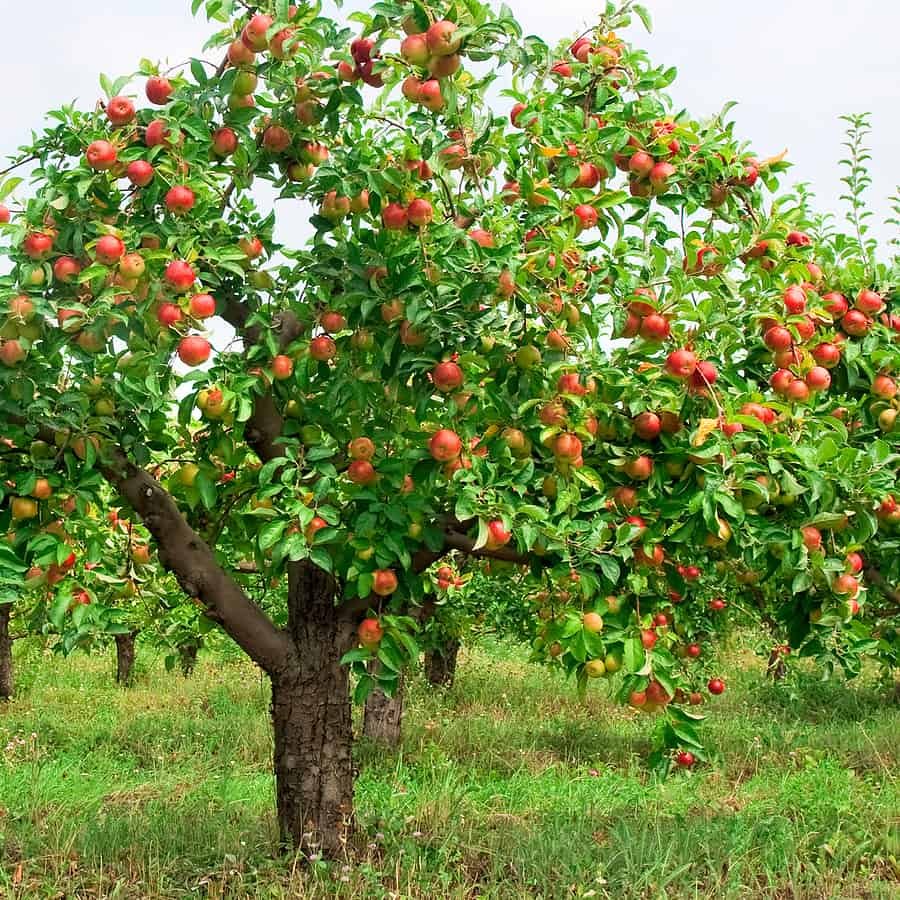
Maintaining a clean garden reduces pest breeding sites:
- Remove fallen fruits, leaves, and debris regularly.
- Prune overcrowded branches to improve air circulation.
- Dispose of infected fruits to prevent spread of pests or disease.
7. Crop Rotation and Diversity
Rotating crops and intercropping fruit plants with vegetables or herbs reduces pest buildup:
- Prevents insects from finding the same host plants year after year.
- Supports soil health and nutrient balance.
- Encourages a diverse ecosystem that naturally regulates pest populations.
8. Mulching
Organic mulches, such as straw or compost, prevent soil-borne insects from reaching fruits and help retain soil moisture:
- Acts as a physical barrier against crawling pests like ants and beetles.
- Supports beneficial soil organisms that suppress pest populations.
- Reduces weed competition, improving overall plant vigor.
Integrated Approach for Sustainable Pest Management
The most effective protection involves combining multiple natural strategies:
- Begin with companion planting and resistant varieties.
- Apply neem or homemade sprays as preventive measures.
- Use physical barriers to protect fruits during ripening.
- Encourage beneficial insects and birds.
- Maintain proper sanitation and garden hygiene.
This integrated approach minimizes reliance on chemical pesticides while ensuring healthy, productive fruit crops.
Benefits of Natural Pest Protection
- Safe for Humans and Pets: Avoids exposure to toxic chemicals.
- Environmentally Friendly: Preserves soil and water quality and supports biodiversity.
- Cost-Effective: Utilizes readily available ingredients and plants.
- Sustainable: Encourages long-term garden health and resilience.
- High-Quality Produce: Protects fruits from chemical residues while maintaining taste and nutritional value.
Conclusion
Protecting fruits from insect pests is essential for sustainable and productive gardening. Natural methods, including companion planting, neem and homemade sprays, physical barriers, biological control, and sanitation, provide effective, eco-friendly solutions. Early detection of pest activity, combined with integrated preventive measures, ensures healthy fruit development and reduces crop losses.
By adopting these natural strategies, gardeners and farmers can cultivate fruits safely, promote ecological balance, and reduce dependence on chemical pesticides. Sustainable fruit protection not only enhances yield and quality but also supports environmental stewardship and long-term agricultural productivity.