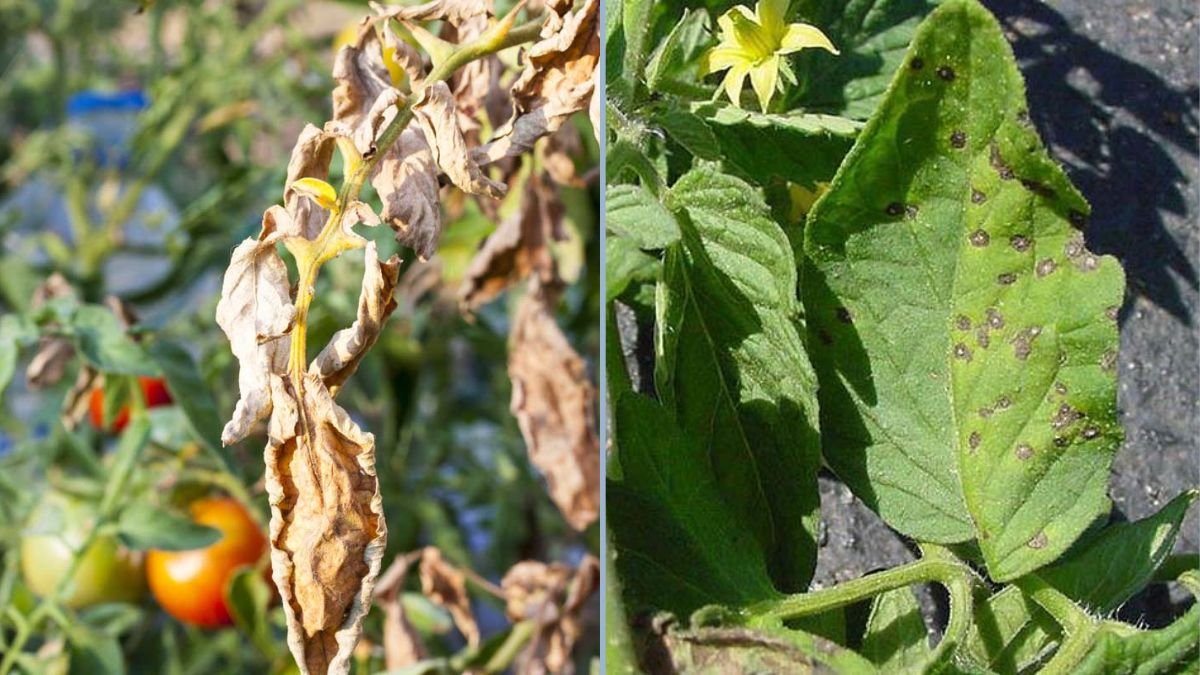
Tomatoes (Solanum lycopersicum) are among the most popular vegetables grown in containers, particularly in urban gardens, balconies, and small backyards. However, container-grown tomatoes are highly susceptible to diseases, with leaf spot being one of the most common and destructive. Leaf spot diseases, caused primarily by fungal pathogens such as Alternaria spp. (early blight) and Septoria spp. (Septoria leaf spot), can significantly reduce photosynthetic activity, stunt plant growth, and diminish fruit yield. Preventing leaf spot in container tomatoes requires careful attention to environmental conditions, sanitation, plant care, and the use of natural preventive measures. This article provides a comprehensive guide to identifying, preventing, and managing leaf spot in container tomatoes.
Understanding Leaf Spot in Tomatoes
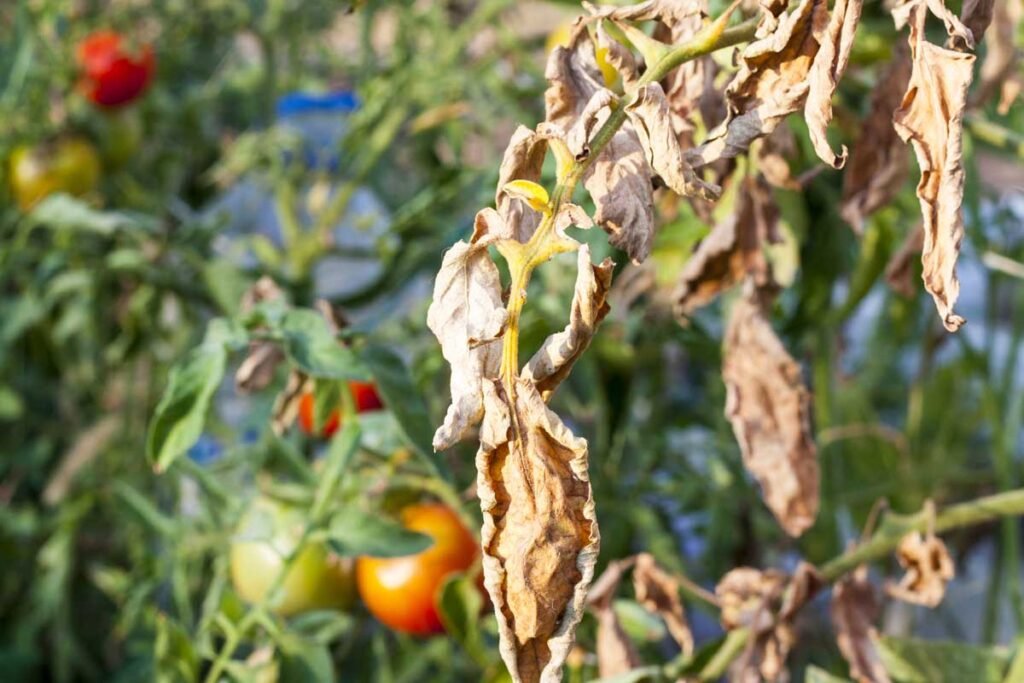
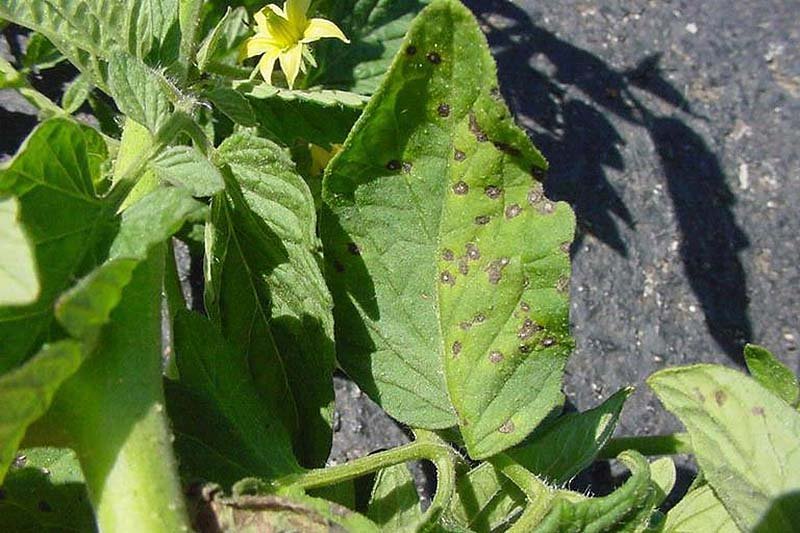
Leaf spot manifests as small, circular lesions on the tomato leaves that gradually enlarge and may develop dark, concentric rings. Early symptoms often appear on older leaves near the base of the plant, progressing upward as the infection spreads. Over time, affected leaves may yellow, dry out, and fall off, weakening the plant and reducing fruit quality.
Two primary types of fungal leaf spot affect container tomatoes:
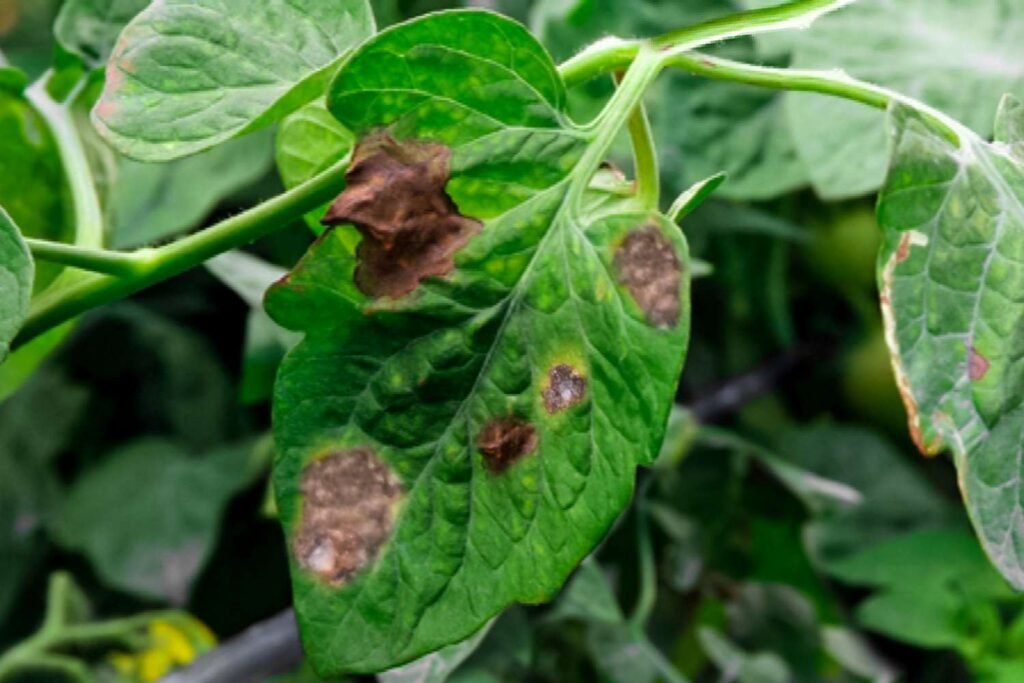
- Early Blight (Alternaria leaf spot): Characterized by dark brown or black concentric rings, often with a yellow halo around the lesion. Infection typically begins on older leaves and moves upward.
- Septoria Leaf Spot: Caused by Septoria lycopersici, resulting in small, water-soaked spots with a grayish center and dark margins, primarily affecting lower leaves.
Both types are promoted by warm, humid conditions and poor air circulation, making container tomatoes particularly vulnerable in confined spaces.
Signs and Symptoms
Recognizing early signs of leaf spot is crucial for prevention and management:
- Dark, Circular Spots: The most common symptom, often surrounded by yellow halos.
- Yellowing of Leaves: Infected areas may turn yellow before falling off.
- Leaf Drop: Severe infections can cause premature defoliation, exposing fruits to sunscald.
- Stunted Growth: Reduced leaf area limits photosynthesis, slowing plant development.
- Lesions on Stems and Petioles: In severe cases, fungal spores can infect stems, weakening the plant.
Environmental Factors Contributing to Leaf Spot
Several environmental conditions in container gardening increase the risk of leaf spot:
- High Humidity: Fungal spores thrive in moist environments, particularly if water remains on leaves for extended periods.
- Poor Air Circulation: Crowded containers or indoor setups can create stagnant air, promoting fungal growth.
- Overhead Watering: Water splashing on leaves spreads fungal spores from the soil surface.
- Contaminated Soil or Containers: Reusing soil or unsterilized pots can introduce pathogens.
- Dense Foliage: Excessive leaf growth without pruning limits airflow and increases humidity around leaves.
Understanding these factors is key to developing effective prevention strategies.
Preventive Measures for Leaf Spot
Preventing leaf spot in container tomatoes involves a combination of cultural practices, environmental management, and natural treatments.
1. Proper Container and Soil Management
- Use Clean Containers: Sterilize pots before planting to eliminate residual fungal spores.
- High-Quality Potting Mix: Use well-draining, pathogen-free soil to reduce waterlogging.
- Adequate Drainage: Ensure containers have sufficient holes to prevent standing water, which fosters fungal growth.
2. Optimal Watering Practices
- Water at the Base: Avoid wetting foliage to minimize spore dispersal.
- Morning Watering: Water early in the day to allow leaves to dry before evening.
- Consistent Moisture: Avoid water stress, as fluctuating soil moisture weakens plants and increases susceptibility.
3. Spacing and Pruning
- Adequate Plant Spacing: Even in containers, provide enough room for airflow around leaves.
- Prune Lower Leaves: Remove leaves near the soil surface to reduce humidity and limit fungal contact.
- Thin Dense Foliage: Pruning excess growth allows sunlight and air circulation to reach inner leaves, creating an unfavorable environment for fungi.
4. Sanitation and Hygiene
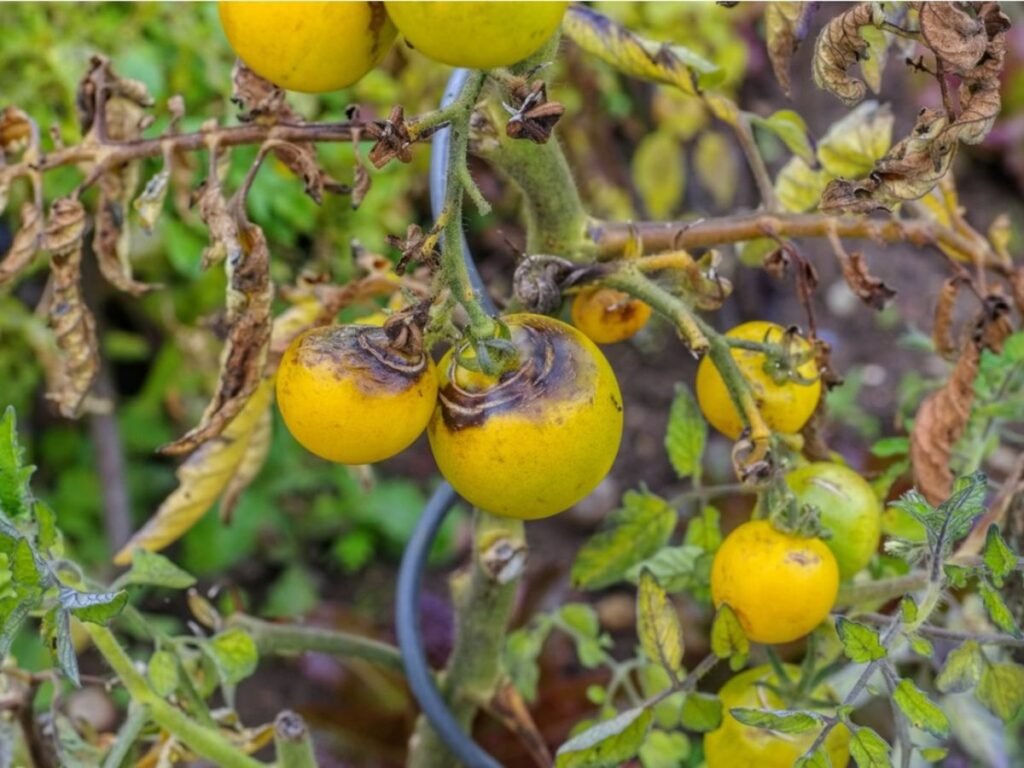
- Remove Infected Leaves: Promptly discard any leaves showing symptoms to prevent spore spread.
- Clean Tools: Sterilize pruning shears and gardening tools to avoid cross-contamination.
- Avoid Reusing Contaminated Soil: Replace or sterilize soil if leaf spot occurs to prevent recurrence.
5. Mulching
Applying an organic mulch layer on the soil surface helps prevent soil-borne fungal spores from splashing onto leaves during watering. Mulch also conserves soil moisture and reduces temperature fluctuations, promoting overall plant health.
6. Use of Resistant Varieties
Planting tomato cultivars bred for resistance to early and late leaf spot can significantly reduce disease incidence. Many container-suitable determinate varieties are resistant to common fungal pathogens.
7. Natural and Organic Treatments
For additional protection, several natural solutions can help prevent or manage leaf spot:
- Neem Oil Spray: Neem oil has antifungal properties and can be applied preventively every 7–10 days to inhibit fungal growth.
- Baking Soda Solution: A mixture of 1 teaspoon baking soda and 1 quart water, with a few drops of liquid soap, can reduce fungal spores on leaves.
- Compost Tea: Foliar sprays of aerated compost tea strengthen plant immunity and promote beneficial microbial activity.
- Milk Spray: Diluted milk (1 part milk to 2 parts water) can help suppress fungal pathogens when applied weekly.
These treatments are safe for edible plants and environmentally friendly, making them ideal for container gardening.
8. Environmental Adjustments
- Increase Sunlight Exposure: Place containers in locations that receive 6–8 hours of sunlight to reduce humidity and prevent fungal growth.
- Improve Airflow: Use fans indoors or ensure outdoor containers have spacing between them for natural air circulation.
- Avoid Excess Nitrogen Fertilizers: Overfertilization can create lush foliage that is more susceptible to fungal infections.
Integrated Approach for Prevention
Preventing leaf spot in container tomatoes is most effective when multiple strategies are combined:
- Begin with disease-resistant varieties and pathogen-free soil.
- Use proper watering and pruning techniques to reduce humidity around leaves.
- Maintain sanitation by removing infected leaves and sterilizing tools.
- Apply natural antifungal sprays as preventive measures.
- Monitor plants regularly to catch early signs of infection.
By integrating these methods, gardeners can reduce the risk of leaf spot while maintaining healthy, productive tomato plants.
Benefits of Preventive Practices
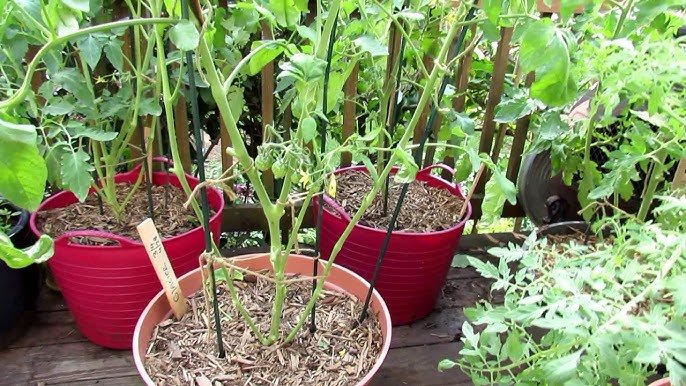
Adopting preventive strategies for leaf spot provides numerous advantages:
- Healthy Plant Growth: Maintains robust foliage for optimal photosynthesis and fruit production.
- Reduced Chemical Use: Minimizes reliance on synthetic fungicides, making gardening safer for humans and the environment.
- Higher Yield and Quality: Healthy leaves support better flowering and fruit development.
- Sustainable Gardening: Encourages eco-friendly practices that enhance soil health and biodiversity.
Conclusion
Leaf spot is a common and potentially devastating disease for container-grown tomatoes. However, it can be effectively prevented through a combination of proper container and soil management, optimal watering practices, pruning, sanitation, mulching, and the use of resistant varieties. Natural treatments such as neem oil, baking soda, compost tea, and milk sprays provide safe and effective additional protection.
Early detection, regular monitoring, and integrated preventive strategies are key to maintaining healthy, high-yielding tomato plants in containers. By understanding the causes and environmental conditions that favor leaf spot, gardeners can create thriving container gardens with minimal disease risk while promoting sustainable and environmentally friendly practices.