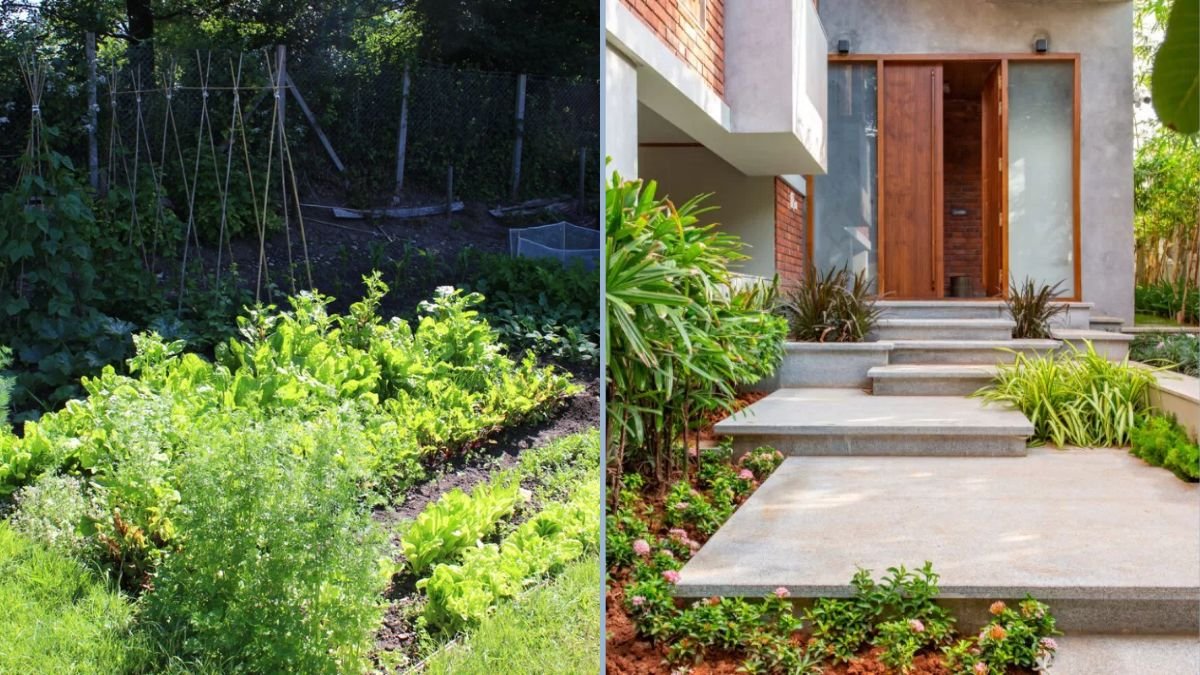
Urban living, apartments, and shaded homes often limit exposure to direct sunlight, making traditional gardening a challenge. However, growing plants in low-light conditions is entirely possible with the right strategies, plant selection, and care. Home gardening with limited sunlight allows individuals to cultivate fresh vegetables, herbs, and edible plants indoors or in shaded outdoor areas. This not only ensures a supply of chemical-free produce but also promotes sustainability, aesthetics, and mental well-being. This article provides a comprehensive guide to successful low-light home gardening using plant-based methods.
Understanding Limited Sunlight Gardening
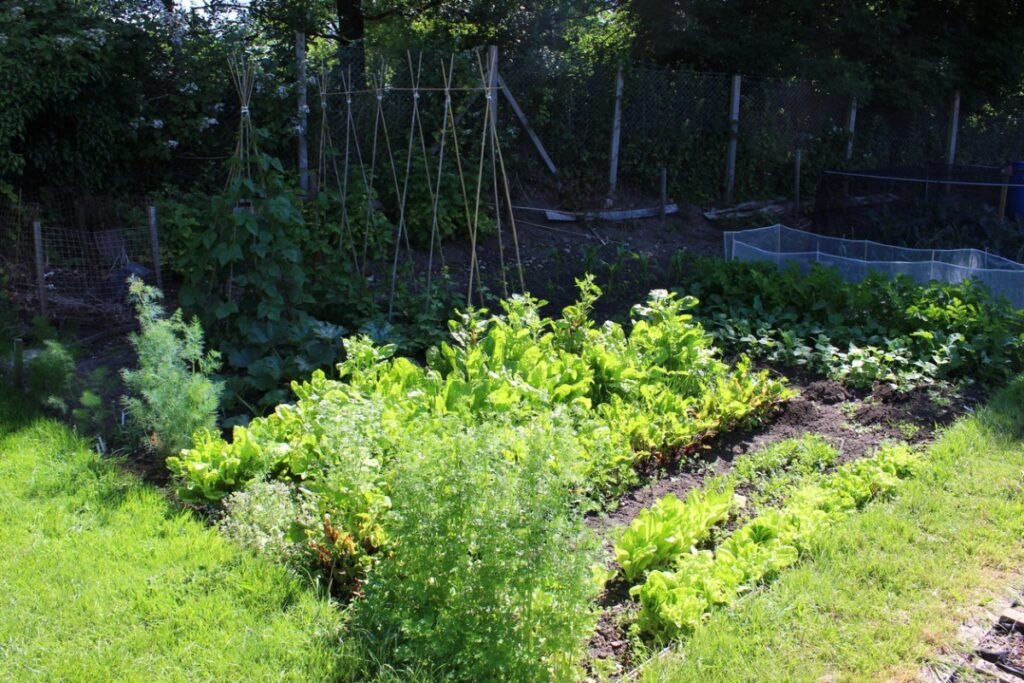
Limited sunlight gardening involves cultivating plants in areas that receive less than six hours of direct sunlight per day. This could include:
- North-facing windows
- Balconies or patios shaded by buildings or trees
- Indoor spaces with minimal natural light
While reduced sunlight slows growth for some plants, many leafy greens, herbs, and shade-tolerant vegetables thrive under indirect light or partial sunlight. With proper planning, even small, shaded spaces can produce nutritious and fresh plant-based food.
Benefits of Home Gardening in Low-Light Conditions
- Accessibility: Enables gardening in apartments, offices, or shaded homes.
- Fresh, Chemical-Free Produce: Provides vegetables, herbs, and greens grown without synthetic chemicals.
- Sustainability: Reduces dependence on store-bought, packaged vegetables.
- Aesthetic Appeal: Enhances indoor or balcony spaces with greenery.
- Mental Well-Being: Gardening promotes relaxation, mindfulness, and stress reduction.
- Year-Round Gardening: Indoor low-light gardening extends the growing season regardless of outdoor weather.
Selecting Suitable Plants for Low-Light Gardening
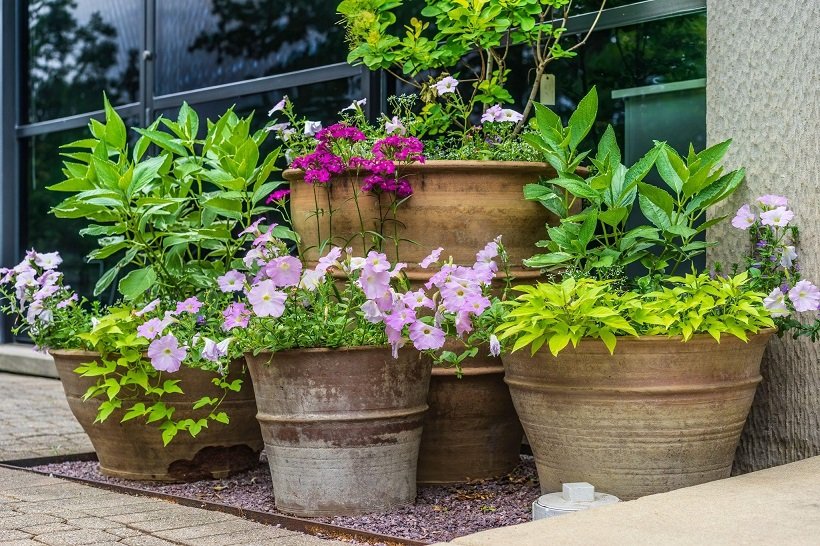
Some plants naturally thrive in shaded or partially lit environments. Choosing the right plants is critical for low-light gardening success:
1. Leafy Greens
- Examples: Lettuce, spinach, kale, arugula, Swiss chard
- Benefits: Fast-growing, high in nutrients, and perfect for salads or smoothies.
- Tips: Shallow containers or window boxes work well, and they tolerate indirect sunlight.
2. Herbs
- Examples: Mint, cilantro, parsley, chives, oregano
- Benefits: Enhance culinary dishes and are compact for indoor gardening.
- Tips: Grow in small pots or hanging containers near bright windows or under grow lights.
3. Microgreens
- Examples: Broccoli, radish, mustard, beet microgreens
- Benefits: Quick-growing (7–14 days), packed with nutrients, and perfect for indoor trays.
- Tips: Keep soil moist and provide indirect light for healthy sprouting.
4. Shade-Tolerant Vegetables
- Examples: Baby carrots, radishes, peas, and bush beans
- Benefits: Compact varieties perform well in containers with filtered light.
- Tips: Use containers with good drainage and plant varieties suitable for shallow or partial-light conditions.
5. Edible Flowers
- Examples: Nasturtium, pansy, calendula
- Benefits: Add color, flavor, and nutrients to salads and teas.
- Tips: Grow in shallow containers with regular watering and occasional fertilizer application.
Essential Requirements for Low-Light Gardening
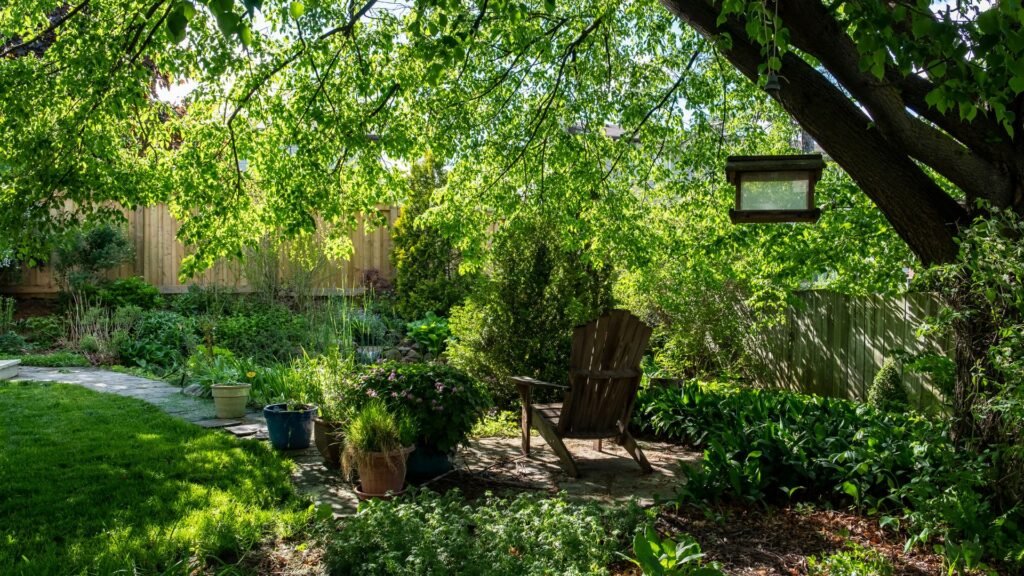
Even with limited sunlight, certain key factors ensure healthy plant growth:
1. Containers
- Shallow containers are ideal for leafy greens, herbs, and microgreens.
- Deeper containers suit root vegetables like carrots or radishes.
- Materials: Plastic, ceramic, terracotta, or recycled containers with drainage holes.
2. Soil
- Use a light, well-draining potting mix enriched with compost.
- Avoid compacted garden soil, which can hinder root growth.
- Plant-based fertilizers like compost tea or seaweed extract promote nutrient availability.
3. Light Management
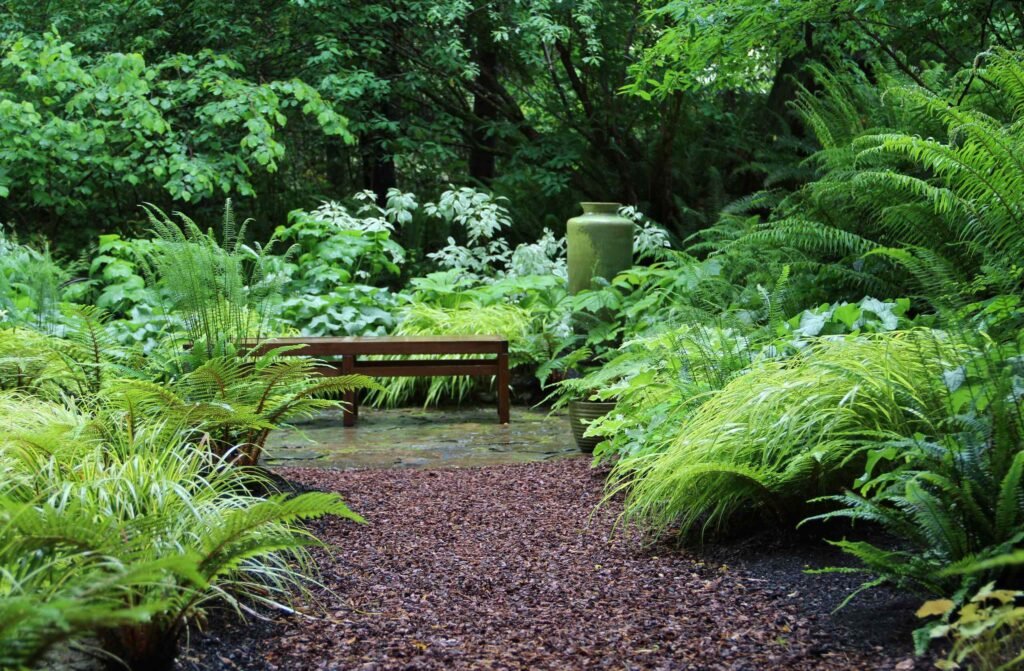
- Indirect sunlight is sufficient for shade-tolerant plants.
- Supplement natural light with LED or fluorescent grow lights for 6–8 hours daily.
- Rotate plants periodically to ensure uniform light exposure.
4. Watering
- Maintain consistent soil moisture without waterlogging.
- Shaded areas dry out more slowly, so monitor soil carefully.
- Use self-watering containers or trays for efficiency.
5. Fertilization
- Apply plant-based organic fertilizers every 2–3 weeks.
- Compost, vermicompost, and liquid seaweed extract improve growth and yield.
- Avoid over-fertilizing, which can damage delicate leaves.
Step-by-Step Guide for Low-Light Home Gardening
Step 1: Choose Your Space
- Identify areas with indirect sunlight or partial light.
- Windowsills, shaded balconies, or indoor shelves work well.
Step 2: Select Containers
- Ensure containers match the depth and size requirements of your plants.
- Consider space-saving options like hanging baskets, window boxes, or tiered shelves.
Step 3: Prepare the Soil
- Mix potting soil with organic compost and plant-based fertilizers.
- Fill containers, leaving space for watering and seed placement.
Step 4: Plant Seeds or Seedlings
- Sow seeds at recommended depths and spacing.
- For seedlings, transplant carefully to avoid root damage.
Step 5: Maintain Plants
- Watering: Keep soil moist and avoid waterlogging.
- Lighting: Supplement with grow lights if necessary.
- Fertilization: Apply organic fertilizers biweekly.
- Pruning: Trim damaged or yellowing leaves to encourage growth.
Step 6: Monitor for Pests
- Even indoor gardens can attract aphids or mites.
- Use plant-based solutions like neem oil, soapy water, or manual removal.
Creative Low-Light Gardening Techniques
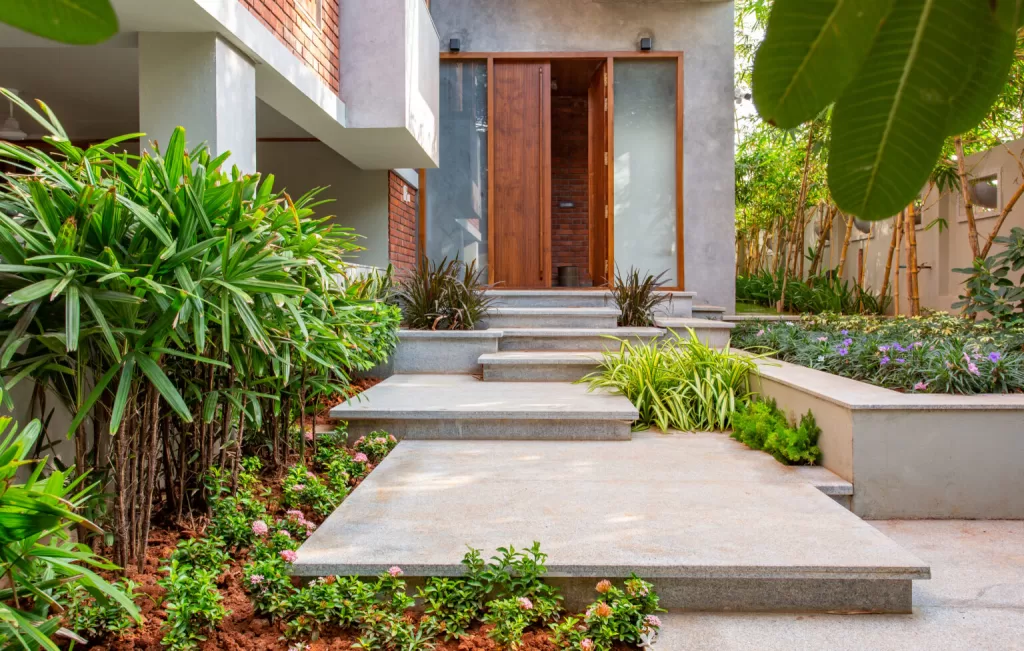
- Vertical Gardening
- Stack containers or use wall-mounted pockets to maximize space.
- Ideal for herbs, leafy greens, and microgreens.
- Hanging Planters
- Suspend pots from ceilings or balcony railings to catch filtered light.
- Great for trailing plants like mint or nasturtium.
- Tiered Shelving
- Use multi-level shelves near windows for maximum light exposure.
- Upcycled Containers
- Repurpose jars, crates, or tins for small-scale gardening.
- Succession Planting
- Sow seeds every 2–3 weeks to ensure a continuous supply of fresh produce.
Harvesting Tips
- Leafy Greens: Use cut-and-come-again method to maintain ongoing growth.
- Herbs: Snip leaves regularly, avoiding removal of more than one-third at a time.
- Microgreens: Harvest when 2–3 inches tall for peak nutrition.
- Edible Flowers: Pick blossoms early in the day for flavor and freshness.
Regular harvesting encourages continued production and maintains plant health.
Common Challenges and Solutions
| Challenge | Cause | Solution |
|---|---|---|
| Leggy or weak growth | Insufficient light | Use LED or fluorescent grow lights; rotate plants |
| Overwatering | Shaded areas retain moisture longer | Reduce watering frequency; use well-draining soil |
| Nutrient deficiency | Poor soil or lack of fertilizer | Apply plant-based fertilizers regularly |
| Pests | Aphids or mites | Use neem oil, soapy water, or manual removal |
| Slow growth | Overcrowding | Thin seedlings and space containers properly |
Sustainability Practices for Low-Light Gardening
- Organic Fertilizers: Compost, liquid plant extracts, and vermicompost maintain healthy soil.
- Water Recycling: Collect rainwater or reuse kitchen water for irrigation.
- Upcycling Materials: Use jars, bottles, and crates as planting containers.
- Chemical-Free Practices: Avoid synthetic fertilizers and pesticides completely.
Benefits of Low-Light Home Gardening
- Fresh, Chemical-Free Produce: Continuous access to nutrient-rich vegetables and herbs.
- Space Optimization: Ideal for apartments, offices, and small homes.
- Eco-Friendly Living: Reduces dependency on store-bought produce and packaging.
- Educational Value: Teaches plant growth cycles, care, and sustainable practices.
- Mental Well-Being: Gardening reduces stress, improves mood, and enhances indoor aesthetics.
Conclusion
Home gardening with limited sunlight is entirely feasible and highly rewarding. By selecting shade-tolerant plants, using appropriate containers, maintaining consistent moisture, and supplementing light with LEDs or fluorescent lamps, gardeners can achieve healthy, productive, and chemical-free growth. Techniques like vertical gardening, hanging planters, succession planting, and tiered shelving optimize small or shaded spaces, ensuring year-round production of leafy greens, herbs, microgreens, and edible flowers.
Low-light home gardening not only provides fresh, plant-based ingredients for daily meals but also promotes sustainability, aesthetic appeal, and mental well-being. With careful planning, plant-based fertilization, and regular care, even homes with minimal sunlight can flourish with vibrant, productive gardens that contribute to healthier, eco-conscious living.