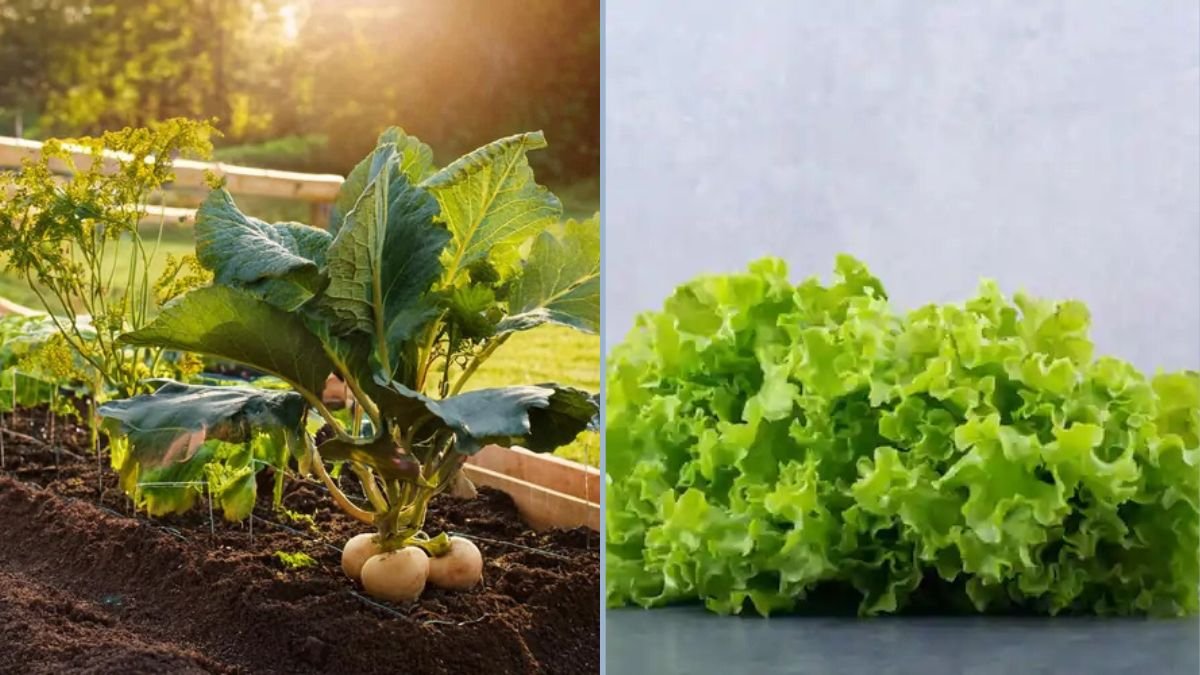
Leafy greens are among the easiest and most rewarding crops to grow in small spaces. From fresh spinach, kale, and lettuce to arugula and chard, leafy greens are nutrient-dense, versatile, and essential for plant-based diets. Container gardening provides an ideal solution for urban dwellers, apartment residents, and those with limited outdoor space. By growing leafy greens in containers, you can enjoy fresh, chemical-free produce year-round while optimizing small areas such as balconies, windowsills, and patios. This article provides a detailed guide to container cultivation of leafy greens, covering all aspects from selection to harvest.
Why Grow Leafy Greens in Containers?
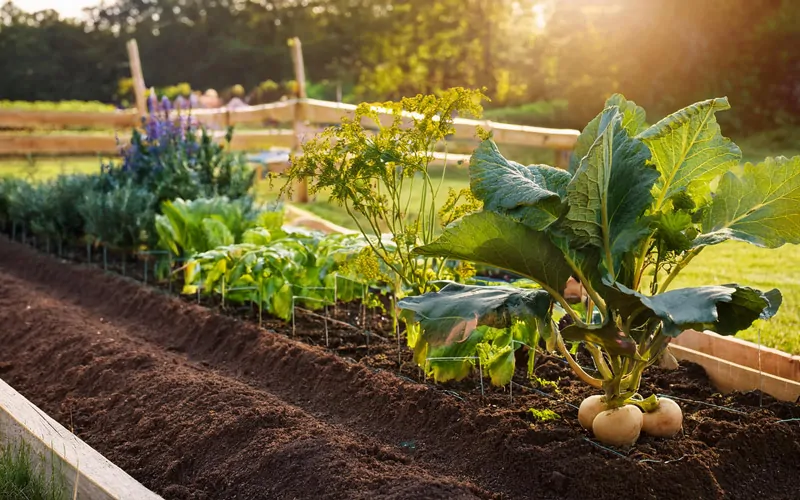
Container gardening offers several benefits for leafy greens:
- Space Efficiency: Makes use of limited outdoor or indoor space.
- Control Over Growing Conditions: Allows control over soil, water, and nutrient levels.
- Fresh, Nutritious Produce: Ensures access to chemical-free, high-quality greens.
- Extended Growing Season: Indoor or balcony containers allow year-round cultivation.
- Accessibility: Easy to manage for watering, harvesting, and care.
- Educational and Therapeutic Value: Provides a hands-on experience for learning plant growth cycles and promotes mindfulness.
Container gardening is suitable for beginners and experienced gardeners alike, offering a flexible and productive method for leafy green cultivation.
Choosing Leafy Green Varieties for Containers
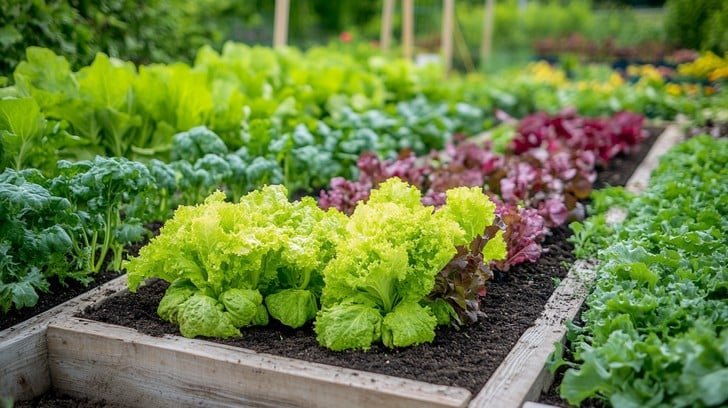
Some leafy greens thrive better in containers due to their shallow root systems and compact growth:
- Lettuce: Varieties like Butterhead, Romaine, and Looseleaf grow well in shallow containers.
- Spinach: Compact varieties like Baby Spinach are ideal for pots and window boxes.
- Kale: Dwarf or baby kale varieties are suitable for containers.
- Arugula: Quick-growing, nutrient-dense, and well-suited for small spaces.
- Chard: Rainbow chard or Swiss chard grows well in slightly deeper containers.
Choose fast-growing, compact, or dwarf varieties to optimize yield in limited spaces.
Essential Requirements for Container Leafy Greens
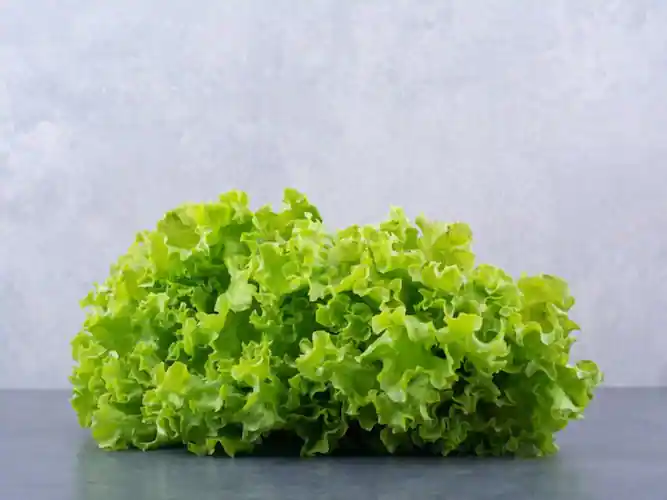
Growing leafy greens in containers requires attention to light, soil, water, containers, and nutrients.
1. Light
- Leafy greens require 4–6 hours of bright, indirect sunlight daily.
- South-facing windows, balconies, or terraces provide ideal conditions.
- In low-light areas, supplement with LED or fluorescent grow lights to encourage healthy growth.
2. Containers
- Use shallow, wide containers for optimal root and leaf development.
- Depth of 6–8 inches works for most leafy greens; deeper containers can support larger varieties.
- Materials can include plastic, ceramic, terracotta, or recycled containers.
- Ensure proper drainage holes to prevent waterlogging.
3. Soil
- A light, well-draining potting mix enriched with organic compost is ideal.
- Avoid garden soil that can compact and inhibit root growth.
- Soil can be amended with vermicompost, cocopeat, or plant-based fertilizers to improve fertility.
4. Watering
- Keep soil consistently moist but not waterlogged.
- Watering frequency may increase in warmer indoor conditions or on sunny balconies.
- Misting can help maintain humidity and prevent wilting, especially for tender greens.
5. Fertilization
- Apply plant-based, organic fertilizers every 2–3 weeks.
- Compost tea, liquid seaweed extract, or organic manure encourages rapid growth.
- Avoid excessive nitrogen fertilizers to prevent overgrown leaves at the expense of flavor.
Step-by-Step Guide to Growing Leafy Greens in Containers
Step 1: Seed Selection
- Choose certified organic seeds or seedlings for vegetables and herbs.
- Select varieties suited for container growth and your climate.
Step 2: Sowing Seeds
- Fill containers with prepared soil mix.
- Sow seeds 1/4–1/2 inch deep and space them according to packet instructions.
- Lightly firm the soil and water gently to maintain moisture.
Step 3: Germination
- Leafy green seeds typically germinate within 7–14 days.
- Maintain consistent moisture and indirect sunlight during germination.
- Cover seeds with a thin layer of soil or a damp cloth if required.
Step 4: Thinning Seedlings
- Thin seedlings when they are 2–3 inches tall to prevent overcrowding.
- Proper spacing ensures healthy leaves and avoids stunted growth.
Step 5: Ongoing Maintenance
- Watering: Keep soil evenly moist and avoid waterlogging.
- Fertilization: Apply plant-based liquid fertilizers biweekly.
- Pruning: Remove yellowing or damaged leaves regularly.
- Pest Control: Inspect for aphids or mites and use organic solutions like neem oil or manual removal.
Companion Planting in Containers
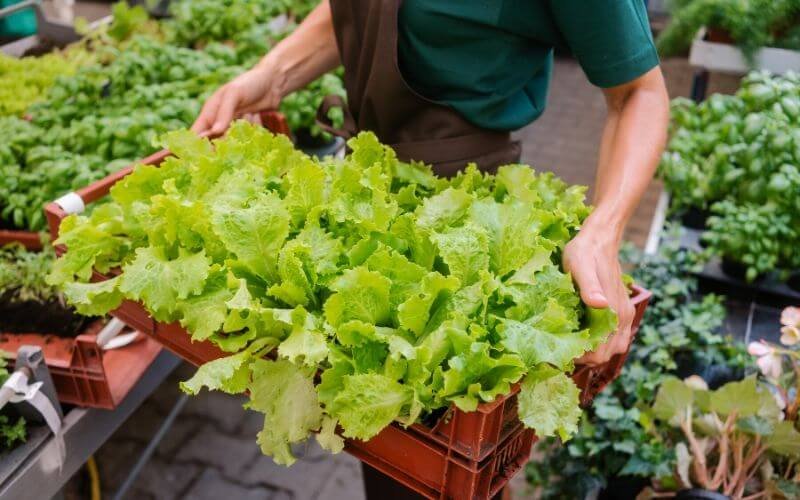
Companion planting enhances growth and reduces pests in small-space leafy green gardens:
- Herbs: Basil, cilantro, and dill improve flavor and deter pests.
- Edible Flowers: Nasturtium or marigold can attract beneficial insects.
- Avoid Crowding: Do not plant heavy feeders like tomatoes with leafy greens in small containers.
Harvesting Leafy Greens
- Cut-and-Come-Again Method: Harvest outer leaves first to allow inner leaves to continue growing.
- Baby Leaves: Harvest smaller leaves earlier for salads and delicate dishes.
- Regular Harvesting: Encourages continuous production and prevents bolting.
Common Challenges and Solutions
| Challenge | Cause | Solution |
|---|---|---|
| Leggy growth | Insufficient light | Move containers to a sunnier location or use grow lights |
| Wilting | Inconsistent watering | Maintain regular, even watering schedule |
| Yellow leaves | Nutrient deficiency | Apply plant-based fertilizers and compost |
| Pests | Aphids or mites | Use neem oil, soapy water, or manual removal |
| Overcrowding | Sowing too densely | Thin seedlings for proper spacing |
Creative Container Gardening Hacks
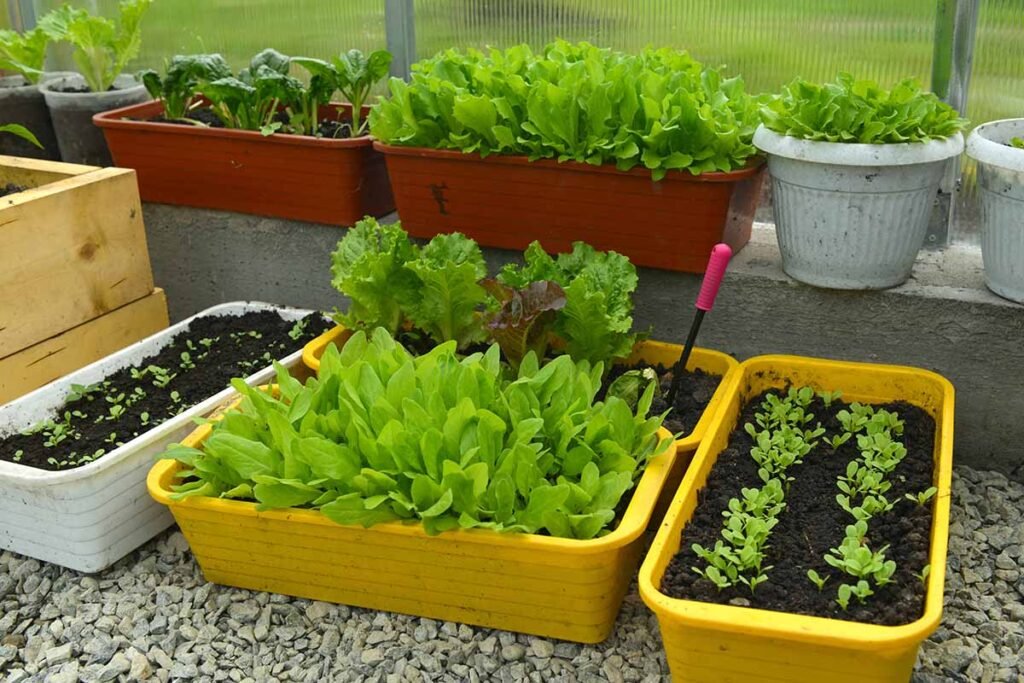
- Vertical Planters
- Stack containers or use wall-mounted pockets to save space.
- Ideal for herbs and leafy greens like spinach and arugula.
- Tiered Shelves
- Use multi-level shelves to grow multiple leafy green varieties efficiently.
- Upcycled Containers
- Repurpose jars, bottles, crates, or tins as planting containers.
- Window Boxes
- Perfect for small balconies or windowsills to maximize sunlight exposure.
- Succession Planting
- Sow seeds every 2–3 weeks to maintain a continuous supply of fresh greens.
Sustainability Practices
- Organic Fertilizers: Use compost, compost tea, or plant-based liquid fertilizers.
- Water Conservation: Collect rainwater or reuse kitchen water for irrigation.
- Recycling Containers: Repurpose old jars, crates, or pots to reduce waste.
- Chemical-Free Gardening: Avoid synthetic fertilizers and pesticides entirely.
Benefits of Growing Leafy Greens in Containers
- Fresh and Nutrient-Rich Produce: Access to chemical-free leafy greens anytime.
- Space Optimization: Grow vegetables even in apartments or small homes.
- Educational and Therapeutic: Learn about plant growth and enjoy gardening as stress relief.
- Culinary Variety: Fresh greens enhance plant-based meals, salads, smoothies, and garnishes.
- Eco-Friendly Living: Reduces reliance on store-bought produce, packaging waste, and transportation emissions.
Conclusion
Growing leafy greens in containers is a practical, sustainable, and rewarding gardening method for small spaces. By selecting suitable varieties, using proper containers, maintaining consistent light and watering, and applying plant-based fertilizers, urban gardeners can enjoy fresh, nutritious, and chemical-free greens year-round. Companion planting, creative container arrangements, and succession planting further maximize productivity and ensure continuous harvests.
Container gardening transforms limited spaces like balconies, terraces, and windowsills into thriving green oases. It promotes healthy plant-based eating, eco-friendly practices, and mental well-being while allowing gardeners to experience the satisfaction of nurturing plants from seed to harvest. With careful planning and regular care, anyone can create a productive and attractive container garden filled with vibrant leafy greens.