Fruits are an essential part of a healthy diet, providing essential vitamins, minerals, fiber, and natural sugars that fuel the body. However, a common challenge faced by households and food establishments alike is fruit wastage due to over-ripening. Fruits, particularly climacteric varieties such as bananas, mangoes, avocados, and pears, continue to ripen after harvesting. If not consumed or preserved in time, they become soft, develop off-flavors, and are often discarded, contributing to both nutritional loss and environmental waste. Preventing overripe fruit from wasting requires understanding the ripening process, monitoring storage conditions, and applying creative preservation strategies. This article explores practical methods and techniques to extend fruit usability while maintaining flavor, texture, and nutritional value.
Understanding Fruit Ripening
Fruit ripening is a complex physiological process involving enzymatic reactions that convert starches into sugars, soften the flesh, and enhance color and aroma. Two main categories of fruits define how they ripen:
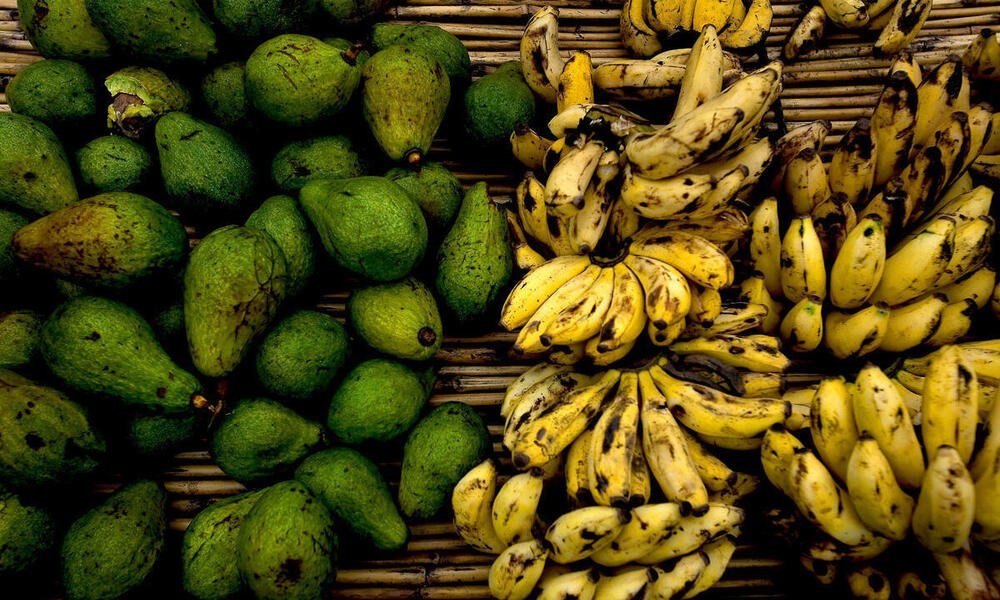
- Climacteric Fruits: These fruits continue to ripen after harvest, producing ethylene gas that accelerates the process. Examples include bananas, mangoes, peaches, plums, and avocados. These fruits can be managed post-harvest to control ripening speed.
- Non-Climacteric Fruits: These fruits do not ripen significantly once harvested. Examples include berries, grapes, citrus fruits, and cherries. For these fruits, selecting ripe specimens at the time of purchase is crucial, as their post-harvest ripening is limited.
Recognizing the type of fruit you are handling is essential for applying appropriate preservation strategies.
Factors Leading to Overripe Fruit
Several factors influence the speed at which fruits become overripe:
- Temperature: Warm environments accelerate enzymatic activity, causing fruits to ripen quickly. Cooler temperatures slow the process.
- Ethylene Exposure: Fruits that produce or are exposed to high levels of ethylene gas ripen faster.
- Humidity: High moisture levels can encourage mold growth on overripe fruit, while very dry conditions can cause dehydration and wrinkling.
- Physical Damage: Bruises and cuts create entry points for microorganisms, accelerating spoilage.
Managing these factors allows for better control over fruit ripening and reduces wastage.
Practical Methods to Prevent Overripe Fruit From Wasting
1. Proper Storage Techniques
Temperature Control: Store fruits according to their ripening requirements:
- Refrigeration: Apples, pears, grapes, and berries benefit from cold storage to slow ripening and reduce microbial growth.
- Room Temperature: Bananas, avocados, mangoes, and peaches continue to ripen at room temperature. Monitor daily to prevent overripening.
Humidity Management: Maintain moderate humidity levels to prevent dehydration while avoiding excess moisture that could lead to mold:
- Use perforated plastic bags for refrigerated fruits to allow airflow while retaining some moisture.
- Keep fruits in bowls with ventilation if stored on countertops.
2. Segregating Fruits
Ethylene-producing fruits should be stored separately from ethylene-sensitive ones:
- Bananas, apples, and avocados emit ethylene.
- Berries, grapes, and citrus are sensitive to ethylene and should be kept away from climacteric fruits.
Separating fruits reduces the risk of accelerated ripening and spoilage.
3. Regular Monitoring
Check fruits daily for ripeness indicators:
- Bananas: Yellowing with small brown spots indicates optimal ripeness.
- Avocados: Slightly soft to gentle pressure but not mushy.
- Mangoes: Fragrant aroma near the stem with slight softness.
Use fruits that are closer to peak ripeness first, and rotate storage to consume the oldest fruits first, following a first-in, first-out approach.
4. Creative Preservation Strategies
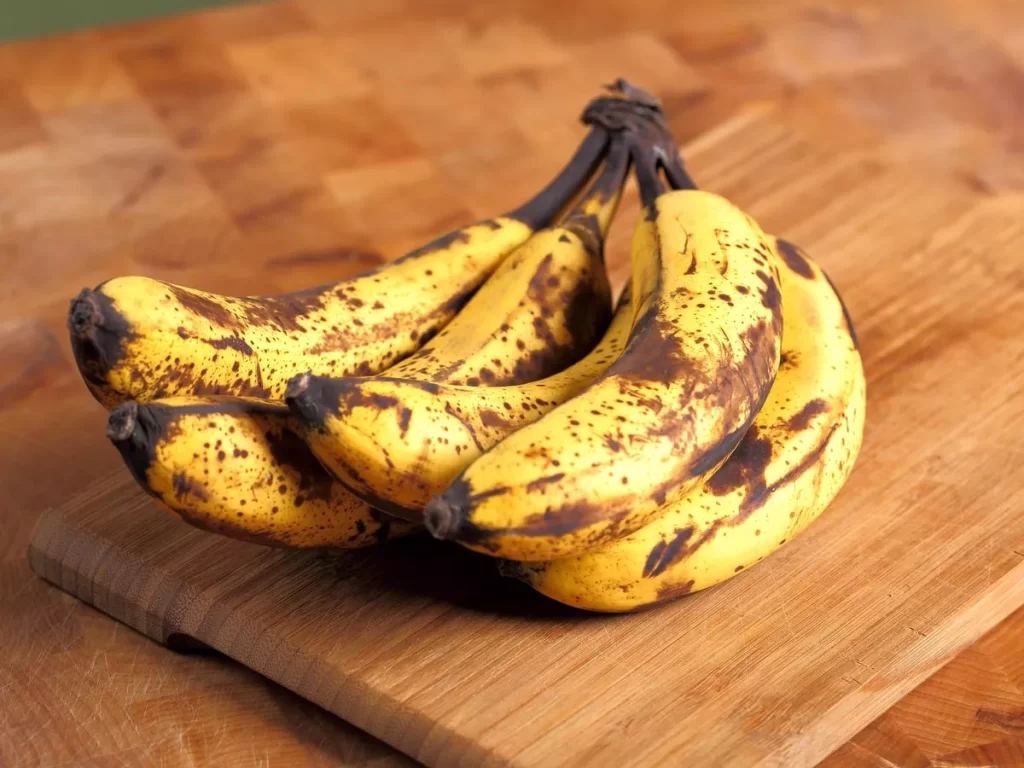
Freezing
Freezing is a reliable method to prevent overripe fruit from going to waste:
- Peel, pit, and slice fruits such as bananas, mangoes, peaches, or berries.
- Lay slices on a tray to freeze individually before transferring to airtight freezer bags.
- Frozen fruits can later be used in smoothies, desserts, sauces, or baking.
Freezing retains most vitamins, fiber, and natural sugars while extending usability for months.
Making Purees, Sauces, or Compotes
Overripe fruits are often sweeter and softer, making them ideal for processing:
- Blend bananas into natural sweeteners or baking ingredients.
- Cook overripe peaches, plums, or mangoes into compotes or fruit sauces.
- Puree berries for smoothies, desserts, or jams.
This approach preserves flavor and nutrition while adding versatility to your culinary repertoire.
Drying
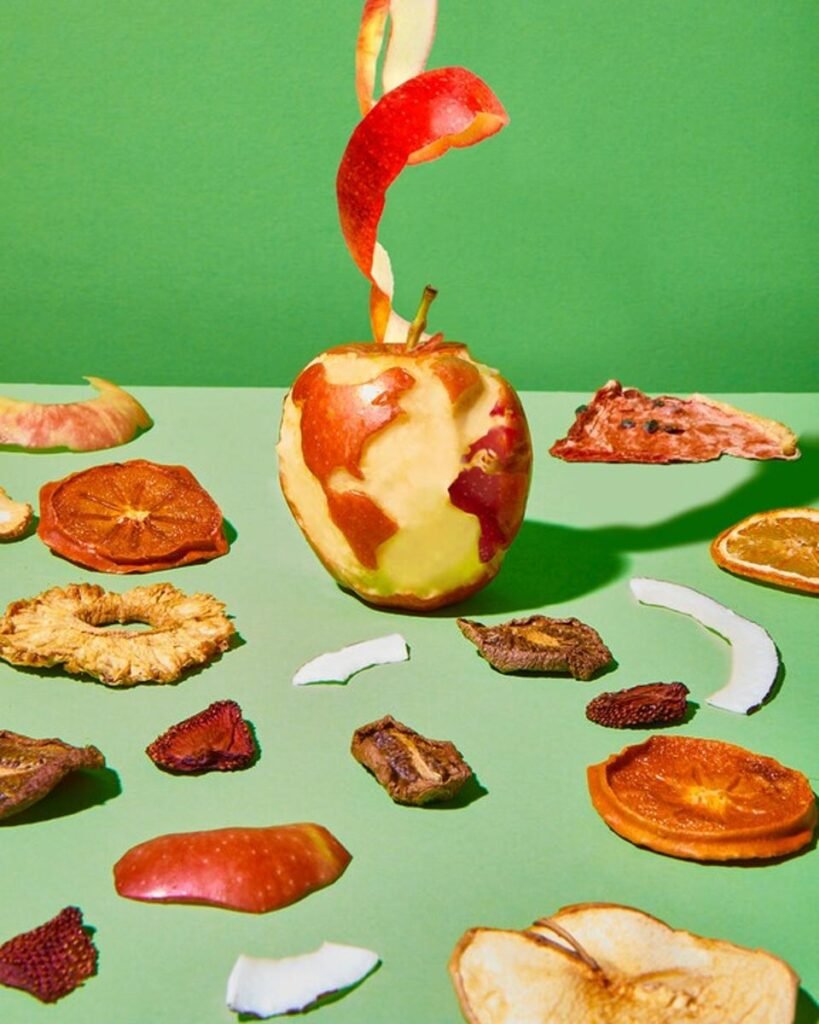
Dehydrating fruits extends their shelf life and creates nutritious snacks:
- Slice fruits thinly and dry using a low-temperature oven, dehydrator, or sunlight if appropriate.
- Apples, pears, mangoes, and berries can be transformed into chewy or crisp dried snacks.
- Store dried fruits in airtight containers to prevent moisture absorption.
Pickling and Fermentation
Pickling and fermenting overripe fruits can produce unique flavors while preserving nutrients:
- Mango or peach pickles are popular in many culinary traditions.
- Fermented fruit chutneys combine overripe fruits with spices and natural fermentation to create long-lasting condiments.
These methods also introduce probiotics and enhance the culinary experience.
5. Making Fruit-Infused Beverages
Overripe fruits can be repurposed into flavorful beverages:
- Blend overripe berries or mangoes into smoothies or fruit shakes.
- Infuse water with slices of citrus or soft fruits for refreshing, lightly flavored drinks.
- Use overripe apples or pears to create natural juices or fruit syrups for culinary use.
Beverages are an enjoyable and practical way to utilize fruits before they spoil.
6. Composting as a Last Resort
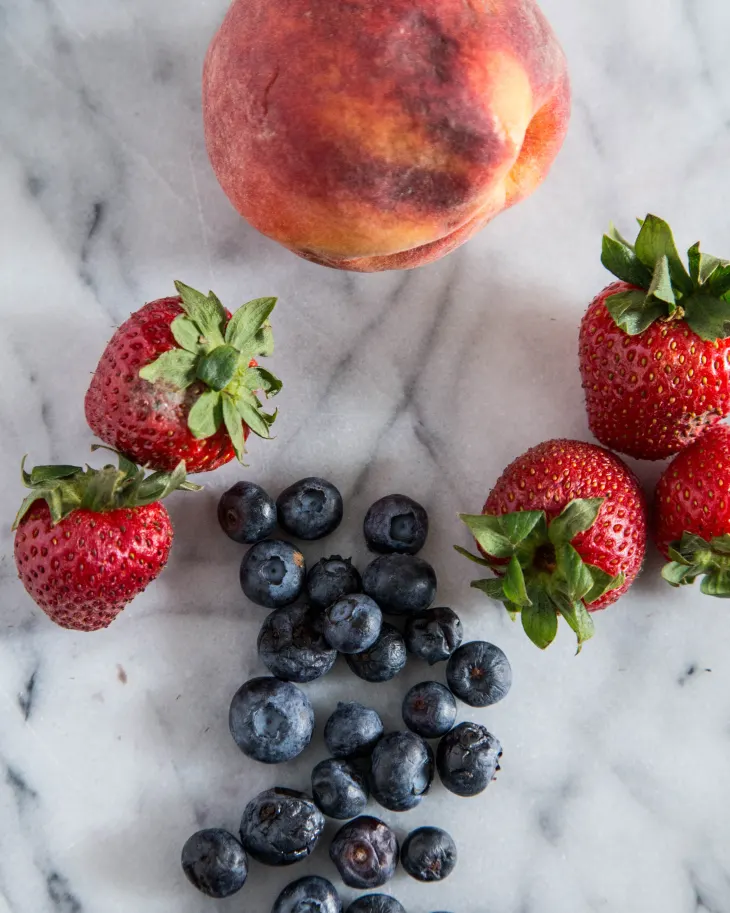
Even when fruits cannot be used for consumption, they can be composted to enrich soil for home gardens:
- Chop overripe fruits and mix them with dry leaves or kitchen scraps.
- Maintain a balanced compost mix to accelerate decomposition.
Composting reduces environmental waste and returns nutrients to the soil for future fruit production.
Tips to Minimize Fruit Wastage
- Buy According to Consumption: Purchase fruits in quantities that can be consumed within their ripening window.
- Plan Meals Around Ripeness: Incorporate fruits that are closer to ripeness in daily meals or snacks.
- Use Smaller Portions: Pre-portion fruits for smoothies, snacks, or baking to encourage timely use.
- Combine Preservation Methods: Freeze some fruits, make compotes from others, and store fresh fruits properly to extend usability.
- Educate Household Members: Encourage everyone in the household to handle fruits carefully and consume them in a timely manner.
Environmental and Economic Benefits
Preventing overripe fruit from wasting has multiple advantages:
- Reduces Food Waste: Minimizes the environmental impact of discarded food.
- Saves Money: Efficient use of purchased fruits reduces the need for frequent shopping.
- Promotes Sustainable Practices: Encourages awareness of ripening and storage processes for responsible consumption.
- Enhances Nutrition: Prevents the loss of vitamins and antioxidants that occur when fruits spoil.
By implementing thoughtful storage and preservation strategies, households can enjoy the full benefits of their fruit purchases while reducing environmental impact.
Conclusion
Preventing overripe fruit from wasting requires a combination of proper storage, monitoring, and creative preservation techniques. Understanding the ripening process, segregating fruits based on ethylene sensitivity, and utilizing temperature and humidity controls ensures fruits remain fresh for longer. When fruits approach overripeness, freezing, drying, pureeing, pickling, or making beverages are effective methods to retain flavor, texture, and nutrients.
Adopting these strategies reduces food waste, saves money, and contributes to a more sustainable lifestyle. By integrating careful planning, daily monitoring, and creative uses of fruits, households can ensure that their produce remains nutritious, flavorful, and enjoyable, turning potential waste into culinary opportunities and minimizing environmental impact.
Preventing fruit wastage is not just a matter of convenience—it is a responsible, practical, and sustainable approach to food consumption that benefits both individuals and the wider community.