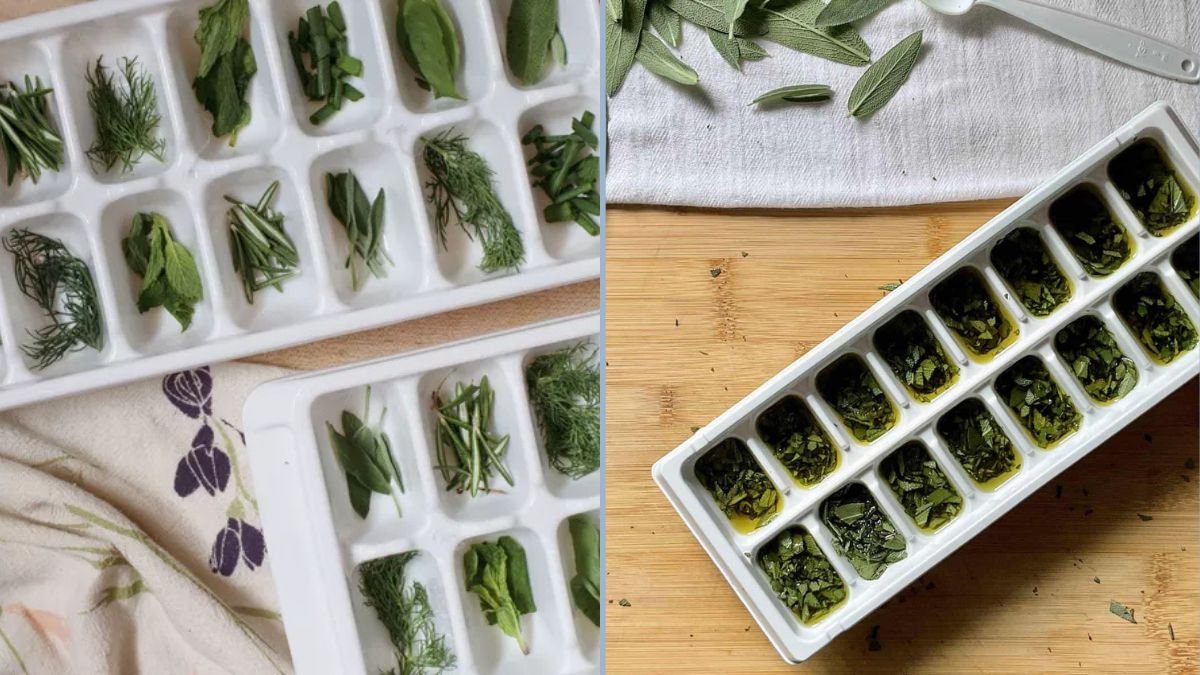
Fresh herbs are a cornerstone of culinary arts, providing aroma, flavor, and nutritional benefits to dishes ranging from simple salads to complex sauces. However, one of the most common challenges faced by home cooks and professional chefs alike is the rapid deterioration of herbs after harvest or purchase. Herbs such as parsley, basil, cilantro, mint, and chives are delicate and highly perishable. Without proper preservation, their flavors fade, their color dulls, and their nutritional value diminishes within a few days. One practical and increasingly popular solution is preserving fresh herbs in ice cube trays, which combines convenience, longevity, and quality retention. This article explores the science behind herb preservation, step-by-step methods, best practices, and tips for maximizing flavor, color, and nutrient retention.
The Science of Herb Preservation
Understanding why herbs perish quickly is essential to grasp the advantages of ice cube preservation. Fresh herbs are composed primarily of water, along with delicate plant cells that contain essential oils, pigments, and nutrients. Once cut or harvested, the plant cells begin to degrade, leading to wilting, browning, and loss of flavor. Two main processes contribute to herb deterioration:
- Water Loss and Wilting: Similar to leafy vegetables, herb leaves lose water through transpiration, causing the cells to collapse and leaves to wilt.
- Oxidation and Enzymatic Activity: Oxygen exposure triggers enzymatic reactions that break down chlorophyll and other pigments, leading to discoloration and flavor loss.
Preservation in ice cube trays mitigates these problems by freezing the herbs quickly in water or oil, which slows cellular degradation and preserves both flavor and nutrients. Freezing also effectively halts microbial growth, extending shelf life without the need for chemical preservatives.
Advantages of Using Ice Cube Trays
Using ice cube trays for herb preservation offers several benefits over traditional storage methods such as refrigeration or drying:
- Extended Shelf Life: Frozen herbs can last for months without significant loss of flavor or nutritional value.
- Convenience: Pre-portioned herb cubes can be added directly to dishes without thawing, making cooking faster and more efficient.
- Reduced Waste: Excess herbs that might otherwise spoil can be preserved for later use.
- Flavor Retention: Freezing quickly locks in volatile aromatic compounds, maintaining the fresh taste of herbs.
- Versatility: Herbs can be preserved in plain water, flavored water, or oil depending on intended culinary use.
Step-by-Step Method for Preserving Herbs
1. Selecting and Preparing Herbs
Choosing fresh, vibrant herbs is the first step in ensuring successful preservation. Look for leaves that are bright green, firm, and free from yellowing or wilting. Avoid herbs with signs of mold or decay.
Once selected, wash the herbs gently under cold running water to remove dirt and debris. Pat dry thoroughly with a clean kitchen towel or paper towels. Excess water can cause ice crystals to form, affecting texture and flavor during freezing.
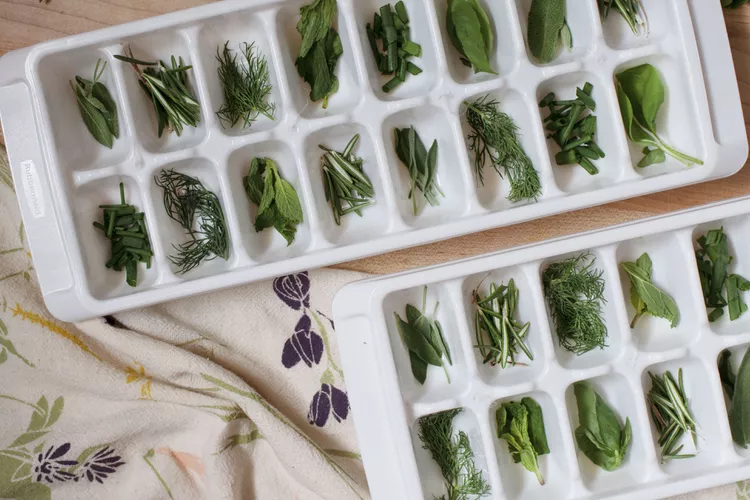
For leafy herbs like parsley, cilantro, and basil, leaves can be removed from stems. For woody herbs such as rosemary or thyme, the leaves can remain on the stems for easier handling.
2. Chopping and Portioning
Depending on intended use, herbs can be left whole, roughly chopped, or finely minced. Chopped herbs distribute more evenly in dishes and allow for more precise portions. Portioning the herbs according to typical recipe requirements—usually 1–2 tablespoons per cube—ensures convenience during cooking.
3. Choosing a Freezing Medium
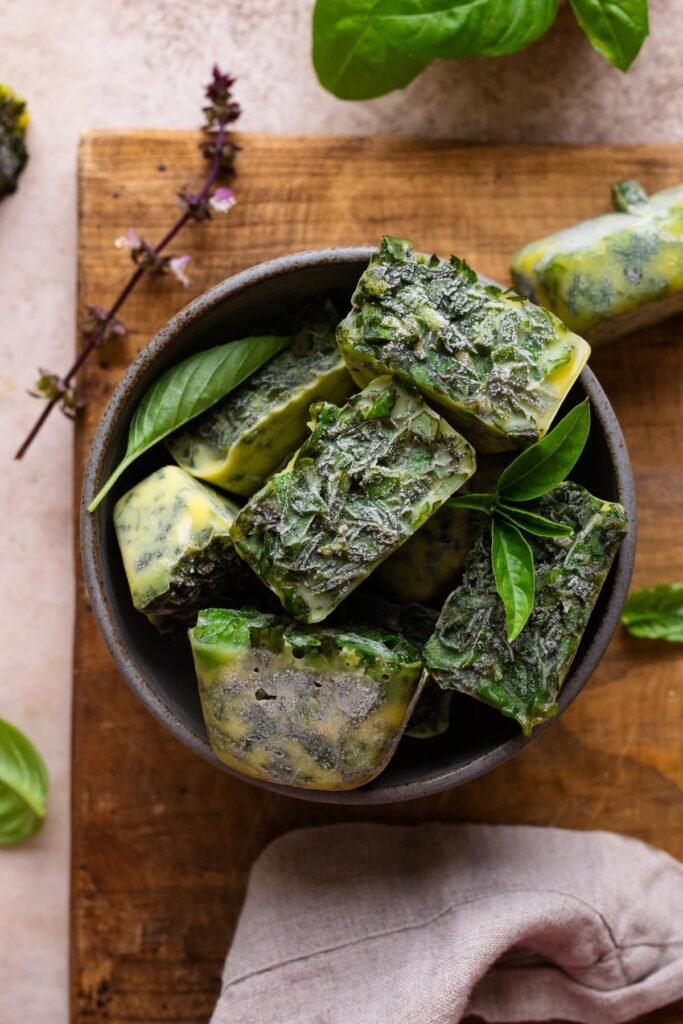
Herbs can be frozen in several mediums, each offering distinct advantages:
- Water: Freezing herbs in water is suitable for soups, stews, and sauces. Water preserves the shape of leaves and is a neutral medium that does not alter flavor.
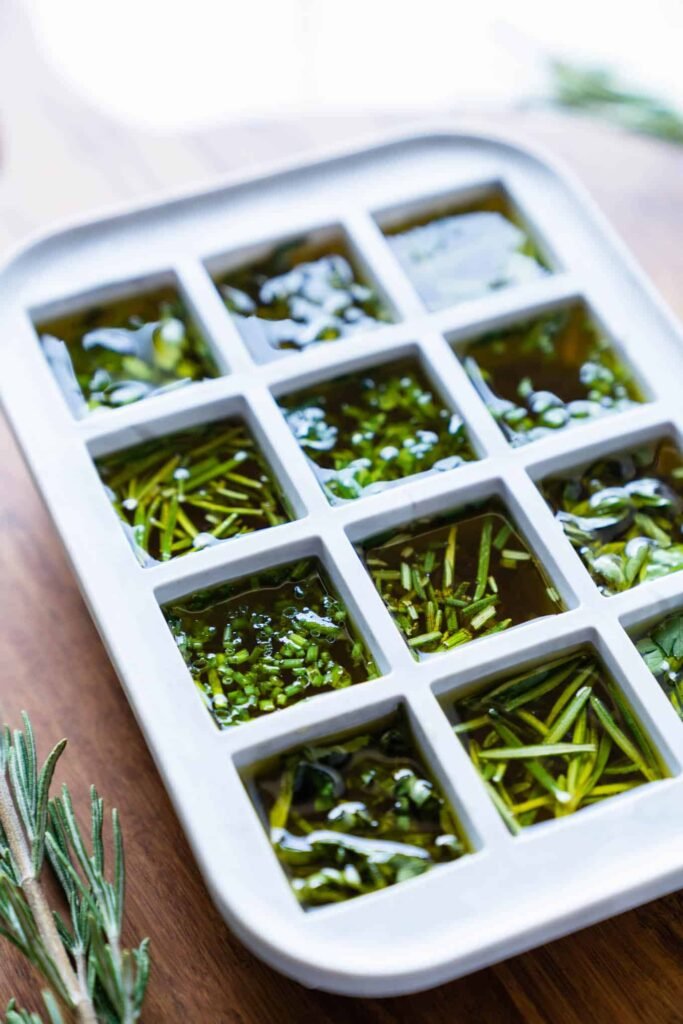
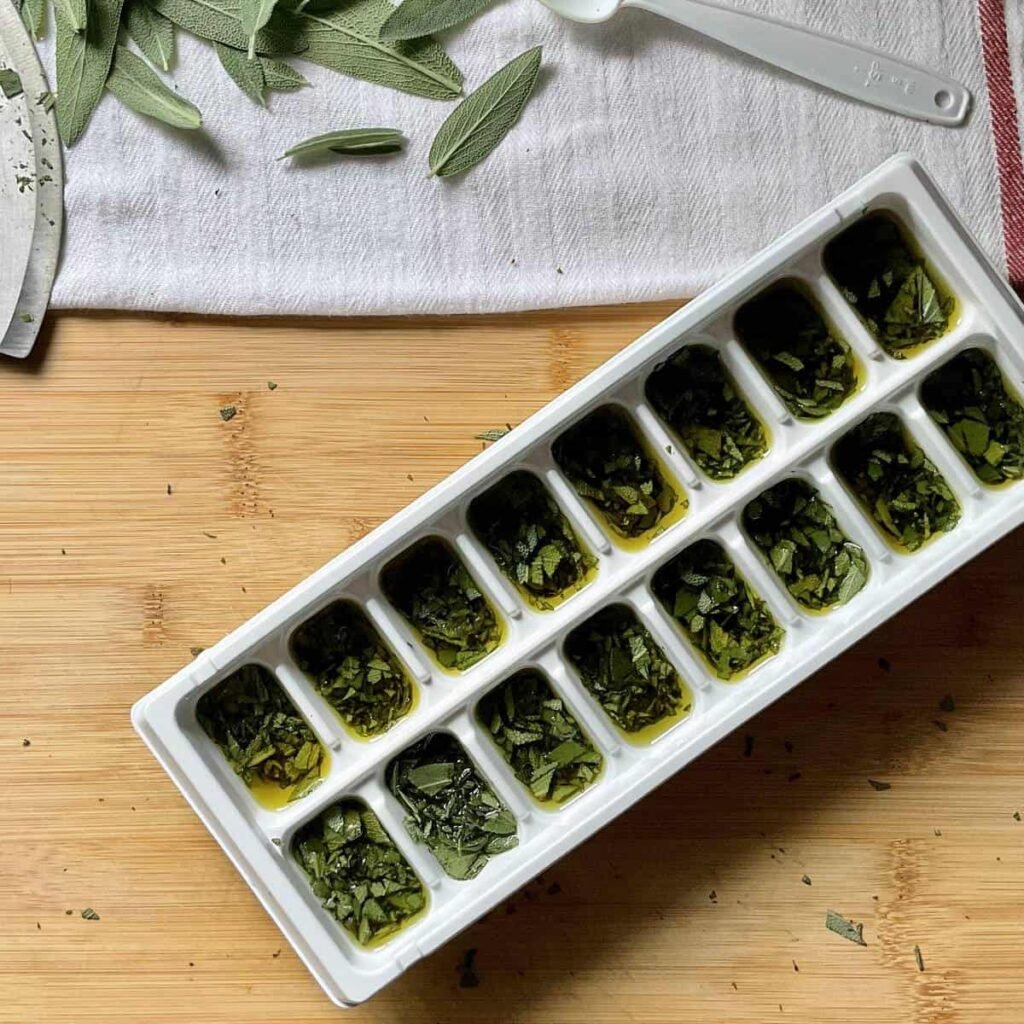
- Olive Oil or Other Cooking Oils: Oil enhances flavor and prevents freezer burn. Herb cubes in oil are particularly suitable for sautés and dressings, as they can be added directly to pans without thawing.
- Flavored Liquids: For added culinary flair, herbs can be frozen in lemon juice, vinegar, or broth. This method imparts additional flavor while preserving herb freshness.
4. Filling the Ice Cube Trays
Place the chopped herbs into individual compartments of an ice cube tray. Fill each compartment with the chosen freezing medium until the herbs are fully submerged. Lightly tap the tray to remove air bubbles and ensure even freezing. Covering the tray with plastic wrap or a tray lid prevents absorption of freezer odors.
5. Freezing and Storage
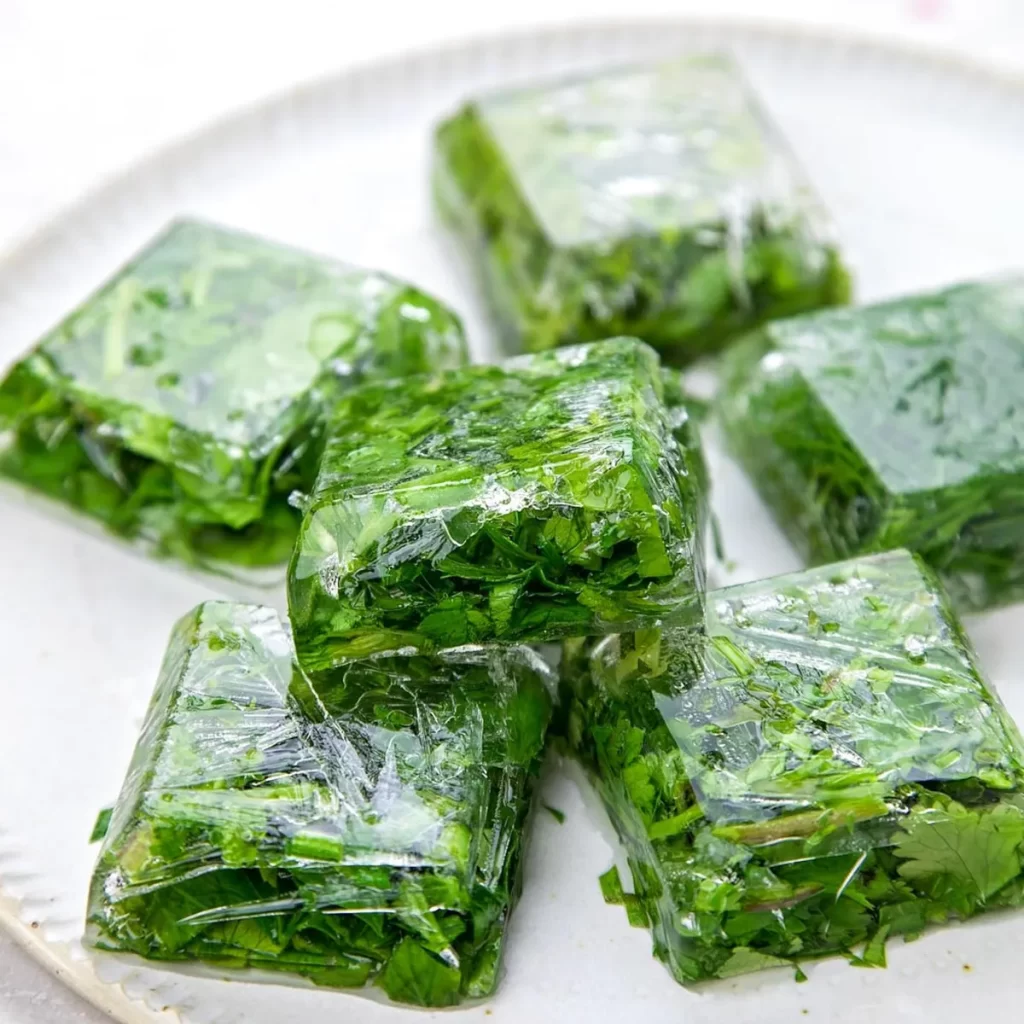
Freeze the trays immediately to prevent enzymatic and microbial activity. After several hours or overnight, once the cubes are fully frozen, they can be transferred to labeled freezer-safe bags or containers to save space. Proper labeling, including the herb type and freezing date, ensures efficient rotation and usage.
6. Usage Tips
Frozen herb cubes can be added directly to hot dishes such as soups, stews, sauces, or sautéed vegetables. For raw applications, such as salads, they can be thawed in a small bowl at room temperature. It is important to note that frozen herbs may lose some crispness when thawed, but their flavor and aroma remain largely intact.
Best Practices for Optimal Results
- Harvest Timing: Harvesting herbs in the morning, after dew has dried but before the sun is too hot, yields the most flavorful leaves.
- Avoid Overfilling: Filling ice cube compartments too much can make cubes difficult to remove and slow down freezing.
- Use Fresh Water or Oil: Avoid using previously boiled or flavored water unless intended for culinary effect.
- Quick Freezing: Freezing rapidly helps maintain cell integrity and prevents large ice crystals from forming, which can damage herb structure.
- Rotation and Inventory: Using older cubes first ensures consistent freshness and minimizes waste.
Nutritional and Culinary Benefits
Preserving herbs in ice cube trays not only retains flavor but also helps conserve the nutritional benefits. Fresh herbs are rich sources of vitamins, minerals, and antioxidants. For example:
- Parsley contains vitamin K, vitamin C, and folate.
- Basil is high in vitamin A, manganese, and essential oils with anti-inflammatory properties.
- Cilantro provides vitamin A, potassium, and phytonutrients that support heart health.
By freezing herbs promptly after harvest, these nutrients are largely preserved. Moreover, pre-portioned herb cubes make it easier to consistently include fresh herbs in daily cooking, enhancing both flavor and healthfulness.
Creative Variations
Ice cube preservation allows for culinary creativity:
- Herb Butter Cubes: Combine chopped herbs with softened butter, freeze in trays, and use as a flavor boost for vegetables, bread, or pasta.
- Herb and Citrus Cubes: Combine herbs with lemon or lime juice for a refreshing addition to drinks, marinades, or dressings.
- Herb Oil Cubes: Blend herbs with olive oil for ready-to-use cooking cubes, ideal for sautés, roasted vegetables, or homemade pesto bases.
These variations not only preserve herbs but also enhance their practical utility in diverse recipes.
Conclusion
Preserving fresh herbs in ice cube trays is a practical, efficient, and eco-friendly solution to the common challenge of herb spoilage. By understanding the principles of herb deterioration and applying proper washing, chopping, freezing, and storage techniques, it is possible to maintain flavor, aroma, and nutritional value for months. This method offers convenience, reduces food waste, and allows for more consistent use of fresh herbs in daily cooking.
Through careful selection, preparation, and freezing, herb ice cubes become a versatile culinary tool, transforming fresh herbs into ready-to-use ingredients that enhance dishes with minimal effort. By adopting these techniques, both home cooks and professional chefs can enjoy the full benefits of fresh herbs year-round, ensuring that every meal is flavorful, nutritious, and aromatic.