Healthy snacking is an essential part of a balanced diet, providing energy, nutrients, and satiety between meals. Utilizing fresh garden produce to create snacks enhances nutritional value while promoting freshness, flavor, and sustainability. This paper explores various methods of preparing healthy vegetarian snacks using homegrown fruits, vegetables, and herbs. It emphasizes simple preparation techniques, nutritional benefits, and creative combinations that maximize taste and variety. The study demonstrates that garden-fresh snacks can be convenient, visually appealing, and nutritionally dense, offering practical solutions for health-conscious individuals.
Introduction
Snacking often carries negative associations due to reliance on processed, high-calorie, and nutrient-poor foods. However, using fresh, homegrown produce transforms snacking into a healthy, satisfying, and nutrient-rich activity. Garden produce, including leafy greens, root vegetables, fruits, and herbs, offers natural sweetness, crispness, and flavor.
Creating snacks from these ingredients encourages sustainable eating, reduces food waste, and fosters a connection to seasonal, local, and homegrown foods. Additionally, simple preparation techniques can maintain the freshness, color, and nutrient content of the produce.
This paper explores the preparation of healthy snacks using garden produce, focusing on practical, vegetarian methods, nutritional benefits, and creative flavor combinations suitable for daily consumption.
Nutritional Benefits of Garden-Fresh Snacks
Utilizing fresh garden produce in snacks provides multiple health advantages:
- High in Vitamins and Minerals: Fruits and vegetables supply vitamin C, vitamin A, potassium, magnesium, and folate.
- Dietary Fiber: Supports digestive health and prolongs satiety.
- Low in Calories: Natural sugars and water content provide energy without excess calories.
- Antioxidants and Phytonutrients: Leafy greens, berries, and colorful vegetables combat oxidative stress.
- Hydration: High water content in fruits and vegetables supports hydration and overall health.
These nutritional benefits make garden-based snacks ideal for maintaining energy, promoting health, and preventing overconsumption of processed foods.
Selecting Garden Produce
Choosing the right produce is key to flavor, texture, and nutrient content:
- Leafy Greens: Spinach, kale, and arugula for wraps, smoothies, or chips.
- Root Vegetables: Carrots, beets, and radishes for raw snacks, chips, or roasted bites.
- Fruits: Berries, apples, pears, and citrus for sweetness and natural energy.
- Herbs: Basil, mint, cilantro, and parsley for flavor, aroma, and visual appeal.
- Seasonal Variations: Incorporating seasonal produce ensures freshness and enhances nutrient density.
Proper selection and freshness directly influence the taste, nutritional content, and visual appeal of snacks.
Simple Preparation Techniques
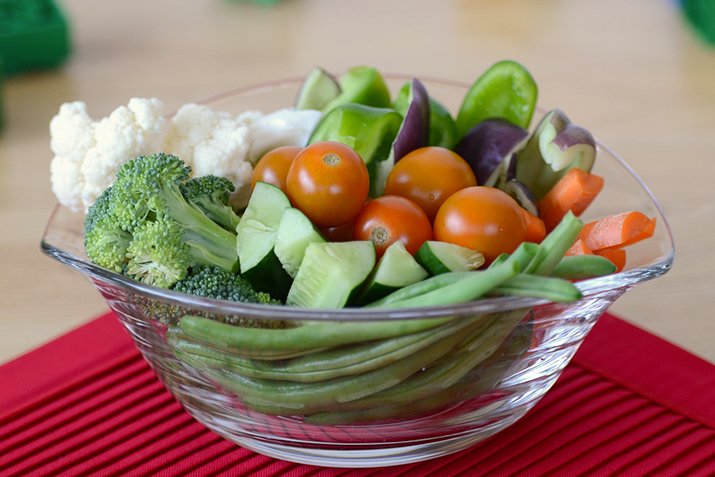
- Raw Snacks: Wash, peel, and slice fruits and vegetables for convenient consumption.
- Roasted or Baked Vegetables: Toss root vegetables with a small amount of olive oil and herbs; roast to enhance flavor and crispness.
- Herb-Infused Dips: Blend herbs, yogurt (plant-based), or tahini for dips that complement raw vegetables.
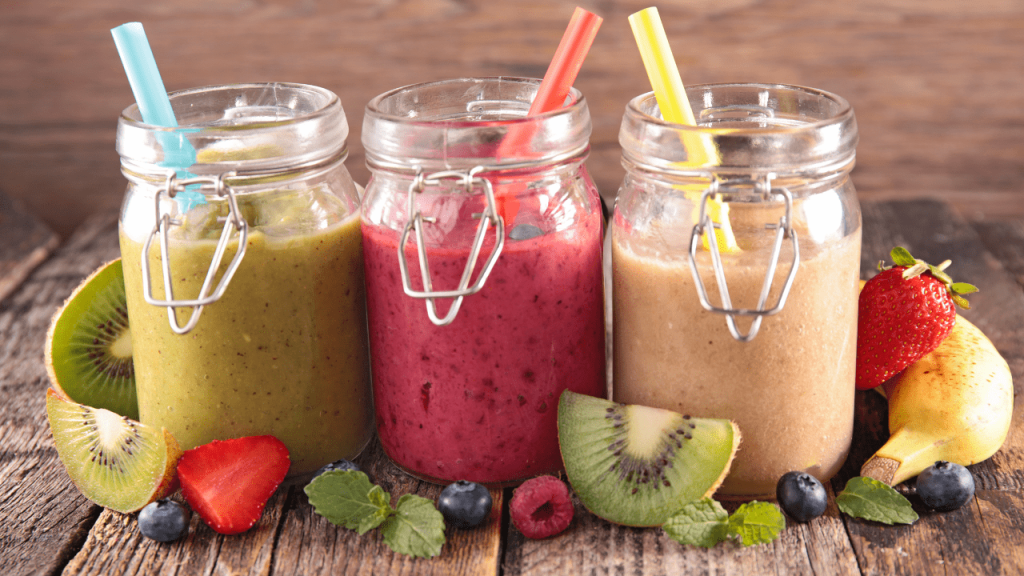
- Smoothies: Combine fruits, leafy greens, and herbs for nutrient-packed beverages.
- Herbal Infusions: Use mint, basil, or cilantro to flavor water, fruits, or dips.
- Storage Tips: Keep produce refrigerated or in airtight containers to maintain freshness and texture.
1. Fresh Veggie Sticks with Herb Dip
Ingredients: Carrots, cucumbers, bell peppers, celery, fresh parsley, and plant-based yogurt.
Preparation: Cut vegetables into sticks, blend herbs with yogurt for a dip, and serve together.
Flavor Profile: Crisp, refreshing, and herbaceous.
Nutritional Value: Vitamins A and C, fiber, antioxidants, and protein from yogurt.
Creative Twist: Sprinkle paprika or chili flakes for added flavor.
2. Roasted Beet and Carrot Chips
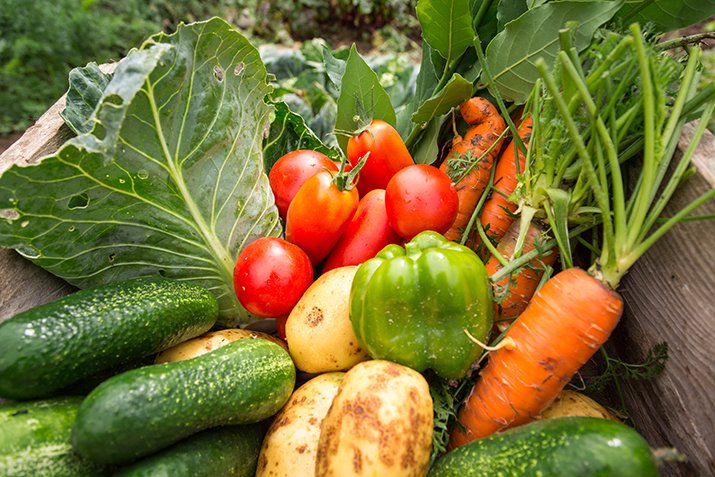
Ingredients: Beets, carrots, olive oil, salt, and thyme.
Preparation: Slice thinly, toss in olive oil, sprinkle with salt and thyme, bake at 180°C for 15–20 minutes until crispy.
Flavor Profile: Sweet, earthy, and slightly crunchy.
Nutritional Value: Vitamin A, fiber, potassium, and antioxidants.
Serving Suggestions: Serve with a simple lemon-herb dipping sauce.
3. Garden Fruit Smoothie
Ingredients: Spinach, apple, banana, berries, mint leaves, and water or plant-based milk.
Preparation: Blend all ingredients until smooth. Serve chilled.
Flavor Profile: Naturally sweet with refreshing herbal notes.
Nutritional Value: Vitamins C and K, fiber, antioxidants, and hydration.
Creative Twist: Add a teaspoon of chia or flax seeds for omega-3 fatty acids.
4. Cucumber and Tomato Salad Cups
Ingredients: Cucumbers, cherry tomatoes, olive oil, lemon juice, salt, pepper, and fresh basil.
Preparation: Dice vegetables, toss with olive oil, lemon, salt, and pepper, garnish with basil, and serve in small cups or bowls.
Flavor Profile: Refreshing, tangy, and herbaceous.
Nutritional Value: Vitamin C, potassium, antioxidants, and hydration.
Creative Twist: Add finely chopped radish for crunch and color.
5. Herb-Infused Vegetable Wraps
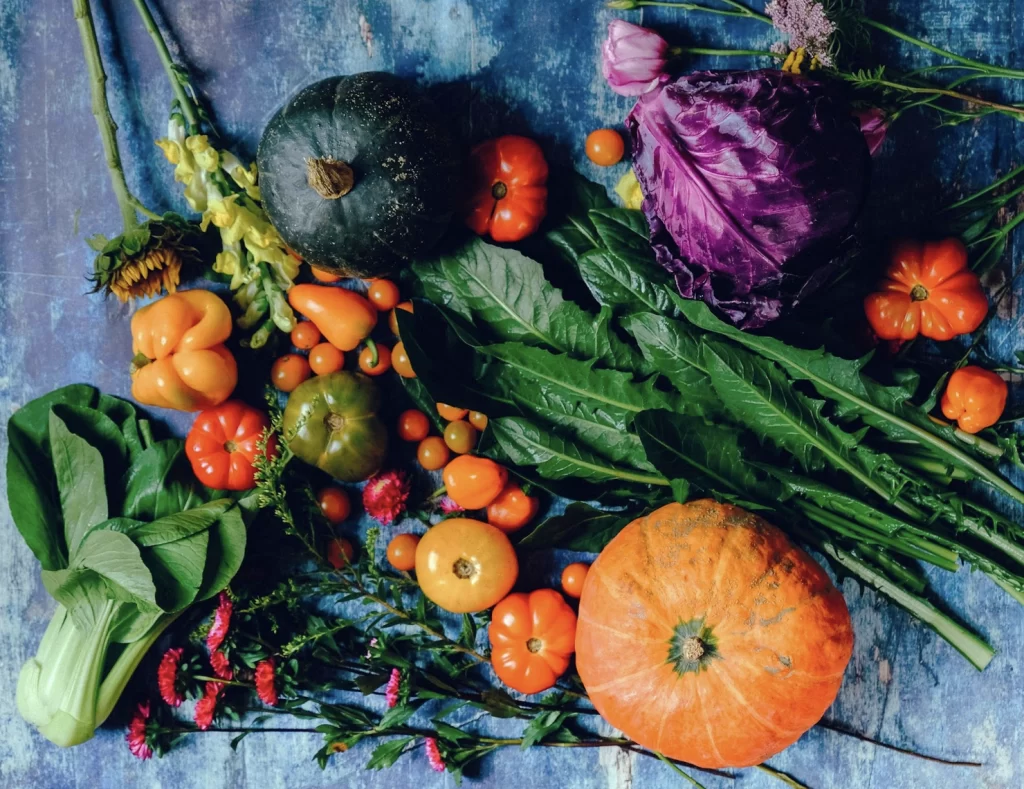
Ingredients: Large leafy greens (spinach, kale), grated carrots, sliced bell peppers, fresh cilantro, and hummus or tahini.
Preparation: Spread hummus on a leaf, add vegetables and herbs, roll tightly, and serve.
Flavor Profile: Fresh, crunchy, and aromatic.
Nutritional Value: Fiber, vitamin A, vitamin C, antioxidants, and plant protein from hummus.
Creative Twist: Sprinkle sesame seeds or crushed nuts for added texture.
6. Zucchini and Carrot Fritters
Ingredients: Grated zucchini, carrots, chickpea flour, salt, pepper, and fresh herbs (parsley or chives).
Preparation: Mix vegetables with chickpea flour, season, form small patties, and pan-fry lightly in minimal oil.
Flavor Profile: Savory, tender, and slightly crispy.
Nutritional Value: Fiber, protein, vitamins, and antioxidants.
Creative Twist: Serve with a mint-yogurt dip for extra flavor.
7. Fruit and Herb Skewers
Ingredients: Grapes, melon, strawberries, fresh mint leaves, and lemon zest.
Preparation: Thread fruit and mint onto skewers, drizzle lightly with lemon juice, and chill before serving.
Flavor Profile: Sweet, refreshing, and slightly tangy.
Nutritional Value: Vitamin C, fiber, antioxidants, and hydration.
Creative Twist: Sprinkle a small amount of finely chopped basil for a unique flavor.
Tips for Healthy Garden-Based Snacks
- Prioritize Freshness: Use recently harvested produce to maximize nutrients.
- Minimal Added Fats and Sugar: Highlight natural flavors instead of overpowering them.
- Balance Texture and Color: Combine crunchy, soft, and colorful ingredients for visual and sensory appeal.
- Herbs for Flavor: Use fresh herbs to enhance taste without adding sodium or calories.
- Batch Preparation: Prepare vegetables and dips in advance for convenience.
- Seasonal Variety: Rotate produce according to season for variety and optimal nutrients.
Health and Culinary Benefits
Using garden produce for snacks provides numerous advantages:
- Nutrient-Dense: High in vitamins, minerals, antioxidants, and fiber.
- Low-Calorie Options: Fresh fruits and vegetables provide satiety without excess calories.
- Hydrating: High water content helps maintain hydration.
- Encourages Plant-Based Eating: Supports vegetarian and vegan diets.
- Visually Appealing: Bright colors, varied textures, and garnishes increase appeal and enjoyment.
Garden produce snacks encourage healthy eating habits while offering a convenient, flavorful alternative to processed foods.
Discussion
Healthy snacks made from garden produce demonstrate the potential of simple, natural ingredients to provide nourishment, flavor, and convenience. By focusing on fresh fruits, vegetables, and herbs, individuals can create snacks that are nutritionally balanced, visually appealing, and satisfying.
These snacks are adaptable, catering to individual preferences, seasonal availability, and dietary restrictions. Additionally, using homegrown produce promotes sustainable practices, reduces reliance on packaged foods, and fosters a deeper appreciation for the origin and quality of ingredients. Creative combinations, such as roasted vegetables, fresh smoothies, and herb-infused dips, show that minimal processing can result in maximum flavor and health benefits.
Conclusion
Healthy snacks using garden produce are simple, nutritious, and versatile options for daily consumption. By selecting fresh vegetables, fruits, and herbs, and applying basic preparation techniques, individuals can create snacks that are flavorful, visually appealing, and nutrient-rich.
From raw veggie sticks with herb dips to fruit skewers and vegetable fritters, garden-based snacks encourage plant-based eating, sustainability, and mindful nutrition. These snacks not only enhance health but also cultivate a connection to homegrown produce, seasonal eating, and creative cooking.
Ultimately, utilizing garden produce for healthy snacks demonstrates how fresh, natural ingredients can be transformed into convenient, delicious, and health-promoting options, making snacking a joyful and nourishing experience.