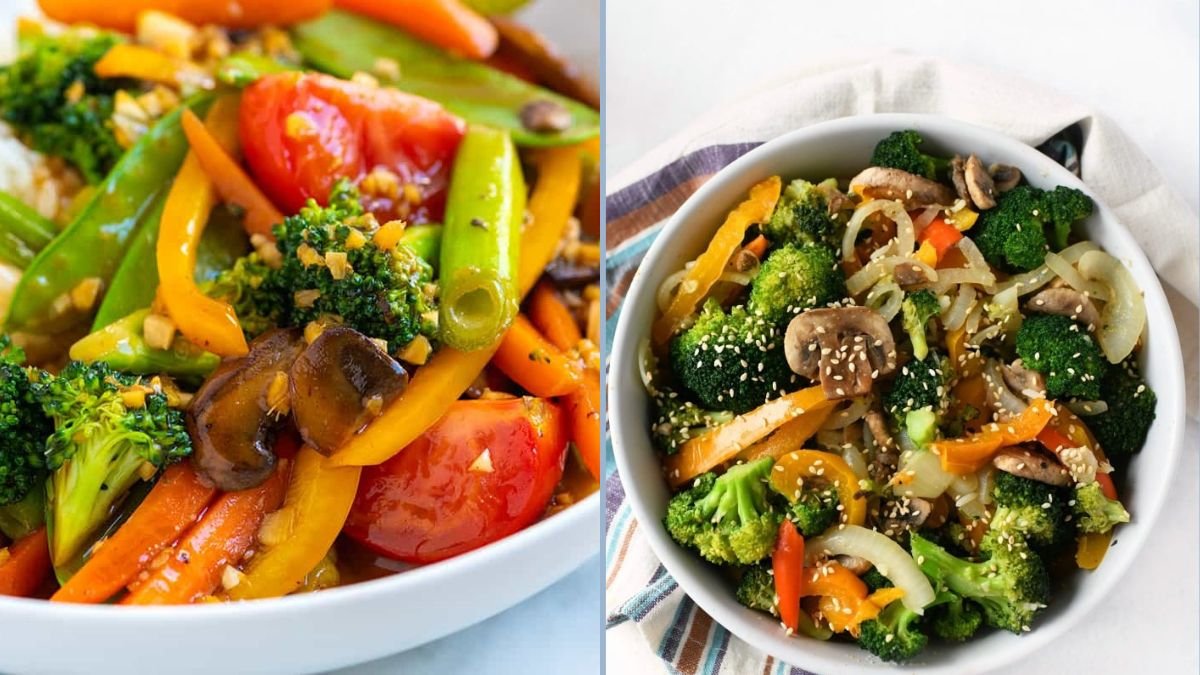
Vegetable stir-fry is a quick, nutritious, and versatile cooking method that maximizes flavor while preserving nutrients. Focusing on minimal ingredients, this paper explores the preparation of simple, wholesome, vegetarian stir-fries that rely on fresh vegetables, basic seasonings, and a few essential cooking elements. Emphasis is placed on ingredient selection, preparation techniques, flavor balancing, and nutritional benefits. The study demonstrates that even with a limited number of ingredients, vegetable stir-fries can be flavorful, visually appealing, and nutritionally dense, offering a practical and healthful option for daily meals.
Introduction
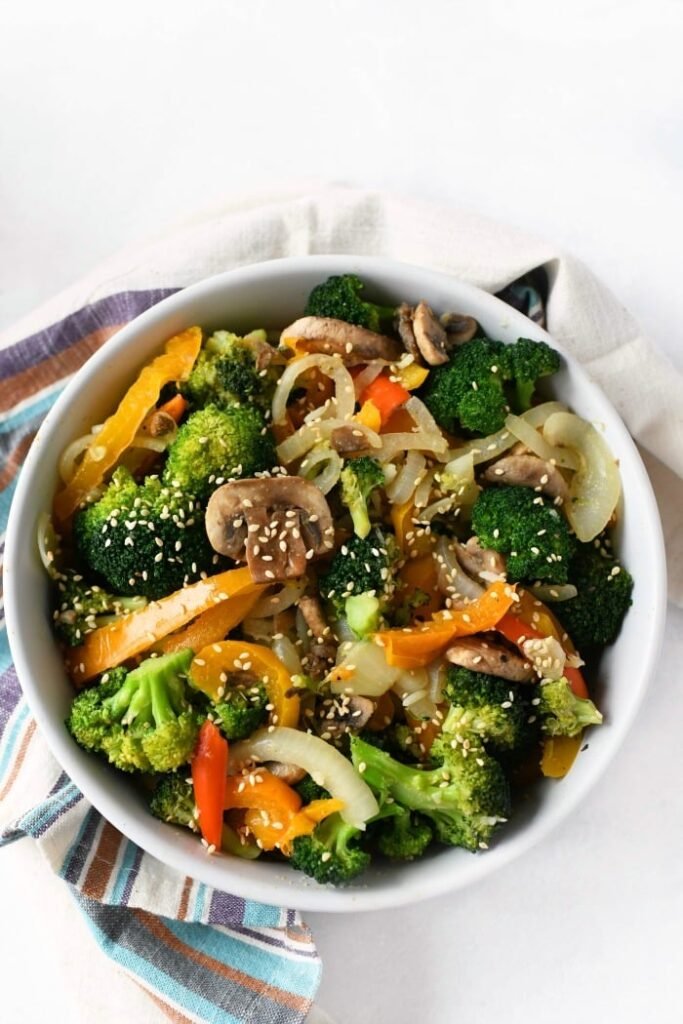
Stir-frying is a rapid cooking method that preserves the texture, color, and nutritional value of vegetables. It originated in East Asia and has gained global popularity due to its speed, simplicity, and versatility. Vegetable stir-fry is especially suitable for vegetarian diets, as it allows for the incorporation of diverse vegetables while minimizing the need for added fats or complex ingredients.
While elaborate stir-fry recipes often include numerous sauces, oils, and seasonings, a minimal-ingredient approach emphasizes freshness, natural flavors, and nutritional content. This approach is practical for busy households, reduces cooking time, minimizes food waste, and highlights the intrinsic flavors of vegetables.
This paper examines the principles of creating vegetable stir-fries with minimal ingredients, including ingredient selection, preparation techniques, cooking methods, and nutritional insights.
Nutritional Benefits of Vegetable Stir-Fry
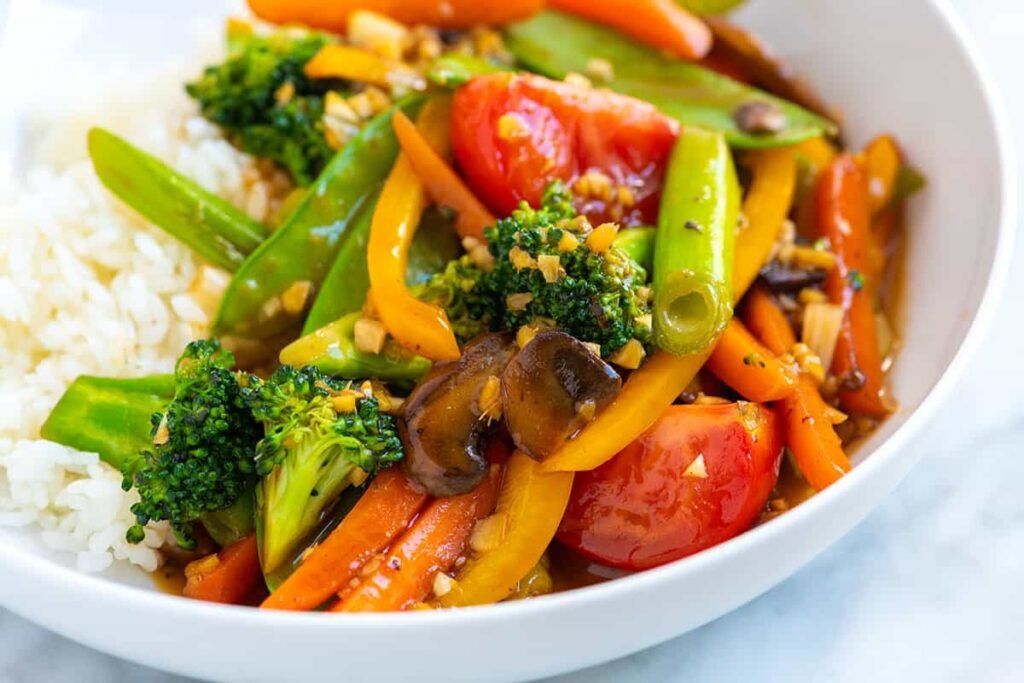
Vegetable stir-fries provide significant health benefits, particularly when prepared with fresh, minimally processed ingredients:
- Rich in Vitamins and Minerals: Vegetables supply vitamin A, vitamin C, potassium, and magnesium.
- High in Dietary Fiber: Supports digestion, satiety, and gut health.
- Low-Calorie Meal: Minimal oil use and no processed ingredients make it suitable for weight-conscious diets.
- Antioxidants and Phytonutrients: Fresh vegetables provide protective compounds that reduce oxidative stress.
- Versatile Protein Addition: Plant-based protein sources, such as tofu or tempeh, can be incorporated without compromising minimal-ingredient simplicity.
A minimal-ingredient stir-fry balances taste, health, and simplicity, making it ideal for daily consumption.
Selecting Vegetables
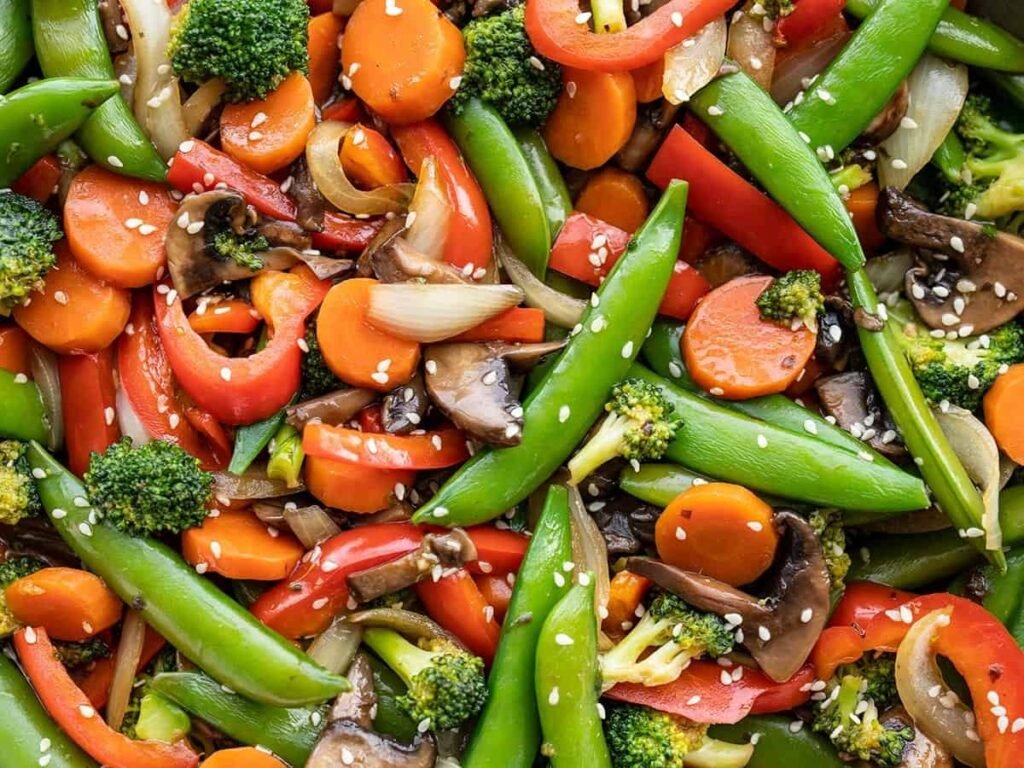
Key to a successful minimal-ingredient stir-fry is choosing vegetables with complementary textures, flavors, and cooking times:
- Leafy Greens: Spinach, bok choy, kale — tender, quick-cooking, and nutrient-rich.
- Cruciferous Vegetables: Broccoli, cauliflower, or cabbage — add crunch and antioxidants.
- Root Vegetables: Carrots, radish, or turnips — slightly sweet and crunchy.
- Peppers and Onions: Provide sweetness, color, and aroma.
- Seasonal Vegetables: Utilize available homegrown or locally sourced produce for freshness and flavor.
Balancing textures (crunchy vs. tender) and flavors (sweet, earthy, slightly bitter) enhances the overall stir-fry experience.
Essential Minimal Ingredients
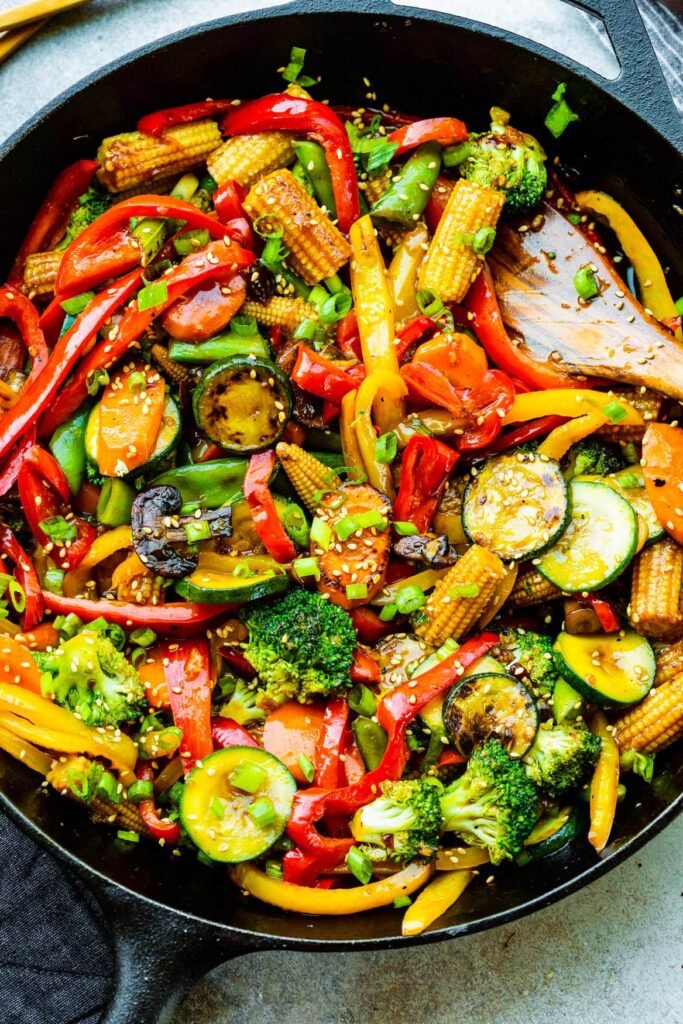
A successful minimal-ingredient stir-fry can be achieved using the following essentials:
- Fresh Vegetables: The core of the dish.
- Oil: Olive oil, sesame oil, or neutral vegetable oil for cooking.
- Seasoning: Salt and black pepper to enhance natural flavors.
- Aromatics (Optional): Garlic, ginger, or onion for subtle depth without complicating the dish.
- Acid (Optional): Lemon juice or a splash of vinegar to brighten flavors.
These few ingredients provide versatility, simplicity, and ease of preparation.
Preparation Techniques
- Wash and Chop Vegetables: Cut vegetables uniformly for even cooking.
- Preheat Pan or Wok: Medium-high heat ensures quick cooking and minimal oil absorption.
- Layer Vegetables: Add harder vegetables (carrots, broccoli) first, followed by tender greens (spinach, bok choy).
- Minimal Oil: Use just enough oil to prevent sticking; stir frequently for even cooking.
- Seasoning: Add salt, pepper, or simple aromatics at the end to preserve freshness.
- Optional Garnish: Sprinkle herbs, sesame seeds, or lemon juice before serving.
Proper technique ensures vegetables retain color, crispness, and nutritional value.
1. Classic Garlic Vegetable Stir-Fry
Ingredients: Broccoli, carrots, bell peppers, olive oil, garlic, salt, and black pepper.
Preparation: Preheat oil in a pan, sauté minced garlic briefly, add chopped vegetables, and stir-fry 5–7 minutes until tender-crisp. Season with salt and pepper.
Flavor Profile: Sweet, savory, with aromatic garlic notes.
Nutritional Value: High in vitamins A, C, potassium, and antioxidants.
Creative Twist: Add a sprinkle of sesame seeds for crunch and flavor.
2. Ginger and Bok Choy Stir-Fry
Ingredients: Bok choy, carrots, ginger, olive oil, salt, and pepper.
Preparation: Heat oil, sauté grated ginger for aroma, add chopped bok choy and carrot slices, stir-fry 4–6 minutes until greens wilt. Season with salt and pepper.
Flavor Profile: Mildly sweet, aromatic, with subtle warmth from ginger.
Nutritional Value: Vitamin K, vitamin C, fiber, and antioxidants.
Creative Twist: Add a drizzle of lemon juice for a fresh finish.
3. Rainbow Bell Pepper Stir-Fry
Ingredients: Red, yellow, and green bell peppers, onion, olive oil, salt, and pepper.
Preparation: Slice peppers and onions evenly. Heat oil, stir-fry onions for 1–2 minutes, add peppers, cook 4–5 minutes. Season at the end.
Flavor Profile: Sweet, crunchy, colorful, and aromatic.
Nutritional Value: Rich in vitamin C, carotenoids, and fiber.
Creative Twist: Add a dash of smoked paprika for smoky undertones.
4. Simple Spinach and Zucchini Stir-Fry
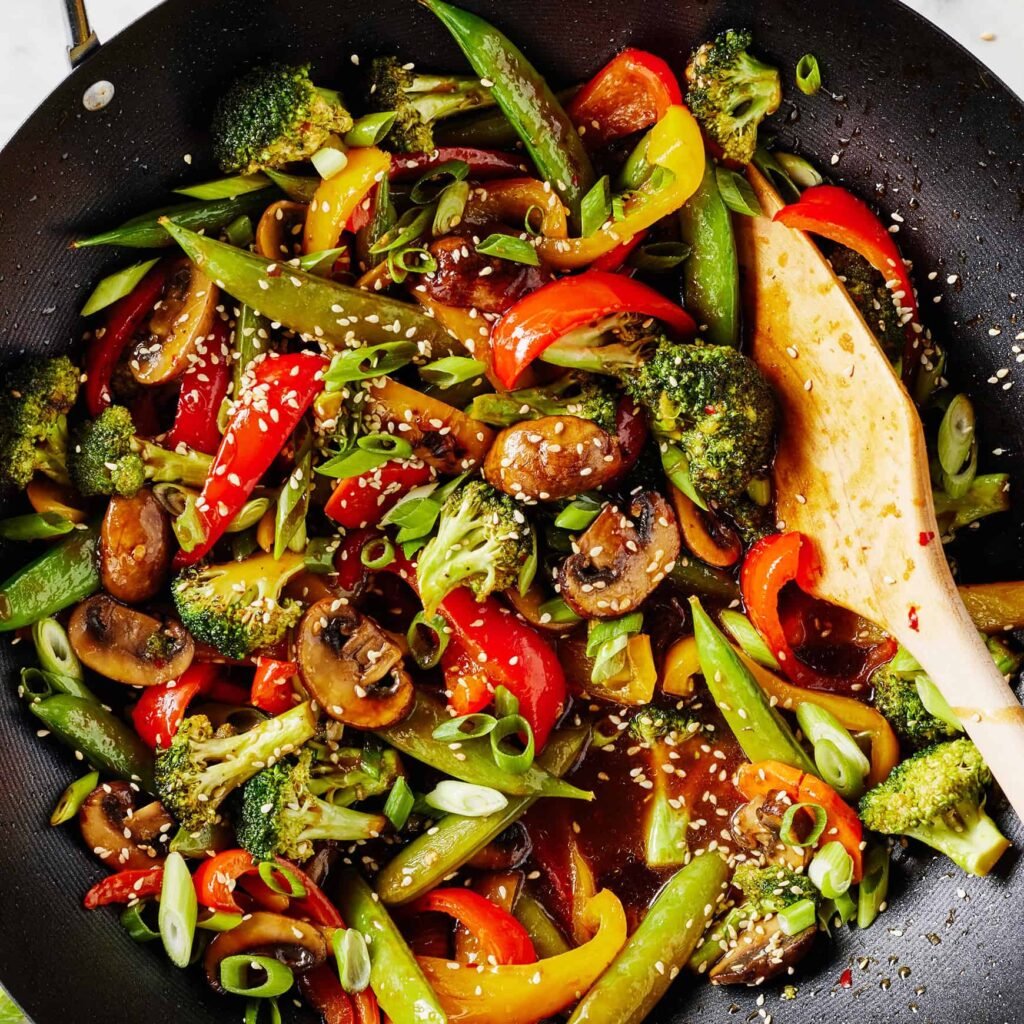
Ingredients: Spinach, zucchini, olive oil, garlic, salt, and pepper.
Preparation: Heat oil, sauté garlic, add sliced zucchini and cook 3–4 minutes, fold in spinach until wilted. Season to taste.
Flavor Profile: Fresh, slightly earthy, with tender greens and soft zucchini.
Nutritional Value: Vitamin A, vitamin C, folate, and dietary fiber.
Creative Twist: Top with crushed almonds for texture.
5. Minimalist Mushroom Stir-Fry
Ingredients: Button mushrooms, onions, olive oil, salt, and black pepper.
Preparation: Heat oil, sauté onions until translucent, add mushrooms, stir-fry 5–6 minutes until lightly browned. Season at the end.
Flavor Profile: Earthy, savory, and tender.
Nutritional Value: Provides potassium, B-vitamins, antioxidants, and fiber.
Creative Twist: Add a sprinkle of fresh parsley for color and flavor.
Tips for Successful Minimal Ingredient Stir-Fries
- High Heat, Quick Cooking: Preserves color, texture, and nutrients.
- Uniform Chopping: Ensures even cooking of all vegetables.
- Minimal Oil: Reduces calorie content while enhancing natural flavors.
- Simple Seasoning: Let vegetable flavors shine; avoid overpowering sauces.
- Experimentation: Mix seasonal vegetables, aromatics, and garnishes.
- Serving: Pair with rice, quinoa, or noodles for a complete meal.
Health and Culinary Benefits
Vegetable stir-fries with minimal ingredients offer multiple advantages:
- Nutrient-Rich: Vitamins, minerals, fiber, and antioxidants preserved through quick cooking.
- Low-Calorie: Suitable for weight-conscious diets without compromising flavor.
- Quick and Convenient: Ideal for busy lifestyles and weeknight meals.
- Versatile: Complements grains, legumes, or standalone as a light meal.
- Plant-Based Diet-Friendly: Fully vegetarian, highlighting seasonal vegetables and natural flavors.
These benefits make simple stir-fries an excellent choice for everyday healthful cooking.
Discussion
Minimal-ingredient vegetable stir-fries illustrate the power of simplicity in cooking. By focusing on fresh, seasonal vegetables, high-quality oil, and basic seasonings, cooks can create dishes that are flavorful, visually appealing, and nutritionally balanced.
This approach encourages mindful eating, reduces reliance on processed sauces or additives, and highlights the natural taste and texture of vegetables. Even without elaborate ingredients, a well-prepared stir-fry can be satisfying, versatile, and adaptable to personal dietary needs. The flexibility of stir-frying also allows integration with grains, legumes, or plant-based proteins, creating complete, balanced meals.
Conclusion
Vegetable stir-fry with minimal ingredients exemplifies the combination of speed, health, and culinary simplicity. By selecting fresh vegetables, using essential seasonings, and employing proper cooking techniques, anyone can prepare a nutrient-rich, flavorful, and visually appealing meal in under 15 minutes.
From garlic-infused broccoli and carrot mixes to rainbow bell pepper medleys or mushroom stir-fries, minimal ingredients do not limit flavor or creativity. Instead, they encourage cooks to appreciate the natural flavors and textures of vegetables while promoting plant-based nutrition.
Ultimately, simple vegetable stir-fries are practical, healthful, and versatile meals that demonstrate how minimal ingredients can yield maximum taste, efficiency, and nutritional value in vegetarian cooking.