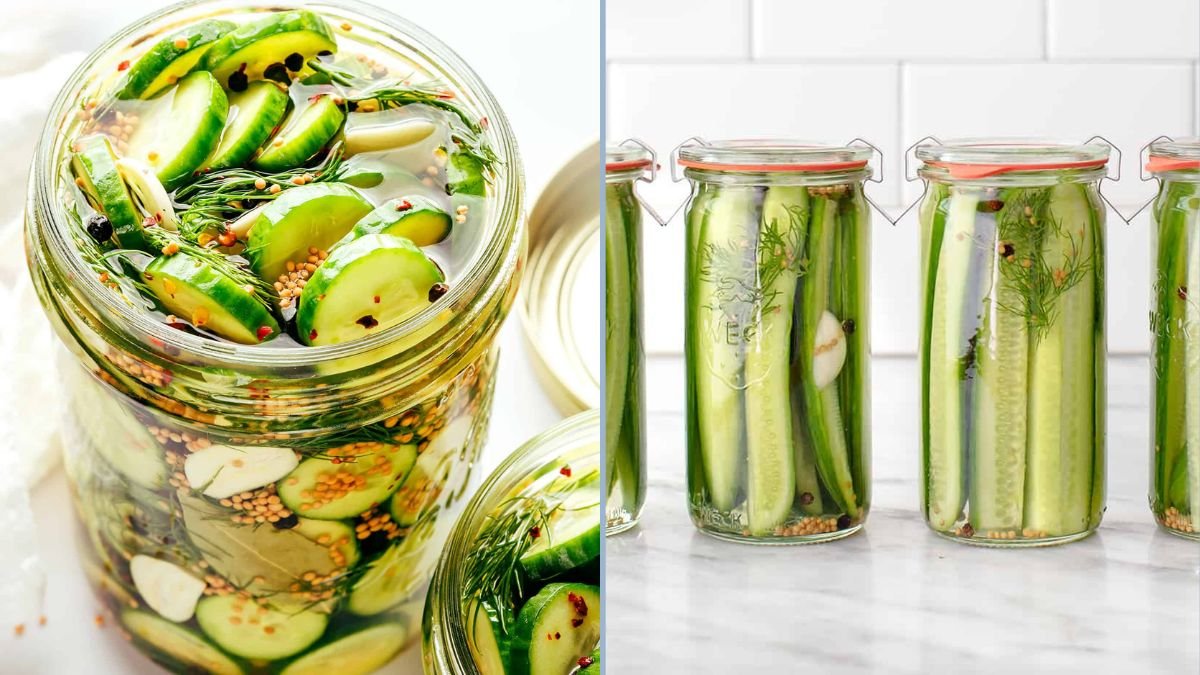
Quick pickling, also known as refrigerator pickling, is a fast, simple, and versatile method to preserve and enhance the flavor of fresh cucumbers. Unlike traditional fermented pickles, quick pickles require minimal time, retain crispness, and allow for experimentation with herbs, spices, and seasonings. This paper explores the preparation of quick pickles using homegrown cucumbers, emphasizing vegetarian, plant-based ingredients. It highlights ingredient selection, pickling techniques, flavor variations, nutritional benefits, and storage tips. The study demonstrates that quick pickling transforms fresh cucumbers into flavorful, healthful accompaniments suitable for a variety of meals.
Introduction
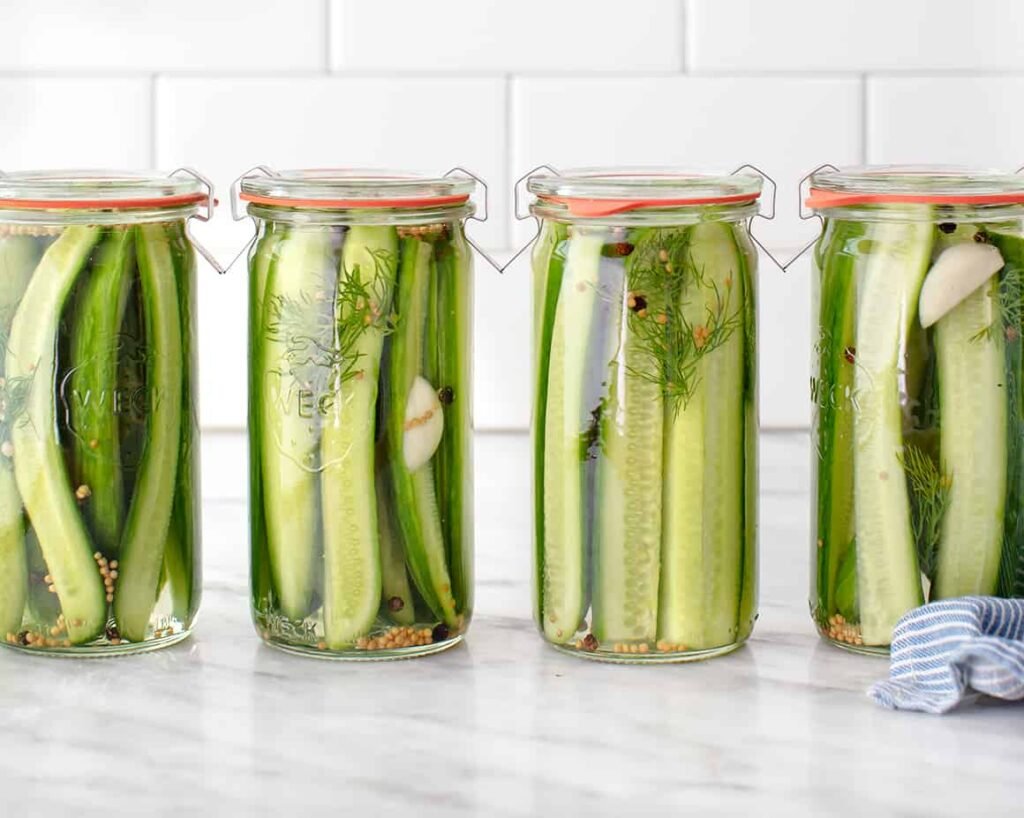
Pickling is an ancient culinary practice used to preserve vegetables and enhance flavor. While traditional fermentation can take weeks, quick pickling offers a faster alternative, using vinegar, salt, and seasonings to create crisp, tangy pickles in hours or days.
Cucumbers are particularly suited for quick pickling due to their firm texture, mild flavor, and natural water content. When combined with aromatic herbs and spices, they become versatile condiments that complement salads, sandwiches, grains, and snack plates.
Home-prepared quick pickles are superior to commercial varieties in flavor, freshness, and nutritional content. They allow for experimentation with herbs, spices, and vinegars, ensuring that the final product reflects personal taste and dietary preferences. This paper examines the process of making quick cucumber pickles at home, focusing on techniques, flavor combinations, and health benefits while maintaining a strictly vegetarian approach.
Nutritional Benefits of Quick Pickles
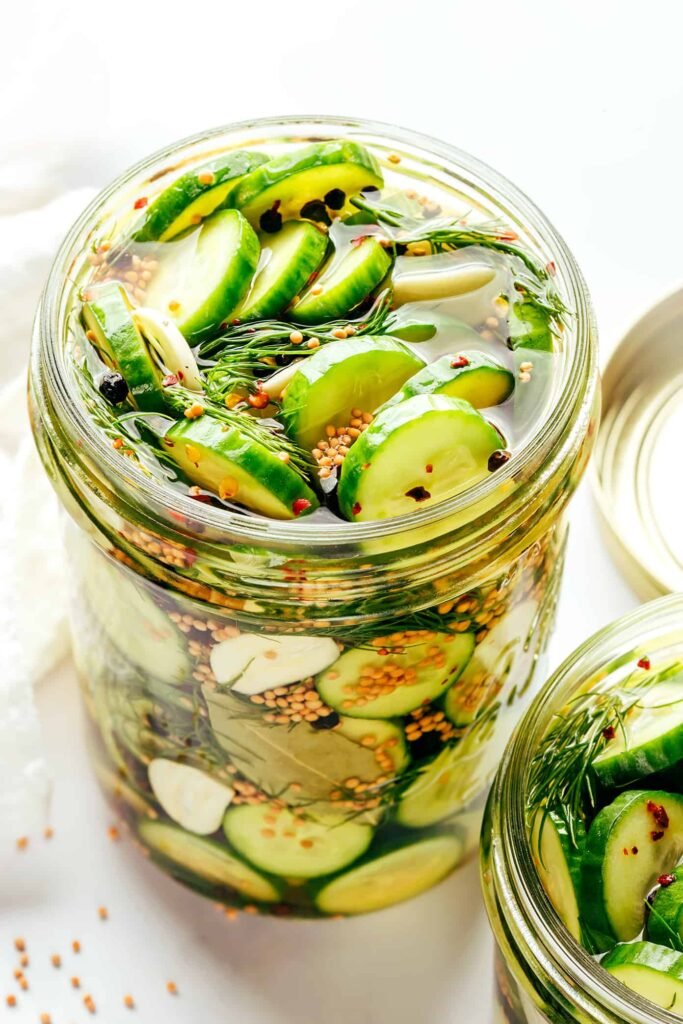
Quick pickles provide both flavor and nutrition, especially when made with fresh, homegrown cucumbers:
- Low in Calories: Cucumbers and vinegar contribute minimal calories, making pickles a healthy snack.
- Rich in Vitamins: Cucumbers provide vitamin K, vitamin C, and potassium.
- Hydration: High water content helps maintain hydration and contributes to satiety.
- Phytonutrients: Herbs and spices such as dill, garlic, and mustard seeds add antioxidants and bioactive compounds.
- Digestive Support: Vinegar and herbs aid digestion and enhance nutrient absorption.
Quick pickles combine taste, texture, and nutrition, making them a valuable addition to vegetarian meals.
Selecting Cucumbers
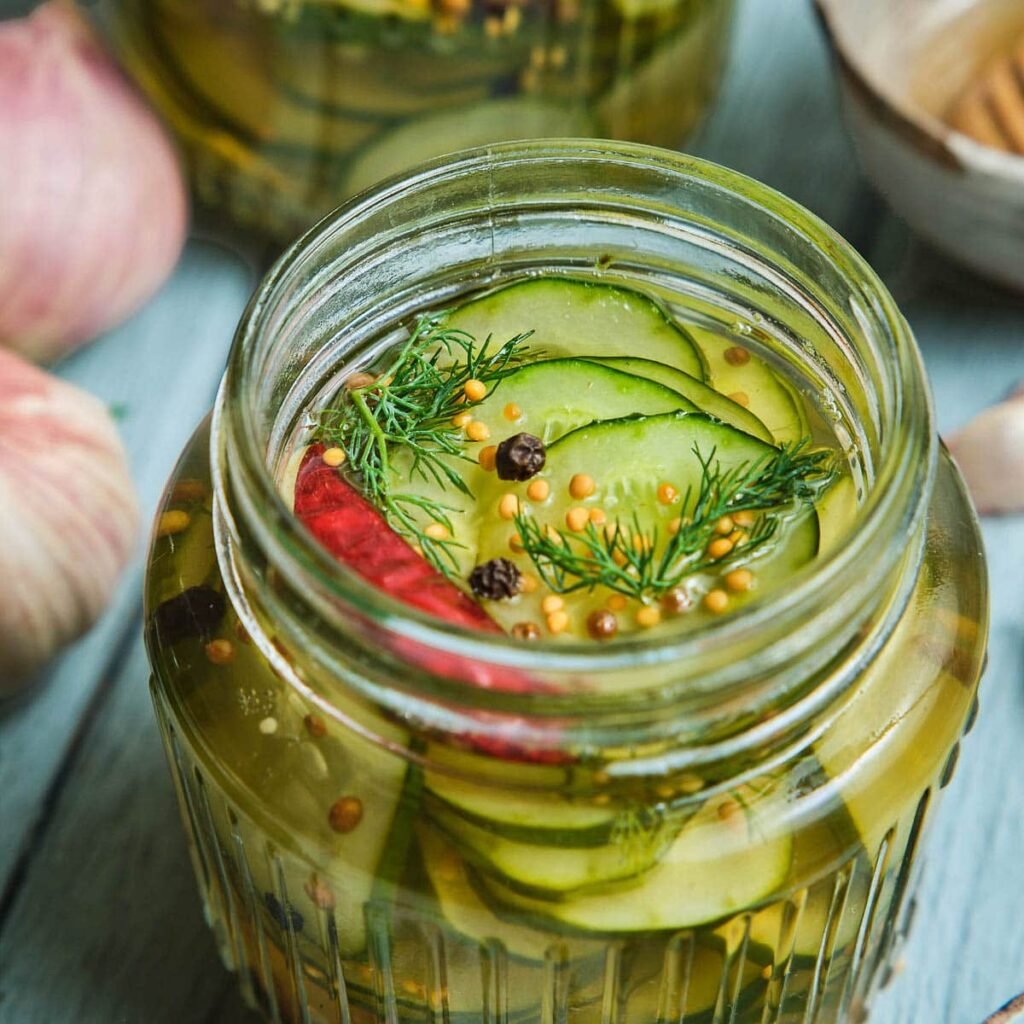
The type and quality of cucumbers influence the flavor and texture of pickles:
- Pickling Cucumbers: Short, firm, and thin-skinned varieties maintain crispness during pickling.
- Homegrown or Fresh Cucumbers: Provide optimal flavor, fewer pesticides, and higher nutrient content.
- Size Matters: Medium-sized cucumbers (4–6 inches) are ideal for uniform pickling.
- Preparation: Wash thoroughly, trim ends, and slice or leave whole depending on desired pickle style.
Proper selection ensures pickles remain crisp, flavorful, and visually appealing.
Basic Ingredients for Quick Pickles
- Vinegar: White vinegar, apple cider vinegar, or rice vinegar for acidity and preservation.
- Water: Dilutes vinegar to desired acidity, balancing sharpness.
- Salt: Enhances flavor and acts as a preservative. Use kosher or sea salt.
- Sweetener (Optional): Honey, sugar, or maple syrup can balance acidity.
- Herbs: Dill, parsley, cilantro, or thyme for aroma and flavor.
- Spices: Mustard seeds, peppercorns, coriander seeds, or chili flakes for heat and complexity.
- Aromatics: Garlic, ginger, or onions add depth.
These ingredients can be combined in various ratios to create unique flavor profiles while maintaining vegetarian principles.
Preparation Techniques
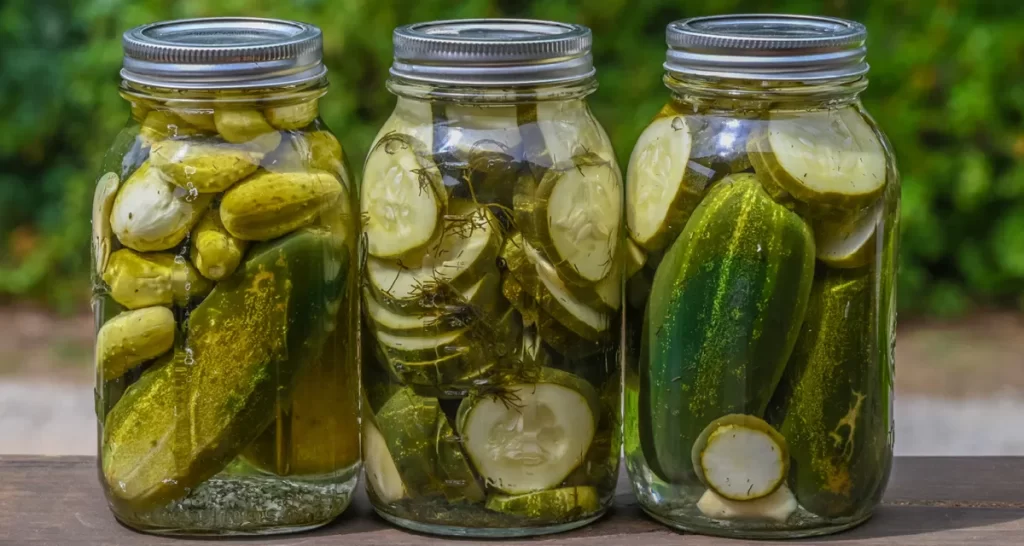
- Sterilize Jars: Clean jars thoroughly to extend shelf life.
- Prepare Brine: Combine vinegar, water, salt, and optional sweetener in a saucepan; bring to a boil.
- Pack Cucumbers: Arrange sliced or whole cucumbers in jars with herbs, spices, and aromatics.
- Pour Brine: Pour hot brine over cucumbers, ensuring they are fully submerged.
- Cool and Refrigerate: Let jars cool to room temperature, then refrigerate. Quick pickles are ready in 2–24 hours depending on flavor intensity.
- Adjust Flavors: Taste after a few hours and add additional spices or herbs if desired.
Following these steps ensures crisp, flavorful pickles without the need for long fermentation periods.
1. Classic Dill Quick Pickles
Ingredients: Cucumbers, white vinegar, water, salt, fresh dill, garlic cloves, black peppercorns.
Preparation: Combine vinegar, water, and salt for brine; pack cucumbers with dill, garlic, and peppercorns; pour brine, cool, and refrigerate.
Flavor Profile: Tangy, crisp, and aromatic with prominent dill flavor.
Nutritional Value: High in vitamin K, antioxidants, and hydrating properties.
Serving Suggestions: Pair with sandwiches, salads, or grain bowls.
2. Spicy Garlic Pickles
Ingredients: Cucumbers, apple cider vinegar, water, salt, garlic, chili flakes, coriander seeds.
Preparation: Combine vinegar, water, and salt; add garlic and spices to jar; pack cucumbers and pour brine; refrigerate 24 hours.
Flavor Profile: Tangy, garlicky, with a spicy kick.
Nutritional Value: Supports digestion, rich in antioxidants, low in calories.
Creative Twist: Add thinly sliced red onions for extra flavor.
3. Sweet and Sour Pickles
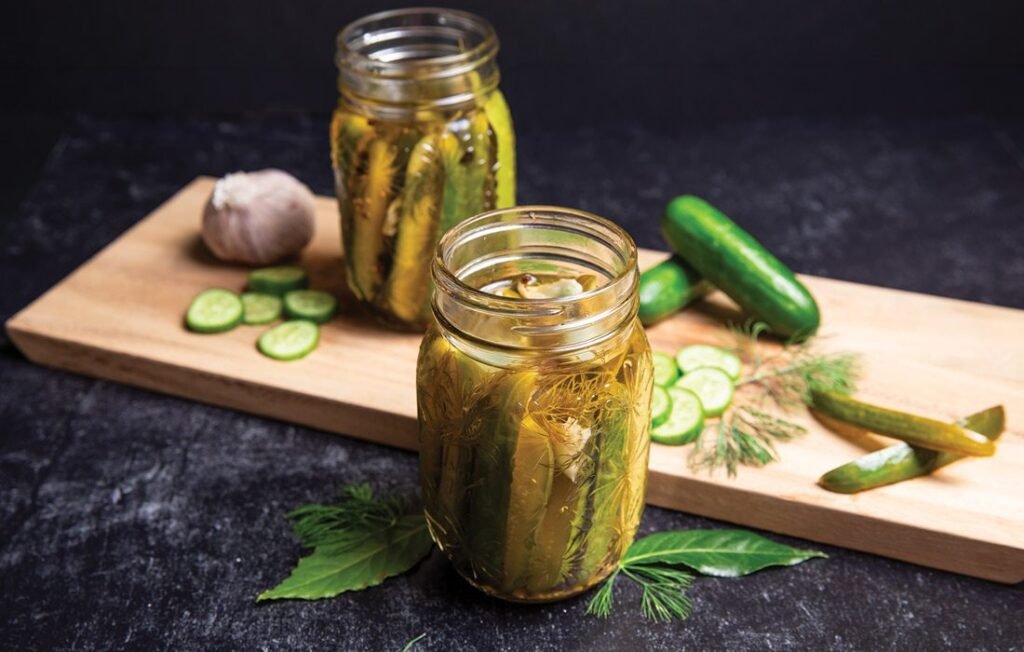
Ingredients: Cucumbers, rice vinegar, water, salt, sugar or maple syrup, mustard seeds, fresh thyme.
Preparation: Heat vinegar, water, salt, and sweetener until dissolved; pack cucumbers and herbs; pour hot brine; refrigerate.
Flavor Profile: Balanced sweetness and acidity with aromatic thyme notes.
Nutritional Value: Provides vitamin C, antioxidants, and hydrating fiber.
Serving Suggestions: Enjoy with roasted vegetables, sandwiches, or as a snack.
4. Herb and Lemon Pickles
Ingredients: Cucumbers, white vinegar, water, salt, lemon slices, fresh basil, parsley, and black peppercorns.
Preparation: Combine vinegar, water, and salt; pack cucumbers with lemon slices and herbs; pour brine and refrigerate.
Flavor Profile: Refreshing, tangy, and herbaceous with citrus aroma.
Nutritional Value: Vitamin C-rich, hydrating, antioxidant benefits from herbs.
Creative Twist: Add a small pinch of turmeric for color and mild earthy flavor.
5. Mixed Vegetable Quick Pickles
Ingredients: Cucumbers, carrots, bell peppers, onions, white vinegar, water, salt, dill, mustard seeds, and chili flakes.
Preparation: Slice vegetables evenly; prepare brine; pack vegetables and herbs into jars; pour brine; refrigerate.
Flavor Profile: Colorful, crisp, tangy, and mildly spicy.
Nutritional Value: Provides fiber, vitamins A and C, antioxidants, and phytonutrients.
Serving Suggestions: Serve as a side dish, snack, or addition to grain bowls.
Tips for Perfect Quick Pickles
- Maintain Crispness: Use firm cucumbers; blanching is not necessary.
- Flavor Balance: Adjust sweetener and acidity according to taste.
- Experiment with Herbs: Basil, cilantro, thyme, or rosemary create unique profiles.
- Storage: Keep in airtight jars in the refrigerator; consume within 2–4 weeks.
- Layer Flavors: Add garlic, spices, and citrus slices for aroma and complexity.
- Slice Thickness: Thin slices absorb brine quickly; thicker slices provide longer-lasting crunch.
Health and Culinary Benefits
Quick pickles provide multiple advantages:
- Nutrient-Rich Snack: Low-calorie, hydrating, and vitamin-rich.
- Digestive Support: Vinegar and spices aid gut health and nutrient absorption.
- Convenience: Ready within hours; ideal for busy households.
- Culinary Versatility: Complements salads, sandwiches, grain bowls, and snacks.
- Sustainable and Fresh: Encourages the use of homegrown cucumbers and herbs.
Quick pickles transform simple vegetables into flavorful, healthful accompaniments that enhance meals while promoting plant-based eating.
Discussion
Quick cucumber pickles illustrate how traditional preservation methods can be adapted for modern convenience while maintaining health and flavor. Using fresh cucumbers and herbs from a home garden maximizes nutritional value, flavor, and aroma. The flexibility of brine ratios, herbs, and spices allows for experimentation, catering to individual taste preferences while remaining fully vegetarian.
Unlike long-term fermentation, quick pickling preserves the crispness of cucumbers and creates ready-to-eat pickles in hours or days. They serve as versatile additions to meals, snacks, and even gift jars, showcasing creativity, sustainability, and culinary innovation.
Conclusion
Quick pickles made from homegrown cucumbers are a practical, flavorful, and nutritious addition to vegetarian meals. By selecting firm cucumbers, using fresh herbs, and experimenting with spices and flavorings, cooks can create crisp, tangy, and aromatic pickles in hours rather than weeks.
From classic dill to spicy garlic, sweet and sour, or herb-infused variations, the possibilities are extensive. Quick pickles promote healthy snacking, enhance meals, and encourage sustainable, home-based cooking practices.
Ultimately, quick cucumber pickles exemplify how simple, fresh ingredients can be transformed into versatile, delicious, and health-promoting accompaniments, demonstrating the intersection of convenience, nutrition, and culinary creativity in vegetarian cuisine.