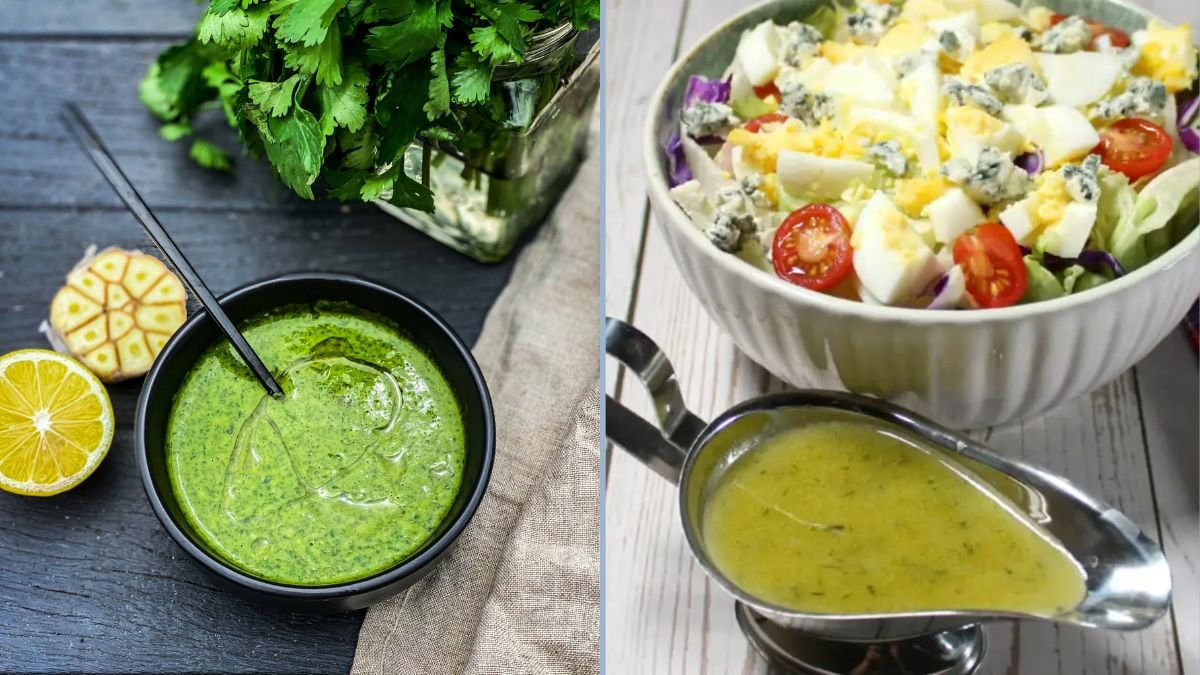
Salad dressings are essential components of fresh salads, enhancing flavor, texture, and nutritional value. Incorporating fresh herbs into dressings elevates the taste while providing antioxidants, vitamins, and phytonutrients. This paper explores the preparation of salad dressings using homegrown or fresh herbs, emphasizing vegetarian options, natural ingredients, and creative flavor combinations. Techniques for combining herbs with oils, acids, and seasonings are discussed, along with tips for maximizing freshness and balance. The study highlights the health benefits, culinary versatility, and aesthetic appeal of herb-based dressings, demonstrating their ability to transform simple salads into nutrient-rich, flavorful meals.
Introduction
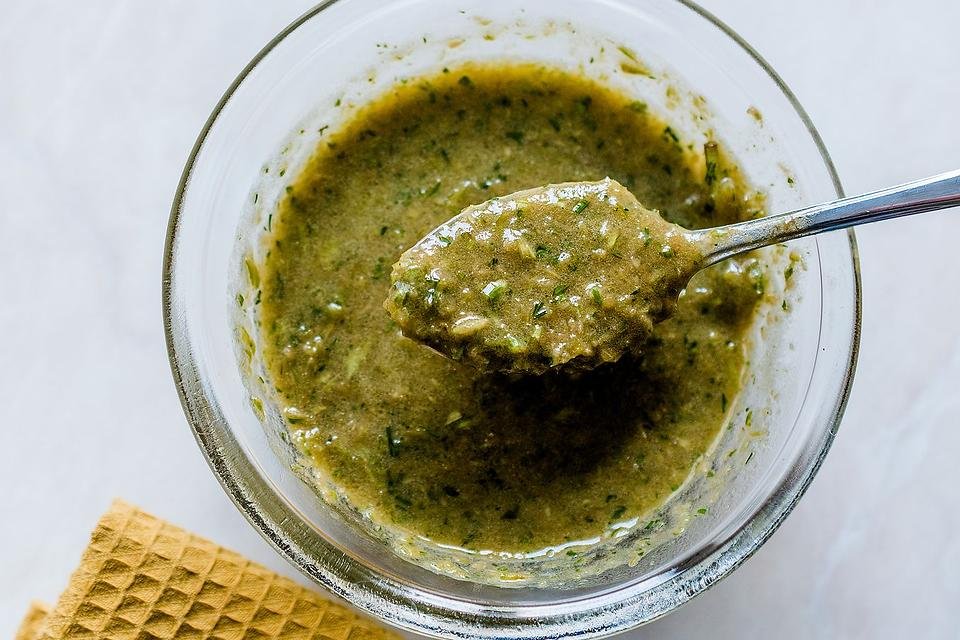
Salads are a staple in health-conscious diets, offering a variety of textures, colors, and nutrients. However, the quality of a salad often depends on its dressing. Traditional dressings frequently rely on processed ingredients, excess salt, sugar, or commercial sauces. By using fresh herbs, home cooks can craft dressings that are flavorful, nutrient-dense, and customizable.
Herbs such as basil, parsley, cilantro, mint, dill, and chives impart aroma, taste, and color to salad dressings. They also provide antioxidants and essential vitamins, enhancing the overall nutritional profile of a meal. Fresh herb dressings can be vinaigrettes, creamy plant-based blends, or emulsions, tailored to complement a wide range of vegetables, grains, and legumes.
This paper focuses on creative, vegetarian salad dressings using fresh herbs, discussing preparation techniques, ingredient selection, flavor combinations, nutritional benefits, and practical applications for everyday meals.
Nutritional Benefits of Herb-Based Dressings
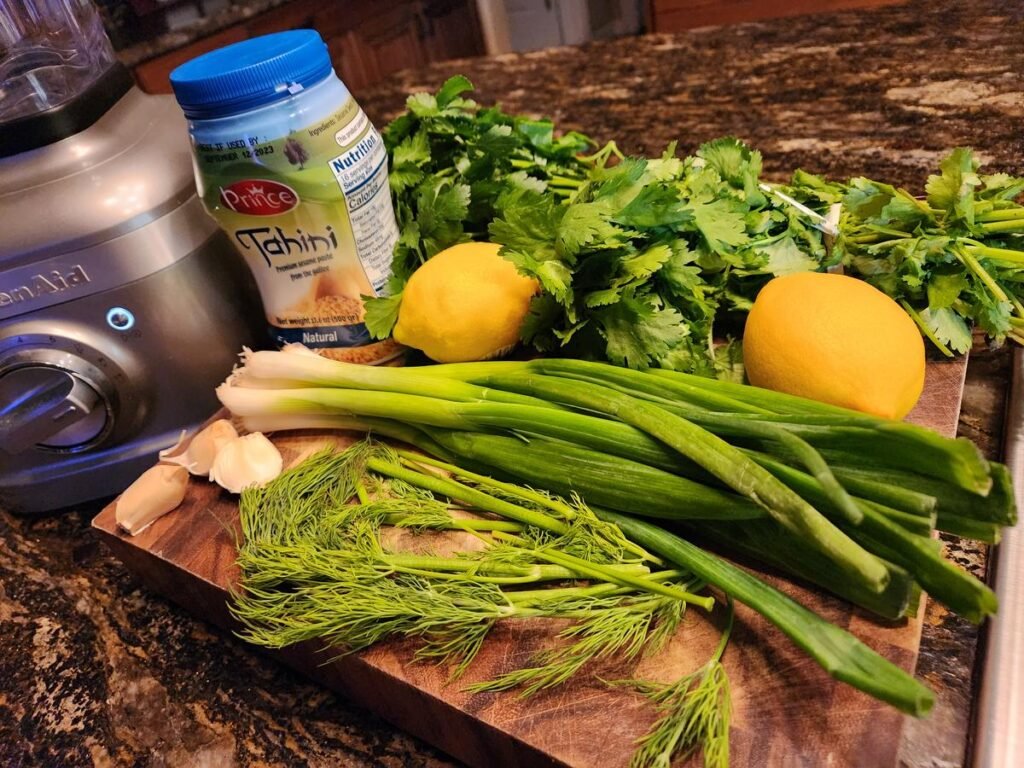
Incorporating fresh herbs into salad dressings provides numerous health advantages:
- Antioxidant-Rich: Herbs contain flavonoids, carotenoids, and polyphenols that help combat oxidative stress.
- Vitamin and Mineral Content: Basil, parsley, and cilantro supply vitamin C, vitamin K, calcium, and iron.
- Low in Calories: Fresh herb dressings can reduce the need for high-calorie sauces.
- Heart-Healthy Fats: Using olive oil or avocado oil provides monounsaturated fats beneficial for cardiovascular health.
- Digestive Support: Ingredients such as garlic, lemon juice, and herbs aid digestion and nutrient absorption.
Herb-based dressings enhance both flavor and nutritional quality, making salads more satisfying and healthful.
Selecting Fresh Herbs
The choice of herbs determines the flavor, aroma, and nutritional profile of a dressing. Popular herbs include:
- Basil: Sweet and aromatic, ideal for Italian-style vinaigrettes.
- Parsley: Bright, slightly peppery, and rich in vitamin C.
- Cilantro (Coriander): Fresh and citrusy, suitable for Latin or Asian-inspired dressings.
- Mint: Cool, refreshing, and pairs well with lemon or cucumber-based salads.
- Dill: Mildly sweet and herbaceous, perfect for creamy dressings.
- Chives: Subtle onion flavor, excellent in vinaigrettes and creamy blends.
Mixing herbs can create layered flavors, balancing sweetness, earthiness, and freshness.
Basic Components of Herb-Based Dressings
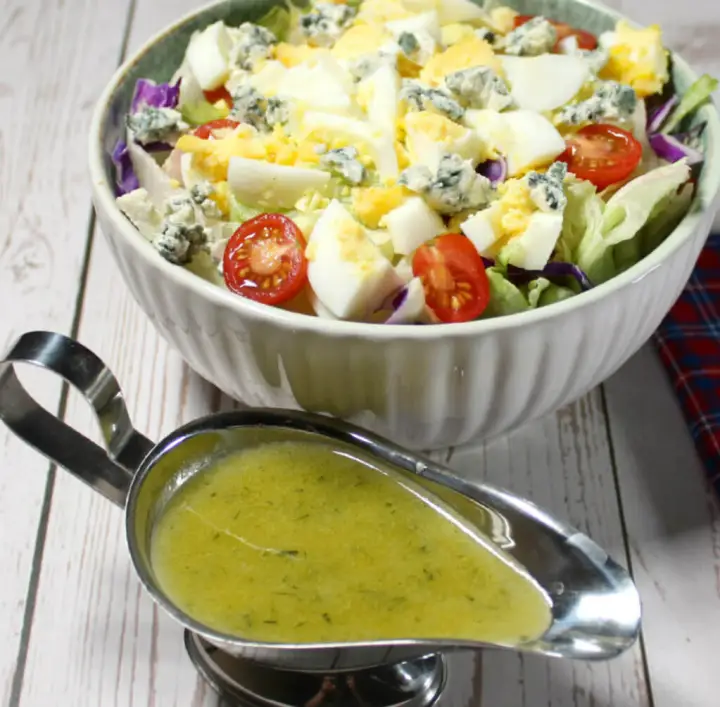
- Oils: Olive oil, avocado oil, or walnut oil for richness and smooth texture.
- Acids: Lemon juice, lime juice, apple cider vinegar, or balsamic vinegar for brightness and balance.
- Herbs: Fresh, finely chopped or pureed for maximum aroma and flavor.
- Seasoning: Salt, black pepper, garlic, or chili flakes to enhance taste.
- Optional Ingredients: Mustard, tahini, yogurt (plant-based), or maple syrup for texture, creaminess, or mild sweetness.
These components can be adjusted to create vinaigrettes, creamy dressings, or emulsions that complement various salads.
1. Classic Basil Vinaigrette
Ingredients: Fresh basil, olive oil, lemon juice, garlic, salt, and pepper.
Preparation: Blend fresh basil with garlic, olive oil, and lemon juice. Season with salt and pepper.
Flavor Profile: Sweet, aromatic, and bright with fresh herbaceous notes.
Nutritional Value: High in antioxidants, vitamins A and K, and heart-healthy fats.
Creative Twist: Add a teaspoon of maple syrup for mild sweetness.
2. Parsley and Lemon Dressing
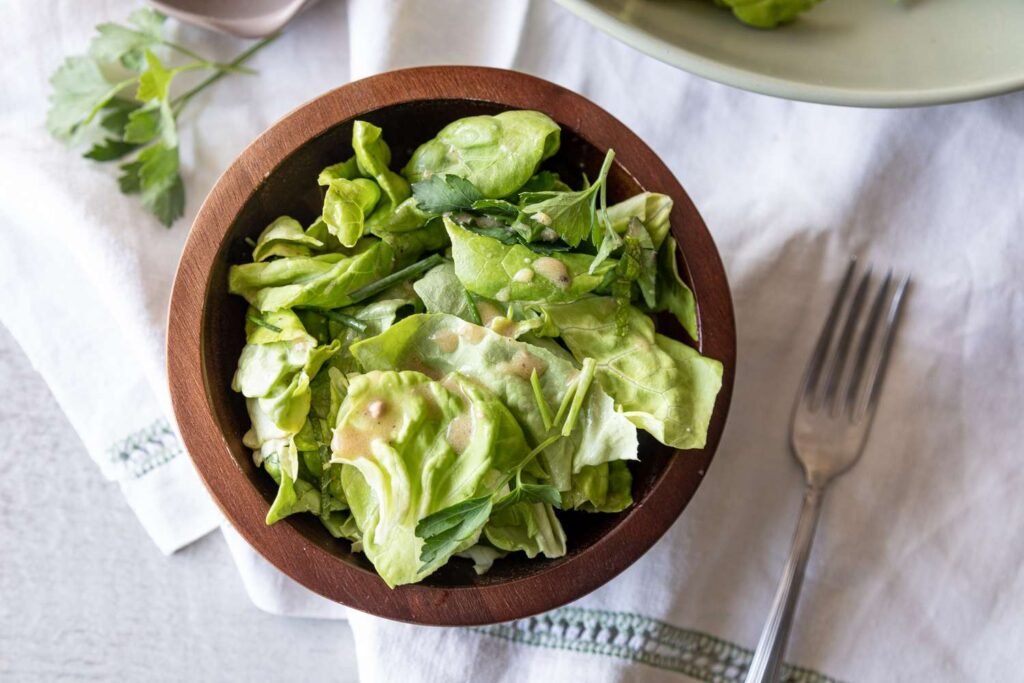
Ingredients: Fresh parsley, olive oil, lemon juice, garlic, salt, and black pepper.
Preparation: Finely chop parsley, whisk with olive oil and lemon juice, add garlic, and season.
Flavor Profile: Bright, slightly peppery, and tangy.
Nutritional Value: Rich in vitamin C, iron, and antioxidants.
Creative Twist: Include a small pinch of cumin for depth.
3. Cilantro-Lime Dressing
Ingredients: Fresh cilantro, lime juice, olive oil, garlic, jalapeño (optional), and salt.
Preparation: Blend cilantro with lime juice, olive oil, and garlic until smooth. Season to taste.
Flavor Profile: Fresh, citrusy, with mild heat if using jalapeño.
Nutritional Value: High in vitamin C, antioxidants, and healthy fats.
Creative Twist: Pair with avocado or corn salads for a Latin flair.
4. Mint Yogurt Dressing (Plant-Based)
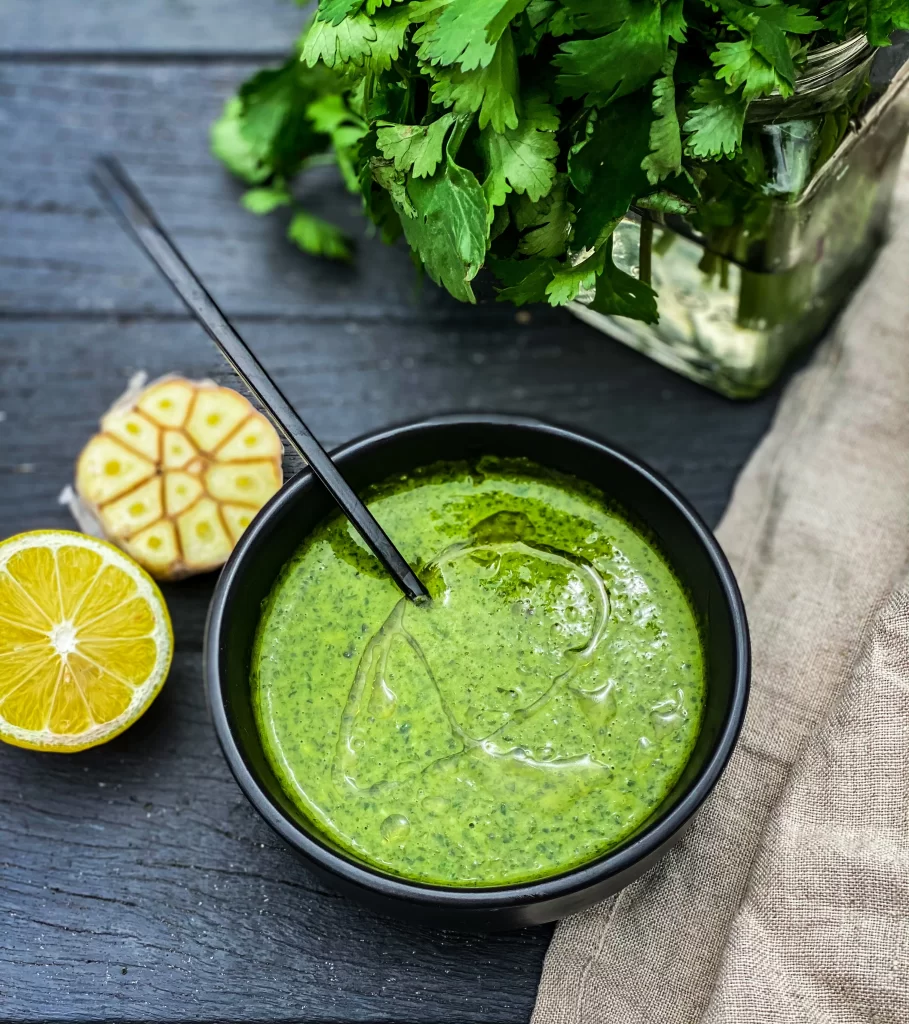
Ingredients: Fresh mint, plant-based yogurt, lemon juice, garlic, salt, and pepper.
Preparation: Mix finely chopped mint with yogurt, lemon juice, and garlic. Season to taste.
Flavor Profile: Cool, creamy, and refreshing.
Nutritional Value: Contains calcium, vitamin K, antioxidants, and protein from plant-based yogurt.
Creative Twist: Add cucumber puree for a tzatziki-style dressing.
5. Dill and Mustard Vinaigrette
Ingredients: Fresh dill, olive oil, apple cider vinegar, Dijon mustard, garlic, salt, and pepper.
Preparation: Whisk together oil, vinegar, mustard, and garlic. Stir in chopped dill and season.
Flavor Profile: Herbaceous, tangy, and slightly pungent.
Nutritional Value: Provides antioxidants, vitamins, and healthy fats.
Creative Twist: Drizzle over roasted vegetable or potato salads.
Tips for Perfect Herb-Based Dressings
- Use Fresh Herbs: Always choose vibrant, fresh herbs to maximize flavor.
- Balance Flavors: Adjust acidity, salt, and sweetness gradually.
- Blend or Chop According to Texture: Puree for smooth emulsions, finely chop for rustic dressings.
- Experiment with Oils: Different oils (walnut, avocado, sesame) bring unique flavors.
- Store Properly: Keep dressings in airtight containers in the refrigerator for 3–5 days.
- Complement Salad Ingredients: Match dressing flavor with vegetables, fruits, grains, or legumes.
Health and Culinary Benefits
Herb-based salad dressings provide multiple advantages:
- Nutrient-Dense: Vitamins, minerals, antioxidants, and phytonutrients from fresh herbs.
- Low-Calorie Flavor: Enhances salads without excessive calories or processed ingredients.
- Versatile: Complements raw vegetables, grains, legumes, and plant-based proteins.
- Promotes Sustainable Eating: Encourages use of homegrown or locally sourced herbs.
- Culinary Creativity: Allows experimentation with herb combinations, oils, and seasonings for diverse flavors.
Discussion
Fresh herb salad dressings exemplify the synergy of nutrition, flavor, and ease of preparation. By choosing vibrant herbs and combining them with wholesome oils and acids, cooks can create dressings that enhance the taste and healthfulness of salads. The versatility of these dressings allows pairing with a variety of ingredients — leafy greens, roasted vegetables, grains, or legumes — while keeping meals plant-based and nutrient-dense.
Herb-based dressings also encourage home gardening and sustainable eating practices. They reduce reliance on processed sauces, providing greater control over salt, sugar, and preservatives while highlighting seasonal and locally grown produce. Creative combinations of herbs, citrus, spices, and oils expand culinary possibilities and promote enjoyment of fresh, wholesome meals.
Conclusion
Salad dressings using fresh herbs are simple, nutritious, and versatile culinary additions that elevate the flavor, appearance, and nutritional value of salads. By incorporating homegrown or fresh herbs, combined with oils, acids, and seasoning, one can create dressings that are both healthful and delicious.
From classic basil vinaigrettes to minty yogurt-style blends or cilantro-lime dressings, the possibilities for creativity are endless. These dressings enhance plant-based meals while promoting antioxidant intake, heart health, and digestive support.
Ultimately, fresh herb-based dressings demonstrate how simple, natural ingredients can transform everyday salads into flavorful, visually appealing, and nutrient-rich meals. They embody a harmonious balance of taste, health, and culinary innovation in vegetarian cuisine.