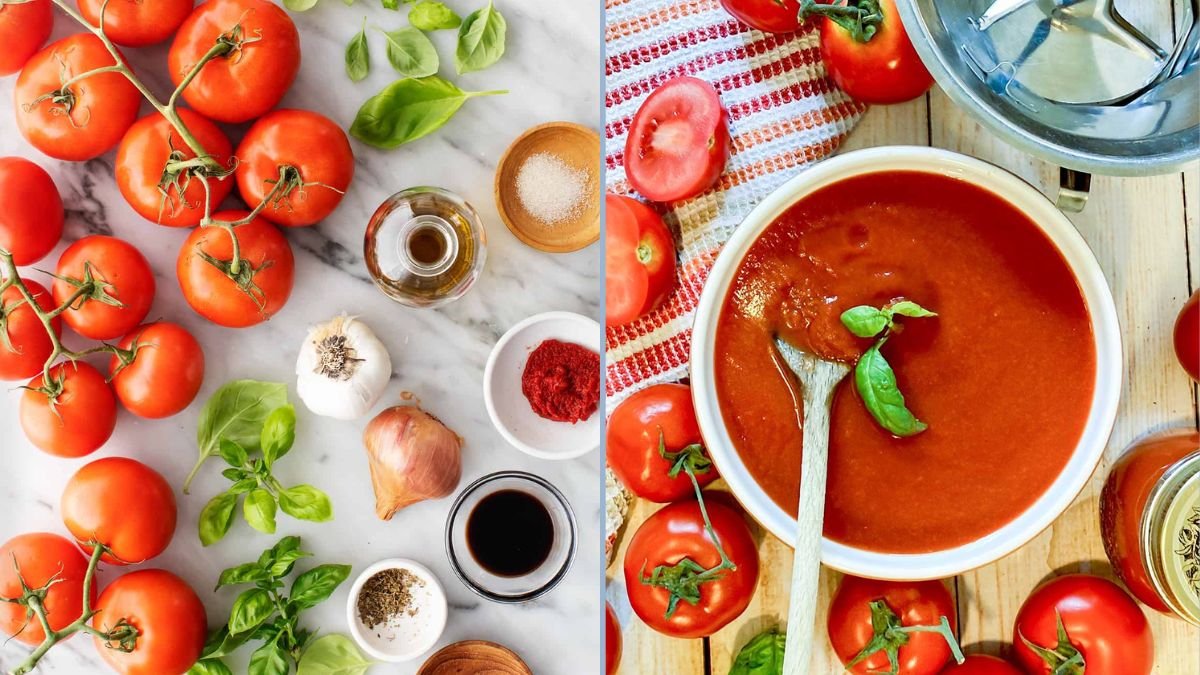
Fresh tomato pasta sauce is a staple in vegetarian cuisine, offering a simple yet versatile way to incorporate flavor, nutrition, and color into meals. Using homegrown or fresh tomatoes maximizes taste and nutrient retention while eliminating preservatives often found in store-bought sauces. This paper explores the preparation of fresh tomato pasta sauce at home, highlighting ingredients, techniques, flavor combinations, and nutritional benefits. Emphasis is placed on vegetarian ingredients and creative approaches that enhance culinary quality, texture, and aroma. The study demonstrates that fresh, homemade pasta sauces can transform simple pasta dishes into nutrient-dense, flavorful meals.
Introduction
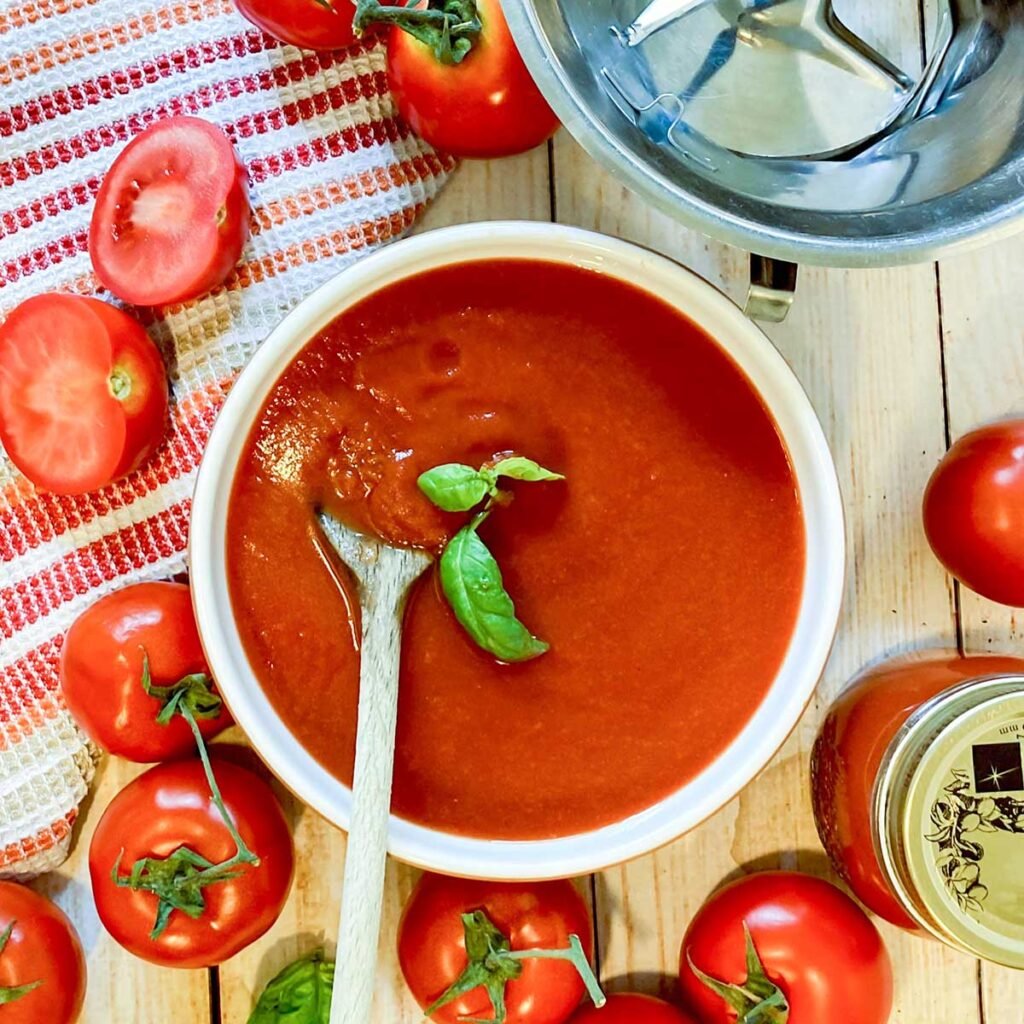
Pasta sauces are central to many meals worldwide, providing both flavor and a nutritional base. Tomato-based sauces are particularly significant for their high vitamin, mineral, and antioxidant content. Fresh tomato pasta sauces made at home offer superior taste, freshness, and control over ingredients compared to commercially prepared alternatives.
The key to a successful sauce lies in using ripe, flavorful tomatoes, aromatic vegetables, and herbs. Home preparation allows for experimentation with textures, flavors, and seasoning, making the sauce suitable for a wide range of pasta dishes. Additionally, cooking at home ensures that sauces are free from unnecessary additives, preservatives, and excess sodium.
This paper explores practical approaches to making fresh tomato pasta sauce, including ingredient selection, preparation techniques, recipe variations, and tips for enhancing flavor and nutrition while maintaining a strictly vegetarian approach.
Nutritional Benefits of Fresh Tomato Pasta Sauce
Fresh tomato pasta sauce offers multiple health advantages due to its nutrient-dense ingredients:
- Rich in Vitamins: Tomatoes are high in vitamin C, vitamin A, and folate.
- Antioxidants: Lycopene, a potent antioxidant found in tomatoes, supports cardiovascular health and reduces oxidative stress.
- Low in Calories: Fresh tomato sauces are naturally low-calorie while providing bulk and flavor.
- Dietary Fiber: Vegetables incorporated into the sauce promote digestion and satiety.
- Heart-Healthy: Using olive oil and fresh herbs contributes monounsaturated fats and phytonutrients.
Combining these ingredients ensures a healthy, nutrient-dense base for pasta dishes.
Selecting Ingredients for Fresh Tomato Sauce
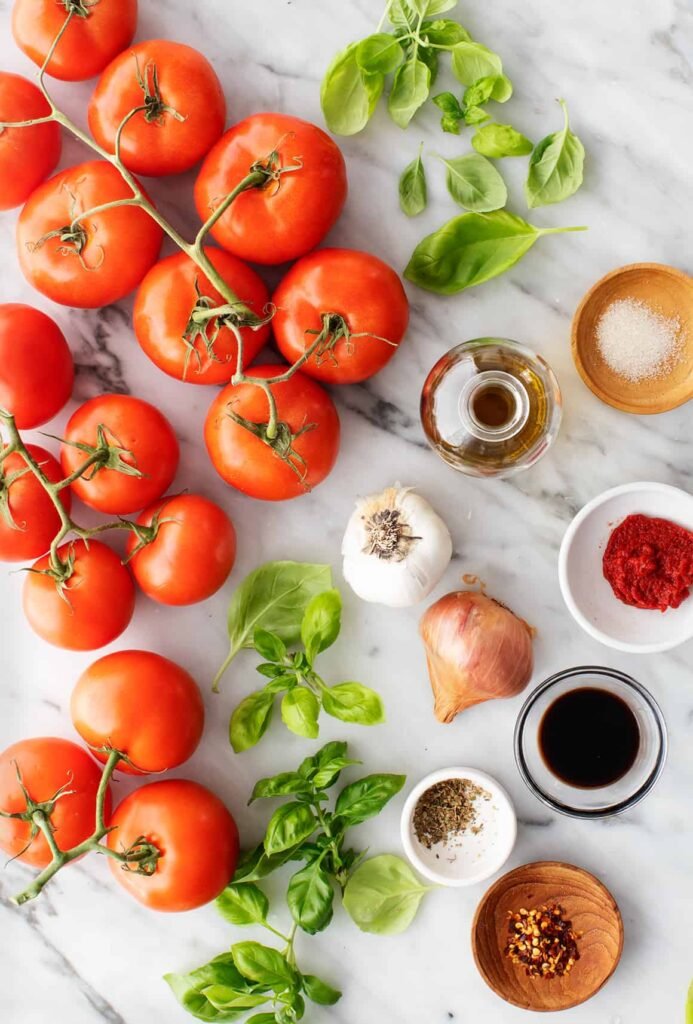
The quality of ingredients directly impacts the flavor and nutrition of the sauce. Recommended vegetarian ingredients include:
- Fresh Tomatoes: Preferably ripe, firm, and juicy varieties; homegrown or vine-ripened for optimal taste.
- Aromatic Vegetables: Onion, garlic, and celery add depth and sweetness.
- Olive Oil: Extra virgin olive oil enhances flavor and provides healthy fats.
- Herbs: Fresh basil, oregano, thyme, and parsley complement the tomato base.
- Seasonings: Salt, black pepper, and a pinch of chili flakes for balanced flavor.
- Optional Additions: Bell peppers, carrots, or zucchini can enhance sweetness and texture.
Using fresh, seasonal vegetables maximizes flavor while keeping the sauce natural and wholesome.
Preparation Techniques for Fresh Tomato Sauce
- Blanching Tomatoes: Briefly boiling tomatoes, then peeling, helps achieve a smooth, velvety sauce.
- Sautéing Aromatics: Lightly cook onions, garlic, and celery in olive oil to develop depth.
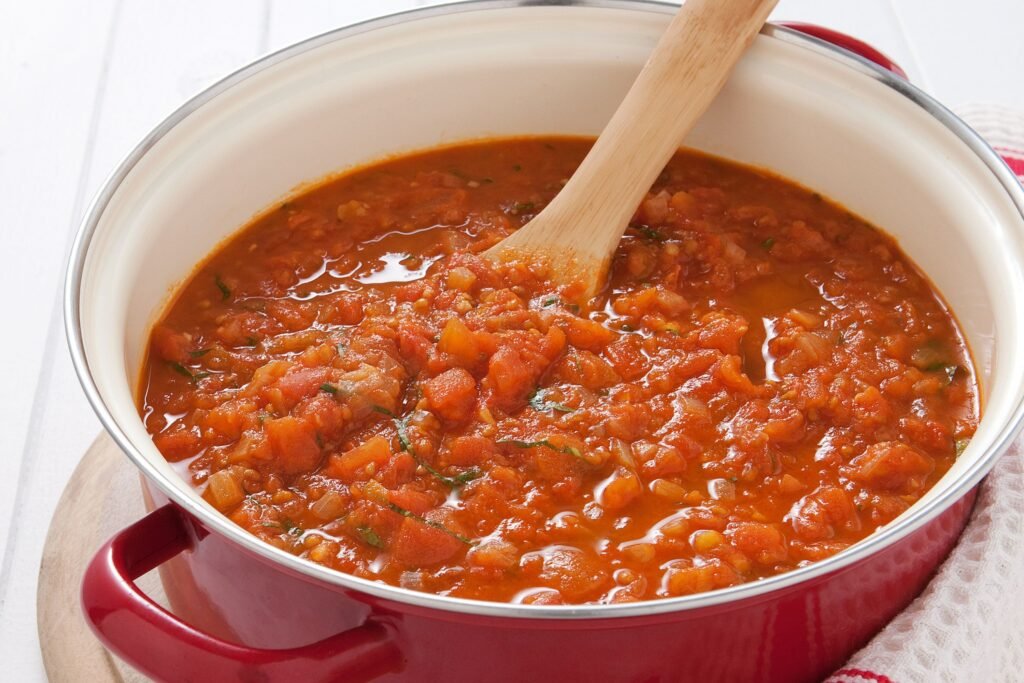
- Simmering: Combine peeled tomatoes with aromatics, herbs, and seasoning. Simmer for 20–30 minutes to concentrate flavors.
- Blending (Optional): Use a blender for smooth sauces or leave chunky for texture variation.
- Seasoning Gradually: Adjust salt, pepper, herbs, and acidity (with lemon juice or vinegar) while cooking.
- Finishing Touches: Add fresh herbs or a drizzle of olive oil before serving to enhance aroma and presentation.
Following these steps ensures a rich, balanced, and flavorful sauce.
1. Classic Basil Tomato Sauce
Ingredients: Ripe tomatoes, garlic, onion, olive oil, fresh basil, salt, and pepper.
Preparation: Sauté garlic and onion in olive oil until translucent. Add peeled, chopped tomatoes, simmer 25 minutes, and season. Finish with chopped fresh basil.
Flavor Profile: Sweet, aromatic, with a delicate herbaceous note.
Nutritional Value: High in vitamin C, lycopene, fiber, and heart-healthy fats.
Creative Twist: Add roasted red peppers for a subtle smoky undertone.
2. Rustic Chunky Tomato Sauce
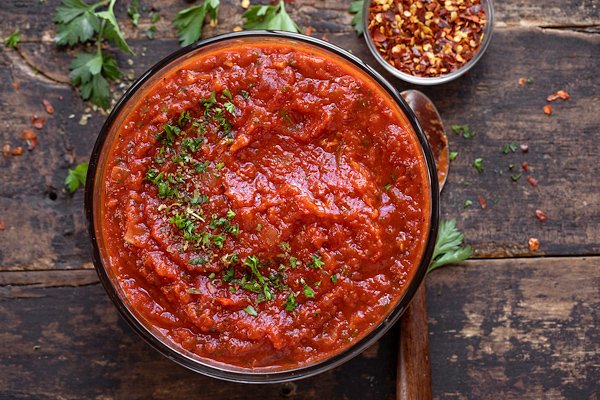
Ingredients: Fresh tomatoes, bell peppers, garlic, olive oil, onions, oregano, salt, and pepper.
Preparation: Sauté onions, garlic, and bell peppers; add chopped tomatoes and simmer 25–30 minutes without blending.
Flavor Profile: Slightly sweet with chunky texture, earthy undertones.
Nutritional Value: Provides fiber, vitamins A and C, and antioxidants.
Creative Twist: Add zucchini or mushrooms for additional depth and nutrition.
3. Spicy Tomato Arrabbiata Sauce
Ingredients: Tomatoes, garlic, olive oil, red chili flakes, onions, and fresh parsley.
Preparation: Sauté onions and garlic in olive oil, add chili flakes and tomatoes, simmer 20 minutes, and finish with chopped parsley.
Flavor Profile: Spicy, aromatic, and slightly tangy.
Nutritional Value: Lycopene-rich, vitamin C, and antioxidants.
Creative Twist: Serve over whole-grain pasta for added fiber and nutrition.
4. Carrot-Infused Sweet Tomato Sauce
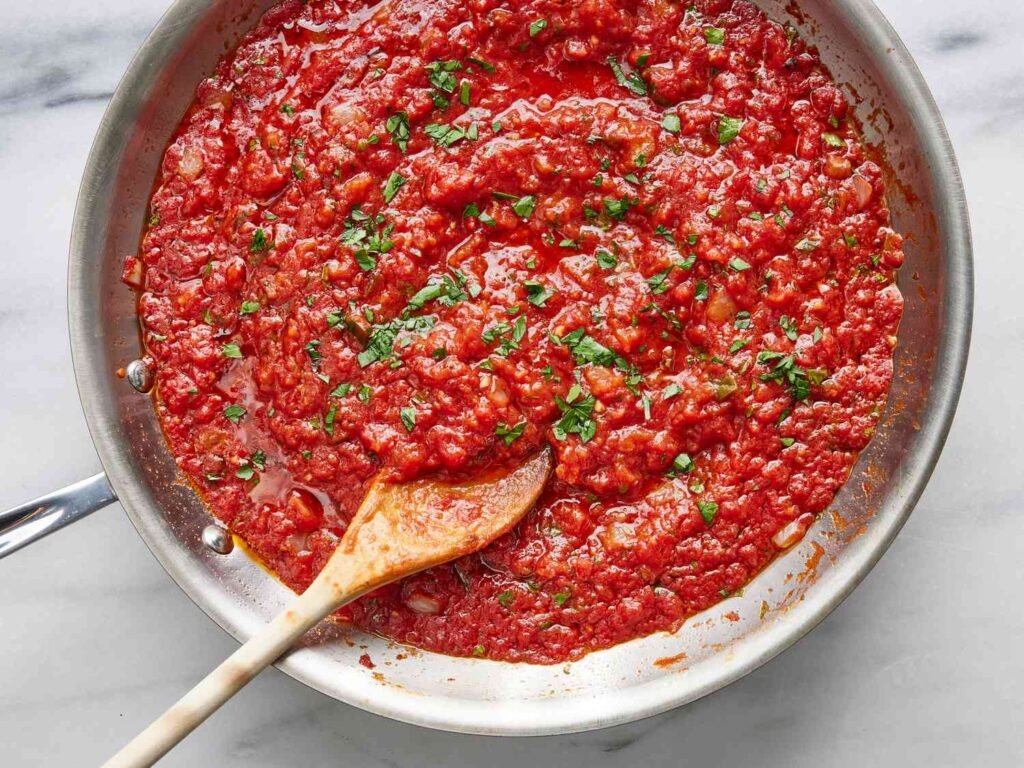
Ingredients: Tomatoes, carrots, onions, garlic, olive oil, thyme, and basil.
Preparation: Sauté onions, garlic, and diced carrots, add chopped tomatoes, simmer 25–30 minutes, season, and blend for smooth texture.
Flavor Profile: Naturally sweet with a rich, creamy texture.
Nutritional Value: High in beta-carotene, vitamin A, fiber, and antioxidants.
Creative Twist: Use a small pinch of smoked paprika to enhance the sweetness and aroma.
5. Mediterranean Herb Tomato Sauce
Ingredients: Tomatoes, garlic, onions, olive oil, oregano, rosemary, thyme, and fresh parsley.
Preparation: Sauté aromatics in olive oil, add chopped tomatoes and herbs, simmer 25 minutes. Season to taste.
Flavor Profile: Savory, aromatic, and slightly earthy.
Nutritional Value: Lycopene, vitamins, fiber, and phytonutrients from herbs.
Creative Twist: Incorporate chopped olives or capers for a briny, Mediterranean twist.
Tips for Perfect Fresh Tomato Sauce
- Use Ripe Tomatoes: Flavor and sweetness depend on the quality of tomatoes.
- Control Acidity: Balance with sugar, carrots, or bell peppers if tomatoes are too acidic.
- Simmer Slowly: Gentle heat preserves nutrients and enhances flavor.
- Fresh Herbs Last: Add delicate herbs like basil at the end to retain aroma and color.
- Consistency Adjustment: Add water or broth for thinner sauces; simmer longer for thicker sauces.
- Batch Preparation: Make in large quantities and store in sterilized jars or freeze for later use.
Health and Culinary Benefits
Fresh tomato pasta sauce prepared at home offers multiple advantages:
- Nutrient-Dense: Vitamins, antioxidants, and fiber are maximized with fresh ingredients.
- Customizable Flavor: Seasoning, herbs, and additional vegetables allow for endless creativity.
- Low in Processed Ingredients: Free from preservatives, excess salt, and sugar.
- Versatile: Ideal for pasta, vegetable dishes, grains, and as a dip or base for other recipes.
- Sustainable: Encourages use of homegrown or local tomatoes, reducing environmental impact.
Discussion
Homemade fresh tomato pasta sauce exemplifies the intersection of convenience, flavor, and nutrition in vegetarian cooking. By choosing ripe, seasonal tomatoes and combining them with aromatic vegetables and herbs, home cooks can create sauces that rival or surpass commercial varieties in both taste and nutritional value.
The versatility of tomato sauce allows for experimentation with flavors, textures, and spice levels. Sweet, spicy, or herbaceous variations provide options suitable for different pasta types, grains, or dishes. Nutritionally, homemade sauce preserves the antioxidants and fiber present in tomatoes, offering a healthful component to everyday meals.
Additionally, preparing sauce at home supports sustainability, reduces reliance on processed foods, and encourages mindful cooking practices.
Conclusion
Fresh tomato pasta sauce made at home is a simple, nutritious, and versatile addition to vegetarian meals. By using ripe, homegrown tomatoes, fresh herbs, and aromatic vegetables, cooks can create sauces that are rich in flavor, color, and nutrients.
From classic basil-infused sauces to spicy arrabbiata or sweet carrot-tomato blends, the possibilities are endless. Homemade sauce allows for customization, controlled seasoning, and a focus on plant-based nutrition.
Ultimately, fresh tomato pasta sauce exemplifies how simple ingredients, prepared thoughtfully, can elevate everyday meals. It encourages creativity, healthy eating, and sustainability, transforming a simple plate of pasta into a delicious, nourishing, and visually appealing dish.