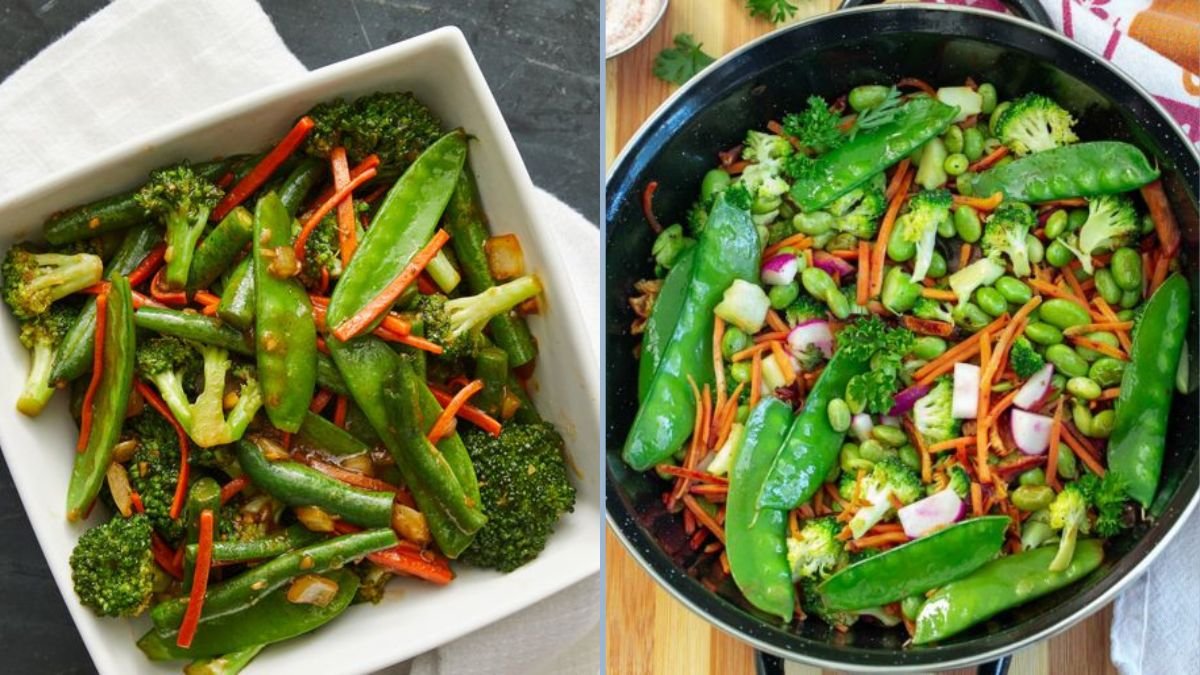
Stir-frying is a quick, nutrient-preserving cooking technique ideal for incorporating fresh vegetables from home gardens into everyday meals. This method uses high heat and minimal oil to cook vegetables rapidly, preserving color, texture, and essential nutrients while enhancing natural flavors. This paper explores the art of vegetable stir-frying, focusing on homegrown produce and vegetarian ingredients. It presents practical recipes, preparation techniques, flavor combinations, and nutritional insights. The study emphasizes that simple stir-fry recipes not only maximize taste and health benefits but also promote sustainable eating by utilizing garden-fresh vegetables.
Introduction
In modern households, the demand for healthy, convenient, and flavorful meals has never been higher. Stir-frying addresses this need by offering a fast cooking method that requires minimal ingredients while maintaining the nutritional integrity of vegetables. Originating from Asian culinary traditions, stir-frying has become a globally popular cooking technique for its efficiency, versatility, and ability to enhance natural flavors.
Using homegrown vegetables in stir-fry dishes brings additional benefits: freshness, superior taste, chemical-free produce, and sustainability. Whether using leafy greens, crunchy roots, or aromatic herbs, stir-fried vegetables provide a nutrient-dense, low-calorie option suitable for vegetarians. This paper focuses on practical strategies for creating easy, delicious stir-fry dishes with homegrown vegetables, exploring preparation methods, flavor combinations, and nutritional benefits.
Nutritional Advantages of Stir-Fried Vegetables
Stir-frying preserves most of the nutrients in vegetables while enhancing their natural flavors. Key benefits include:
- Retention of Vitamins and Minerals: High heat for a short duration preserves water-soluble vitamins like C and B.
- Rich in Antioxidants: Vegetables retain phytonutrients and antioxidants that reduce oxidative stress.
- Low-Fat Cooking: Minimal oil is used, reducing calorie intake without compromising taste.
- High Fiber Content: Promotes digestive health and satiety.
- Enhanced Flavor: Maillard reactions and caramelization develop rich, savory, and sweet notes.
By combining homegrown vegetables with herbs, seeds, and natural seasonings, stir-fries deliver both culinary pleasure and functional nutrition.
Choosing Homegrown Vegetables for Stir-Fry

Not all vegetables cook the same way in a stir-fry. Selecting the right vegetables and preparing them properly is essential. Ideal homegrown vegetables include:
- Leafy Greens: Spinach, kale, bok choy, and Swiss chard — added last to retain texture.
- Bell Peppers: Red, yellow, or green; provide sweetness and vibrant color.
- Carrots and Radishes: Offer crunch and natural sweetness.
- Zucchini and Summer Squash: Absorb flavors well and cook quickly.
- Eggplant: Softens nicely and takes on a savory taste.
- Green Beans and Broccoli: Retain crunch when blanched briefly before stir-frying.
- Onions, Garlic, and Scallions: Add depth, aroma, and flavor.
Using seasonal and fresh vegetables enhances taste and maximizes nutrient retention.
Essential Ingredients and Flavor Enhancers
To elevate homegrown vegetable stir-fries, a few pantry staples and flavor enhancers are recommended:
- Oils: Olive oil, sunflower oil, or sesame oil (adds nutty aroma).
- Herbs and Spices: Basil, coriander, parsley, turmeric, ginger, and garlic.
- Sauces: Soy sauce, chili sauce, or a dash of lemon juice for acidity.
- Nuts and Seeds: Cashews, almonds, sesame seeds, or pumpkin seeds for texture and nutrition.
- Optional Carbohydrate Base: Cooked rice, noodles, or quinoa can be paired with stir-fry for a complete meal.
Minimal seasoning is often sufficient when using fresh, flavorful vegetables from the garden.
1. Classic Garden Stir-Fry
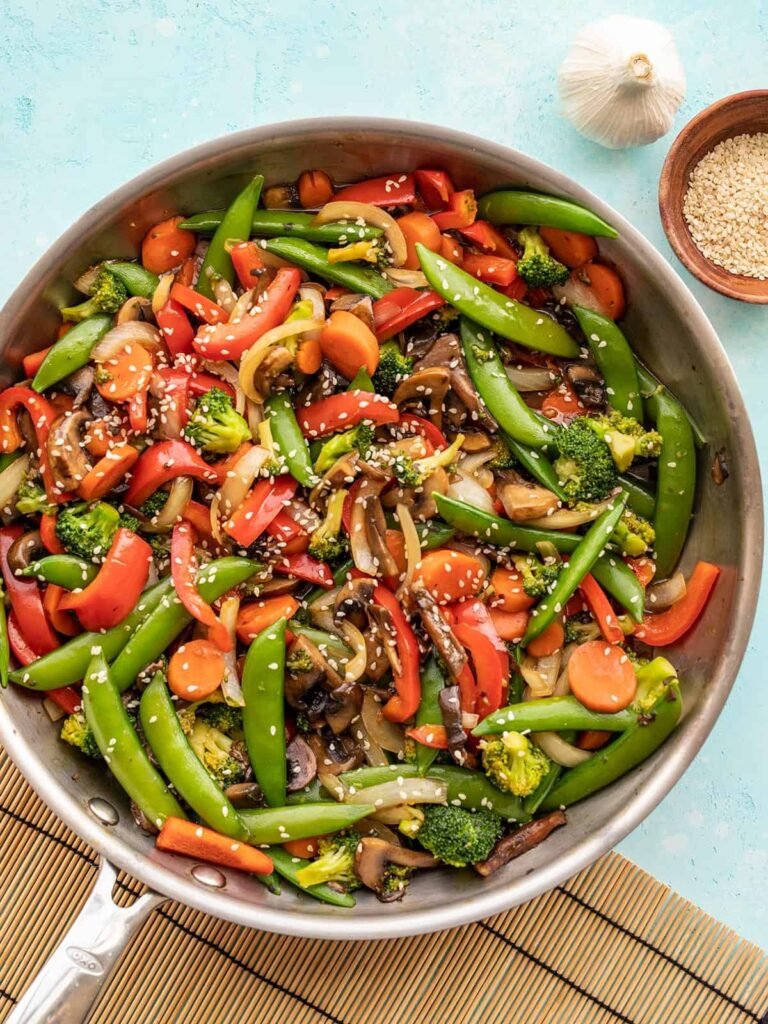
Ingredients: Bell peppers, carrots, zucchini, broccoli, garlic, and olive oil.
Preparation: Heat oil in a pan, sauté garlic for 30 seconds, add vegetables in order of cooking time (harder vegetables first). Stir-fry for 5–7 minutes until tender-crisp.
Flavor Profile: Sweet, savory, lightly caramelized vegetables.
Nutritional Value: High in vitamins A, C, and K, fiber, and antioxidants.
Creative Twist: Garnish with chopped parsley or toasted sesame seeds for added texture.
2. Spinach and Carrot Quick Stir-Fry

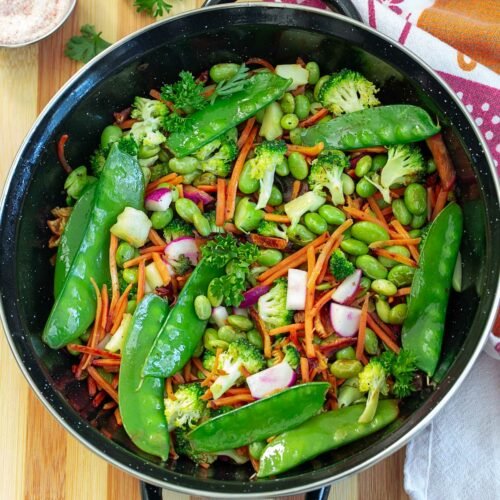
Ingredients: Fresh spinach, grated carrot, garlic, olive oil, and lemon juice.
Preparation: Heat oil, sauté garlic, add carrots and cook for 2 minutes, then add spinach until just wilted. Finish with a squeeze of lemon.
Flavor Profile: Light, tangy, and aromatic.
Nutritional Value: Excellent source of iron, vitamin C, beta-carotene, and fiber.
Creative Twist: Add toasted sunflower seeds for a crunchy finish.
3. Zucchini and Bell Pepper Medley
Ingredients: Sliced zucchini, red and yellow bell peppers, ginger paste, and sesame oil.
Preparation: Heat sesame oil, sauté ginger for 30 seconds, add vegetables, and stir-fry until lightly browned and tender.
Flavor Profile: Nutty, aromatic, and mildly sweet.
Nutritional Value: Rich in antioxidants and vitamins; supports eye and heart health.
Creative Twist: Sprinkle with chopped fresh basil or cilantro before serving.
4. Eggplant and Tomato Stir-Fry
Ingredients: Eggplant cubes, cherry tomatoes, garlic, and olive oil.
Preparation: Heat oil, sauté garlic, add eggplant and cook 5–6 minutes, then add cherry tomatoes and cook until soft but not mushy.
Flavor Profile: Smoky, earthy, and tangy.
Nutritional Value: Provides fiber, potassium, and antioxidants.
Creative Twist: Add fresh basil or oregano for Mediterranean-inspired flavor.
5. Broccoli and Green Bean Crunch
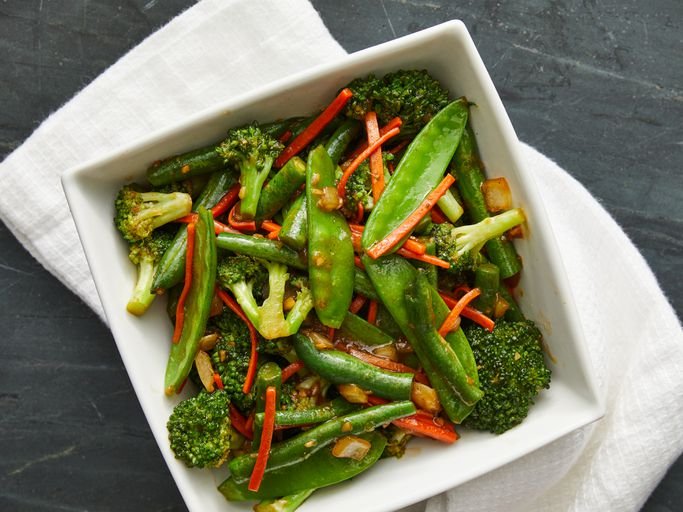
Ingredients: Broccoli florets, green beans, garlic, soy sauce, and sesame seeds.
Preparation: Blanch broccoli and green beans for 1–2 minutes, stir-fry with garlic and soy sauce for 3–4 minutes. Garnish with sesame seeds.
Flavor Profile: Crisp, savory, and lightly nutty.
Nutritional Value: High in vitamins C and K, fiber, and phytonutrients.
Creative Twist: Add finely diced red chili for heat or a squeeze of lime for freshness.
6. Quick Noodle Stir-Fry with Homegrown Veggies
Ingredients: Cooked noodles, carrots, bell peppers, zucchini, garlic, ginger, and sesame oil.
Preparation: Stir-fry vegetables with garlic and ginger, add noodles and toss with a dash of soy sauce.
Flavor Profile: Sweet, savory, and aromatic; noodles absorb vegetable flavors.
Nutritional Value: Balanced fiber, vitamins, and complex carbohydrates.
Creative Twist: Garnish with roasted cashews or fresh herbs for added nutrition.
Tips for Perfect Stir-Fry
- High Heat: Cook quickly over high heat to retain crispness and color.
- Cut Uniformly: Ensures even cooking and prevents some pieces from overcooking.
- Order of Cooking: Hard vegetables first, softer leafy greens last.
- Minimal Oil: Use just enough oil to coat vegetables; prevents sogginess.
- Flavor Layering: Sauté aromatics like garlic, ginger, or scallions first to build depth.
- Serve Immediately: Stir-fried vegetables taste best fresh, retaining crunch and nutrients.
Applying these methods guarantees flavorful, nutrient-rich stir-fry dishes every time.
Health and Sustainability Perspective
Stir-frying with homegrown vegetables supports both personal health and environmental sustainability:
- Freshness: Directly harvested produce retains maximum nutrients.
- Reduced Carbon Footprint: Limits packaging and transport-related emissions.
- Chemical-Free: Home gardening avoids pesticides and herbicides.
- Low-Energy Cooking: Quick cooking uses less energy than baking or boiling.
- Encourages Plant-Based Eating: Reduces reliance on processed foods and animal products.
Together, these benefits align with sustainable, mindful dietary practices.
Discussion
The practice of stir-frying vegetables emphasizes the intersection of convenience, nutrition, and flavor. By selecting homegrown produce, cooks can ensure freshness, vibrant color, and peak nutrient content. The flexibility of stir-fry recipes allows experimentation with herbs, spices, oils, and seeds, enabling a wide range of flavors and textures.
From a nutritional standpoint, the rapid, high-heat cooking preserves vitamins, antioxidants, and fiber while enhancing taste through caramelization and mild Maillard reactions. This technique transforms simple vegetables into visually appealing, nutrient-dense dishes suitable for any meal occasion.
Moreover, homegrown stir-fry practices support sustainability by reducing reliance on store-bought produce and processed condiments. Combining convenience, health, and eco-consciousness, stir-frying is a practical and versatile cooking method for modern vegetarian households.
Conclusion
Easy stir-fry recipes using homegrown vegetables exemplify the balance between flavor, nutrition, and sustainability. By employing proper preparation techniques, minimal oil, and fresh seasonal produce, anyone can create colorful, nutrient-dense dishes in minutes.
From classic garden medleys to noodle-based variations, stir-fry dishes offer versatility and simplicity while preserving the natural taste and texture of vegetables. Incorporating herbs, seeds, and natural seasonings enhances flavor without adding unnecessary calories or chemicals.
Ultimately, stir-frying homegrown vegetables is more than a cooking method — it is a holistic approach to healthy, sustainable, and flavorful eating. It empowers individuals to transform fresh garden produce into vibrant meals that nourish both body and mind while promoting conscious consumption.