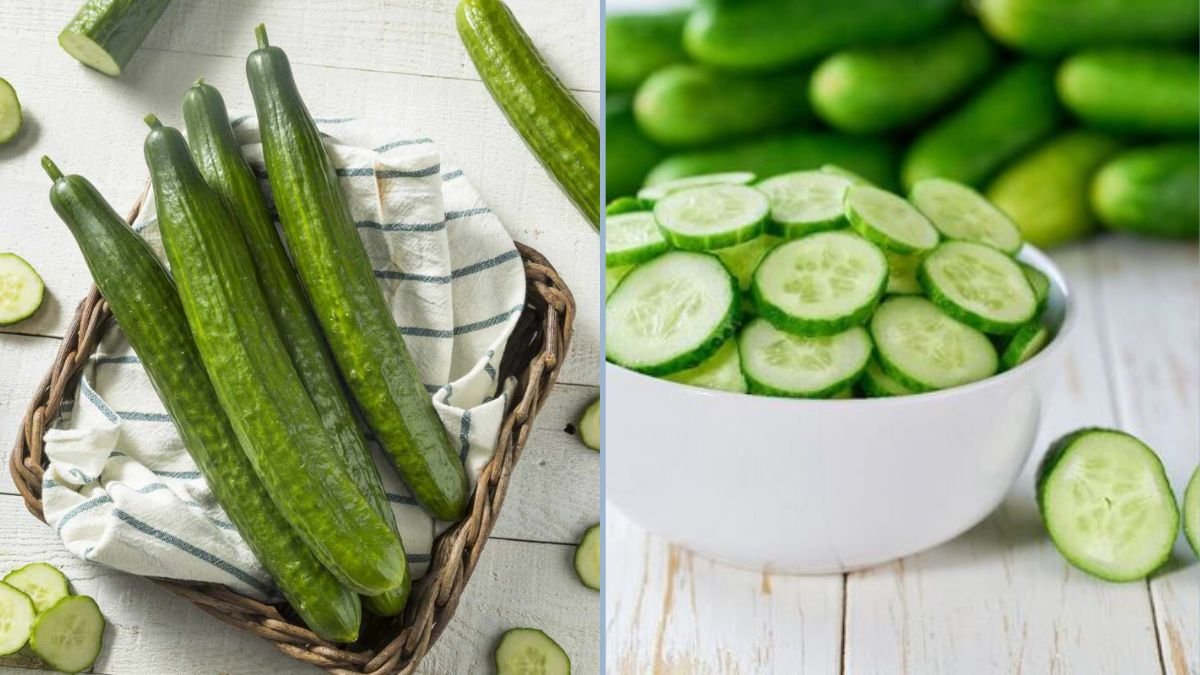
Cucumbers are a refreshing and nutritious vegetable commonly used in salads, sandwiches, pickles, and smoothies. Rich in water, fiber, vitamins C and K, and antioxidants, cucumbers are excellent for hydration and overall health. However, cucumbers are highly perishable and prone to wilting, softening, or developing off-flavors if stored improperly. Maintaining cucumber freshness in the refrigerator ensures that their crisp texture, mild flavor, and nutritional benefits are preserved for longer periods.
This article explores effective, vegetarian-friendly strategies to extend cucumber freshness in the fridge, covering selection, handling, preparation, storage methods, temperature and humidity control, and natural preservation techniques.
1. Selecting Cucumbers for Refrigeration
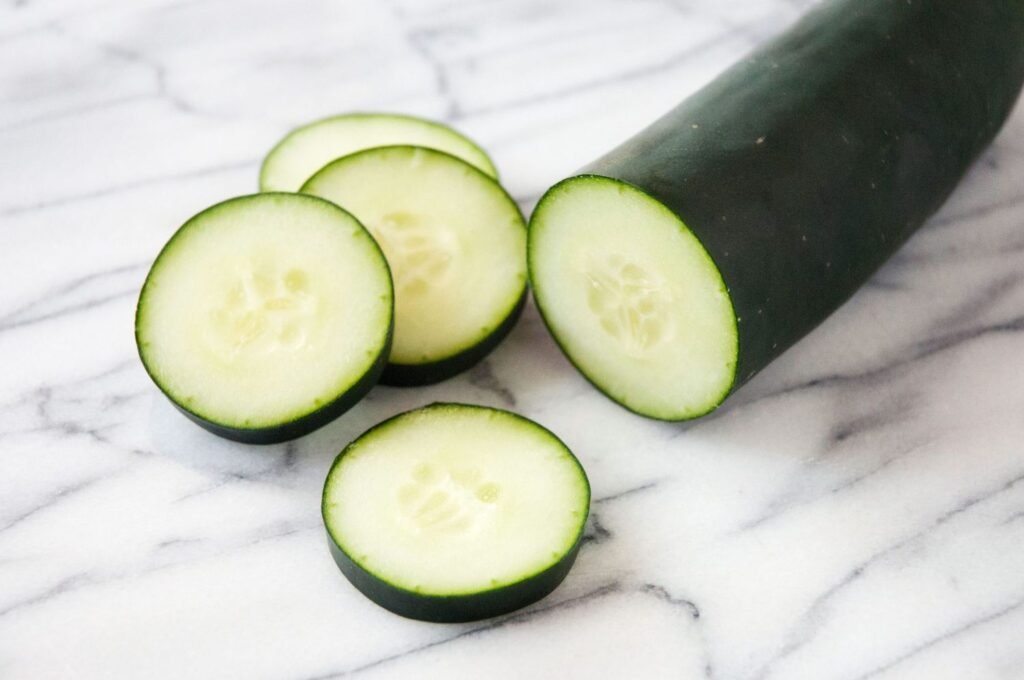
The first step in prolonging cucumber freshness is careful selection. Only healthy, undamaged cucumbers will store well.
Tips for Selecting Cucumbers
- Firmness: Choose cucumbers that feel firm and heavy for their size. Avoid soft spots or wrinkles.
- Color: Look for a vibrant green color; dull or yellowish cucumbers may be overripe.
- Skin Integrity: Avoid cucumbers with cuts, bruises, or blemishes, as these can accelerate spoilage.
- Size and Shape: Medium-sized cucumbers generally store better than very large or misshapen ones, which may have thicker skins or watery interiors.
Selecting high-quality cucumbers ensures longer storage life and maintains flavor and texture.
2. Handling Cucumbers Properly
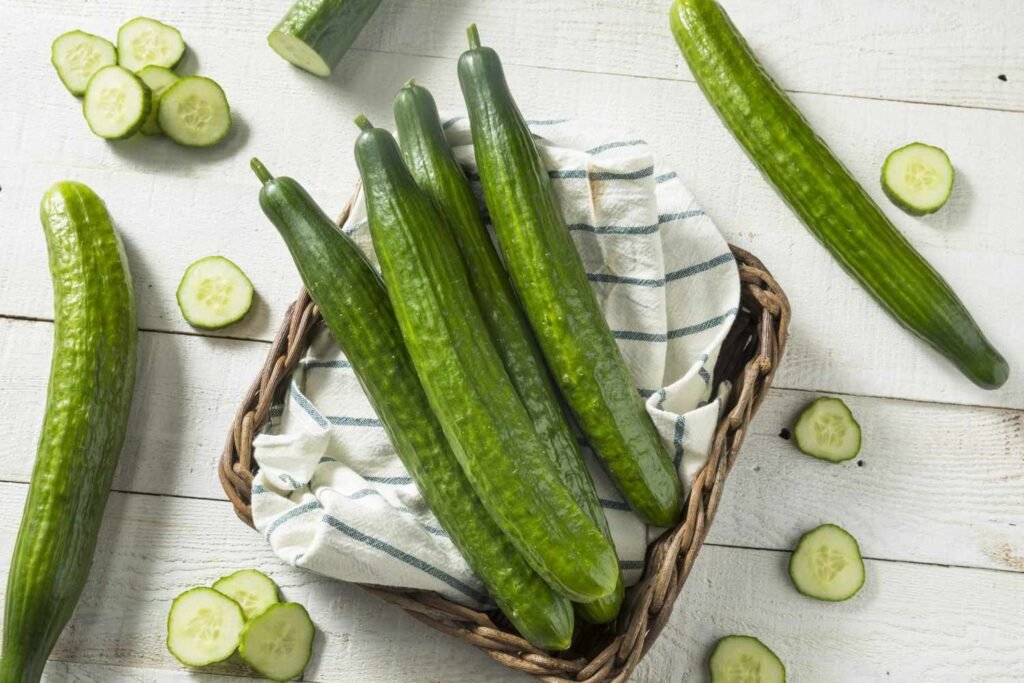
Proper handling prevents damage that can lead to early spoilage.
Handling Tips
- Avoid Bruising: Cucumbers bruise easily, which accelerates decay. Handle gently during transport and storage.
- Do Not Wash Before Storage: Moisture encourages mold growth. Wash only before consumption.
- Separate from Ethylene-Producing Fruits: Cucumbers are sensitive to ethylene, which accelerates ripening. Store away from bananas, apples, and tomatoes.
Good handling practices preserve cucumber firmness and freshness.
3. Ideal Refrigeration Conditions
Cucumbers are highly sensitive to temperature and humidity, making proper storage conditions essential.
Temperature
- Optimal fridge temperature: 7°C to 10°C (45°F to 50°F).
- Avoid storing cucumbers in the coldest part of the fridge (below 5°C), as temperatures that are too low can cause pitting and water-soaked spots.
Humidity
- Maintain high relative humidity (~95%) to prevent water loss.
- Cucumbers can dehydrate and shrivel if humidity is too low.
Airflow
- Store cucumbers in perforated plastic bags or ventilated containers to allow air circulation and reduce condensation.
- Avoid airtight containers for long-term storage unless humidity is carefully controlled.
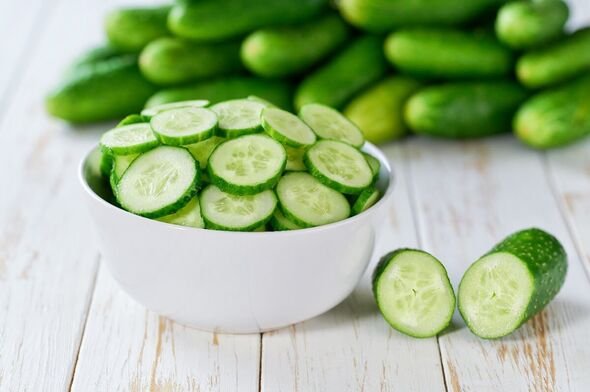
4. Storage Methods for Cucumbers
Several methods help extend cucumber freshness in the fridge.
A. Refrigerator Crisper Drawer
- Place cucumbers in the crisper drawer, preferably in perforated plastic bags or reusable produce bags.
- Keep them away from ethylene-producing fruits.
- Do not overcrowd to allow adequate air circulation.
Shelf Life: 1–2 weeks for fresh, firm cucumbers.
B. Wrapped in Paper Towels
- Wrap cucumbers in a dry paper towel to absorb excess moisture.
- Place wrapped cucumbers in perforated bags or containers.
- Paper towels prevent condensation that can lead to mold and soft spots.
C. Sliced or Chopped Cucumbers
- For pre-cut cucumbers, store in airtight containers lined with paper towels.
- Consume within 3–5 days for optimal texture and flavor.
- Keep refrigerated at 7°C–10°C to maintain crispness.
5. Using Natural Preservation Techniques
Certain natural methods help preserve cucumber freshness without chemicals.
A. Lemon or Vinegar Solution
- Lightly dipping sliced cucumbers in a mixture of water and lemon juice or vinegar reduces enzymatic browning and slows spoilage.
- Suitable for cucumber salads or pre-cut storage.
B. Saltwater Soak (Optional)
- Soak sliced cucumbers in lightly salted water for 10–15 minutes before refrigeration.
- Enhances crispness and prevents moisture loss.
- Rinse lightly before consumption if needed.
C. Moist Paper Towel Layering
- For cucumbers stored whole, layer them between slightly damp paper towels in perforated bags.
- Maintains humidity while preventing excessive condensation.
6. Avoiding Common Refrigeration Mistakes
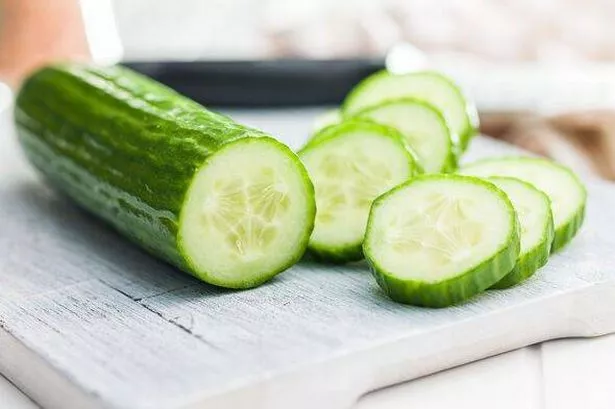
Even minor errors can shorten cucumber shelf life.
| Mistake | Effect | Solution |
|---|---|---|
| Storing near ethylene-producing fruits | Accelerates softening and yellowing | Store separately from apples, bananas, and tomatoes |
| Washing before storage | Promotes mold | Wash cucumbers only before use |
| Using airtight containers without humidity control | Traps condensation | Use perforated bags or ventilated containers |
| Overcrowding | Reduces airflow, increases spoilage | Leave space between cucumbers |
| Refrigerating below 5°C | Causes pitting and water-soaked spots | Store at 7–10°C for optimal freshness |
7. Monitoring Cucumbers in the Fridge
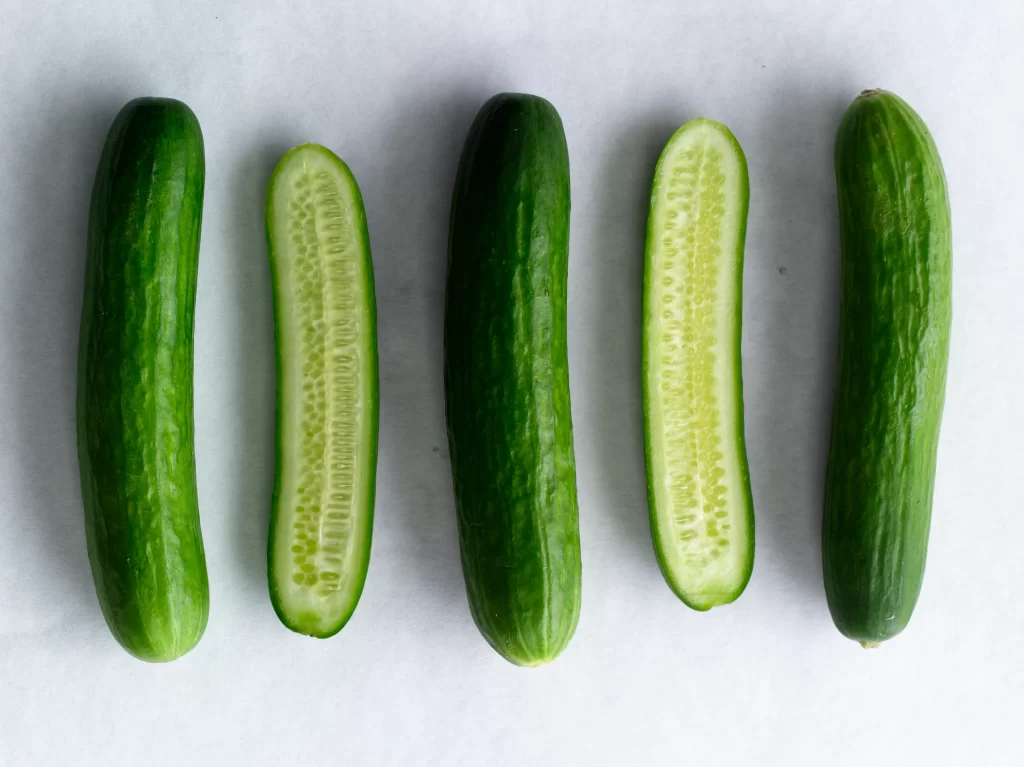
Routine inspection ensures prolonged freshness.
Tips
- Check cucumbers every few days for soft spots, wrinkles, or mold.
- Remove any spoiled cucumbers immediately to prevent spreading.
- Rotate older cucumbers to the front for consumption first.
Regular monitoring preserves quality and reduces food waste.
8. Nutrient Preservation in Refrigerated Cucumbers
Cucumbers are rich in water, vitamin C, antioxidants, and fiber, which degrade if stored improperly.
Tips for Retaining Nutrients
- Store at recommended temperatures and humidity to slow enzymatic breakdown.
- Keep cucumbers away from light to reduce vitamin C degradation.
- Avoid repeated cutting or exposure to air before consumption.
Proper storage ensures cucumbers remain crisp and nutrient-dense for weeks.
9. Sustainable and Eco-Friendly Refrigeration Practices
Extending cucumber freshness can align with environmentally responsible practices.
Suggestions
- Use reusable containers or perforated produce bags instead of single-use plastic.
- Compost spoiled cucumbers to reduce food waste.
- Purchase or harvest only the quantity that can be effectively stored.
- Plan storage placement in the fridge to reduce energy waste from frequent opening.
10. Culinary Uses of Fresh Cucumbers
Maintaining cucumber freshness ensures they remain versatile in vegetarian cuisine.
Ideas
- Salads: Crisp slices or cubes enhance texture and hydration.
- Smoothies: Blend for a refreshing, nutrient-rich drink.
- Sandwiches and Wraps: Add whole or sliced cucumbers for crunch.
- Pickling: Use fresh cucumbers for homemade pickles.
- Cold Soups: Incorporate into gazpacho or yogurt-based soups for natural flavor.
Fresh, crisp cucumbers elevate a wide variety of dishes while providing hydration and nutrients.
Conclusion
Extending cucumber freshness in the fridge requires attention to selection, handling, temperature, humidity, and storage method. Firm, undamaged cucumbers stored in perforated bags or crisper drawers at 7–10°C and high humidity maintain crispness, flavor, and nutrients for up to two weeks. Techniques such as wrapping in paper towels, light lemon or vinegar treatments, and careful monitoring prevent spoilage and reduce waste.
By following these strategies, cucumbers can remain a refreshing, nutritious, and versatile component of vegetarian meals throughout the week. Proper refrigeration preserves their texture, flavor, and health benefits, ensuring that cucumbers contribute to a healthy and enjoyable diet year-round.