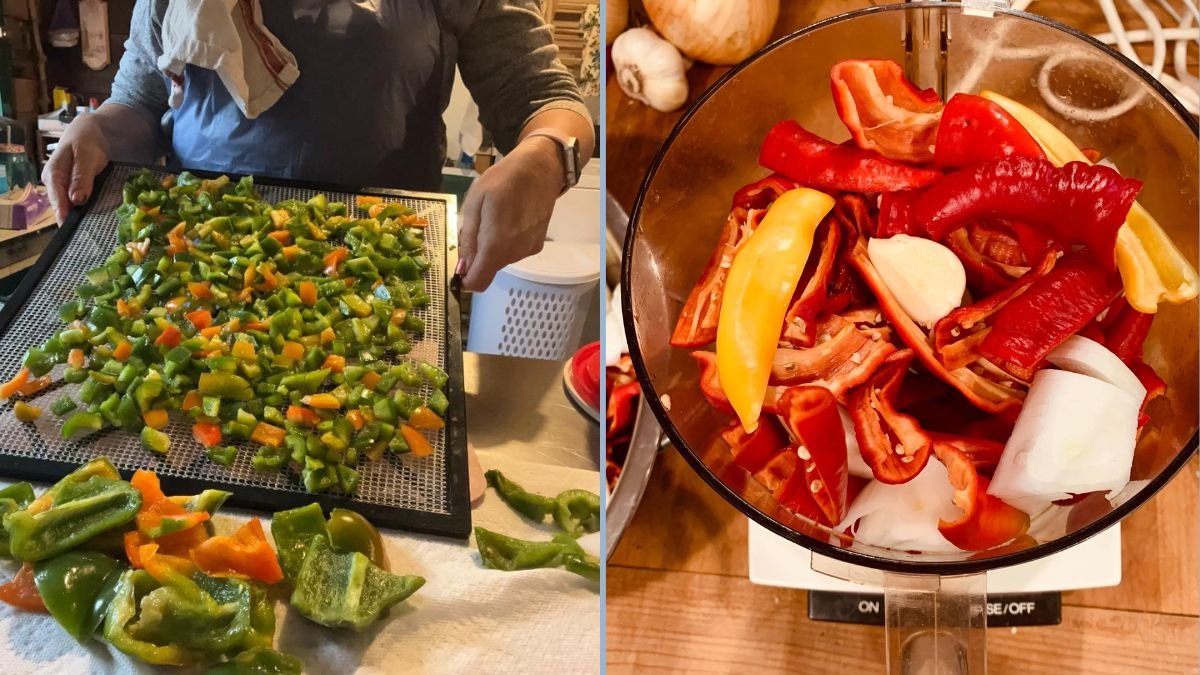
Peppers, including bell peppers, chili peppers, and sweet peppers, are staples in vegetarian cooking due to their vibrant colors, distinct flavors, and rich nutrient content. They are excellent sources of vitamin C, vitamin A, antioxidants, and dietary fiber, making them essential for a balanced diet. However, peppers are highly perishable, losing flavor, texture, and nutrients if not preserved properly. Ensuring that peppers remain fresh for off-season cooking allows home cooks to enjoy their taste and nutritional benefits year-round.
This article provides comprehensive guidance on preserving peppers for off-season use, covering selection, preparation, storage methods, freezing, drying, and natural preservation techniques. All methods are fully vegetarian-friendly, avoiding chemical preservatives.
1. Selecting Peppers for Preservation
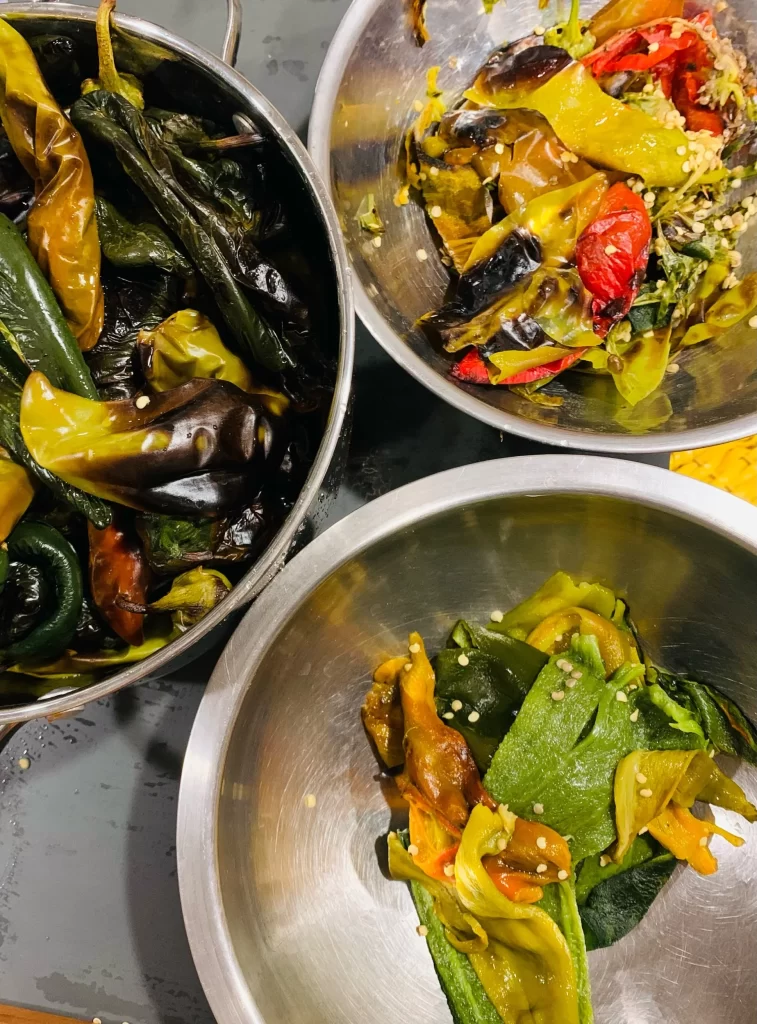
The first step in successful pepper preservation is choosing high-quality produce.
Tips for Selection
- Firmness: Choose peppers that are firm, smooth, and free from soft spots.
- Color: Bright, vibrant colors indicate peak ripeness and optimal nutrient content.
- Size and Variety: Smaller, uniform peppers freeze or dry more evenly, but larger peppers are suitable if sliced properly.
- Condition: Avoid peppers with bruises, cracks, or signs of rot.
High-quality peppers ensure better preservation, flavor retention, and longer shelf life.
2. Preparing Peppers for Preservation
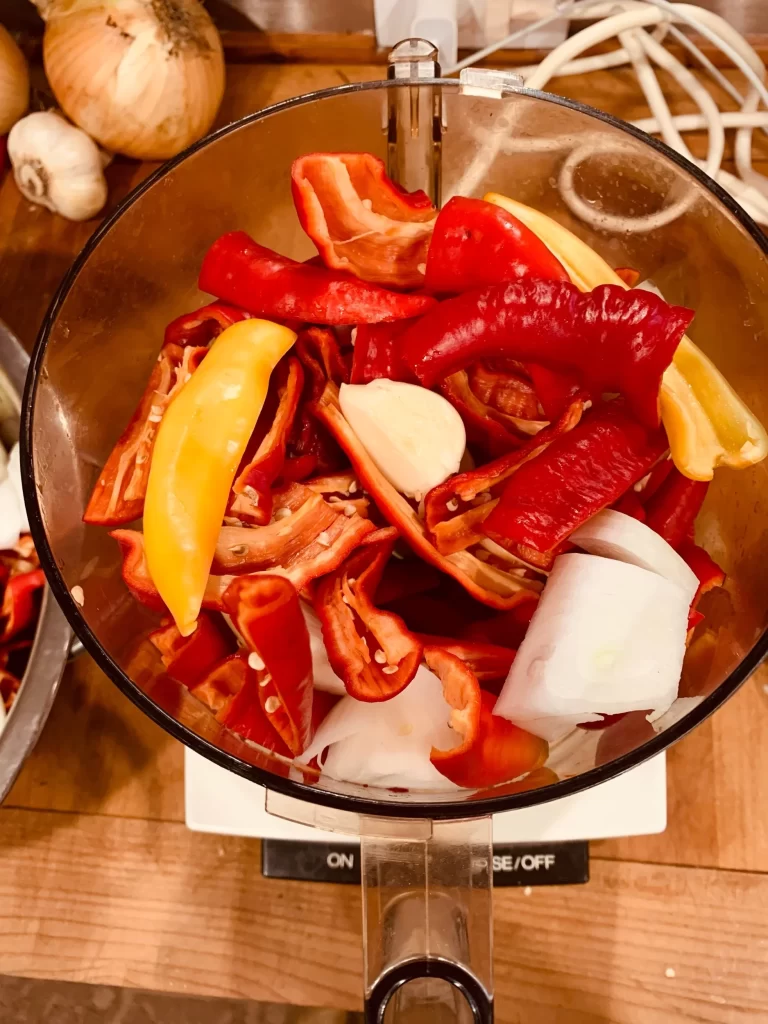
Proper preparation reduces spoilage risk and improves storage outcomes.
Step 1: Washing
- Rinse peppers under cold running water to remove dirt and residues.
- Pat dry thoroughly to remove excess moisture, which can promote mold.
Step 2: Trimming
- Remove stems, seeds, and membranes as desired.
- Slice, dice, or leave whole based on intended preservation method.
Step 3: Blanching (Optional)
- For certain freezing methods, blanching peppers for 2–3 minutes in boiling water helps preserve color, texture, and nutrients.
- Cool immediately in ice water to stop cooking and drain thoroughly.
3. Freezing Peppers for Off-Season Use
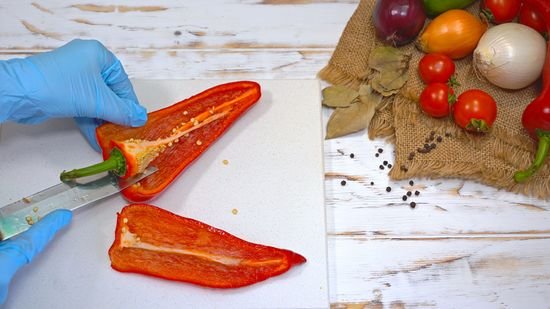
Freezing is one of the easiest and most effective ways to preserve peppers while maintaining flavor and nutrients.
Freezing Whole or Sliced Peppers
- Wash and dry peppers.
- Slice or dice if desired.
- Spread pieces in a single layer on a baking sheet and flash freeze for 1–2 hours.
- Transfer to airtight freezer bags or containers, removing excess air.
- Label with date and type of pepper.
Shelf Life: Up to 10–12 months.
Tips: Frozen peppers can be added directly to cooked dishes without thawing.
Blanching Before Freezing
- Optional blanching slows enzymatic activity and preserves vibrant colors.
- Flash freeze immediately after blanching for best results.
Vacuum-Sealing
- Vacuum sealing reduces freezer burn and oxidation, extending storage time.
- Ideal for long-term storage and bulk preservation.
4. Drying Peppers
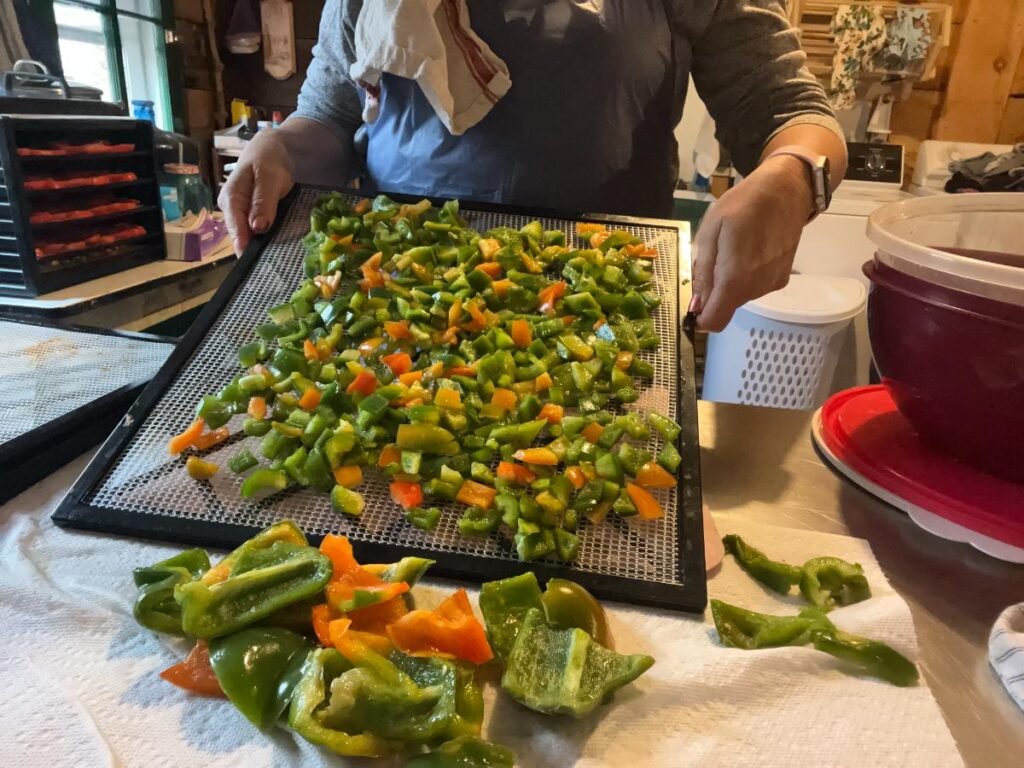
Drying peppers concentrates their flavor and allows for long-term storage at room temperature.
Methods of Drying
- Air Drying: Hang whole peppers in a warm, well-ventilated area. Suitable for small chili peppers.
- Oven Drying: Slice peppers and spread on a baking tray; dry at 50–60°C (120–140°F) until brittle.
- Dehydrator: Use a food dehydrator for controlled drying, preserving nutrients and color.
Storage of Dried Peppers
- Store in airtight jars or containers away from sunlight and moisture.
- Shelf life: 6–12 months.
- Rehydrate in warm water before use in sauces, soups, or sautés.
5. Pickling and Fermenting Peppers
Pickling and fermenting are excellent methods to preserve peppers while adding flavor and probiotics.
Pickling Process
- Slice peppers and pack into sterilized jars.
- Prepare brine using water, vinegar, and salt.
- Pour brine over peppers, leaving space at the top.
- Seal jars and refrigerate.
Shelf Life: Several months when refrigerated.
Tip: Spices like garlic, dill, or chili flakes enhance flavor naturally.
Fermentation
- Place peppers in saltwater brine for 1–2 weeks at room temperature.
- Fermented peppers develop tangy flavor and are rich in probiotics.
- Store in the refrigerator after fermentation.
6. Using Natural Preservation Techniques
Natural methods help maintain quality without chemicals.
Options
- Citrus Juice or Vinegar: Brushing or soaking sliced peppers in lemon juice or mild vinegar prevents oxidation and browning.
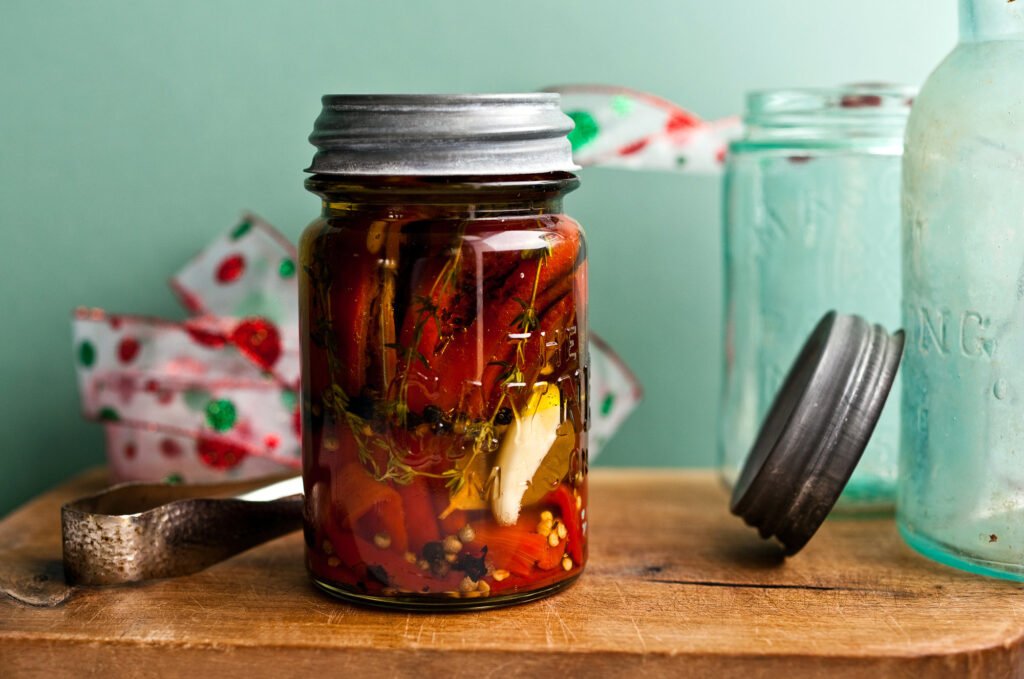
- Olive Oil Preservation: Submerge roasted or blanched peppers in olive oil; store in the refrigerator.
- Salt: Lightly salt sliced peppers to reduce moisture and inhibit microbial growth.
These techniques extend shelf life while keeping peppers vegetarian-friendly and flavorful.
7. Avoiding Common Preservation Mistakes
Even minor errors can compromise pepper quality.
| Mistake | Effect | Solution |
|---|---|---|
| Storing wet peppers | Encourages mold | Dry thoroughly before storage |
| Overcrowding freezer bags | Leads to uneven freezing | Flash freeze in a single layer first |
| Storing in warm, humid areas | Causes rot | Store in cool, dry, ventilated space |
| Using airtight containers for whole fresh peppers | Traps moisture | Use ventilated containers or mesh bags |
| Ignoring spoiled pieces | Spoilage spreads | Inspect and remove damaged peppers before storage |
8. Monitoring Preserved Peppers
Regular checks ensure long-term quality.
Tips
- Inspect frozen, dried, or pickled peppers periodically.
- Remove any peppers showing mold, discoloration, or softening.
- Rotate older stocks to use them first.
Routine monitoring reduces waste and maintains consistent flavor.
9. Nutrient Preservation in Stored Peppers
Peppers are rich in vitamins A and C, antioxidants, and fiber, which can degrade over time.
Tips for Retaining Nutrients
- Freeze or dry peppers soon after harvest for maximum vitamin retention.
- Avoid prolonged exposure to heat or sunlight.
- Use airtight containers to prevent oxidation.
- Incorporate natural preservation methods to maintain flavor and nutrients.
10. Culinary Uses of Preserved Peppers
Properly preserved peppers are versatile in vegetarian cuisine.
Ideas
- Frozen Peppers: Ideal for soups, stews, sautés, and stir-fries.
- Dried Peppers: Grind into powders for seasoning or rehydrate for sauces and cooking.
- Pickled Peppers: Add to sandwiches, salads, or tapas.
- Fermented Peppers: Use in sandwiches, wraps, or as a tangy side.
- Olive Oil Preserved Peppers: Serve as antipasti or add to pasta and grain bowls.
Preservation ensures peppers are available year-round, enhancing flavor, texture, and nutritional value in a variety of dishes.
11. Sustainable and Eco-Friendly Practices
Preserving peppers efficiently also supports environmentally responsible practices.
Suggestions
- Use reusable containers or jars instead of disposable plastics.
- Compost spoiled or excess peppers to reduce waste.
- Plan preservation quantities to prevent excess harvest spoilage.
- Share surplus preserved peppers with friends or local communities.
Sustainable preservation reduces food waste while ensuring continuous access to nutritious produce.
Conclusion
Preserving peppers for off-season cooking allows home cooks to enjoy fresh flavors and nutrients year-round. Selecting firm, vibrant peppers, preparing them properly, and using techniques like freezing, drying, pickling, or fermenting ensures longevity and flavor retention. Natural preservation methods, proper packaging, and careful monitoring minimize spoilage while maintaining color, texture, and nutritional content.
By implementing these strategies, peppers can remain a versatile and nutritious component of vegetarian meals throughout the year, reducing food waste and supporting sustainable kitchen practices. Whether used in soups, stews, sauces, or salads, preserved peppers enhance every dish with vibrant color, flavor, and health benefits.