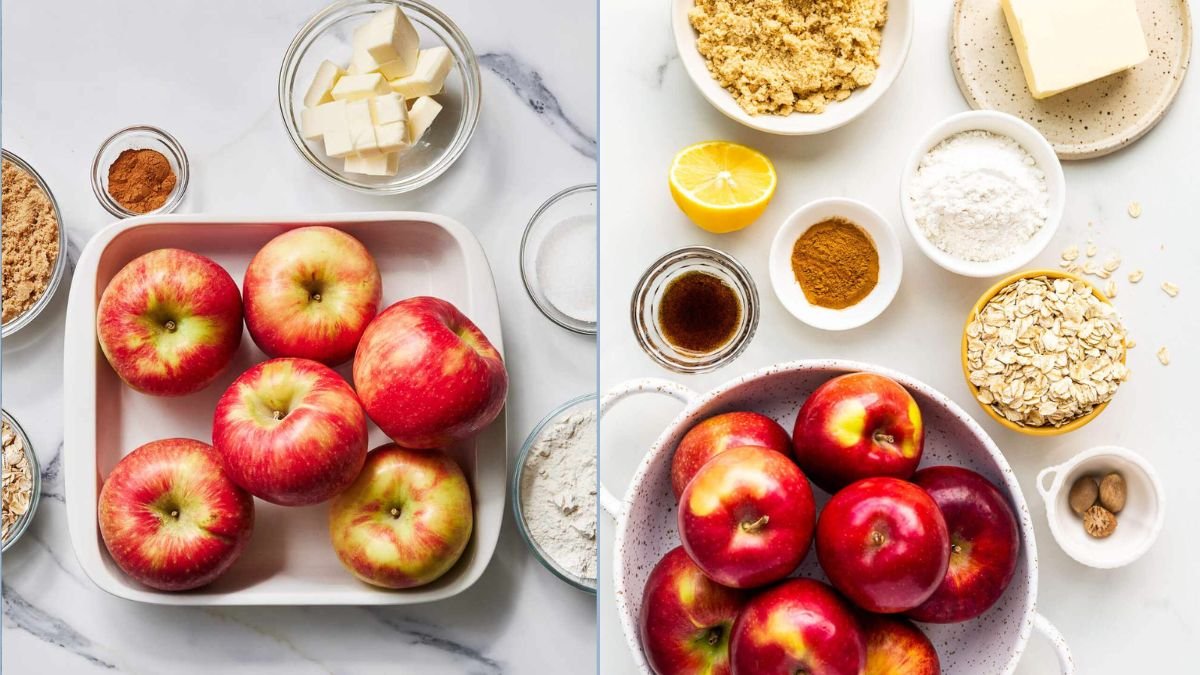
Apples are among the most popular and versatile fruits consumed worldwide. Their natural sweetness, crisp texture, and rich nutrient profile make them a staple in vegetarian diets. Packed with fiber, vitamin C, antioxidants, and phytonutrients, apples contribute to heart health, digestion, and overall wellness. However, maintaining their crispness and freshness after harvest or purchase can be challenging, especially when storing them for several weeks. Without proper care, apples can become soft, mealy, or shriveled, diminishing both taste and nutritional value.
This article explores practical, natural, and effective methods to keep apples crisp for weeks, including optimal selection, storage techniques, temperature and humidity management, and sustainable practices. All approaches are fully vegetarian-friendly and avoid chemical preservatives.
1. Selecting the Best Apples for Storage
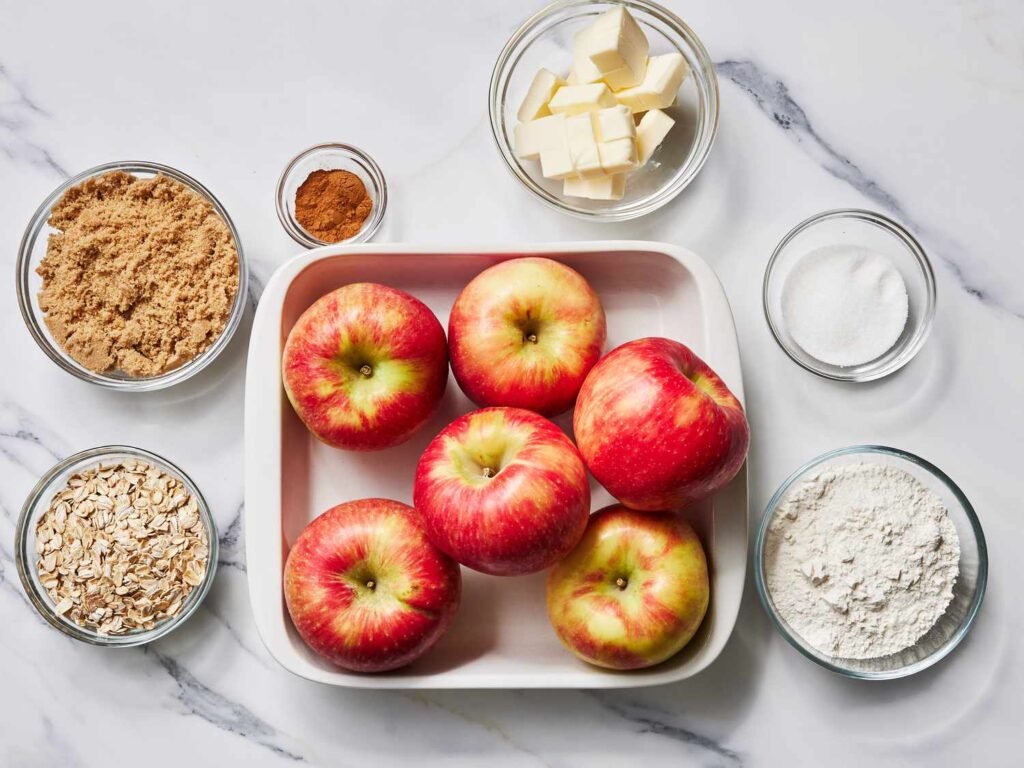
The journey to long-lasting, crisp apples begins at selection. The quality of apples at purchase or harvest directly affects how well they store.
Tips for Selecting Apples
- Variety Matters: Certain apple varieties store better than others. For long-term storage, choose firm, dense types such as Fuji, Honeycrisp, Gala, Braeburn, or Granny Smith. Soft varieties like McIntosh are better for immediate consumption.
- Look for Firmness: Press gently; apples should feel firm with no soft spots or bruising.
- Check Skin: Smooth, unblemished skin indicates freshness. Avoid apples with cuts, punctures, or wrinkled areas.
- Color: Bright, uniform coloring suggests ripeness and better storage potential.
Selecting high-quality apples ensures a foundation for maintaining crispness during storage.
2. Handling Apples Properly
Even the best apples can lose quality if handled poorly.
Handling Tips
- Avoid Bruising: Apples bruise easily, and damaged areas accelerate spoilage. Handle gently during transport and storage.
- Keep Separate: Apples release ethylene gas, a ripening hormone. Store them away from other fruits and vegetables sensitive to ethylene to prevent premature ripening.
- Do Not Wash Immediately: Moisture promotes mold growth. Only wash apples before eating.
Proper handling ensures that apples start storage in the best possible condition.
3. Optimal Storage Conditions
Temperature and humidity are critical for preserving apple crispness.
Temperature
- Ideal storage temperature: 0°C to 4°C (32°F to 39°F).
- Avoid freezing temperatures; ice crystals damage cell structure and make apples mushy.
- Avoid warm storage, which accelerates respiration and softening.
Humidity
- Maintain 90–95% relative humidity to prevent dehydration while avoiding excess moisture that encourages mold.
- Low humidity causes apples to shrivel; high humidity promotes rot.
Airflow
- Ensure proper ventilation. Apples stored in tightly sealed containers without airflow are prone to mold and spoilage.
- Do not overcrowd storage bins; allow space between apples for air circulation.
4. Storage Methods for Apples
Several storage techniques allow apples to maintain crispness for weeks or even months.
A. Refrigerator Storage
- Place apples in perforated plastic bags, reusable produce bags, or drawers with crisper compartments.
- Keep separate from ethylene-sensitive produce such as leafy greens and root vegetables.
- Store smaller quantities toward the front for easy rotation and monitoring.
Shelf Life: 3–6 weeks for most firm apple varieties.
B. Root Cellar or Cool Basement
- Layer apples in ventilated boxes or crates with straw, sand, or sawdust.
- Inspect weekly for bruised or spoiled fruits.
- Ideal for larger quantities and maintaining crispness without electricity.
Shelf Life: 2–4 months, depending on variety and storage conditions.
C. Controlled Atmosphere Storage (Optional for Home Use)
- Mimics commercial storage: lower oxygen and higher CO₂ to slow respiration.
- While difficult to replicate at home, storing apples in airtight containers with minimal airflow in the fridge can approximate these effects.
Shelf Life: Extended significantly with careful monitoring.
5. Using Natural Preservation Techniques
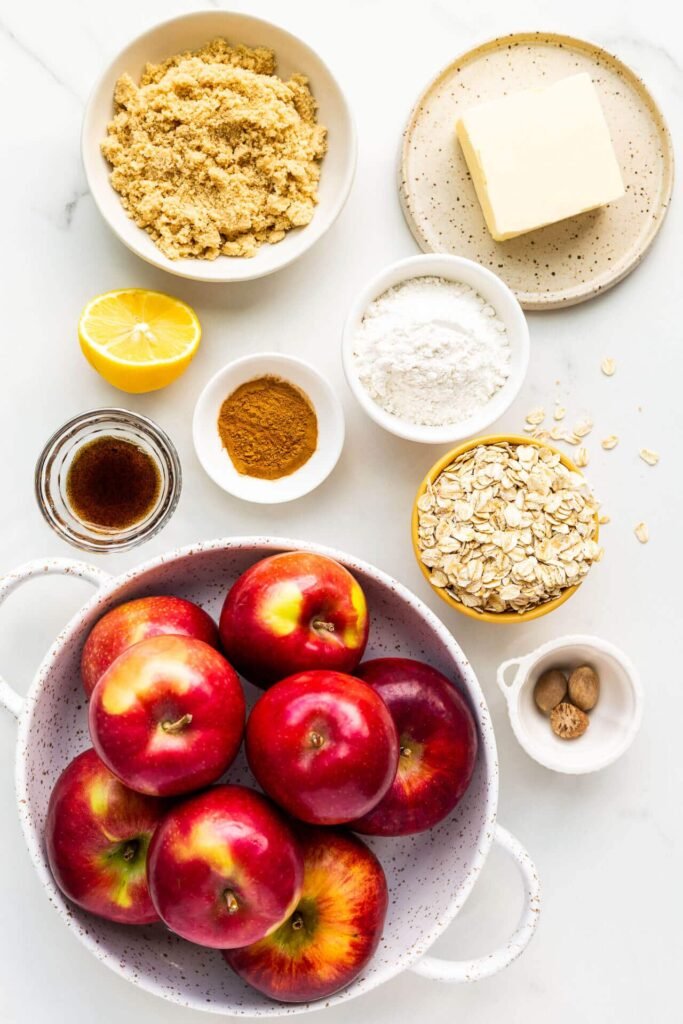
Certain natural methods help preserve apple texture and flavor without chemicals.
A. Lemon or Citrus Juice
- Lightly brushing cut apples with lemon juice prevents oxidation and browning.
- Useful when preparing sliced apples for snacking while keeping crispness intact.
B. Honey Coating
- For slices intended for short-term storage, a thin honey coating helps retain moisture and crispness.
- Acts as a natural humectant, reducing water loss.
C. Cold Water Soak
- Submerging sliced apples in ice-cold water for a few minutes before refrigeration helps retain firmness.
These techniques are effective for both whole apples and pre-cut preparations.
6. Avoiding Common Mistakes
Even minor errors can compromise apple freshness. Avoid these pitfalls:
| Mistake | Effect | Solution |
|---|---|---|
| Storing warm apples | Speeds up respiration and softening | Store in cool environment |
| Washing before storage | Promotes mold and decay | Wash only before consumption |
| Mixing damaged and healthy apples | Spoilage spreads quickly | Inspect and remove bruised fruits |
| Overcrowding | Reduces airflow, causing moisture buildup | Allow space between apples |
| Ethylene-sensitive mixing | Premature ripening of nearby produce | Store apples separately |
Correcting these mistakes can significantly extend crispness and shelf life.
7. Monitoring Apples During Storage
Regular inspection ensures that spoilage does not affect the entire batch.
Tips
- Check apples weekly for soft spots, shriveling, or mold.
- Remove affected apples immediately to prevent spread.
- Rotate apples so older fruits are used first.
Monitoring allows early intervention and reduces waste.
8. Freezing Apples for Long-Term Use
If long-term crispness is not a priority, freezing apples is an alternative for extended storage. While texture changes, flavor and nutrients are preserved.
Steps
- Wash, peel, and core apples.
- Slice or dice into uniform pieces.
- Optionally, blanch briefly to preserve color and vitamins.
- Pack in airtight freezer bags or containers.
- Label with date and store at -18°C (0°F).
Shelf Life: 8–12 months, ideal for cooking, baking, or smoothies.
Frozen apples are best used in compotes, pies, or sauces rather than fresh consumption, as texture softens after thawing.
9. Sustainable and Eco-Friendly Practices
Proper storage of apples contributes to sustainable kitchen practices.
Suggestions
- Use reusable containers or glass jars to reduce plastic waste.
- Compost damaged or spoiled apples rather than discarding them.
- Harvest or purchase only the quantity you can store effectively.
- Store apples away from ethylene-producing fruits to reduce premature ripening naturally.
Sustainable storage minimizes waste while keeping fruits fresh for longer periods.
10. Creative Uses of Stored Apples
Crisp, well-stored apples can enhance a variety of vegetarian meals:
- Snacks: Whole apples or slices for healthy snacking.
- Salads: Sliced or cubed for fresh, sweet additions.
- Baked Goods: Use in pies, muffins, crisps, or cakes.
- Sauces and Purees: Blend into applesauce or toppings for oatmeal.
- Infused Beverages: Add slices to water or teas for natural flavoring.
Properly stored apples maintain texture and flavor for diverse culinary applications throughout the winter.
Conclusion
Keeping apples crisp for weeks is achievable with careful selection, proper handling, and controlled storage conditions. Firm, unblemished apples stored in cool, humid, and ventilated environments retain their natural sweetness, crunch, and nutrients for extended periods. Whether using refrigeration, root cellars, or freezing for long-term preservation, combining proper handling, temperature management, and periodic monitoring ensures minimal spoilage and maximum flavor.
By adopting these strategies, apples can remain a healthy, versatile, and satisfying component of vegetarian diets throughout the winter months, while also supporting sustainable and eco-friendly kitchen practices.