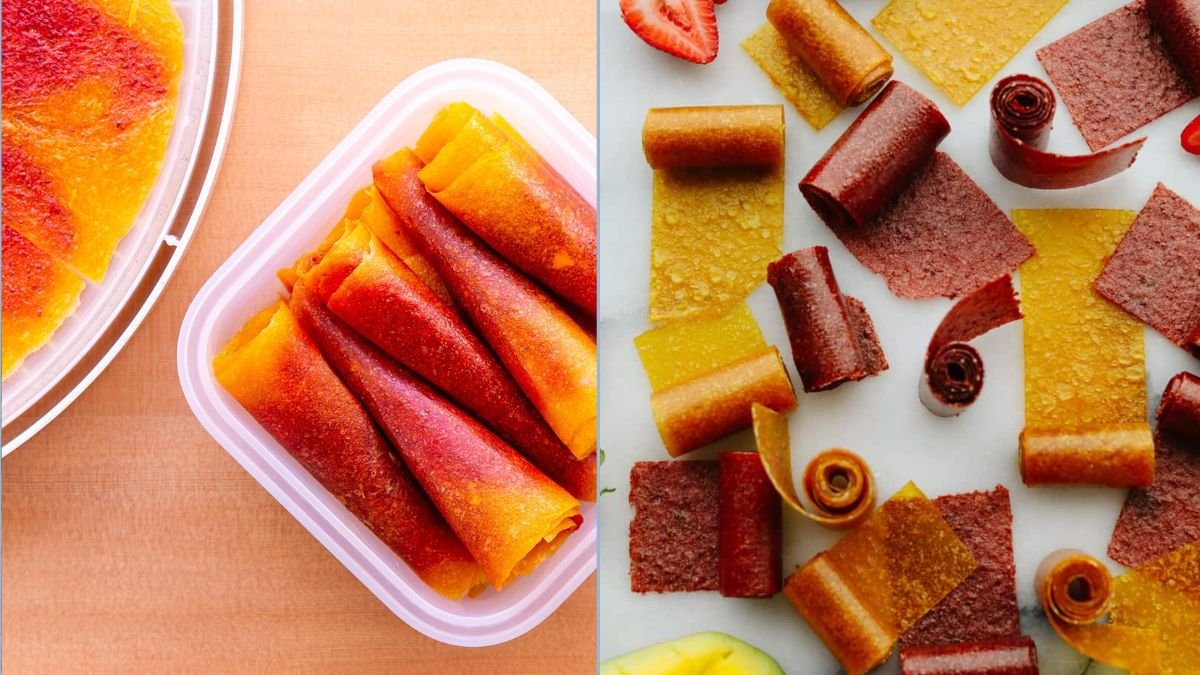
Fruit leather, also known as fruit roll-ups, is a popular and nutritious snack made by pureeing fruit and drying it into thin, chewy sheets. Unlike store-bought varieties that may contain added sugars, preservatives, or artificial colors, homemade fruit leather is a healthy vegetarian-friendly alternative that allows complete control over ingredients. It’s portable, long-lasting, and perfect for school snacks, hiking trips, or simply enjoying the natural sweetness of fruit at home.
However, while homemade fruit leather is relatively simple to make, storing it properly is essential to maintain texture, flavor, and shelf life. Without proper storage, it can become sticky, lose flavor, or develop mold. This article provides detailed guidance on storing homemade fruit leather, including preparation, storage containers, temperature control, and tips for extending freshness naturally.
1. Understanding the Perishability of Fruit Leather
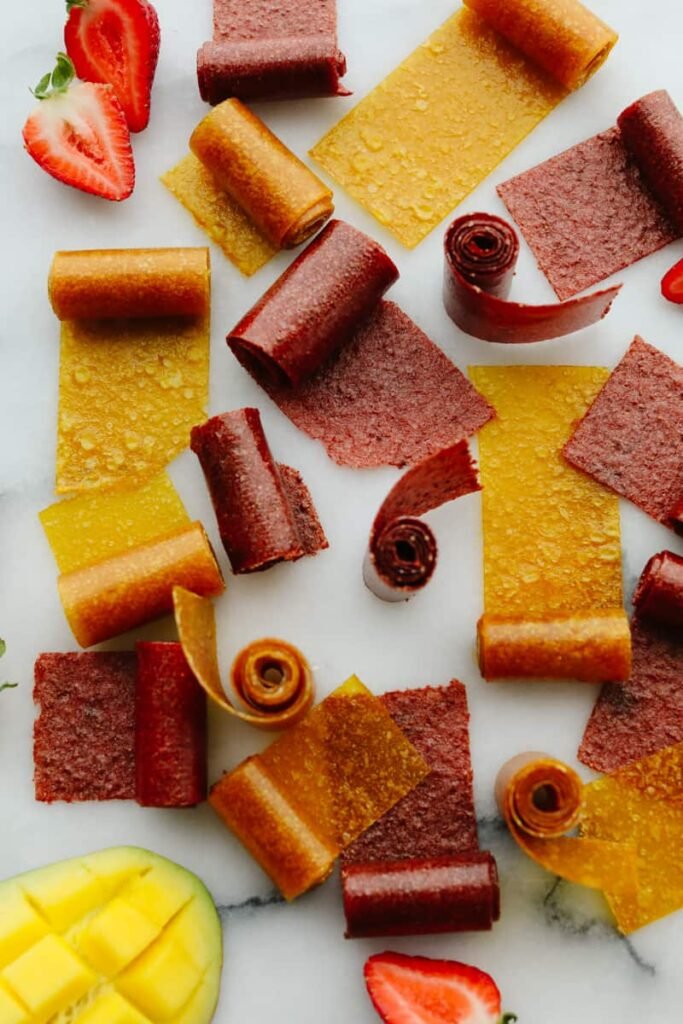
Even though drying reduces water content and inhibits microbial growth, fruit leather is not impervious to spoilage. Its long-term stability depends on how it was prepared and stored.
Why Homemade Fruit Leather Can Spoil
- Residual Moisture: If the fruit puree isn’t dried thoroughly, the remaining moisture can encourage mold growth.
- Exposure to Air: Oxygen can cause oxidation, leading to flavor and color changes over time.
- Humidity: High humidity can make the leather sticky and accelerate microbial activity.
- Temperature Fluctuations: Heat can soften the leather and shorten shelf life.
Understanding these factors helps ensure that fruit leather remains safe and delicious for longer periods.
2. Preparing Fruit Leather for Storage
Proper preparation before storage is key to long-lasting fruit leather.
Steps to Prepare
- Dry Thoroughly:
- Use a dehydrator, oven, or food dryer to remove almost all moisture.
- The leather should be pliable, not sticky, and should peel off the parchment or silicone mat easily.
- Cool Completely:
- Let the fruit leather cool to room temperature after drying.
- Wrapping or storing while warm can trap condensation, causing stickiness and mold.
- Cut Into Portions:
- Slice the leather into individual rolls or rectangles for easy handling.
- Uniform portions ensure consistent storage conditions and make snacking convenient.
- Optional Layering:
- Place a sheet of parchment paper or wax paper between stacked fruit leathers to prevent sticking.
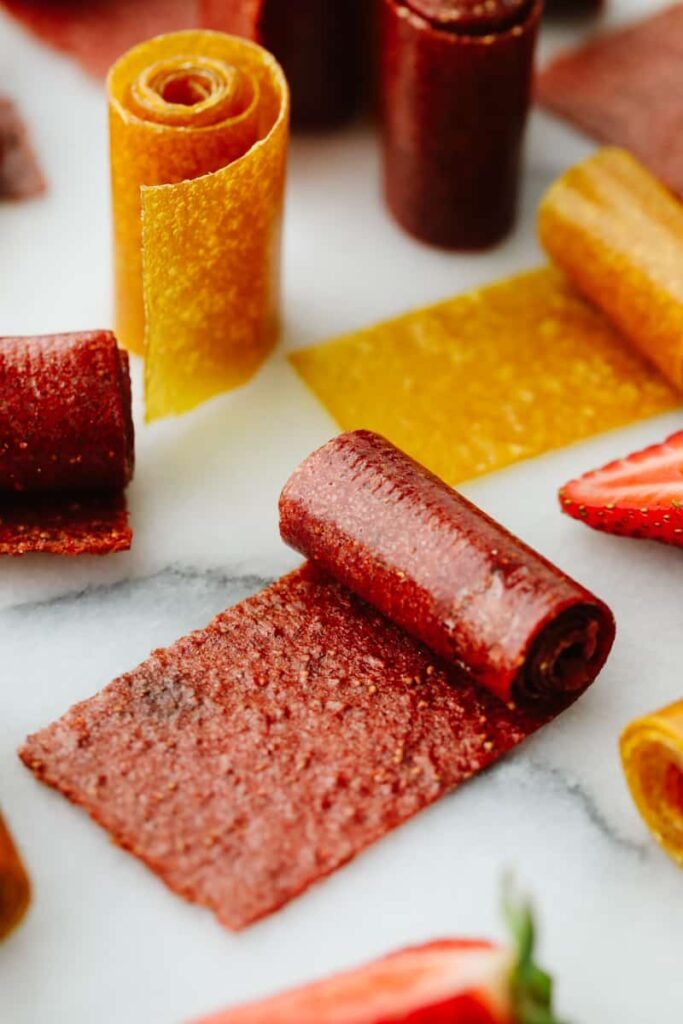
Properly prepared fruit leather has a longer shelf life and is easier to store efficiently.
3. Best Containers for Storing Fruit Leather
Selecting the right container is critical for maintaining flavor, texture, and safety.
A. Airtight Containers
- Plastic or glass containers with tight-fitting lids prevent air exposure.
- Use clean, dry containers to avoid introducing moisture or contaminants.
B. Vacuum-Sealed Bags
- Vacuum sealing is highly effective for long-term storage.
- Removing air minimizes oxidation and prevents microbial growth.
- Ideal for freezing or storing for several months.
C. Resealable Freezer Bags
- High-quality, thick resealable bags work well for medium-term storage.
- Place parchment paper between layers to prevent sticking.
- Remove as much air as possible before sealing.
Avoid loosely sealed plastic wrap or containers, as they allow air and humidity to degrade quality quickly.
4. Temperature and Humidity Control
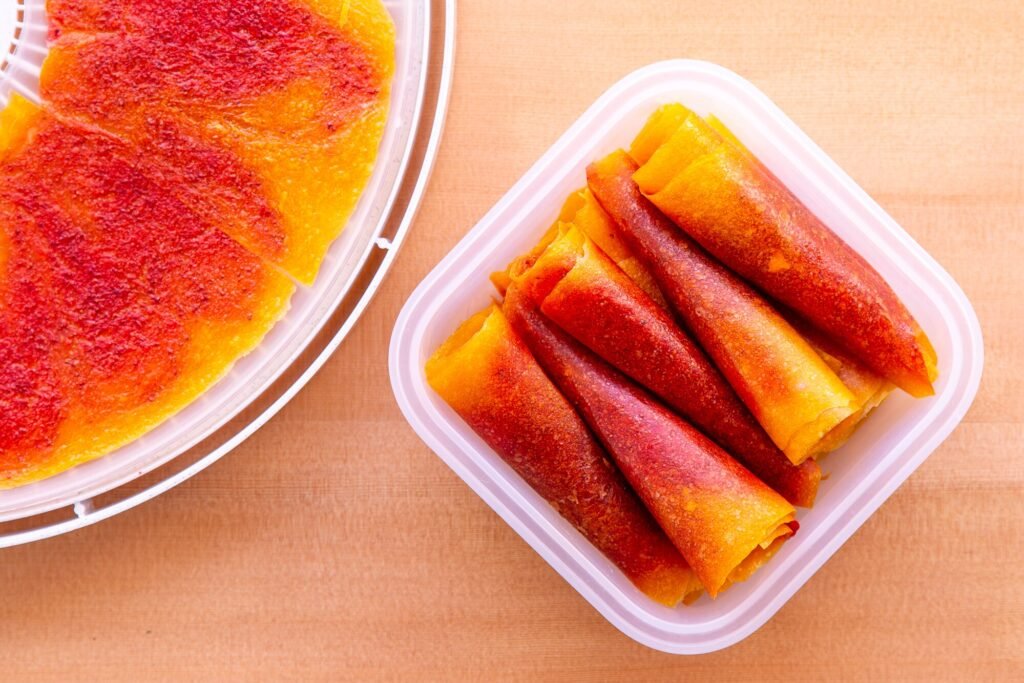
Fruit leather is sensitive to environmental conditions. Proper temperature and humidity control extend its shelf life.
Optimal Storage Conditions
- Room Temperature:
- Store in a cool, dark, dry place, such as a pantry or cupboard.
- Avoid exposure to sunlight or heat sources.
- Under ideal conditions, fruit leather can last up to 1 month.
- Refrigeration:
- In humid climates or for longer-term storage, refrigerate fruit leather in airtight containers.
- Can extend shelf life to 2–3 months while maintaining chewiness.
- Freezing:
- Freeze individually wrapped portions in parchment paper and place them in freezer bags.
- Frozen fruit leather can last 6–12 months with minimal flavor loss.
- Thaw at room temperature before use.
Maintaining consistent temperature and low humidity is essential to prevent stickiness, mold, or loss of flavor.
5. Using Natural Preservatives to Extend Shelf Life
While homemade fruit leather contains no artificial preservatives, natural ingredients can help preserve freshness.
Options
- Lemon Juice:
- Adding a small amount of lemon juice to the fruit puree before drying prevents oxidation and helps retain color.
- Honey or Maple Syrup:
- Acts as a natural humectant, reducing water activity and extending shelf life.
- Citrus Zest:
- Adds flavor and has mild antimicrobial properties.
These natural additions maintain quality while keeping the fruit leather fully vegetarian and safe.
6. Avoiding Common Storage Mistakes
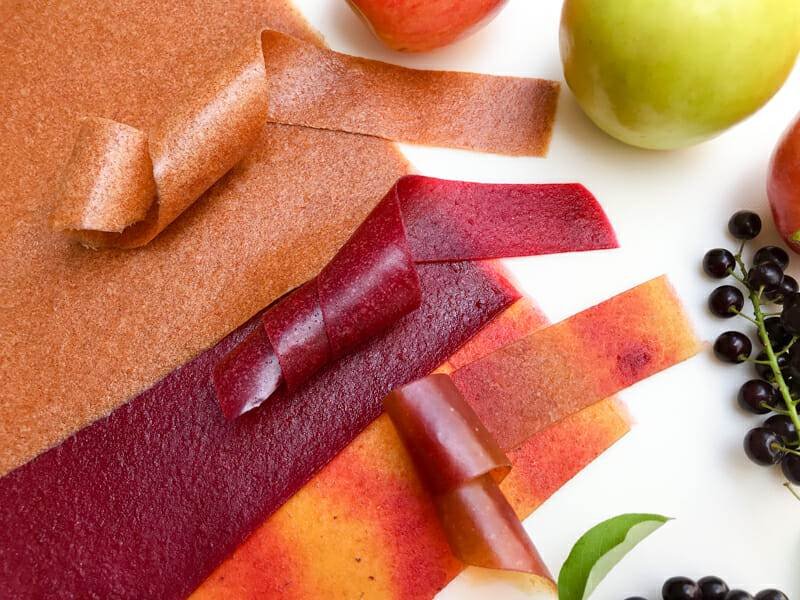
Even with proper preparation, mistakes can shorten shelf life. Avoid these common errors:
| Mistake | Effect | Solution |
|---|---|---|
| Storing while warm | Traps moisture, causes stickiness and mold | Allow fruit leather to cool completely |
| Wrapping in wax or parchment that isn’t dry | Introduces moisture | Ensure all materials are completely dry |
| Exposing to sunlight | Color and flavor degrade | Store in dark containers or cupboards |
| Storing in humid areas | Causes stickiness | Use airtight containers and consider refrigeration in humid climates |
| Overstacking | Sheets stick together | Use parchment paper between layers |
Avoiding these errors ensures that your fruit leather remains delicious and safe.
7. Long-Term Freezing Techniques
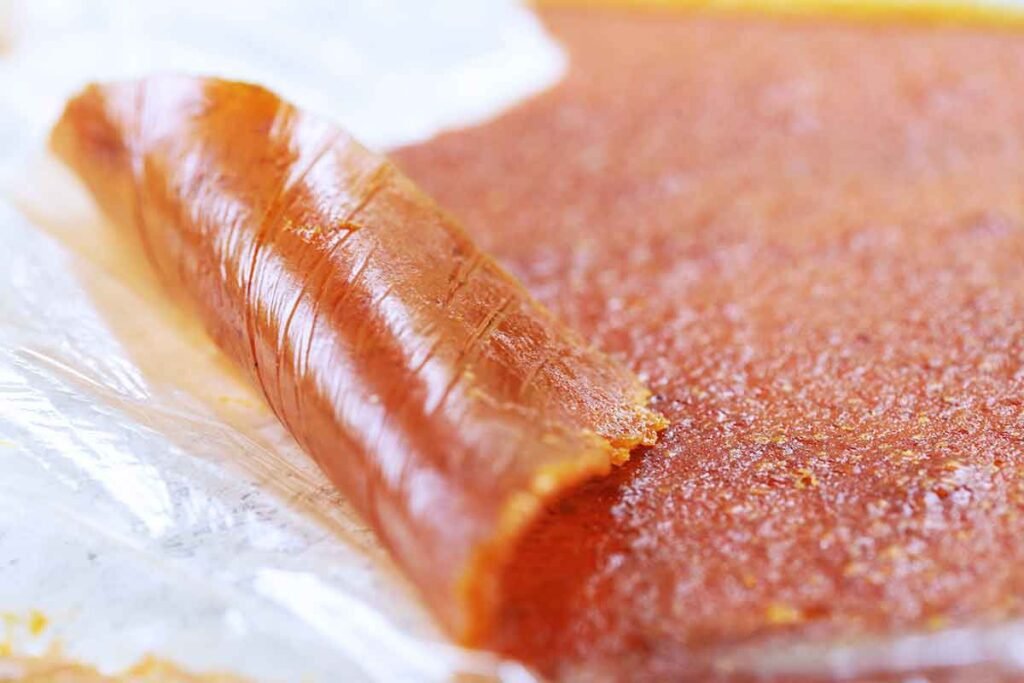
Freezing is the most effective method for preserving homemade fruit leather over extended periods.
Steps for Freezing
- Cut fruit leather into individual portions.
- Place each piece on parchment paper to prevent sticking.
- Wrap tightly in plastic wrap or parchment, then place in thick freezer bags.
- Label with the date and fruit type.
- Store at -18°C (0°F) or lower.
Freezing maintains flavor, chewiness, and color for months. Thaw portions individually to prevent moisture buildup.
8. Tips for Maintaining Flavor and Texture
The goal of proper storage is not only to prevent spoilage but also to retain flavor, aroma, and chewiness.
Key Tips
- Avoid Moisture: Keep fruit leather dry at all stages of storage.
- Prevent Oxidation: Use airtight containers or vacuum sealing to limit oxygen exposure.
- Separate Flavors: Store different fruit varieties separately to prevent flavor transfer.
- Monitor Periodically: Check for signs of mold or stickiness and discard affected portions.
Following these guidelines ensures a consistently high-quality snack.
9. Creative Storage and Serving Ideas
Proper storage also allows you to enjoy fruit leather creatively.
Ideas
- Roll-Ups: Cut into strips and roll for snack packs or lunchboxes.
- Snack Packs: Portion individually into airtight pouches for on-the-go convenience.
- Mix-and-Match: Store different fruit flavors separately and combine at serving time.
- Gift Packs: Homemade fruit leather makes a healthy, personalized gift when stored attractively in jars or boxes.
Storage methods that maintain freshness enhance usability and presentation.
10. Sustainable Practices in Fruit Leather Storage
Preserving homemade fruit leather can also align with eco-friendly kitchen practices.
Suggestions
- Use reusable containers, jars, or silicone bags instead of disposable plastics.
- Compost fruit scraps from peeling or coring.
- Harvest and dry fruit in small batches to avoid waste.
- Label and rotate stored fruit leather to ensure older portions are used first.
Sustainable practices reduce food waste, save money, and contribute to a greener kitchen environment.
Conclusion
Homemade fruit leather is a delicious, nutritious, and fully vegetarian snack, but its longevity depends on proper storage. Key factors include thorough drying, complete cooling, portioning, airtight containers, temperature control, and low humidity.
Natural preservatives like lemon juice or honey can enhance shelf life, while refrigeration and freezing extend usability from weeks to months. Avoiding common mistakes such as storing warm leather, overstacking, or exposing it to humidity ensures that your fruit leather remains flavorful, chewy, and visually appealing.
By implementing these storage tips, you can enjoy homemade fruit leather year-round — a healthy, sustainable, and versatile snack for every household.