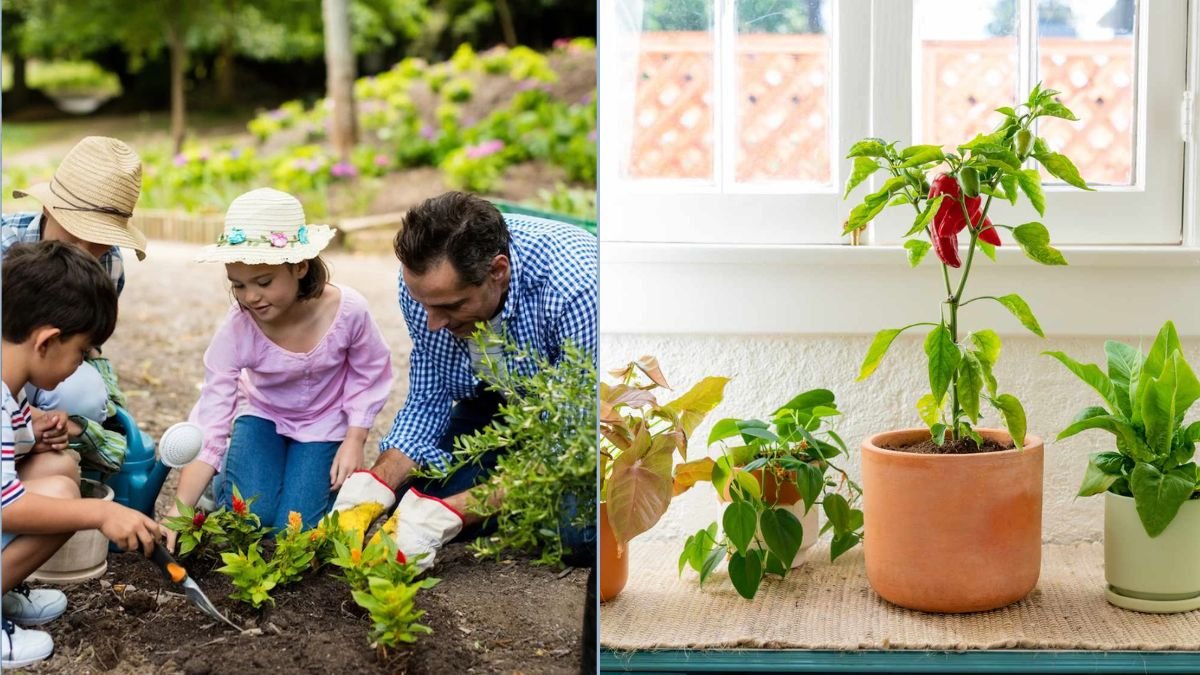
Indoor gardening has become a popular way for families to bring greenery into their homes, improve air quality, and enjoy the satisfaction of growing plants—even in limited spaces. For busy families, the challenge lies in balancing gardening with work, school, and other responsibilities. Fortunately, indoor gardening can be both low-maintenance and rewarding with the right strategies. This article explores practical tips, plant selection, care routines, and creative setups to help busy families successfully cultivate indoor gardens without compromising their schedules.
Benefits of Indoor Gardening for Families
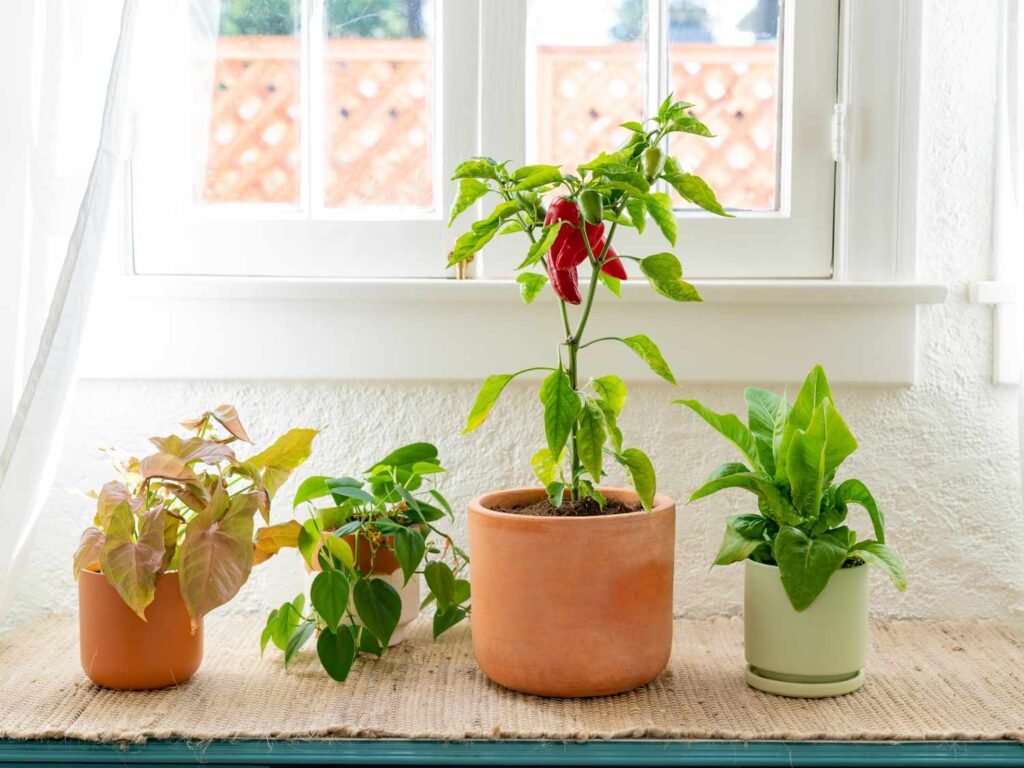
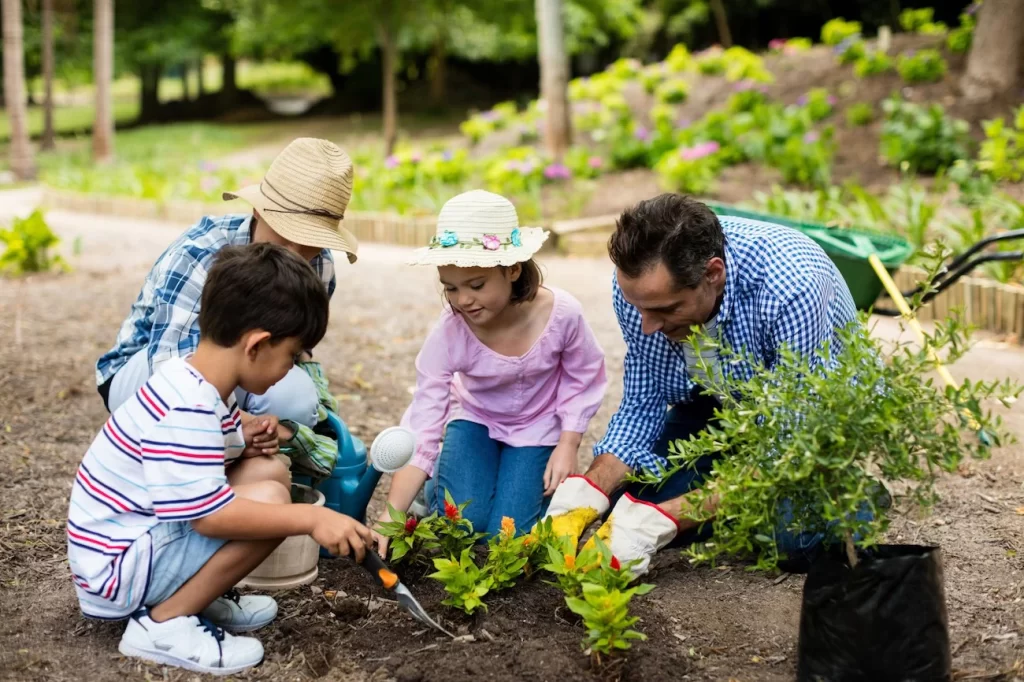
Indoor gardening offers multiple advantages for families, beyond simply beautifying a living space:
- Stress Relief and Mental Health: Caring for plants reduces stress, promotes mindfulness, and encourages family bonding.
- Educational Opportunities: Children can learn about biology, nutrition, and sustainability through hands-on plant care.
- Health Benefits: Indoor plants improve air quality by filtering pollutants and increasing humidity, which can support respiratory health.
- Access to Fresh Produce: Herbs, leafy greens, and small vegetables grown indoors provide fresh, nutritious options for family meals.
Recognizing these benefits can motivate even the busiest families to integrate indoor gardening into their routines.
Choosing the Right Plants
For families with tight schedules, selecting low-maintenance plants is key. Consider the following categories:
- Low-Maintenance Foliage Plants: Pothos, snake plants, ZZ plants, and peace lilies require minimal watering and thrive in indirect light.
- Herbs for Cooking: Basil, mint, parsley, and chives can be grown on windowsills and provide fresh ingredients for meals.
- Edible Greens: Lettuce, spinach, and microgreens grow quickly in small containers, making them ideal for families with children.
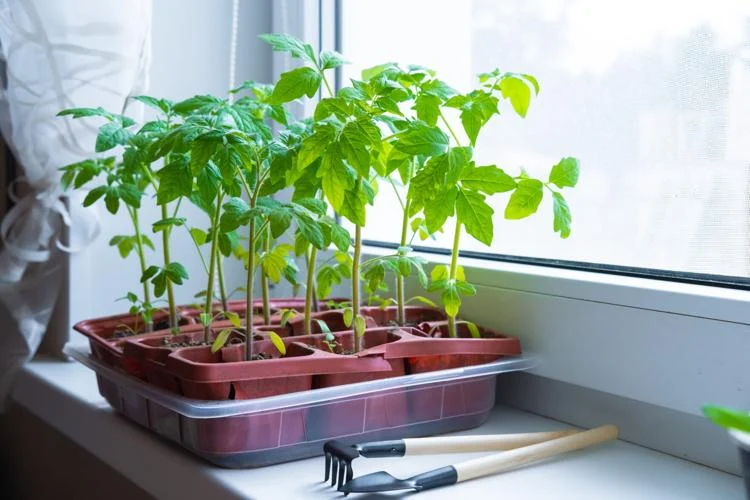
- Compact Fruiting Plants: Cherry tomatoes and small pepper varieties can grow indoors with sufficient light, providing hands-on learning and harvest opportunities.
When selecting plants, consider their light and water requirements, growth speed, and the ability to tolerate occasional neglect.
Choosing Containers and Soil
Container selection plays a crucial role in indoor gardening success:
- Container Size: Choose pots that provide adequate root space without taking up too much room. For herbs and small greens, 6–8 inch pots are sufficient. Fruiting plants may require larger containers, around 5–7 gallons.
- Material: Terra-cotta, plastic, or ceramic pots all work well, as long as they have drainage holes to prevent waterlogging.
- Soil Selection: Use high-quality, well-draining potting soil enriched with organic compost. Avoid using outdoor garden soil alone, which can compact in containers and limit growth.
Using lightweight containers and self-watering pots can further reduce maintenance, making indoor gardening easier for busy families.
Lighting Solutions
Adequate light is essential for healthy plant growth. Many indoor spaces lack sufficient natural sunlight, so artificial lighting may be necessary:
- Natural Light: South-facing windows provide the most sunlight. Rotate plants regularly to ensure even growth.
- Artificial Light: LED grow lights are energy-efficient and provide the full spectrum needed for photosynthesis. Position lights 6–12 inches above plants and provide 12–16 hours of light per day for optimal growth.
- Smart Timing: Using timers for grow lights ensures plants receive consistent light even when family members are busy.
Strategic lighting enables families to maintain healthy plants without dedicating extra time daily.
Watering Techniques
Proper watering is one of the most important aspects of indoor gardening. Overwatering or underwatering can quickly damage plants:
- Consistent Schedule: Water plants when the top inch of soil feels dry. Use a moisture meter for precision, especially for families with busy routines.
- Watering Method: Water at the soil level to avoid wetting leaves, which can lead to fungal growth.
- Self-Watering Options: Self-watering containers or capillary mats reduce the frequency of manual watering, ideal for busy households.
Encouraging older children to participate in watering routines can also make it a fun family activity.
Fertilization and Nutrients
Indoor plants need regular nutrition to thrive, particularly fruiting plants and herbs:
- Organic Fertilizers: Use compost, seaweed extract, or plant-based liquid fertilizers to provide essential nutrients.
- Frequency: Feed plants every 2–4 weeks, adjusting based on growth stage and type of plant.
- Micronutrients: Pay attention to calcium and magnesium, especially for fruiting plants, to prevent blossom-end rot and support overall health.
Maintaining a simple fertilization routine ensures vibrant, healthy plants with minimal effort.
Space-Saving Tips
Busy families often face space constraints, so maximizing available space is essential:
- Vertical Gardening: Use shelves, hanging baskets, or wall-mounted planters to grow multiple plants without taking up floor space.
- Windowsill Gardens: Herbs and small greens can thrive on sunny windowsills.
- Tiered Planters: Multi-level planters are excellent for growing herbs, greens, and small fruiting plants simultaneously.
Clever use of vertical and tiered spaces allows families to maintain a productive indoor garden in limited areas.
Incorporating Children into Gardening
Engaging children in indoor gardening promotes responsibility, creativity, and curiosity:
- Assign Roles: Children can water plants, check growth, or help with harvesting.
- Educational Activities: Teach children about plant life cycles, composting, and photosynthesis through observation and hands-on activities.
- Fun Projects: Decorating pots, labeling plants, or creating mini indoor gardens in jars adds a creative element to gardening.
By making gardening a family activity, it becomes an enjoyable and educational experience rather than a chore.
Managing Pests and Diseases
Even indoor gardens can face pest and disease issues. Preventive measures save time and effort:
- Common Pests: Aphids, spider mites, and fungus gnats may infest indoor plants. Use natural remedies like neem oil, insecticidal soap, or introduce beneficial insects like ladybugs.
- Disease Prevention: Ensure proper air circulation, avoid overwatering, and remove yellowing or diseased leaves promptly.
- Hygiene: Clean pots, tools, and surfaces regularly to prevent fungal growth or bacterial contamination.
Proactive care ensures healthy plants with minimal intervention.
Efficient Time Management for Busy Families
Indoor gardening can fit into even the busiest schedules with a few practical strategies:
- Set a Routine: Dedicate 10–15 minutes a day for watering, pruning, and checking plant health.
- Use Automation: Timers for lights, self-watering containers, and moisture sensors reduce daily tasks.
- Plan Planting Cycles: Grow fast-maturing plants like microgreens or herbs for quick harvests, minimizing long-term maintenance.
Efficient time management ensures indoor gardening remains enjoyable without overwhelming family members.
Harvesting and Enjoying Indoor Plants
Harvesting is one of the most rewarding aspects of indoor gardening:
- Herbs: Harvest leaves regularly to encourage regrowth. Snip from the top rather than pulling out the entire plant.
- Greens: Pick outer leaves of lettuce or spinach while allowing inner leaves to continue growing.
- Fruiting Plants: Harvest cherry tomatoes or peppers when fully colored and slightly soft. Frequent harvesting stimulates further production.
Freshly harvested plants provide flavor, nutrition, and a sense of accomplishment for the whole family.
Conclusion
Indoor gardening is a highly rewarding and practical activity for busy families. With the right plant selection, containers, lighting, watering routines, and space-saving strategies, families can enjoy the beauty, education, and nutrition that indoor gardens provide. By integrating children into the process, using automation where possible, and maintaining efficient routines, indoor gardening becomes a sustainable and enjoyable part of family life. Even in limited spaces, families can create thriving indoor gardens that promote well-being, environmental awareness, and meaningful connections among household members.
Indoor gardening proves that with a little planning and creativity, even the busiest families can cultivate nature’s benefits right inside their homes.