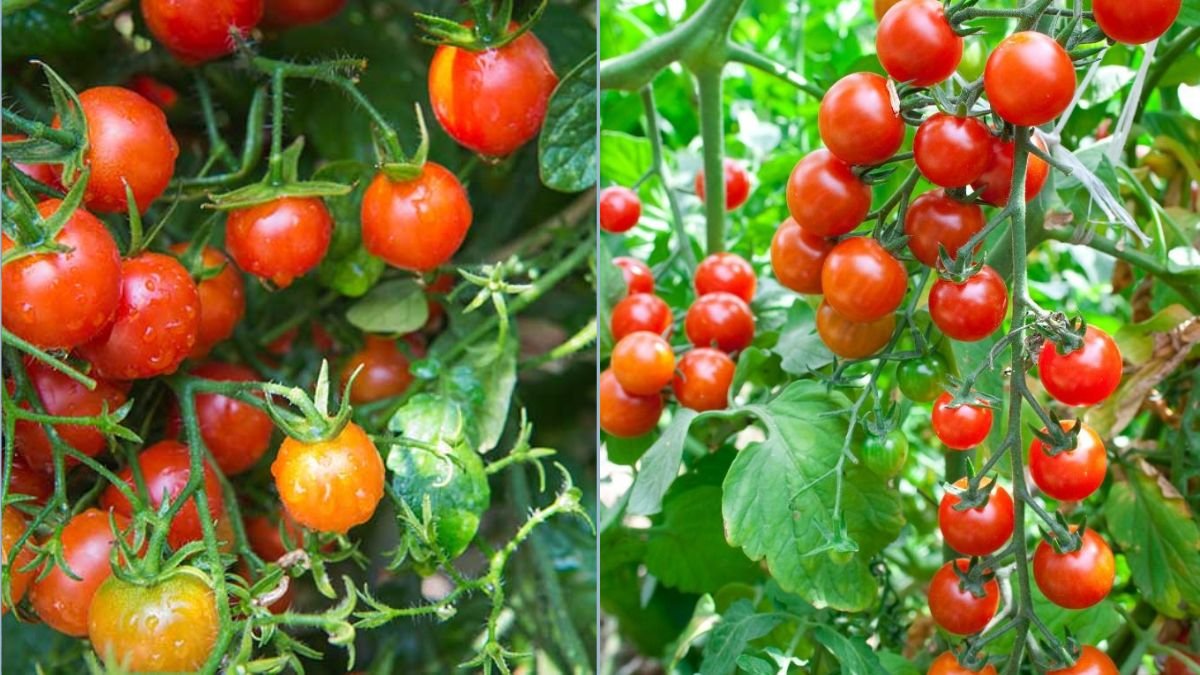
Cherry tomatoes are small, flavorful, and packed with nutrients, making them a favorite choice for home growers and culinary enthusiasts alike. Traditionally, tomatoes are associated with garden cultivation, but not everyone has access to a backyard or outdoor space. Fortunately, cherry tomatoes are highly adaptable and can thrive in indoor environments, on balconies, or even in small apartments. With the right strategies, growing cherry tomatoes without a garden is not only possible but also rewarding. This article explores the essential techniques, tips, and considerations for successfully cultivating cherry tomatoes in non-traditional spaces.
Choosing the Right Variety
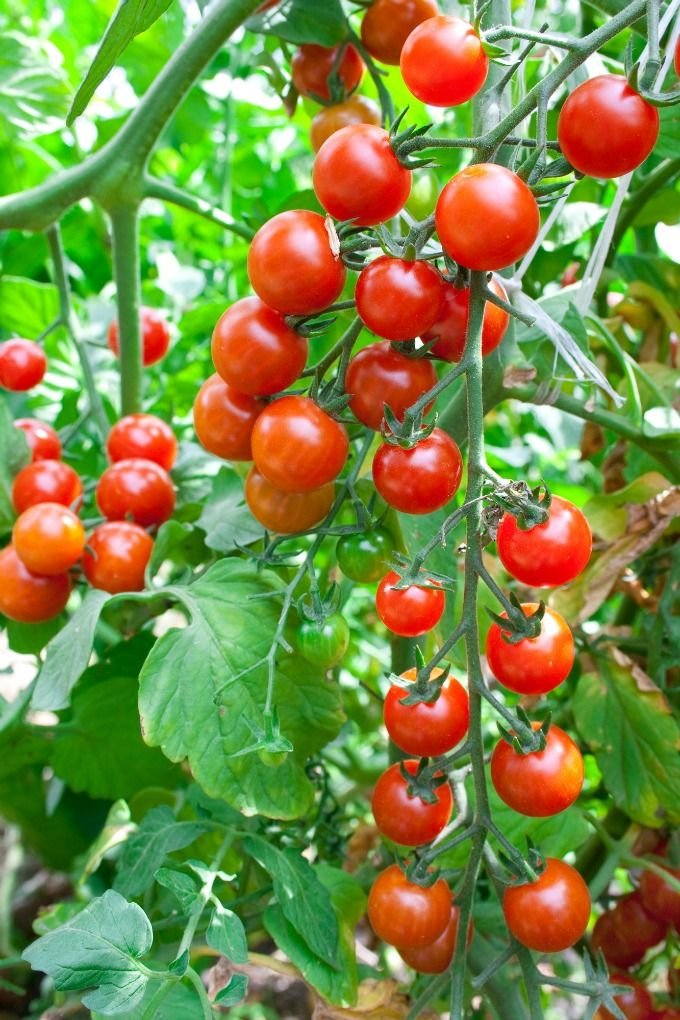
The first step in growing cherry tomatoes indoors or without a garden is selecting the right variety. Cherry tomatoes come in determinate (bushy) and indeterminate (vining) types.
- Determinate Varieties: These grow to a certain size and produce fruit within a shorter period, making them ideal for small containers. Examples include ‘Tiny Tim’ and ‘Patio Princess.’
- Indeterminate Varieties: These continue to grow and produce fruit throughout the season. Varieties such as ‘Sweet Million’ or ‘Sungold’ are perfect for vertical growing setups or trellises, though they require more space.
Choosing the right variety based on space constraints and your harvest goals is crucial for indoor success.
Selecting Containers
Since a traditional garden is not available, container choice becomes vital. Cherry tomatoes need enough room for their roots to spread and sufficient drainage to prevent waterlogging.
- Pot Size: A 5 to 7-gallon pot is generally recommended for a single plant. Smaller containers can work for dwarf varieties but may require more frequent watering.
- Material: Terra-cotta pots, plastic containers, or even recycled containers with drainage holes can be used. Terra-cotta is porous and promotes airflow to the roots, while plastic retains moisture longer.
- Drainage: Ensure your container has at least 3–4 drainage holes at the bottom. Excess water accumulation can lead to root rot, which is detrimental in indoor settings.
Growing Medium
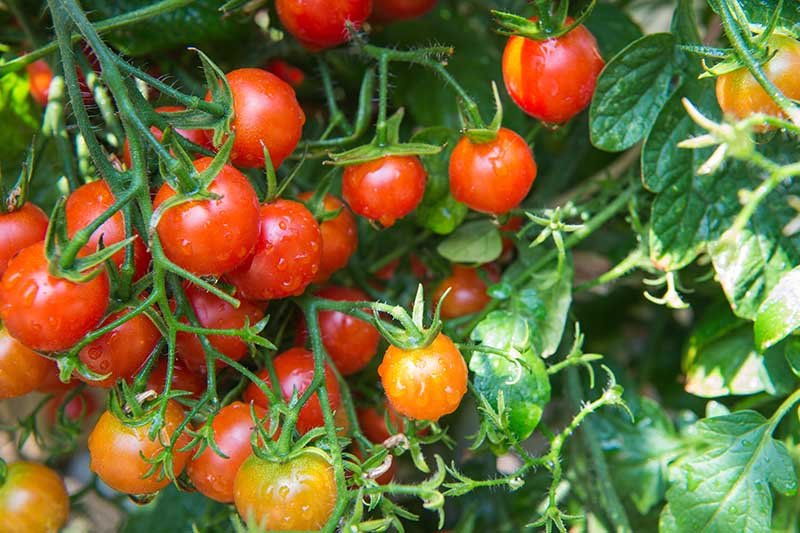
A suitable growing medium is essential for indoor tomato cultivation. Cherry tomatoes thrive in nutrient-rich, well-draining soil.
- Soil Mix: A combination of high-quality potting soil, compost, and perlite or vermiculite creates an ideal environment. Avoid using garden soil alone, as it may compact in containers and hinder root growth.
- pH Level: Tomatoes prefer slightly acidic soil, with a pH range of 6.0–6.8. You can adjust pH using natural amendments like peat moss or agricultural lime.
Lighting Requirements
One of the biggest challenges in indoor tomato cultivation is providing sufficient light. Tomatoes are sun-loving plants and need at least 6–8 hours of direct light daily to thrive.
- Natural Light: South-facing windows are ideal. Place your plants on a windowsill that receives abundant sunlight throughout the day.
- Artificial Light: If natural light is limited, use grow lights. LED or fluorescent grow lights are energy-efficient options that provide the full spectrum needed for photosynthesis. Position the lights 6–12 inches above the plants and run them for 12–16 hours daily.
Watering Techniques
Watering is critical for indoor tomato growth. Overwatering can lead to root diseases, while underwatering stresses the plant and reduces fruit quality.
- Frequency: Water consistently, keeping the soil moist but not soggy. In general, indoor tomatoes may need water every 2–3 days, but this varies based on container size, plant maturity, and indoor humidity.
- Technique: Water at the base of the plant to avoid wetting the leaves, which can increase susceptibility to fungal infections. Self-watering containers or drip irrigation systems can simplify this process.
Fertilization
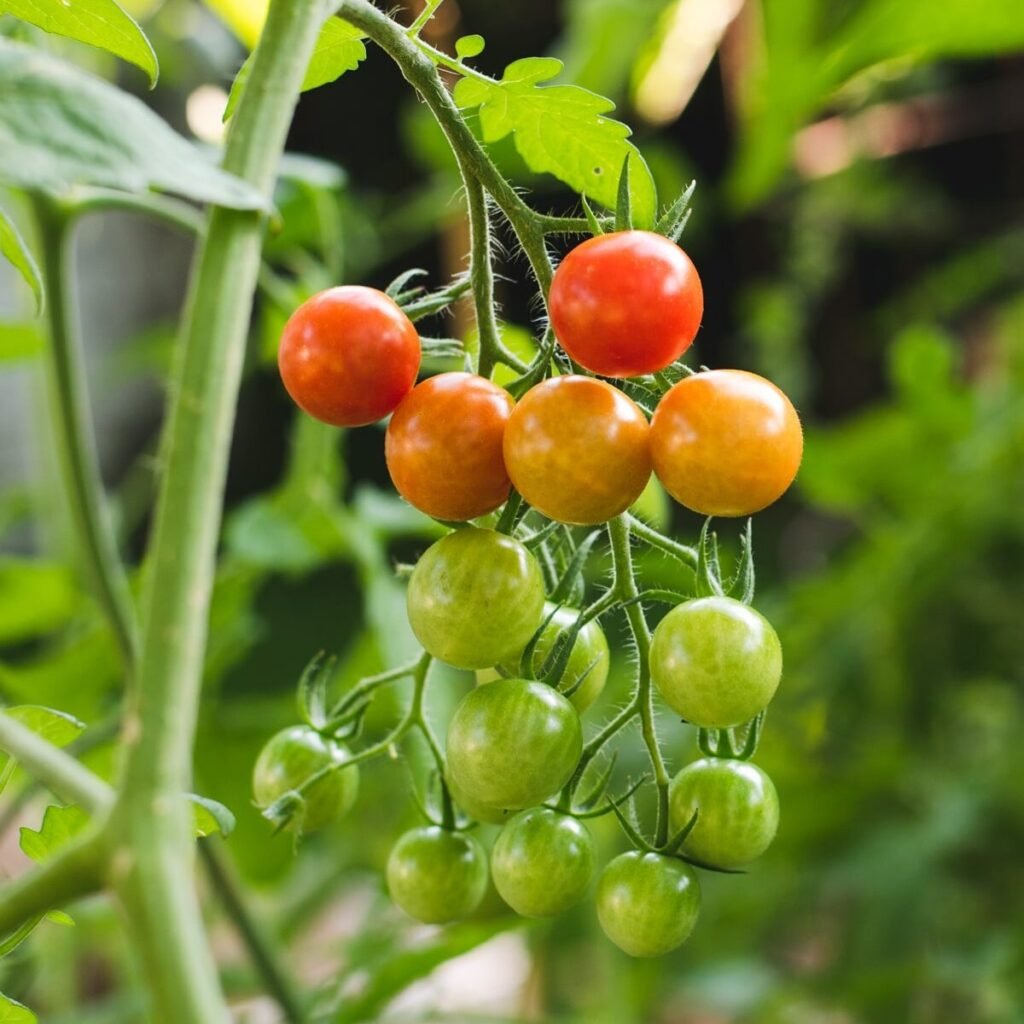
Cherry tomatoes are heavy feeders and require regular nutrient supplementation for optimal fruiting.
- Organic Fertilizers: Use plant-based fertilizers like compost tea, seaweed extract, or fish-free liquid fertilizers rich in nitrogen, phosphorus, and potassium.
- Frequency: Feed every 2–3 weeks, adjusting according to plant size and growth stage. Avoid over-fertilization, which can lead to excessive foliage growth with fewer fruits.
- Micronutrients: Calcium and magnesium are particularly important to prevent blossom-end rot and support overall plant health.
Supporting Growth
Indeterminate cherry tomato varieties benefit from structural support to keep plants upright and facilitate fruit development.
- Trellises and Stakes: Small indoor stakes or mini trellises provide vertical support. Secure the main stem with soft ties or clips.
- Pruning: Remove suckers (small shoots between the main stem and branches) to encourage energy flow toward fruit production. This also improves airflow around the plant, reducing disease risk.
Pollination Strategies
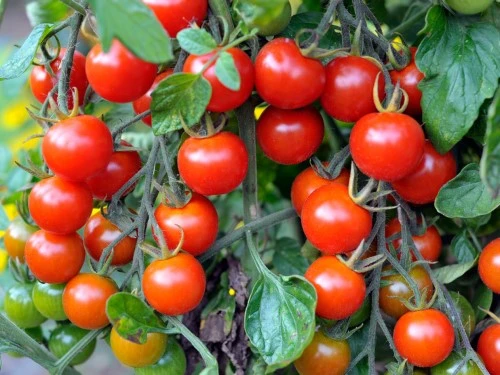
Tomatoes require pollination to set fruit. Outdoors, wind and pollinators like bees assist naturally. Indoors, manual techniques may be necessary.
- Hand Pollination: Gently shake the plant or use an electric toothbrush near flowers to mimic the vibration caused by bees.
- Timing: Pollinate during the morning when flowers are receptive, repeating every few days during flowering periods.
Temperature and Humidity
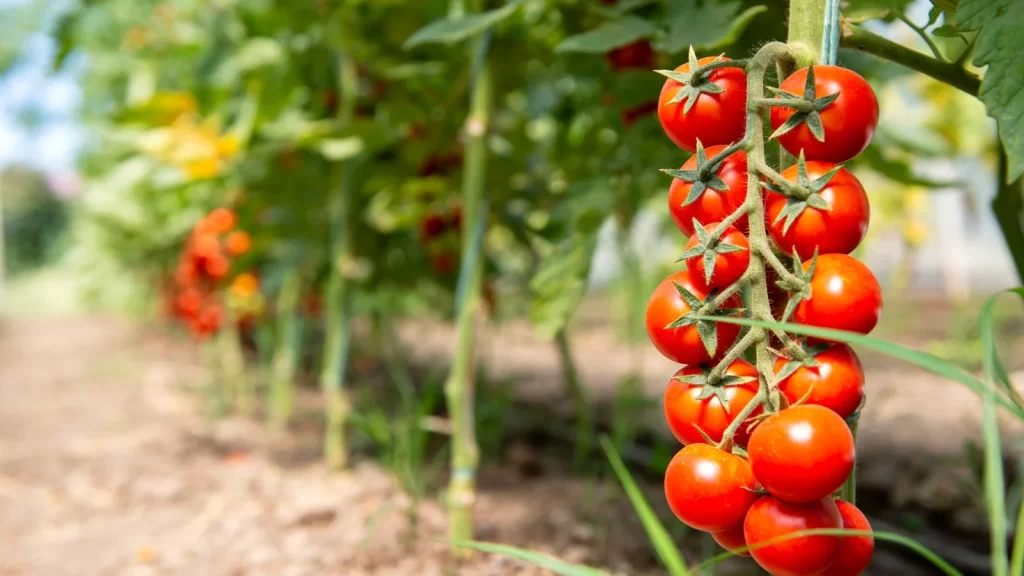
Maintaining optimal temperature and humidity is crucial for indoor cherry tomatoes.
- Temperature: Ideal daytime temperatures range from 70–80°F (21–27°C), while nighttime temperatures should stay between 60–70°F (15–21°C).
- Humidity: Moderate humidity (50–70%) is preferred. Too low humidity may cause flowers to drop, while excess moisture can encourage fungal diseases. Use a humidifier or fan to maintain balance if needed.
Common Challenges and Solutions
Even without a garden, indoor tomato cultivation comes with its challenges:
- Pests: Aphids, spider mites, and whiteflies can infest indoor plants. Use insecticidal soap, neem oil, or introduce natural predators such as ladybugs.
- Diseases: Fungal issues like powdery mildew or root rot are common. Prevent these by ensuring proper spacing, good airflow, and avoiding waterlogged soil.
- Fruit Drop: Environmental stress, insufficient light, or irregular watering may cause premature fruit drop. Address each factor systematically for healthy fruit set.
Harvesting and Storage
Cherry tomatoes mature relatively quickly, often within 60–70 days from planting.
- Harvesting: Pick tomatoes when they are fully colored and slightly soft to the touch. Regular harvesting encourages continued production.
- Storage: Store harvested tomatoes at room temperature away from direct sunlight. Refrigeration may affect flavor and texture.
Creative Indoor Growing Options
For urban dwellers with limited space, creative setups can enhance cherry tomato growth:
- Vertical Gardens: Utilize shelves, wall-mounted planters, or hydroponic towers to maximize space.
- Hanging Baskets: Indeterminate varieties can cascade beautifully from hanging containers.
- Windowsill Farms: Miniature varieties thrive in sunny windows with small pots or grow trays.
Conclusion
Growing cherry tomatoes without a traditional garden is entirely feasible with careful planning, proper containers, suitable lighting, and consistent care. Indoor tomato cultivation not only provides fresh, flavorful fruit year-round but also adds greenery and life to small living spaces. By selecting the right variety, providing nutrient-rich soil, and mimicking outdoor conditions, anyone can enjoy the satisfaction of homegrown cherry tomatoes, even in apartments, balconies, or other limited spaces. The process is both educational and therapeutic, offering a sustainable way to connect with nature without needing a garden.