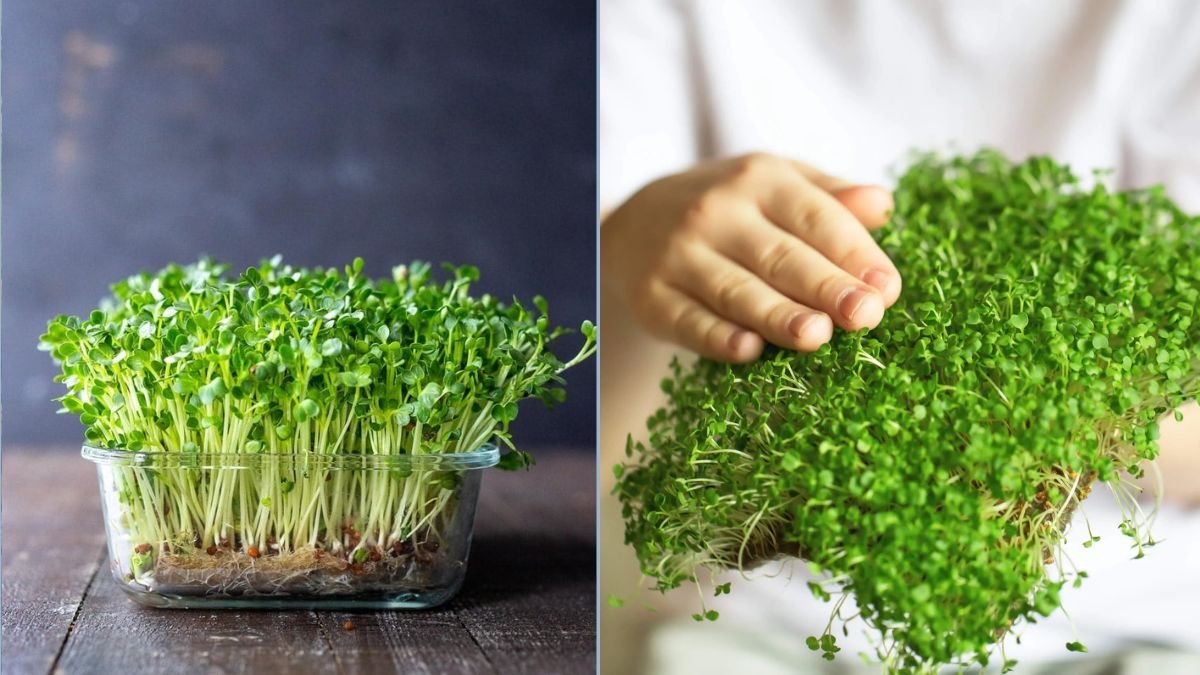
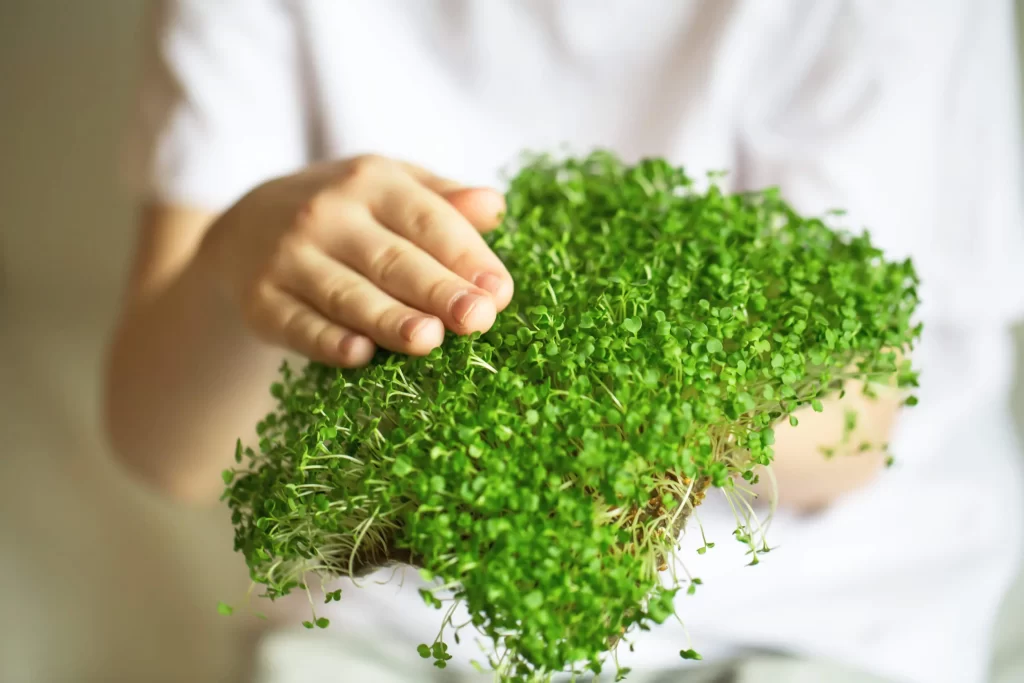
Microgreens are young, tender seedlings of edible vegetables and herbs harvested shortly after germination. Typically, they are harvested 7–21 days after sowing, depending on the variety. Known for their concentrated nutritional content, vibrant colors, and intense flavors, microgreens are increasingly popular in home gardening and urban agriculture. This article provides a comprehensive guide to cultivating fast-growing microgreens at home, emphasizing their nutritional benefits, variety selection, growing techniques, environmental requirements, care strategies, and harvesting practices.
1. Introduction
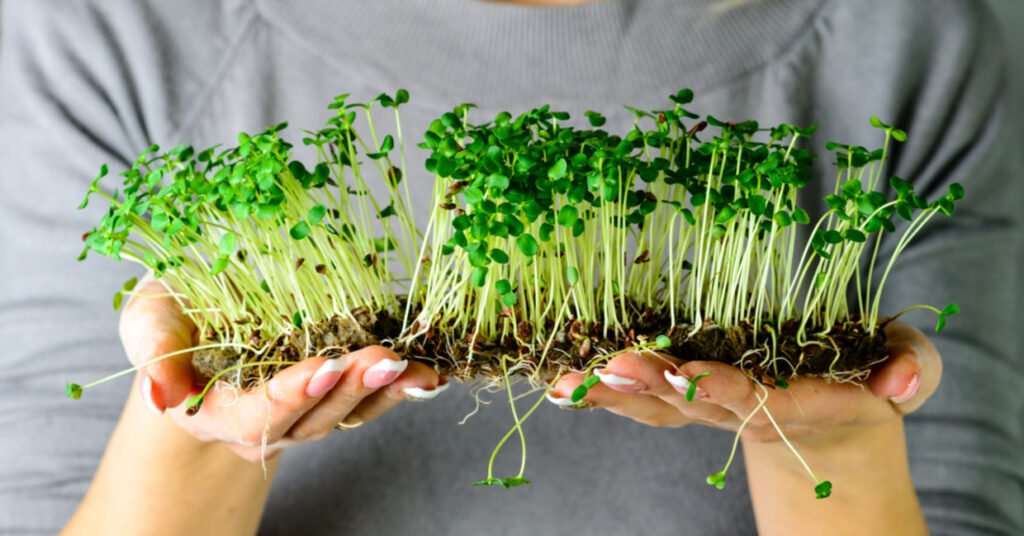
Microgreens are an accessible and highly nutritious option for home gardeners, urban dwellers, and students interested in improving diet quality and experimenting with indoor cultivation. Unlike mature vegetables, microgreens contain higher concentrations of vitamins, minerals, and antioxidants, making them a dense source of nutrition. Varieties such as radish, broccoli, mustard, arugula, and beet greens are particularly rich in nutrients.
Growing microgreens at home offers several advantages: they require minimal space, grow rapidly, and provide fresh greens year-round. Additionally, microgreens can be cultivated indoors under artificial light, making them ideal for apartments and homes with limited outdoor space.
2. Nutritional Benefits of Microgreens
Microgreens offer a wide array of nutrients that support human health:
- Vitamins – Rich in A, C, E, and K
- Minerals – High in potassium, calcium, magnesium, and iron
- Antioxidants – Contain polyphenols and carotenoids that combat oxidative stress
- Phytonutrients – Promote heart health, immune function, and anti-inflammatory responses
- Dietary fiber – Supports digestion and gut health
Studies show that microgreens can contain up to 40 times higher nutrient density than their mature counterparts, making them an excellent supplement to daily diets.
3. Selecting Microgreen Varieties for Fast Growth
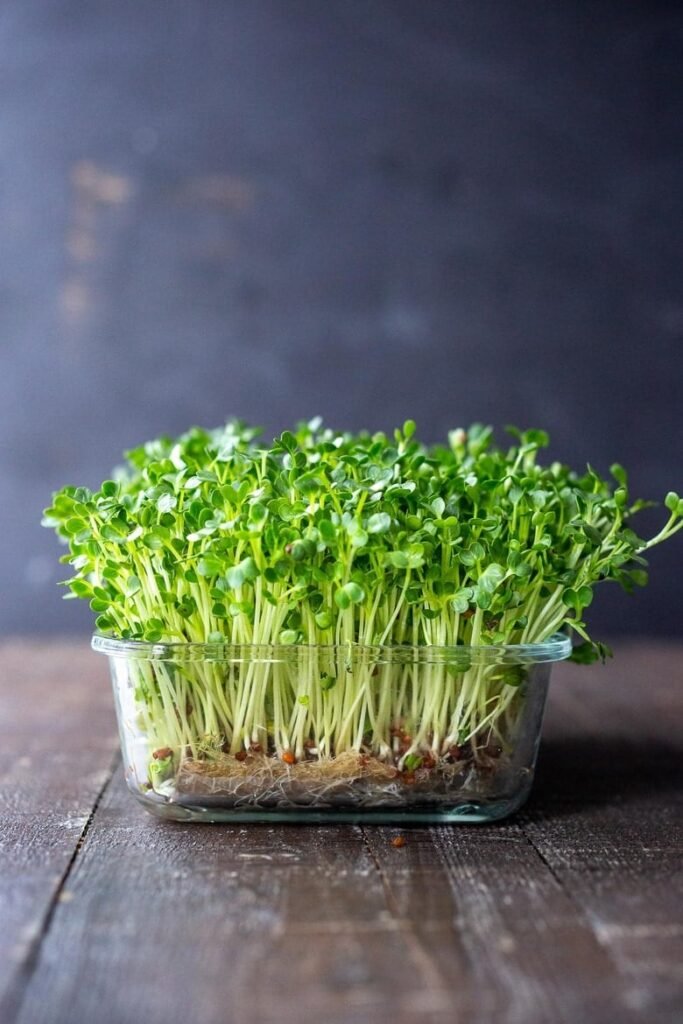
For home cultivation, fast-growing varieties ensure a continuous supply of fresh greens. Recommended fast-growing microgreens include:
- Radish – Harvestable in 7–10 days, spicy flavor, rich in vitamin C
- Broccoli – Harvestable in 10–14 days, high in sulforaphane and antioxidants
- Mustard – Harvestable in 7–12 days, pungent flavor, supports digestion
- Arugula – Harvestable in 10–14 days, peppery taste, rich in calcium and magnesium
- Beet Greens – Harvestable in 12–14 days, vibrant red stems, high in folate
- Cress – Harvestable in 7–10 days, mild peppery flavor, nutrient-dense
Selecting varieties with short germination periods allows gardeners to maintain succession planting, ensuring a continuous harvest and diverse flavor profiles.
4. Choosing Containers and Growing Medium
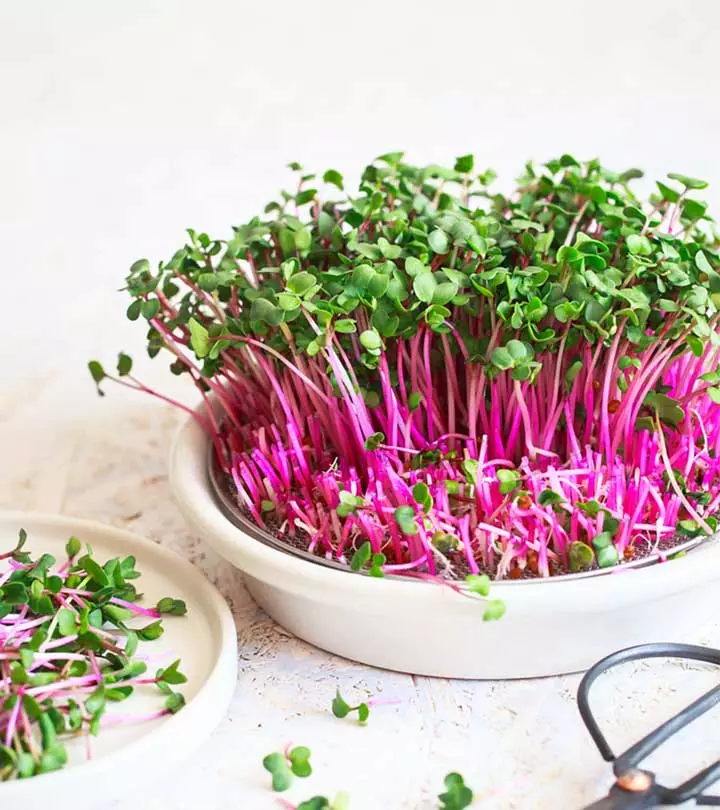
Microgreens can thrive in various containers and growing mediums. Proper selection enhances germination and growth rates.
a. Containers
- Shallow trays – Standard 2–3 inch depth for most microgreens
- Seedling flats – Ideal for larger batches
- Recycled containers – Eco-friendly options such as plastic food trays or small boxes
b. Drainage
- Some microgreens require drainage holes; others (like sprouts) grow well without
- Ensure even water distribution to prevent mold and fungal issues
c. Growing Medium
- Soilless mix – Coco coir, peat moss, or a combination with perlite for aeration
- Organic potting soil – Provides nutrients for slightly longer growth periods
- Hydroponic mats – Hemp or jute mats allow clean, soil-free growth and quick harvesting
5. Seed Preparation and Sowing
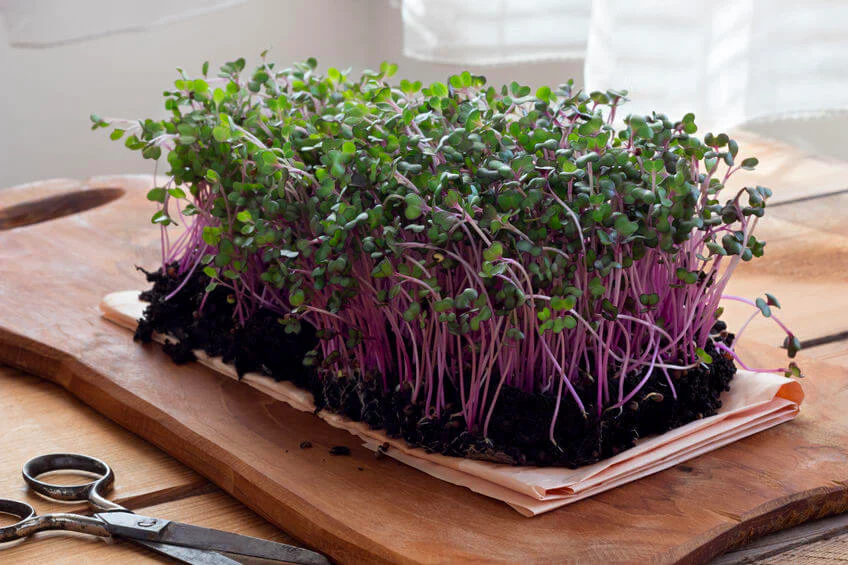
a. Seed Selection
- Use untreated, organic seeds for safe home consumption
- Choose varieties labeled for microgreen production to ensure germination
b. Seed Soaking
- Soak larger seeds (e.g., peas, sunflower) for 4–12 hours to speed up germination
- Smaller seeds (e.g., radish, mustard) typically do not require soaking
c. Sowing
- Spread seeds evenly over the growing medium
- Lightly press seeds into the medium without covering (for small seeds)
- Maintain proper spacing to prevent overcrowding and mold growth
6. Environmental Requirements
a. Light
- Microgreens require 12–16 hours of light daily
- Natural sunlight is sufficient near a south-facing window
- For low-light conditions, use full-spectrum LED grow lights positioned 12–18 inches above the seedlings
b. Temperature
- Optimal growth: 65–75°F (18–24°C)
- Avoid extreme heat or cold, which can slow germination or reduce quality
c. Humidity
- Maintain moderate humidity (40–60%) for seed germination
- Cover trays with a light lid or dome for initial germination to retain moisture
7. Watering and Moisture Management
- Keep the growing medium consistently moist using a spray bottle or gentle watering
- Avoid waterlogging, which can lead to fungal growth or damping-off disease
- Bottom watering can reduce the risk of mold by keeping leaves dry
8. Nutrient Management for Microgreens
- Most microgreens do not require fertilization due to their short growth period
- If growing for longer durations (e.g., sunflower or pea shoots), dilute liquid organic fertilizer can be applied after germination
- Ensure medium is nutrient-rich for varieties requiring more support, such as beet or kale microgreens
9. Pest and Disease Management (Non-Toxic Methods)
a. Common Issues
- Mold and fungal growth
- Aphids or whiteflies in indoor setups
b. Preventive Measures
- Maintain airflow around trays
- Avoid overcrowding seeds
- Use clean containers and sanitized growing medium
- Remove moldy patches immediately to prevent spread
c. Non-Toxic Solutions
- Neem oil or insecticidal soap for occasional insect infestations
- Fans to increase air circulation and reduce humidity
- Regular tray rotation for uniform light exposure
10. Harvesting Microgreens
a. Timing
- Harvest microgreens when cotyledons (seed leaves) are fully developed
- Typical harvest ranges: 7–21 days depending on variety
b. Technique
- Use scissors to cut stems just above the growing medium
- Harvest early in the morning for optimal flavor and nutrient content
c. Continuous Production
- Practice succession planting by sowing new trays every 3–5 days
- Ensures a steady supply of fresh, nutrient-rich greens for home use
11. Storage and Consumption
- Microgreens are best consumed fresh to maximize nutritional benefits
- Store harvested microgreens in airtight containers in the refrigerator for 3–5 days
- Wash gently before use in salads, smoothies, garnishes, or sandwiches
12. Maximizing Yield in Small Spaces
- Stackable trays or vertical shelves optimize limited space
- Succession planting maintains continuous harvest
- Combination of varieties provides diverse flavors and nutrient profiles
- Proper light and moisture management ensures rapid growth and uniformity
13. Sustainability Considerations
- Microgreens require minimal water and space compared to mature crops
- Encourage organic, chemical-free home gardening practices
- Reduce reliance on store-bought greens, minimizing packaging and food miles
- Reuse trays and compost spent growing medium for future planting
14. Challenges and Solutions
- Mold and fungal issues: Maintain proper spacing, airflow, and consistent moisture
- Insufficient light: Supplement with full-spectrum LEDs or reflective surfaces
- Pest infestations: Monitor regularly and use non-toxic treatments
- Seed failure: Use high-quality, untreated seeds and follow proper sowing techniques
Addressing these challenges ensures high-quality, nutrient-dense microgreens for home consumption.
15. Conclusion
Fast-growing microgreens are a practical, space-efficient, and highly nutritious solution for home gardeners. By selecting suitable varieties, providing appropriate containers and growing media, maintaining consistent light, moisture, and temperature, and implementing non-toxic pest management, gardeners can achieve rapid, year-round harvests.
Microgreens enhance home nutrition, support sustainable gardening practices, and offer educational and culinary opportunities for individuals of all ages. With careful planning and attentive care, even small indoor spaces can produce abundant, vibrant, and nutrient-rich greens that contribute to a healthier diet and sustainable lifestyle.