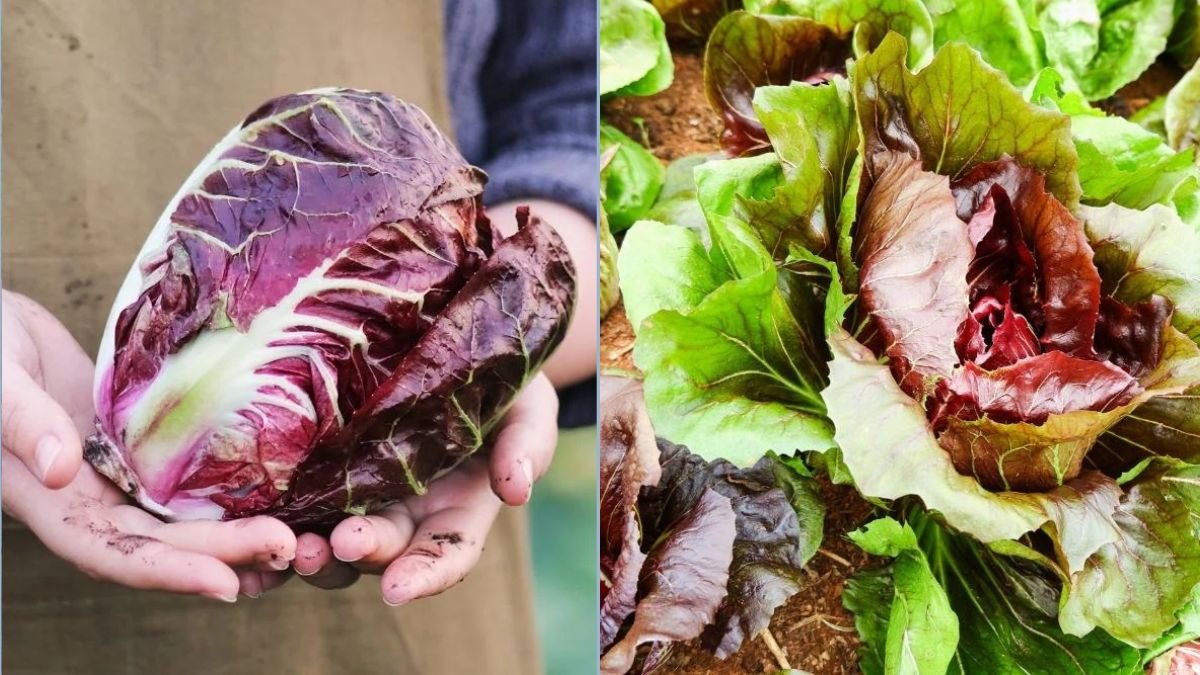
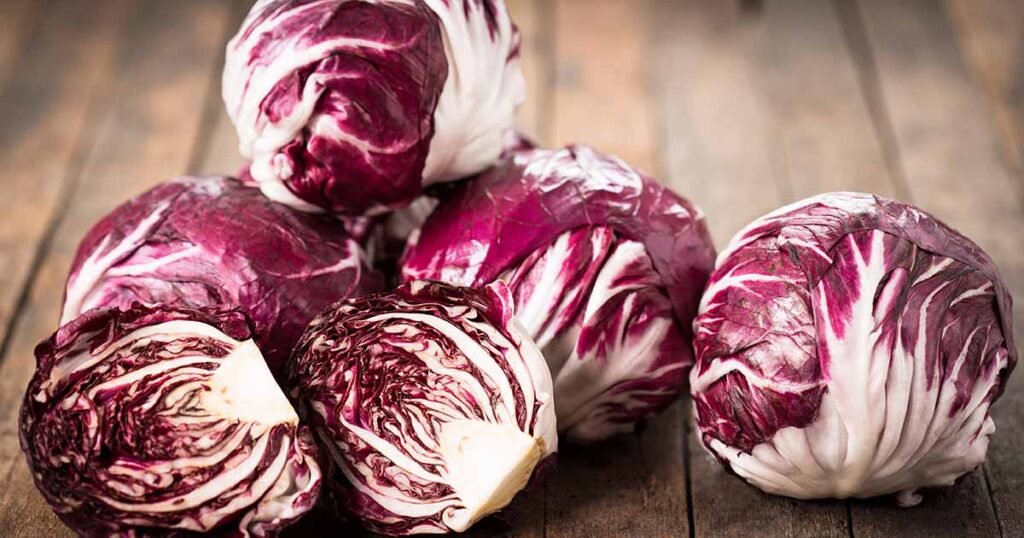
Radicchio (Cichorium intybus), also known as Italian chicory, is a leafy vegetable renowned for its striking red and white coloration, slightly bitter flavor, and high nutritional value. It thrives in cool weather, making fall the optimal season for cultivation. Radicchio is rich in vitamins, minerals, antioxidants, and dietary fiber, making it a healthy addition to salads and cooked dishes. Planting radicchio for a fall harvest allows gardeners to enjoy fresh, flavorful greens as temperatures cool. This article provides a comprehensive guide for cultivating radicchio, covering variety selection, soil preparation, planting techniques, care, and harvest strategies.
1. Introduction
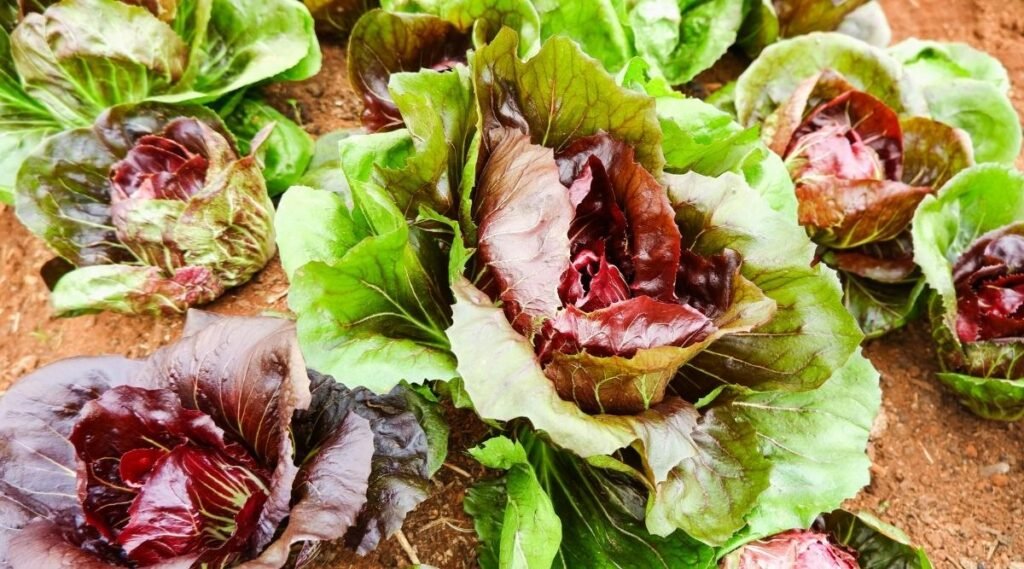
Radicchio is a cool-season leafy crop that prefers growing temperatures between 45–75°F (7–24°C). Fall planting takes advantage of cooler weather, which enhances leaf color and flavor while reducing the risk of bolting. Unlike summer crops that may succumb to heat stress, radicchio develops dense, tender heads in autumn conditions. Growing radicchio not only provides high-quality, visually appealing produce but also supports sustainable gardening practices by extending the harvest season into cooler months.
Indoor, container, or raised-bed cultivation is feasible for radicchio, offering flexibility for gardeners with limited space. Fall planting is particularly valuable for urban agriculture, research, and small-scale food production.
2. Benefits of Fall Radicchio Cultivation
a. Enhanced Flavor and Color
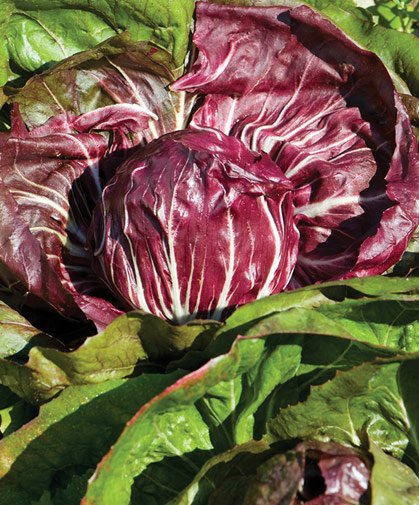
Cooler temperatures intensify radicchio’s natural red pigmentation and bitter-sweet taste.
b. Extended Growing Season
Fall planting allows gardeners to continue harvesting fresh greens after summer crops have finished.
c. Nutritional Value
Radicchio is rich in vitamin K, vitamin C, folate, potassium, and antioxidants.
d. Low Pest Pressure
Cool weather reduces the prevalence of common pests such as aphids and slugs.
e. Space Efficiency
Radicchio can be grown in raised beds, small plots, or containers, making it suitable for both urban and rural gardens.
3. Selecting Radicchio Varieties for Fall
Choosing the right variety ensures optimal growth and quality.
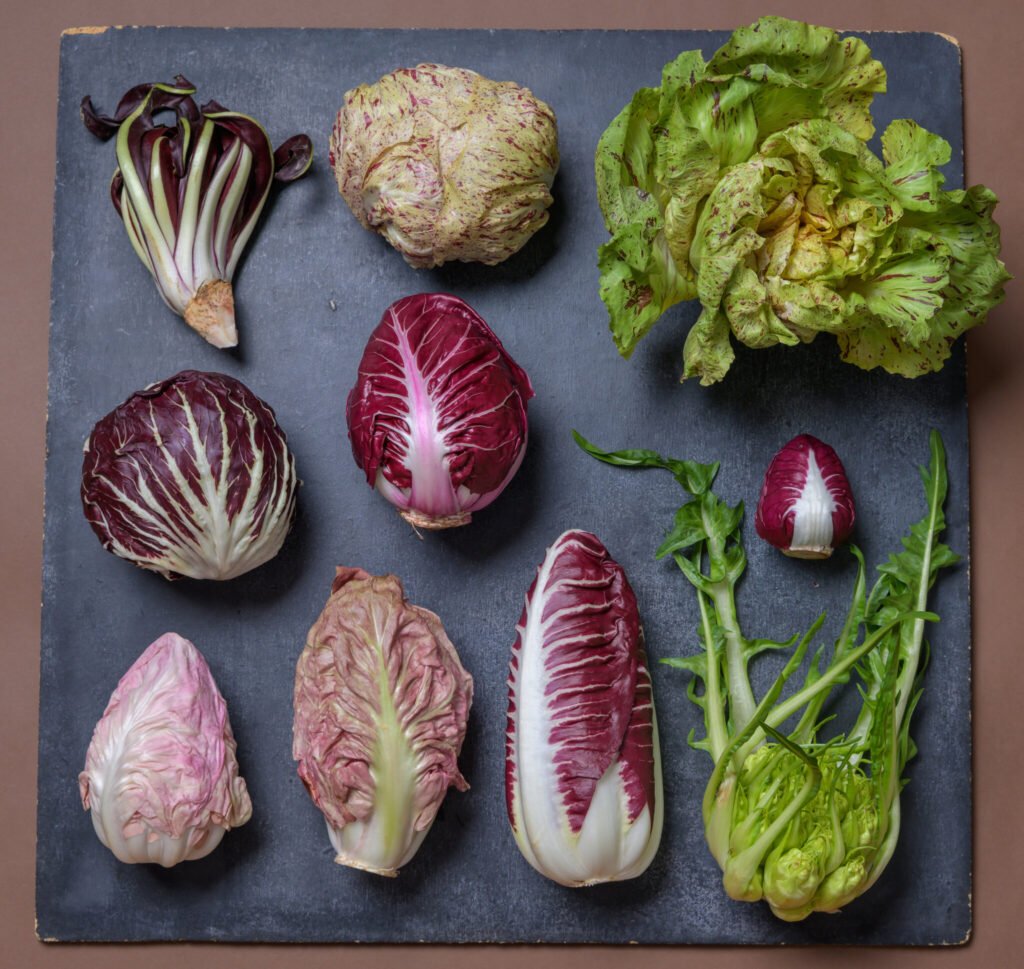
- ‘Chioggia’ – Traditional Italian variety with round, compact heads and striking red leaves
- ‘Treviso’ – Elongated heads, suitable for fall forcing or open-field cultivation
- ‘Palla Rossa’ – Dense, round heads ideal for early fall harvests
- ‘Verona’ – Compact, mildly bitter variety that matures quickly
- ‘Rubin’ – Cold-hardy variety with uniform red leaves for consistent production
Selecting cold-tolerant varieties ensures strong growth and reduces the risk of bolting in autumn conditions.
4. Soil Preparation
Healthy, fertile soil is essential for radicchio’s robust growth.
a. Soil Composition
- Well-drained loamy soil
- Rich in organic matter (compost or well-aged manure)
- Optional perlite or sand for improved aeration
b. Soil pH
- Optimal pH: 6.0–7.0
- Neutral soil supports nutrient uptake and head formation
c. Fertilization
- Pre-planting: Incorporate balanced organic fertilizer or compost
- Growing stage: Apply liquid compost tea every 2–3 weeks
- Avoid excessive nitrogen, which encourages leafy growth but delays head formation
5. Planting Techniques
a. Direct Sowing
- Sow seeds ¼–½ inch deep in rows spaced 12–18 inches apart
- Thin seedlings to 8–10 inches apart for optimal head development
b. Transplanting
- Start seeds indoors 6–8 weeks before fall planting
- Transplant seedlings when they reach 3–4 inches tall
- Acclimate seedlings to outdoor conditions gradually to prevent transplant shock
c. Container and Raised-Bed Planting
- Use 6–8 inch deep containers for individual plants
- Raised beds improve drainage and temperature control for fall growth
6. Light and Temperature Requirements
a. Light
- Radicchio requires 6–8 hours of sunlight daily
- Partial shade can be tolerated in warmer fall regions
b. Temperature
- Ideal growing range: 45–75°F (7–24°C)
- Cool nights enhance red leaf pigmentation
- Protect plants from frost using row covers or cloches if temperatures drop below 32°F (0°C)
7. Watering and Moisture Management
- Keep soil consistently moist but not waterlogged
- Water at the base to reduce leaf disease
- Mulch soil surface with straw or shredded leaves to conserve moisture and moderate soil temperature
- Proper irrigation encourages uniform head formation and tender leaves
8. Nutrient Management
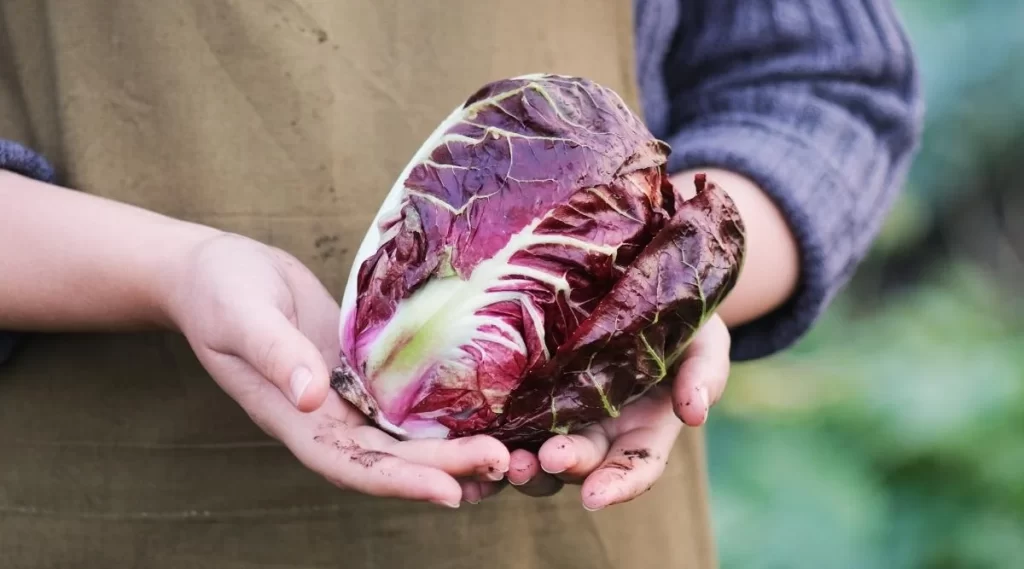
- Apply liquid organic fertilizers or compost tea every 2–3 weeks during active growth
- Potassium promotes head firmness and pigmentation
- Monitor plants for yellowing leaves or stunted growth, which may indicate nutrient deficiency
9. Pest and Disease Management (Non-Toxic Methods)
a. Common Pests
- Aphids
- Slugs and snails
- Leaf miners
b. Preventive Measures
- Inspect leaves regularly and remove damaged foliage
- Use physical barriers like mesh or slug traps
- Introduce beneficial insects, such as ladybugs, to control aphids
c. Disease Management
- Maintain proper spacing and airflow to prevent fungal infections
- Avoid overhead watering and remove diseased leaves promptly
- Rotate crops annually to reduce soil-borne disease risk
10. Harvesting Radicchio for Fall
a. Timing
- Harvest heads when they are dense, firm, and compact
- Baby leaves can be harvested earlier for salads
b. Technique
- Cut heads at the base using a sharp knife
- Remove outer leaves if damaged, leaving inner leaves for continued growth
c. Succession Harvest
- Stagger sowing dates to maintain continuous fall harvest
- Ensures a steady supply of radicchio for extended autumn use
11. Maximizing Yield in Fall Plantings
- Use cold-tolerant varieties to extend harvest into late fall
- Succession sowing every 2–3 weeks for continuous supply
- Raised beds and containers enhance drainage and temperature control
- Mulching preserves soil moisture and reduces competition from weeds
- Monitor and manage pests proactively for higher-quality heads
12. Sustainability Considerations
- Reduces reliance on store-bought produce and transportation emissions
- Supports organic, chemical-free cultivation practices
- Optimizes fall season productivity, extending urban and small-space food production
- Composting outer leaves and plant residues enhances soil fertility for future crops
13. Challenges and Solutions
- Frost exposure: Use row covers or cloches to protect sensitive plants
- Bolting: Plant in cool weather and choose slow-bolting varieties
- Pest pressure: Implement physical barriers and beneficial insects
- Uneven growth: Ensure consistent watering, light exposure, and spacing
- Soil nutrient imbalance: Apply compost and organic fertilizers as needed
Addressing these challenges ensures healthy, visually appealing radicchio with strong fall productivity.
14. Culinary and Nutritional Benefits
- Rich in vitamins K and C, folate, and antioxidants
- Low-calorie, high-fiber addition to salads, sautés, and side dishes
- Slightly bitter taste complements sweeter vegetables, enhancing culinary versatility
- Freshly harvested radicchio retains optimal flavor and nutrient density
15. Conclusion
Planting radicchio for a fall harvest is a rewarding practice for both home gardeners and small-scale producers. By selecting cold-tolerant varieties, preparing fertile soil, providing consistent water and nutrients, and managing pests and diseases organically, gardeners can achieve dense, flavorful heads suitable for autumn consumption. Succession sowing, raised beds, and container cultivation further enhance productivity, ensuring a steady supply of this visually striking and nutrient-rich vegetable.
Fall radicchio not only extends the growing season but also supports sustainable, space-efficient gardening practices. With careful planning and attentive care, radicchio can thrive in small urban gardens, patios, and raised beds, offering fresh, healthy greens for the autumn months.