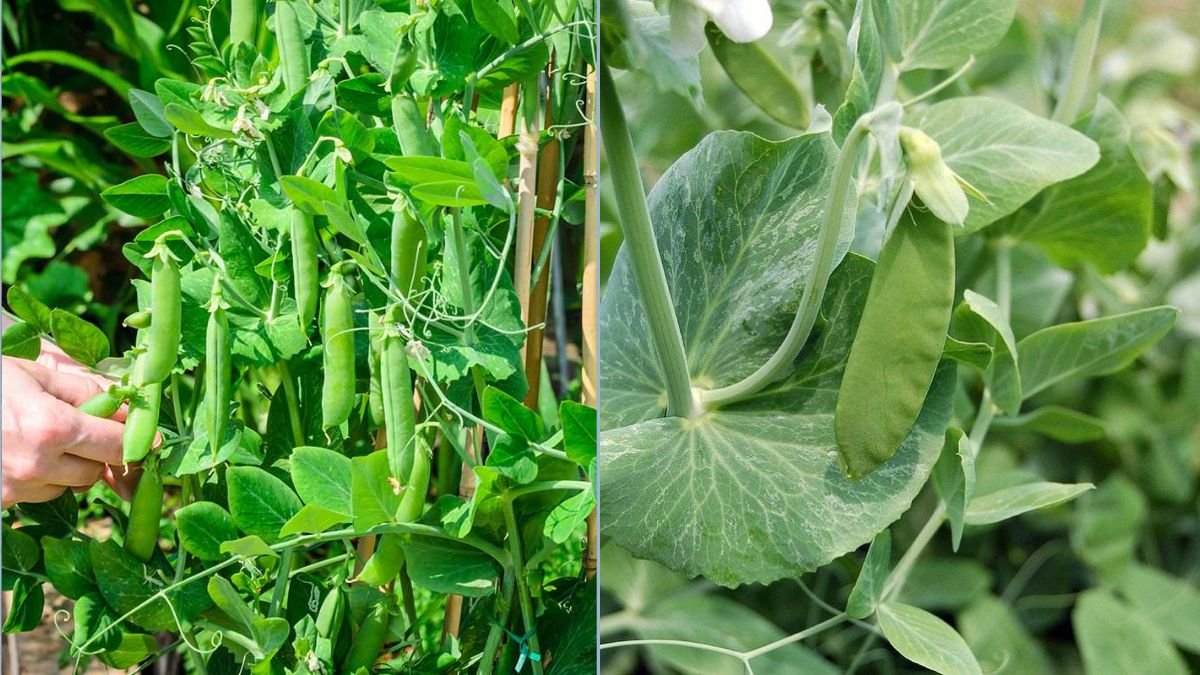
Peas (Pisum sativum) are versatile, nutrient-rich legumes that can thrive in a variety of growing conditions, making them an ideal crop for container gardening. From small urban apartments to balcony gardens, growing peas in containers offers a practical, space-efficient way to cultivate fresh, protein-rich vegetables year-round. This article provides a comprehensive guide on cultivating peas in containers, detailing variety selection, container choice, soil preparation, planting techniques, care, and harvesting strategies.
1. Introduction
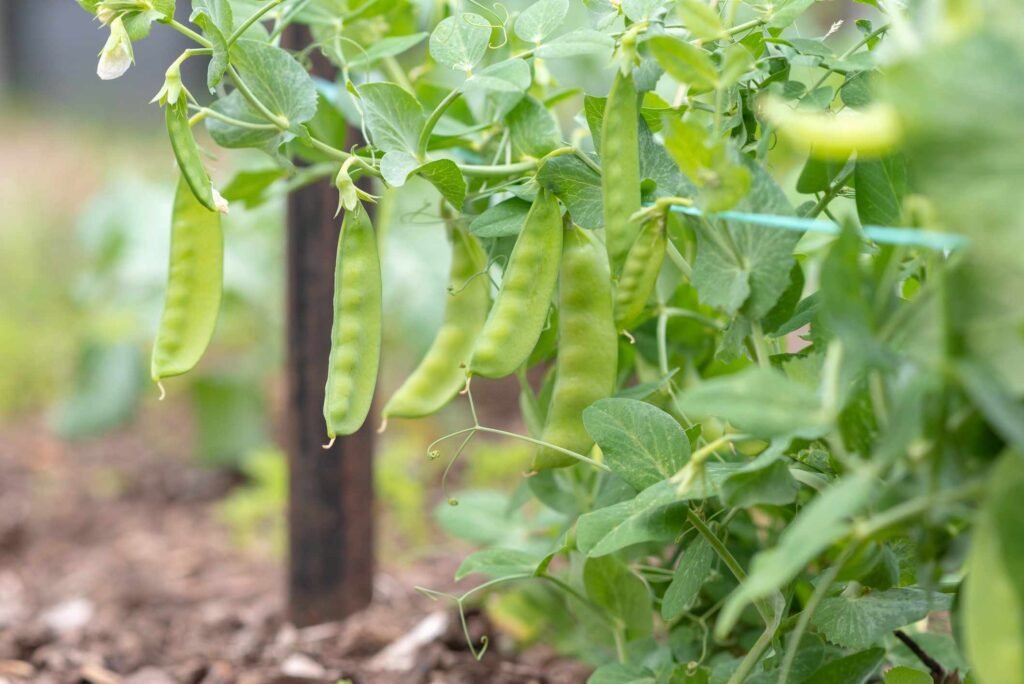
Peas are cool-season crops valued for their tender pods, sweet flavor, and nutritional content, including protein, vitamins, and fiber. Unlike many traditional vegetables that require expansive garden space, peas adapt well to container environments, making them accessible to urban gardeners and small-space cultivators. Indoor or balcony container gardens allow for precise control over soil, water, light, and nutrients, leading to consistent growth and high-quality yields.
Growing peas in containers also offers educational and research opportunities, enabling studies on plant growth, nutrient uptake, and sustainable gardening practices in controlled settings.
2. Benefits of Growing Peas in Containers
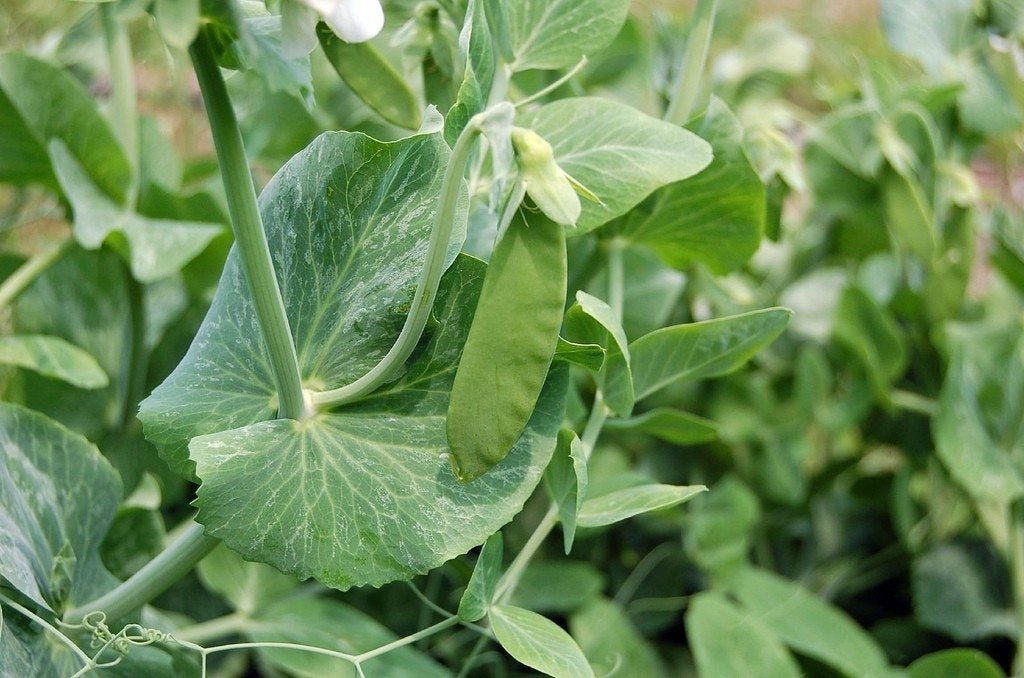
a. Space Efficiency
Containers allow peas to be grown in confined areas such as patios, balconies, and small indoor spaces, maximizing productivity per square foot.
b. Year-Round Production
With controlled indoor conditions or staggered sowing outdoors, peas can be harvested multiple times throughout the year.
c. Easy Maintenance
Containers simplify watering, fertilization, pruning, and harvesting, making pea cultivation manageable even for busy gardeners.
d. Reduced Pest Exposure
Growing peas off the ground minimizes exposure to soil-borne pests and diseases, reducing the need for chemical interventions.
e. Sustainable Gardening
Container pea cultivation aligns with environmentally responsible practices, including organic fertilization, water efficiency, and compost recycling.
3. Selecting Pea Varieties for Containers
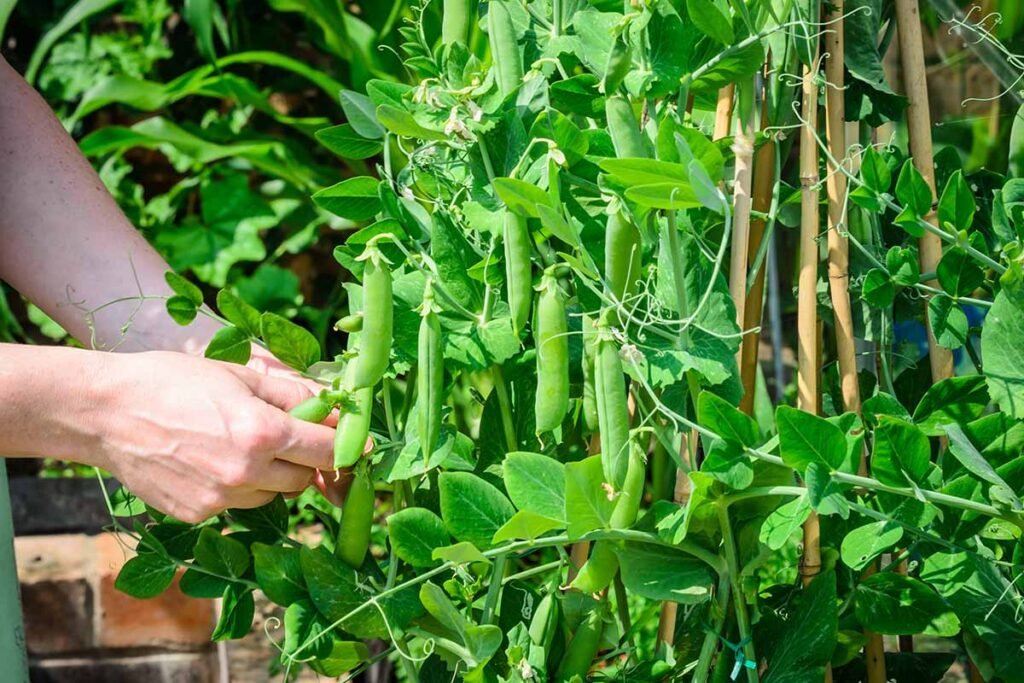
Choosing the right variety is essential for container cultivation. Recommended types include:
- ‘Sugar Snap’ – Sweet, edible pods; compact and productive
- ‘Snow Pea’ – Flat pods, suitable for early harvest and indoor growth
- ‘Little Marvel’ – Dwarf variety ideal for small pots and balconies
- ‘Green Arrow’ – Tall variety; requires support but produces abundant pods
- ‘Tom Thumb’ – Compact bush pea, perfect for shallow containers
Selecting compact or bush varieties ensures that peas grow efficiently without overcrowding small containers, while vining varieties can be supported with trellises to maximize vertical space.
4. Choosing Containers
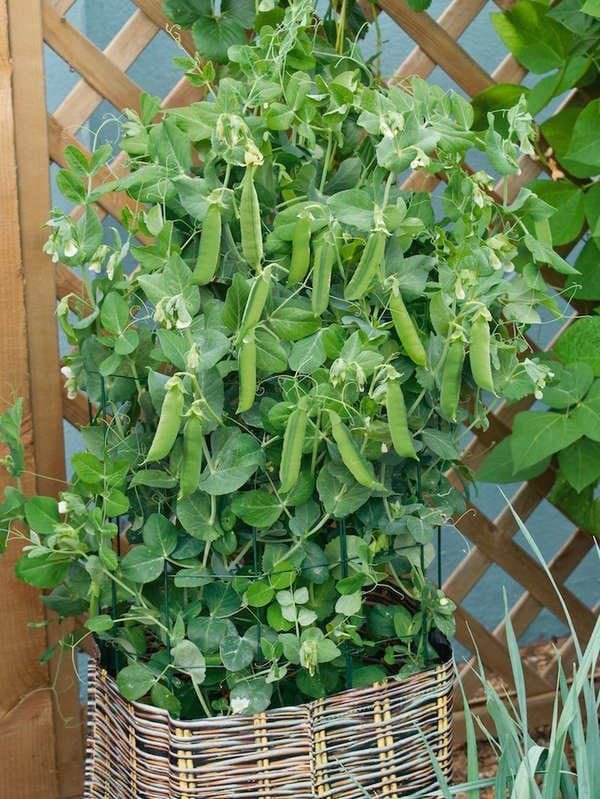
a. Container Size
- Depth: 8–12 inches for dwarf varieties; 12–18 inches for taller vines
- Width: 12 inches or more to allow multiple plants per container
b. Container Types
- Plastic pots – Lightweight and retain moisture well
- Fabric grow bags – Promote aeration and prevent root circling
- Wooden or ceramic pots – Provide stability and natural insulation
c. Drainage
- Ensure containers have adequate drainage holes
- Add gravel or small stones at the bottom for better water management
5. Soil Preparation
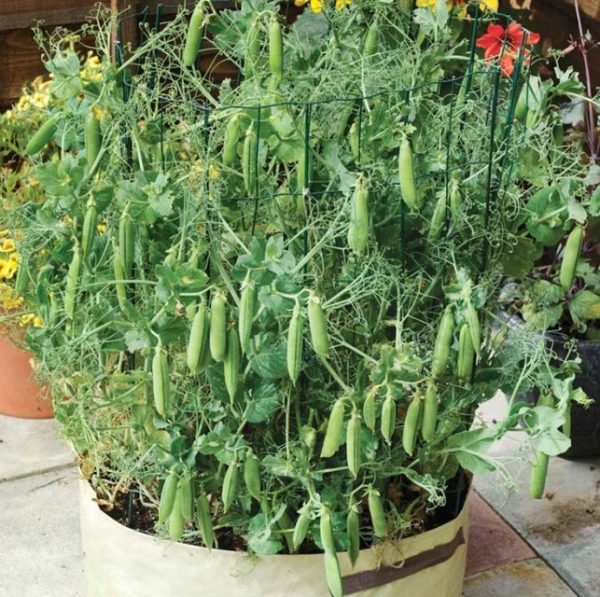
Healthy soil promotes rapid growth and strong pod development.
a. Soil Composition
- 40% loamy soil
- 40% well-aged compost
- 20% perlite or vermiculite for aeration and drainage
b. Soil pH
- Optimal pH: 6.0–7.0
- Maintain balanced pH for nutrient availability
c. Fertility
- Apply a balanced organic fertilizer before planting
- Supplement with liquid compost tea during flowering and pod development
- Avoid excessive nitrogen, which encourages foliage growth over pods
6. Planting Peas in Containers
a. Seed Sowing
- Sow seeds 1–2 inches deep
- Space seeds 2–3 inches apart in dwarf varieties; 3–4 inches for vining types
- Thin seedlings if necessary to prevent overcrowding
b. Support Structures
- Use trellises, stakes, or netting for climbing varieties
- Vining peas benefit from vertical growth, saving horizontal space in containers
c. Succession Planting
- Sow seeds every 2–3 weeks to ensure continuous harvest
- Ideal for small containers to maintain a steady supply of fresh peas
7. Light and Temperature Requirements
a. Light
- Peas require 6–8 hours of sunlight daily
- For indoor setups, use full-spectrum LED grow lights for 12–14 hours per day
- Rotate containers for even light exposure
b. Temperature
- Optimal growth: 55–70°F (13–21°C)
- Avoid temperatures above 75°F (24°C), which can reduce flowering and pod set
- Maintain consistent indoor temperature for container-grown peas
8. Watering and Moisture Management
- Keep soil evenly moist but not waterlogged
- Water at the base of the plants to prevent leaf fungal diseases
- Mulch container soil with straw or coco coir to retain moisture and regulate temperature
- Regular watering promotes strong root development and pod growth
9. Nutrient Management During Growth
- Apply organic liquid fertilizer every 2–3 weeks
- Focus on phosphorus and potassium to support flowering and pod development
- Monitor plant health to adjust nutrients as needed
10. Pest and Disease Management (Non-Toxic Methods)
Even container-grown peas can encounter pests and diseases:
a. Common Pests
- Aphids
- Spider mites
- Leaf miners
b. Prevention
- Inspect plants regularly and remove affected leaves
- Introduce beneficial insects such as ladybugs to control aphids
- Use neem oil or insecticidal soap for severe infestations
c. Disease Management
- Avoid overcrowding and ensure good airflow
- Remove yellowing or diseased foliage
- Rotate soil or sterilize containers between planting cycles
11. Harvesting Peas
a. Timing
- Snap and snow peas: Harvest when pods are firm and tender, before seeds enlarge
- Shelling peas: Harvest when pods are fully developed but still young and sweet
b. Technique
- Gently pinch or cut pods from vines to avoid damaging stems
- Regular harvesting encourages continued flowering and pod production
c. Continuous Harvest
- Succession planting ensures a steady supply of peas from the same container
- Multiple sowings maximize yield throughout the growing season
12. Maximizing Yield in Containers
- Use trellises to grow vining peas vertically, saving floor space
- Compact varieties thrive in smaller containers without support
- Succession planting ensures continuous harvest
- Monitor soil and water to maintain consistent growth
- Intercropping with small herbs like basil or parsley can enhance productivity and pest resistance
13. Sustainability Considerations
Growing peas in containers promotes sustainable urban gardening:
- Reduces dependency on commercially grown produce and packaging
- Encourages organic, chemical-free cultivation
- Supports urban food security and year-round production
- Enables efficient use of water, nutrients, and space
Using recycled containers, organic compost, and natural pest control further enhances sustainability.
14. Challenges and Solutions
- Limited space: Use compact bush varieties and vertical trellises
- Overwatering: Ensure proper drainage and avoid waterlogged soil
- Light shortages: Supplement natural light with LED grow lights
- Pest management: Employ organic, non-toxic methods and monitor plants frequently
- Nutrient deficiencies: Use organic fertilizers and soil amendments regularly
Addressing these challenges ensures consistent growth and abundant yields from container-grown peas.
15. Conclusion
Container-grown peas are a practical, space-efficient solution for urban gardeners seeking fresh, nutritious produce in limited spaces. By selecting appropriate varieties, using suitable containers, preparing fertile soil, and maintaining proper light, water, and nutrient management, gardeners can achieve high-quality yields year-round. Companion planting, vertical growth, and succession planting further enhance productivity, ensuring a continuous supply of sweet, tender peas.
Indoor and balcony container gardening of peas not only supports sustainable urban living but also provides educational opportunities, encourages mental wellbeing, and connects residents with the natural growth cycle. With thoughtful planning and consistent care, peas can thrive in any container, transforming small spaces into productive green oases.