
In today’s fast-paced urban lifestyle, space is often a luxury, and access to fresh, chemical-free vegetables can be limited. A compact kitchen garden offers an ideal solution, allowing anyone—regardless of living space—to grow their own fresh produce right at home. Whether it is a small balcony, windowsill, or countertop, starting a kitchen garden is both rewarding and sustainable. This article provides comprehensive guidance and practical tips to establish a thriving compact kitchen garden with minimal space and effort.
Benefits of a Compact Kitchen Garden
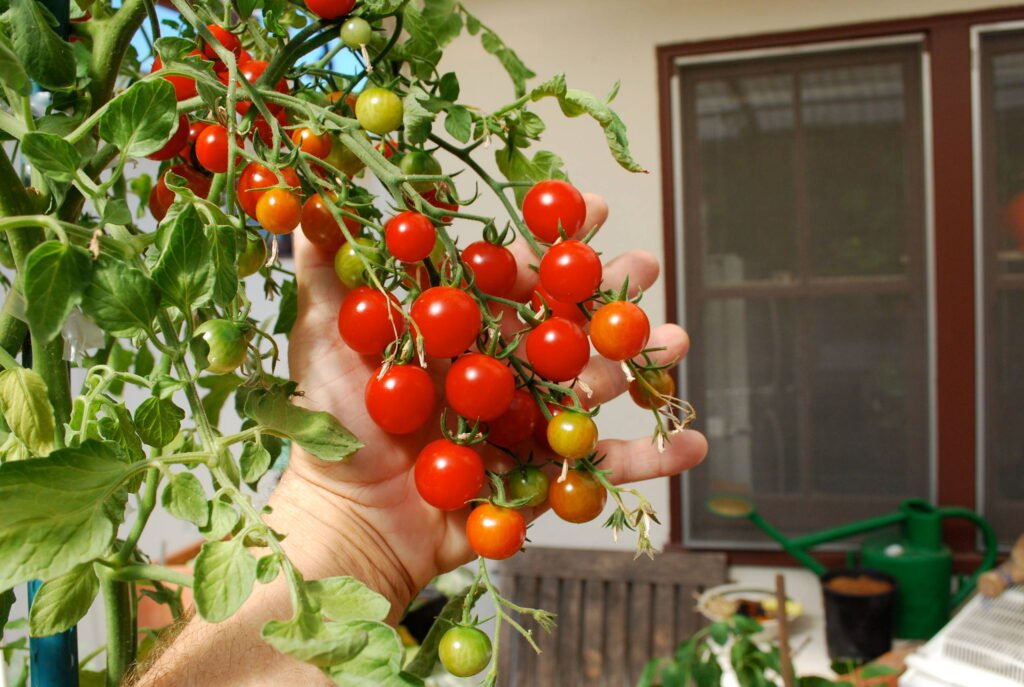
Before diving into the practical steps, it’s important to understand the advantages of cultivating a small kitchen garden:
- Fresh and Nutritious Produce: Homegrown vegetables retain more nutrients and flavor compared to store-bought produce.
- Chemical-Free Gardening: You control fertilizers and pesticides, ensuring healthier food.
- Space Optimization: Even small apartments can host herbs and vegetables using vertical gardening or container planting.
- Environmental Impact: Growing your own produce reduces your carbon footprint by minimizing transportation and packaging.
- Mental and Physical Well-being: Gardening is known to reduce stress, improve mood, and encourage physical activity.
Selecting the Right Space
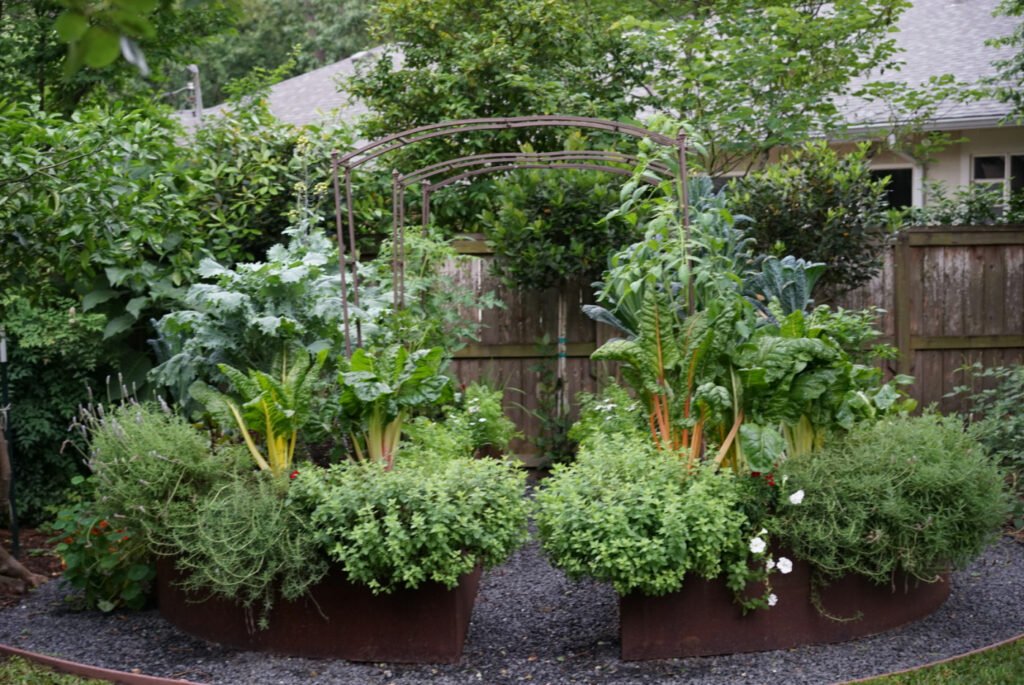
The first step in creating a compact kitchen garden is choosing the right location. Factors to consider include:
- Sunlight: Most vegetables and herbs require 5–6 hours of sunlight daily. South- or west-facing balconies or windowsills are ideal.
- Accessibility: Ensure easy access to water and space for maintenance.
- Ventilation: Proper airflow helps prevent fungal infections and supports healthy plant growth.
- Safety: Avoid areas exposed to pollutants or harsh chemicals, especially if planting edible crops.
Even indoor corners can be transformed into productive spaces using creative solutions like vertical racks, hanging pots, or small containers.
Choosing the Right Containers
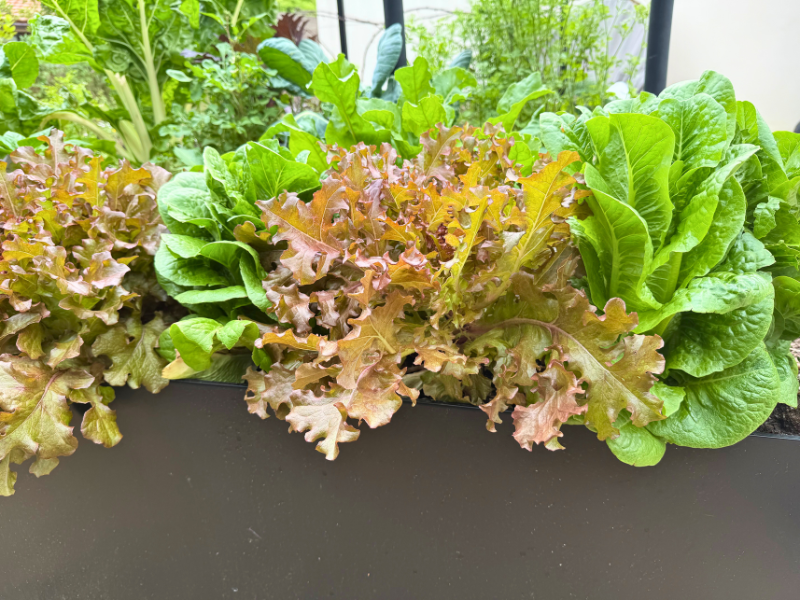
Containers are a core element in a compact garden. The right container ensures proper root growth, aeration, and moisture retention. Key tips include:
- Size Matters: Small vegetables like lettuce or herbs can grow in 6–8 inch pots, while larger crops like tomatoes or peppers may require 12–16 inch pots.
- Material: Plastic containers retain moisture well, whereas clay or terracotta allows better airflow but requires more frequent watering.
- Drainage: Ensure each container has holes at the bottom to prevent waterlogging and root rot.
- Innovative Options: Repurposed containers like jars, baskets, or old kitchenware can add charm while being functional.
Selecting Plants for a Compact Kitchen Garden
Choosing suitable plants is essential for a successful small-space garden. Compact, fast-growing, and high-yield crops are ideal.
Herbs
Herbs are perfect for small spaces due to their limited root systems. Examples include:
- Basil: Thrives in sunlight and adds flavor to many dishes.
- Mint: Grows rapidly and is easy to maintain.
- Coriander and Parsley: Compact and perfect for frequent harvest.
Vegetables
Some vegetables grow well in small containers or vertical setups:
- Lettuce and Spinach: Fast-growing, can be harvested repeatedly.
- Cherry Tomatoes: Ideal for small pots and provide fresh, sweet produce.
- Radishes and Carrots: Grow quickly and require minimal space.
- Peppers: Compact varieties do well in medium-sized containers.
Microgreens and Sprouts
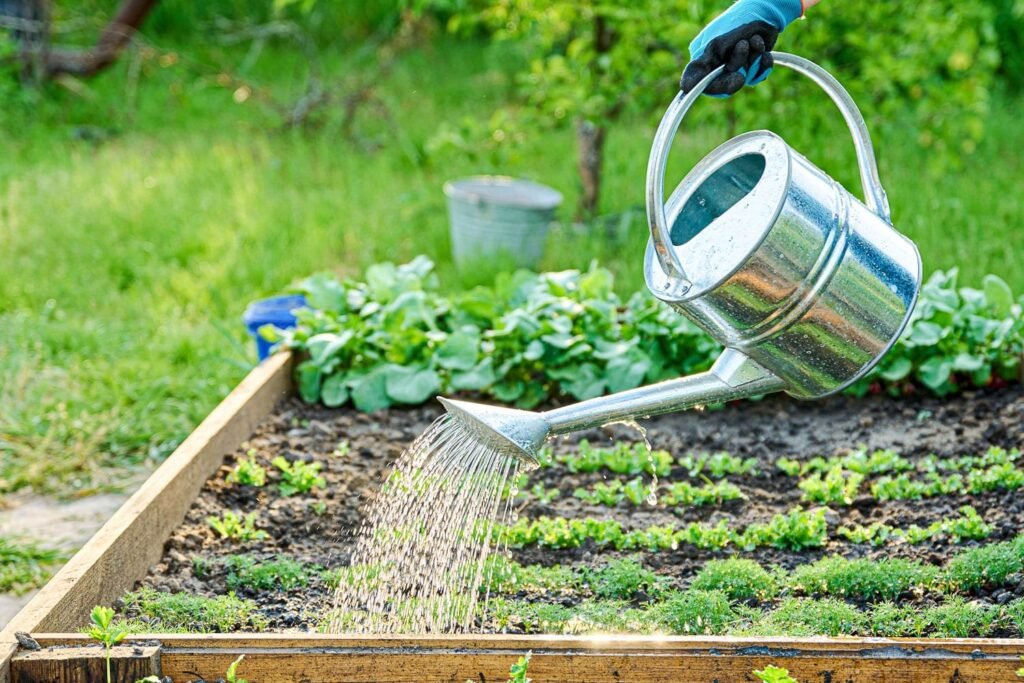
Microgreens like sunflower, mustard, or fenugreek sprout quickly and are nutrient-dense, making them excellent additions to a kitchen garden.
Soil Preparation
Healthy soil is the foundation of any thriving garden. Container plants need nutrient-rich, well-draining soil. Tips for optimal soil:
- Use Potting Mix: Avoid garden soil, which may compact and hinder root growth.
- Add Organic Matter: Compost, vermicompost, or well-rotted manure enrich soil with nutrients.
- Aeration: Mix in perlite or coco peat to improve drainage and oxygen supply.
- pH Balance: Most vegetables prefer slightly acidic to neutral soil (pH 6–7).
Regularly refreshing the soil with compost and organic fertilizers ensures ongoing plant health and productivity.
Watering Techniques
Watering is one of the most critical aspects of container gardening. Both under- and overwatering can stress plants.
- Consistency: Keep soil evenly moist but not waterlogged. Check the top inch of soil; if dry, it’s time to water.
- Bottom Watering: Occasionally water from the base to encourage deep root growth.
- Avoid Leaf Wetting: Water the base to prevent fungal infections on leaves.
- Monitoring: Indoor plants may require less frequent watering than outdoor plants, depending on humidity and sunlight.
Fertilization
Even the best soil can deplete nutrients over time. For small container gardens, organic fertilizers are the safest and most effective option:
- Compost Tea: Provides a gentle nutrient boost.
- Worm Castings: Improves soil structure and fertility.
- Liquid Seaweed: Encourages plant growth and resilience.
Apply fertilizers according to plant needs, typically every 2–3 weeks for vegetables and herbs.
Sunlight and Lighting
Adequate sunlight is critical for photosynthesis and healthy growth. If natural light is limited:
- Grow Lights: LED or fluorescent grow lights simulate sunlight and can be adjusted for height and intensity.
- Reflective Surfaces: Mirrors or white walls can enhance light exposure.
- Rotation: Rotate pots periodically to ensure even growth and prevent leggy plants.
Pest and Disease Management
Even small kitchen gardens are susceptible to pests and diseases. Preventive and organic measures include:
- Neem Oil Spray: Effective against common insects like aphids or whiteflies.
- Insecticidal Soap: Safe for edible plants and controls soft-bodied insects.
- Regular Inspection: Check leaves and stems for early signs of infestation.
- Good Hygiene: Remove dead leaves and avoid overwatering to reduce fungal infections.
Companion Planting
Companion planting is an effective way to maximize space and protect plants naturally. Examples include:
- Basil with Tomatoes: Enhances flavor and repels pests.
- Carrots with Lettuce: Improves soil use and reduces competition for nutrients.
- Marigolds: Small flowers repel certain insects and add aesthetic appeal.
Harvesting Tips
Harvesting at the right time ensures maximum flavor and nutrition:
- Herbs: Pick leaves regularly to encourage bushy growth.
- Vegetables: Harvest leafy greens before they bolt and fruits like tomatoes when fully colored.
- Continuous Yield: Frequent harvesting prevents over-ripening and encourages new growth.
Space Optimization Techniques
Maximizing space is key in compact gardens:
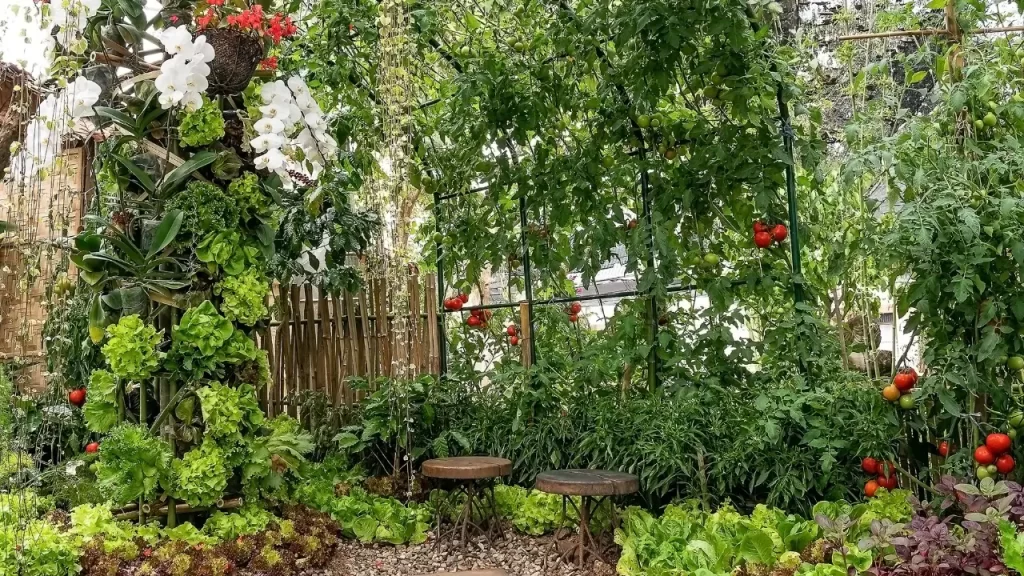
- Vertical Gardening: Use shelves, wall-mounted racks, or hanging pots.
- Stacked Containers: Allows multiple layers of plants in a small footprint.
- Window Sills: Ideal for herbs and microgreens.
- Multi-use Furniture: Use tables with built-in planters or plant boxes.
Sustainability and Maintenance
A compact kitchen garden thrives on consistent care:
- Routine Observation: Check for pests, watering needs, and nutrient levels daily.
- Seasonal Rotation: Replace crops according to seasonal growth patterns.
- Seed Saving: Collect seeds from healthy plants to reduce future costs.
- Eco-friendly Practices: Use rainwater or greywater for watering and compost kitchen scraps to enrich soil.
Conclusion
Starting a compact kitchen garden is a practical and rewarding way to bring fresh, chemical-free produce into your home. With careful planning, the right containers, nutrient-rich soil, and proper watering and sunlight, even small indoor or balcony spaces can become productive gardens. A kitchen garden not only provides fresh vegetables and herbs but also contributes to mental well-being, sustainability, and a deeper connection to the food we consume. By following these quick tips, anyone can cultivate a thriving garden, regardless of the size of their living space, making homegrown food accessible, enjoyable, and environmentally responsible.