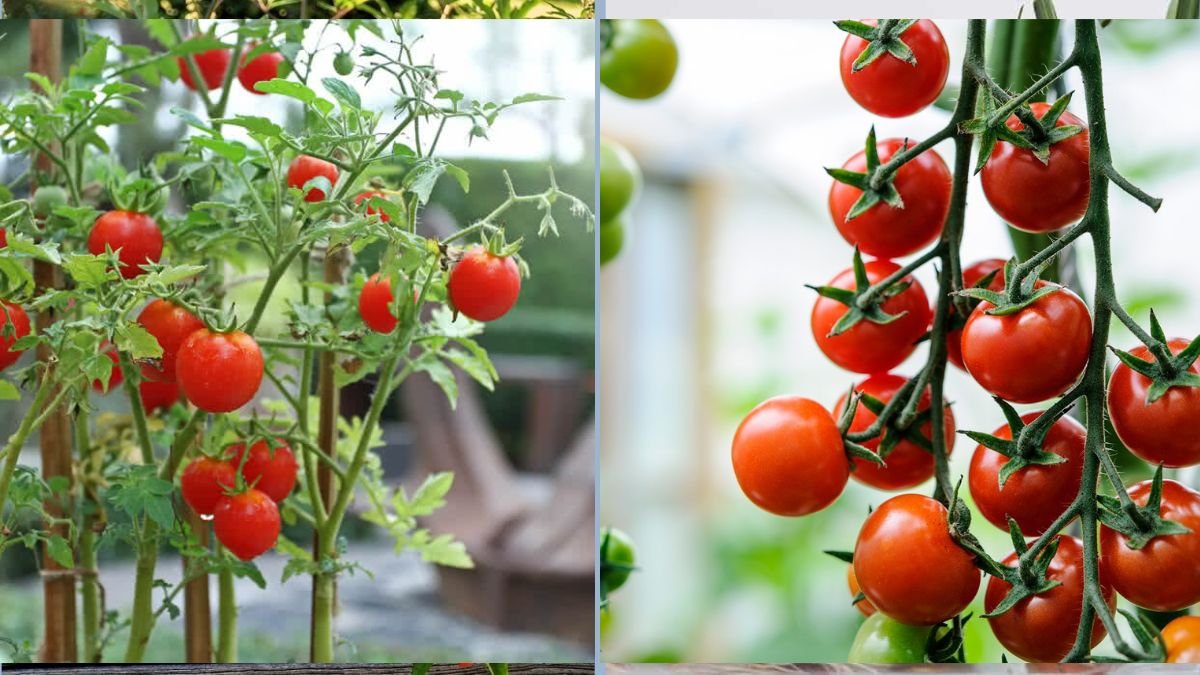
Growing sweet tomatoes indoors is not only a satisfying hobby but also a practical way to enjoy fresh, homegrown produce year-round, even without a garden. While tomatoes are traditionally grown outdoors, careful planning, the right tools, and attention to detail can allow anyone to cultivate flavorful tomatoes in small indoor pots. This article provides a comprehensive guide on how to grow sweet tomatoes in confined indoor spaces, emphasizing techniques that optimize plant health, flavor, and yield.
Choosing the Right Tomato Variety
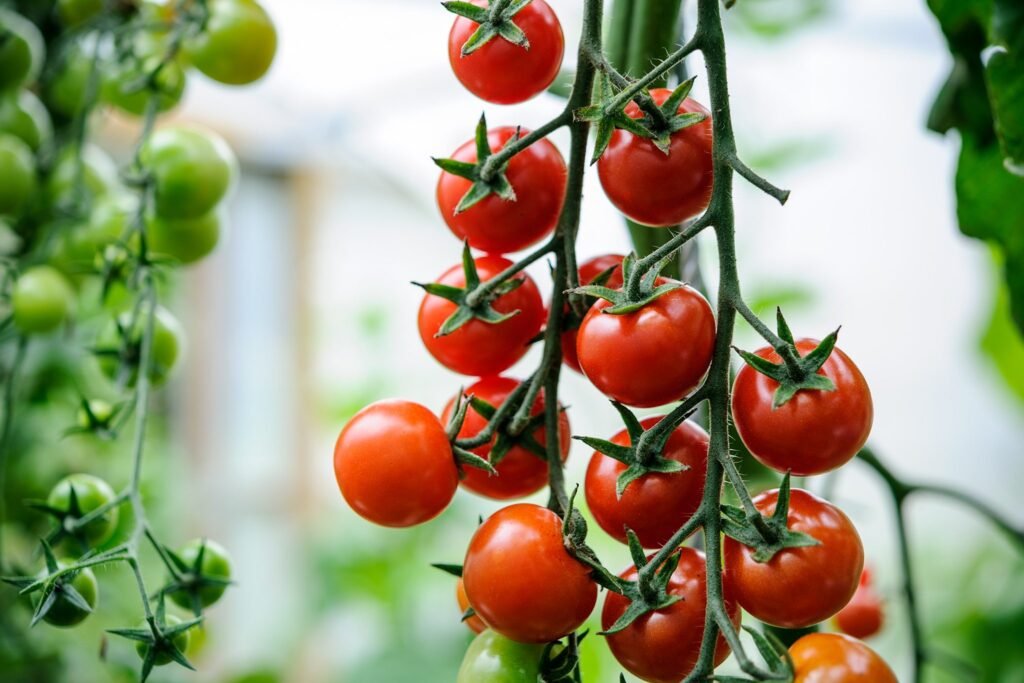
The first step to successful indoor tomato cultivation is selecting a suitable variety. Not all tomatoes thrive in pots, especially indoors. Determinate (bush-type) varieties are generally more compact and easier to manage in small spaces, while indeterminate varieties can produce higher yields but require more vertical support and pruning. Some ideal options for indoor pots include:
- Tiny Tim: A dwarf variety that produces small, sweet cherry tomatoes.
- Red Robin: Another compact plant that grows well in containers and produces vibrant, flavorful tomatoes.
- Patio Princess: Suitable for small indoor pots and known for its consistent yield and sweetness.
Choosing a sweet-tasting variety is key because indoor conditions can sometimes reduce the natural sugar content in tomatoes. Look for varieties specifically bred for sweetness.
Selecting Containers
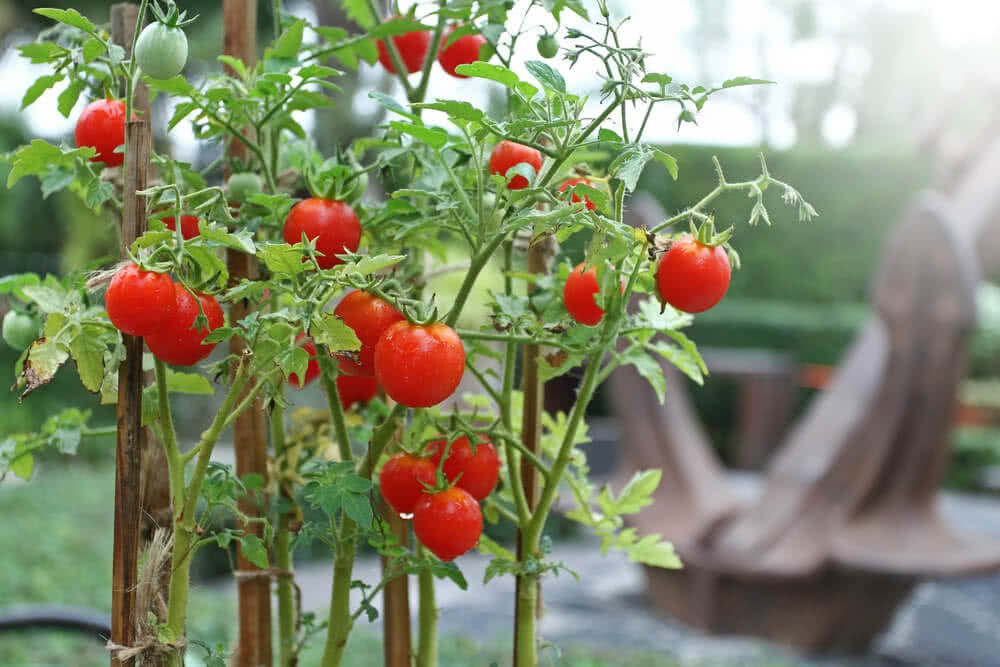
Container choice is crucial for indoor tomato growth. Tomatoes need sufficient root space to develop and access nutrients. For small indoor spaces:
- Pot Size: Choose pots that are at least 8–12 inches in diameter for dwarf or determinate varieties. Larger pots are required for indeterminate types, ideally 15–20 inches.
- Material: Terra cotta pots allow better airflow and reduce overwatering risks, while plastic pots retain moisture longer. Both are suitable, depending on your watering habits.
- Drainage: Ensure pots have adequate drainage holes. Standing water can cause root rot and fungal problems.
Using saucers under pots can prevent water spillage indoors, but avoid letting pots sit in water for prolonged periods.
Soil and Nutrients
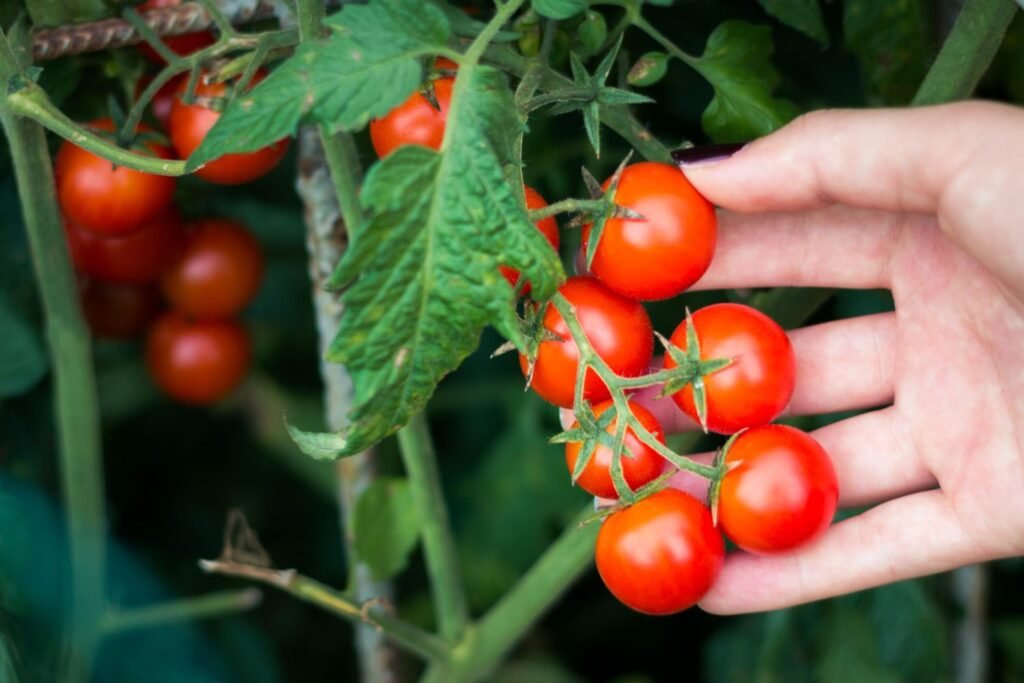
Tomatoes are nutrient-hungry plants, so a high-quality potting mix is essential. Avoid using garden soil, which may compact and limit drainage. A good indoor tomato soil mix should be:
- Well-draining: Mix potting soil with perlite or vermiculite to improve aeration.
- Rich in organic matter: Compost or well-rotted organic matter provides essential nutrients.
- Balanced pH: Tomatoes thrive in slightly acidic soil with a pH between 6.0 and 6.8.
Fertilization is crucial in indoor cultivation since nutrients in pots deplete faster. Organic fertilizers, such as compost tea, worm castings, or liquid seaweed, are excellent options. Apply a balanced fertilizer every 2–3 weeks, following the product instructions.
Planting and Germination
Starting tomatoes from seeds indoors allows full control over plant health. Here’s a step-by-step approach:
- Seed Selection: Choose fresh seeds from reliable sources. Heirloom or hybrid sweet tomato seeds are both acceptable.
- Seed Germination: Plant seeds in small seed trays or peat pots about 1/4 inch deep. Keep the soil consistently moist but not waterlogged.
- Temperature: Tomato seeds germinate best at 70–80°F (21–27°C). A warm, sunny windowsill or a heat mat can improve germination rates.
- Light: Seedlings need 12–16 hours of light daily. If natural light is insufficient, use LED or fluorescent grow lights to prevent leggy growth.
- Transplanting: When seedlings develop 2–3 true leaves, transplant them into larger indoor pots filled with nutrient-rich soil.
Watering Techniques
Water management is critical for sweet, juicy tomatoes. Both under- and overwatering can stress plants and reduce fruit quality. Tips for indoor watering:
- Consistent Moisture: Keep the soil evenly moist, allowing the top inch to dry before watering again.
- Bottom Watering: Water from the saucer occasionally to encourage deep root growth.
- Avoid Leaf Wetting: Water the base of the plant to prevent fungal diseases on leaves.
- Humidity: Indoor environments can be dry. Mist plants occasionally or place a small humidifier nearby to maintain humidity around 50–60%.
Sunlight and Lighting
Tomatoes are sun-loving plants and require at least 6–8 hours of direct light per day. Indoors, this often means supplementing natural light:
- Window Placement: South-facing windows provide the most sunlight.
- Grow Lights: LED grow lights mimic natural sunlight and can boost photosynthesis. Position lights 6–12 inches above the plants and adjust as the plants grow.
- Lighting Schedule: Maintain a consistent schedule of 12–16 hours of light per day to ensure steady growth and fruit production.
Supporting Plants
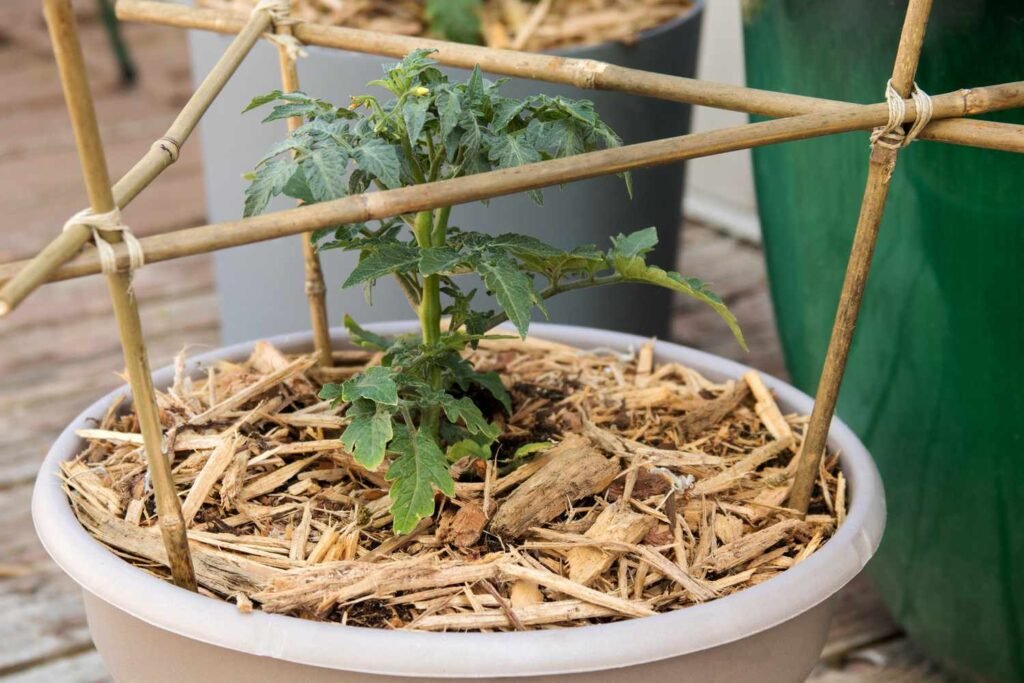
Even small indoor tomatoes benefit from support. Indeterminate varieties especially need stakes or cages. Options include:
- Small Tomato Cages: Perfect for bush varieties in pots.
- Bamboo Stakes: Secure plants loosely with soft ties to avoid damaging stems.
- Pruning: Remove suckers and lower leaves to improve airflow and concentrate energy on fruit development.
Pollination Techniques
Indoor tomatoes often need help with pollination since wind and insects are limited indoors. Methods to ensure proper fruit set:
- Manual Pollination: Use a small brush or a cotton swab to transfer pollen from flower to flower.
- Electric Toothbrush: Lightly vibrate flowers to mimic the buzzing of bees, aiding pollen release.
- Air Circulation: Place a small fan nearby to gently move air and help pollinate flowers naturally.
Proper pollination directly affects the sweetness and size of the tomatoes.
Pest and Disease Management
While indoor plants face fewer pests than outdoor ones, vigilance is essential. Common indoor pests include aphids, spider mites, and whiteflies. Organic strategies include:
- Neem Oil Sprays: Effective against soft-bodied insects.
- Insecticidal Soap: Non-toxic and safe for edible plants.
- Regular Inspection: Check leaves, stems, and soil weekly for signs of stress or infestation.
Fungal issues like powdery mildew can also occur in humid indoor environments. Ensuring good air circulation and avoiding overhead watering helps prevent these problems.
Harvesting Sweet Tomatoes
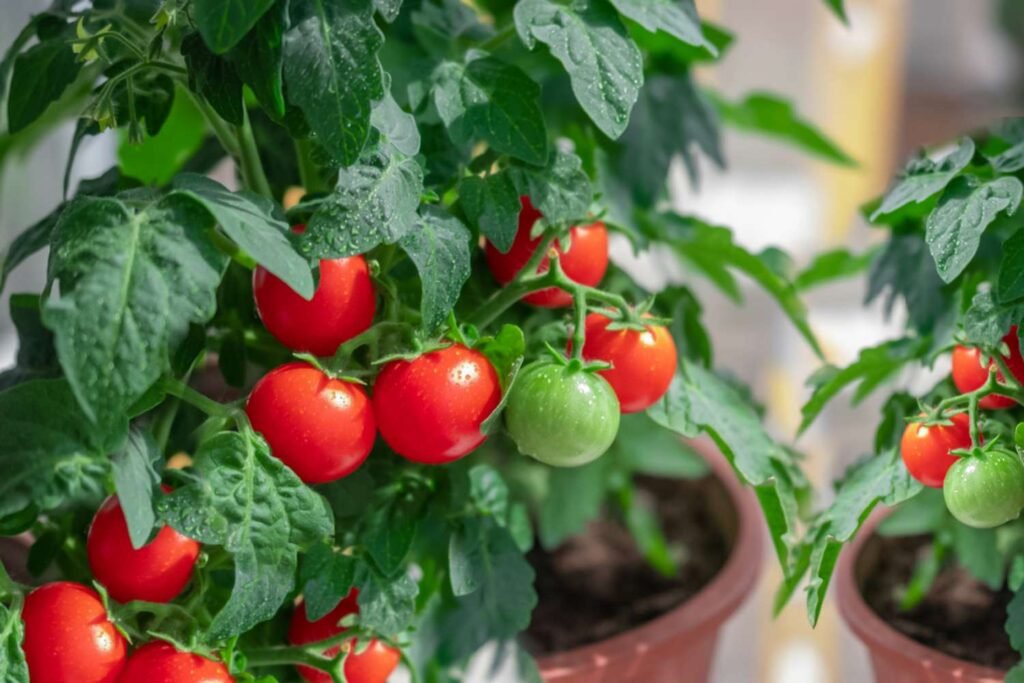
Tomatoes are best harvested when fully ripe for maximum sweetness. Signs of readiness include:
- Color: Deep, vibrant red (or appropriate color for the variety).
- Firmness: Slightly soft but not mushy.
- Aroma: A rich, tomato-like fragrance indicates peak ripeness.
Regular harvesting encourages continuous production and prevents overripening, which can attract pests or lead to disease.
Tips for Maximum Flavor
Growing tomatoes indoors allows for some unique strategies to enhance sweetness:
- Sunlight Optimization: Rotate pots to ensure all sides receive light.
- Temperature Management: Tomatoes taste sweeter when day temperatures are around 70–75°F and nights slightly cooler.
- Avoid Overwatering: Excess water dilutes sugars in fruits.
- Companion Planting in Pots: Planting herbs like basil nearby can improve flavor and repel pests naturally.
Conclusion
Growing sweet tomatoes in small indoor pots is a rewarding endeavor that combines science, patience, and creativity. With careful selection of varieties, proper soil preparation, adequate lighting, and attention to watering and pollination, even small indoor spaces can yield an abundant harvest. This practice not only provides fresh, flavorful produce but also adds beauty and vitality to indoor environments, making the experience both nourishing and aesthetically pleasing. Whether for culinary delight or the joy of gardening, indoor tomato cultivation is a highly achievable and satisfying project.