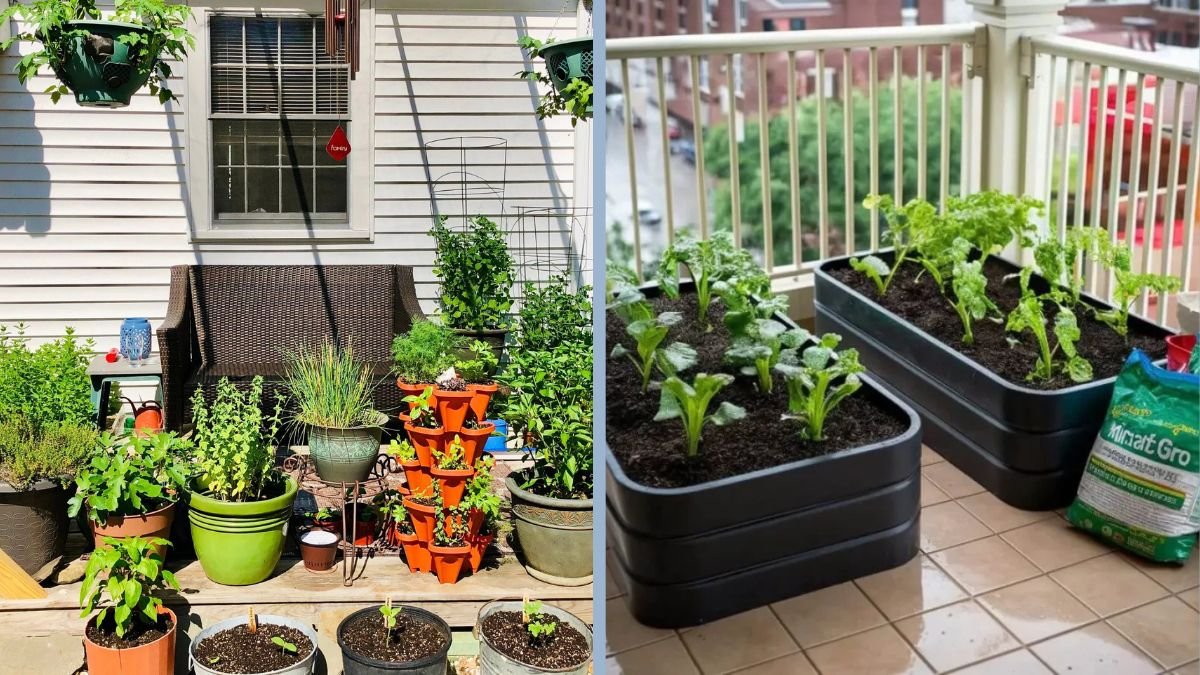
Balcony gardening has become a popular way for urban dwellers to grow fresh vegetables, herbs, and greens, even with limited outdoor space. A balcony vegetable garden allows you to enjoy the benefits of homegrown produce, enhance the aesthetics of your living space, and embrace a more sustainable lifestyle. For vegetarians and plant-based households, it provides a convenient and cost-effective way to ensure a steady supply of fresh, nutritious ingredients.
This article offers a comprehensive guide on how to create a productive and attractive balcony vegetable garden, covering planning, container selection, soil preparation, plant choices, care, and maintenance.
Step 1: Planning Your Balcony Garden
Proper planning is the foundation of a successful balcony vegetable garden.
1. Assess the Space
- Measure the available balcony area, including floor space and railing height.
- Check weight limits; ensure containers filled with soil do not exceed structural capacity.
- Identify sunny spots, as most vegetables require 6–8 hours of sunlight per day.
2. Choose a Layout
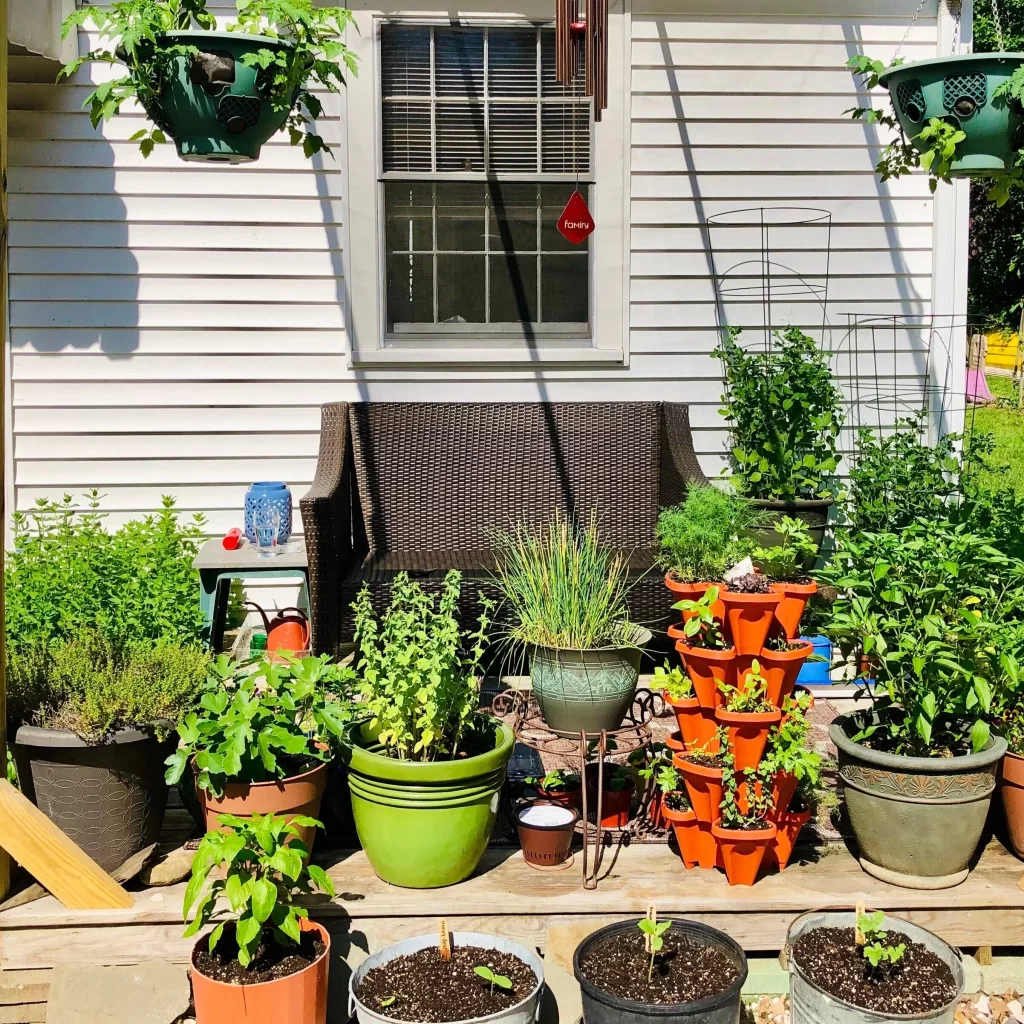
- Vertical Gardening: Use trellises, hanging pots, or wall-mounted planters to maximize space.
- Container Grouping: Arrange containers in clusters for easy access and aesthetic appeal.
- Tiered Shelving: Allows for multiple layers of plants and efficient use of vertical space.
3. Accessibility
- Ensure there is space to walk and water plants easily.
- Keep frequently harvested plants at arm’s reach.
Pro Tip: Sketch a rough layout to plan sunlight exposure and accessibility for all plants.
Step 2: Choosing Containers
Containers are the backbone of balcony gardening. The right containers support healthy root growth and prevent waterlogging.
Options for Balcony Gardening
- Plastic Pots: Lightweight, affordable, and easy to move.
- Ceramic or Terracotta Pots: Porous, aesthetically pleasing, and provide good airflow to roots.
- Raised Planters or Wooden Boxes: Offer deep soil for root vegetables and larger plants.
- Recycled Containers: Old buckets, crates, or food-grade containers can be repurposed sustainably.
Tip: Ensure containers have proper drainage holes to prevent water stagnation and root rot.
Step 3: Selecting Soil and Fertilizers
Healthy soil is crucial for productive vegetables.
Soil Mix
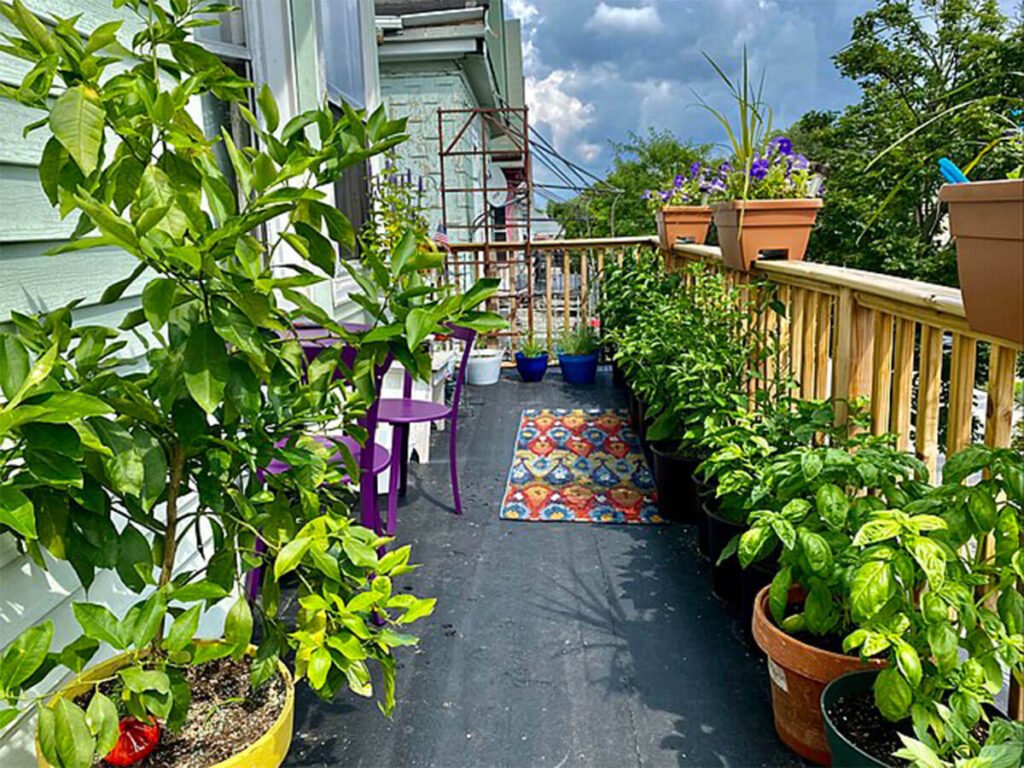
- Topsoil: Provides structure and bulk.
- Compost: Adds nutrients and improves water retention.
- Perlite or Vermiculite: Ensures proper aeration and drainage.
Fertilizers
- Use organic fertilizers like vermicompost, compost tea, neem cake, or liquid seaweed.
- Avoid chemical fertilizers to maintain safe, vegetarian-friendly produce.
Tip: Fill containers to within 1–2 inches of the top to prevent soil spillage during watering.
Step 4: Choosing Vegetables for a Balcony Garden
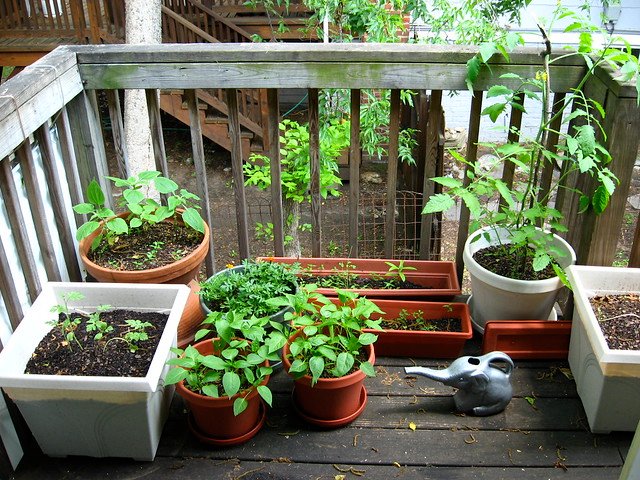
Not all vegetables are suitable for container gardening. Choose compact, fast-growing, and high-yield varieties.
Ideal Vegetables
- Leafy Greens: Lettuce, spinach, kale, and arugula thrive in shallow containers.
- Herbs: Basil, parsley, cilantro, mint, and thyme grow well in small pots.
- Root Vegetables: Carrots, radishes, and beets need deeper containers (10–12 inches).
- Fruiting Vegetables: Tomatoes, peppers, and dwarf varieties of eggplant or cucumbers grow well in larger pots.
- Climbing Vegetables: Beans, peas, and small gourds can be grown vertically with trellises.
Pro Tip: Rotate crops seasonally to maintain soil fertility and reduce pest buildup.
Step 5: Planting Techniques
- Seed Sowing: Sow seeds according to recommended depth and spacing. Thin seedlings to prevent overcrowding.
- Transplants/Seedlings: Faster results and reduced risk of failure. Gently loosen roots before planting.
- Companion Planting: Plant herbs near vegetables to enhance growth and deter pests naturally.
Tip: Label each container to track growth and care requirements.
Step 6: Watering and Care
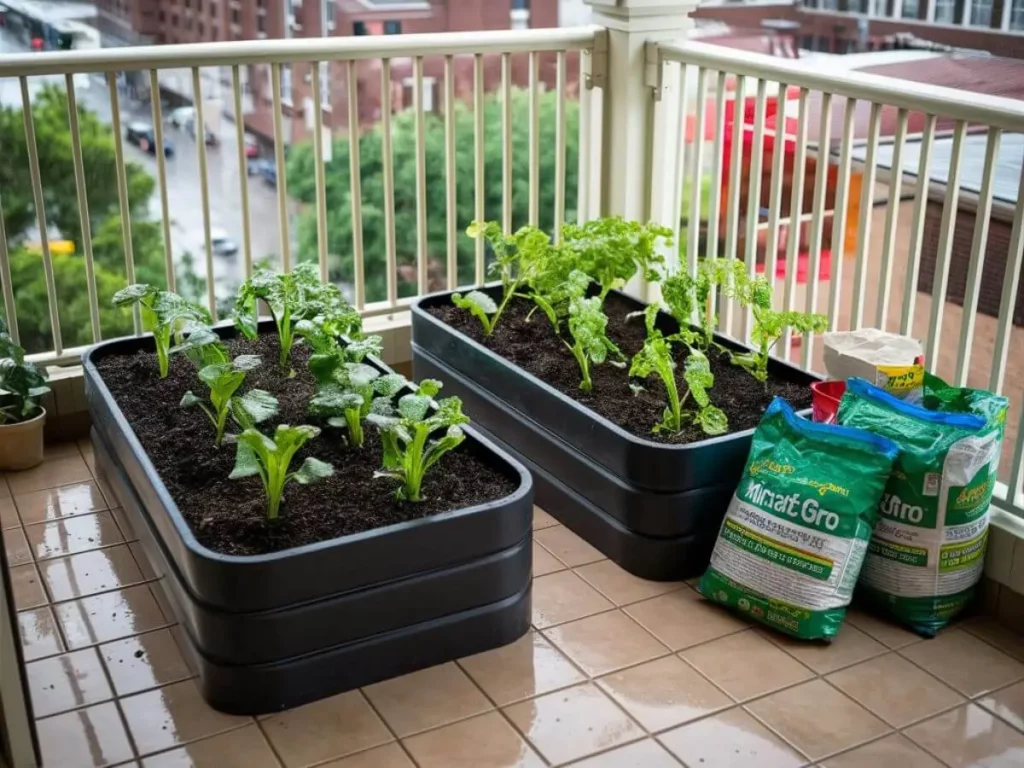
Proper watering and maintenance are crucial for container-grown vegetables.
- Watering: Containers dry out faster than garden beds. Water consistently, keeping the soil moist but not waterlogged.
- Drainage: Ensure excess water can escape to prevent root rot.
- Fertilization: Apply organic fertilizers every 3–4 weeks during the growing season.
- Pruning: Remove dead leaves and prune plants like tomatoes to encourage airflow and healthy growth.
Pro Tip: Early morning watering reduces evaporation and helps prevent fungal issues.
Step 7: Maximizing Sunlight and Light Conditions
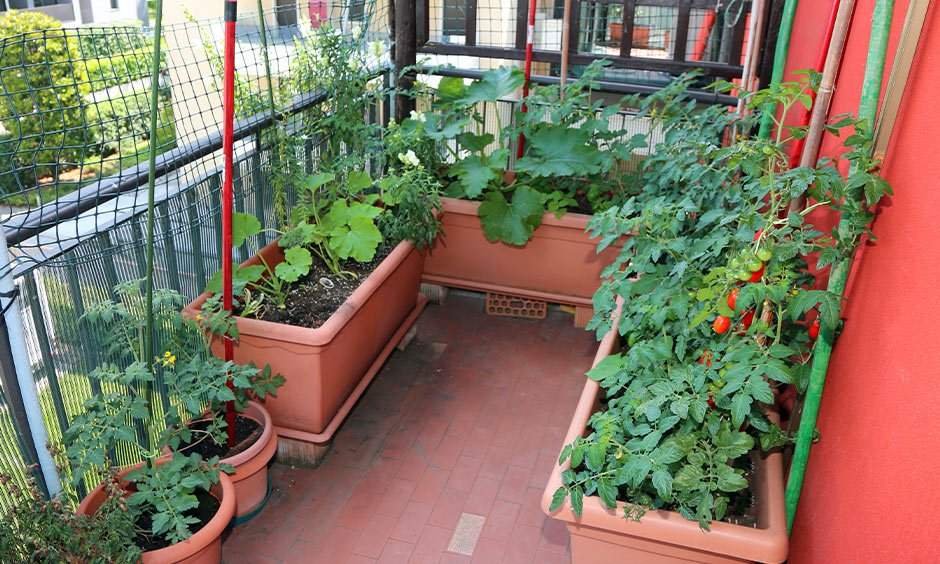
Most vegetables require 6–8 hours of sunlight per day.
- Position containers where they receive maximum sunlight, ideally on south-facing balconies.
- Use reflective surfaces or light-colored walls to enhance available light.
- For low-light conditions, supplement with LED grow lights for 12–16 hours daily.
Tip: Rotate containers periodically to ensure even growth on all sides.
Step 8: Supporting Climbing and Tall Plants
- Use trellises, stakes, or vertical supports for tomatoes, beans, and cucumbers.
- Secure plants gently with soft ties to avoid damaging stems.
- Vertical supports help save space while keeping plants healthy and off the ground.
Tip: Train vines and climbers early to prevent tangling and overcrowding.
Step 9: Pest and Disease Management
Even balcony gardens can attract pests. Adopt preventive and natural control measures:
- Common Pests: Aphids, spider mites, whiteflies, and snails.
- Natural Remedies: Neem oil sprays, garlic-chili sprays, and insecticidal soap.
- Companion Planting: Marigolds, basil, or nasturtiums deter pests naturally.
- Sanitation: Remove decayed leaves and avoid overwatering to prevent fungal growth.
Tip: Regular monitoring is key to preventing pest infestations.
Step 10: Harvesting Your Vegetables
- Leafy Greens: Harvest outer leaves continuously to encourage new growth.
- Root Vegetables: Pull when roots reach desired size.
- Fruiting Vegetables: Pick tomatoes, peppers, or cucumbers when fully mature.
- Herbs: Harvest frequently to promote bushy growth.
Pro Tip: Frequent harvesting encourages plants to produce more and prolongs the growing season.
Benefits of a Balcony Vegetable Garden
- Fresh Produce: Access to nutrient-rich, pesticide-free vegetables and herbs.
- Sustainable Living: Reduces dependency on store-bought produce and packaging.
- Stress Relief: Gardening improves mental health and provides a calming hobby.
- Space Efficiency: Maximizes limited urban space through vertical and container gardening.
- Cost Savings: Reduces grocery bills while ensuring fresh, seasonal vegetables.
- Educational Opportunity: Great for learning about plant growth, sustainability, and nutrition.
Sustainability Practices for Balcony Gardening
- Use Recycled Containers: Repurpose buckets, crates, and jars for planting.
- Organic Fertilizers: Use compost, vermicompost, and liquid seaweed instead of chemical fertilizers.
- Water Conservation: Collect rainwater or reuse kitchen water for irrigation.
- Composting: Convert kitchen scraps into nutrient-rich compost for your balcony garden.
- Seasonal Rotation: Plant crops suitable for each season to maintain soil fertility and prevent pests.
Tip: Balcony gardening can serve as a model for sustainable urban living and responsible resource management.
Conclusion
Creating a balcony vegetable garden is a practical, rewarding, and sustainable way to grow fresh, nutritious produce at home. From planning the layout and selecting suitable containers to choosing vegetables, providing proper care, and harvesting, every step contributes to a productive garden.
For vegetarians and plant-based households, balcony gardening ensures access to fresh herbs and vegetables, enhancing flavor, nutrition, and health. By incorporating organic fertilizers, proper watering techniques, and sustainable gardening practices, even small urban spaces can transform into productive green oases.
A well-maintained balcony garden not only provides fresh food but also fosters environmental stewardship, promotes well-being, and connects gardeners to the food they grow. With patience, creativity, and consistent care, anyone can turn a balcony into a thriving, lush vegetable garden that supports a healthier, more sustainable lifestyle.