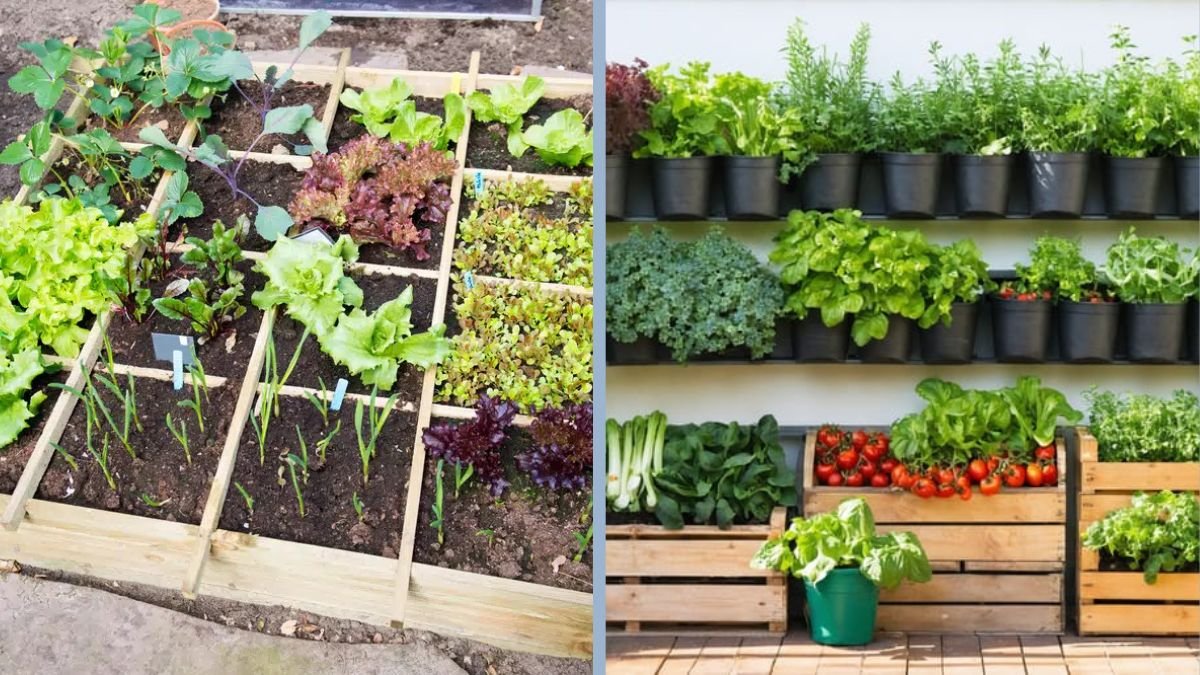
Urban living and limited outdoor space have sparked a growing interest in small-space gardening. Whether it’s a balcony, patio, rooftop, or windowsill, these compact gardens allow anyone to cultivate fresh, nutritious vegetables even without a traditional backyard. With careful planning and the right choice of crops, small-space gardens can produce a surprising abundance of food while enhancing your connection to nature and promoting a sustainable lifestyle.
Choosing the right vegetables is key to a successful small-space garden. Compact varieties, vertical growers, and fast-maturing crops thrive in limited spaces while offering maximum yield and freshness for vegetarian and plant-based meals. This article explores the best vegetables for small-space gardens, practical planting tips, and maintenance strategies for year-round productivity.
Why Small-Space Gardening Matters
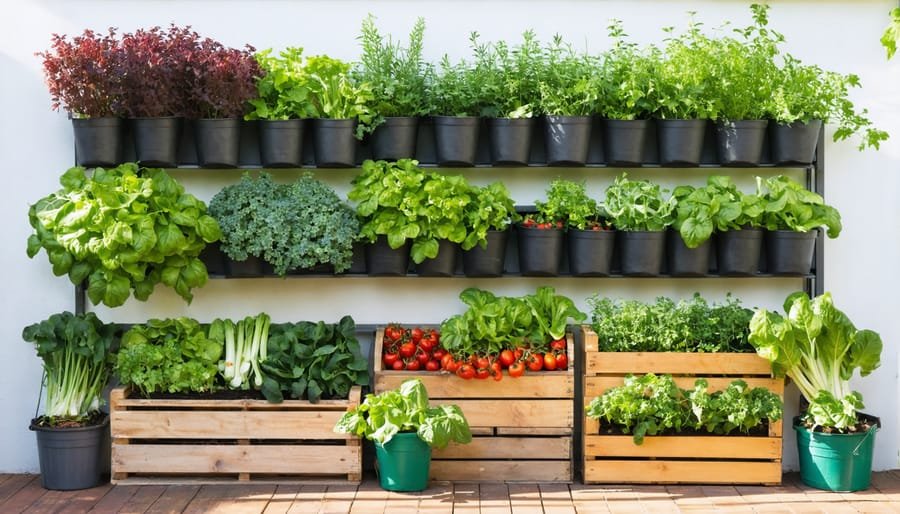
Small-space gardening is more than a trend; it’s a practical, sustainable solution to modern living challenges.
- Freshness and Nutrition – Growing your own vegetables ensures access to pesticide-free, nutrient-rich produce.
- Cost-Effective – Even a few pots can yield enough vegetables to reduce grocery bills.
- Waste Reduction – Harvest only what you need, minimizing spoilage.
- Environmental Benefits – Reduces carbon footprint associated with transporting produce.
- Therapeutic Value – Gardening improves mental well-being and promotes physical activity.
Criteria for Choosing Vegetables for Small Spaces
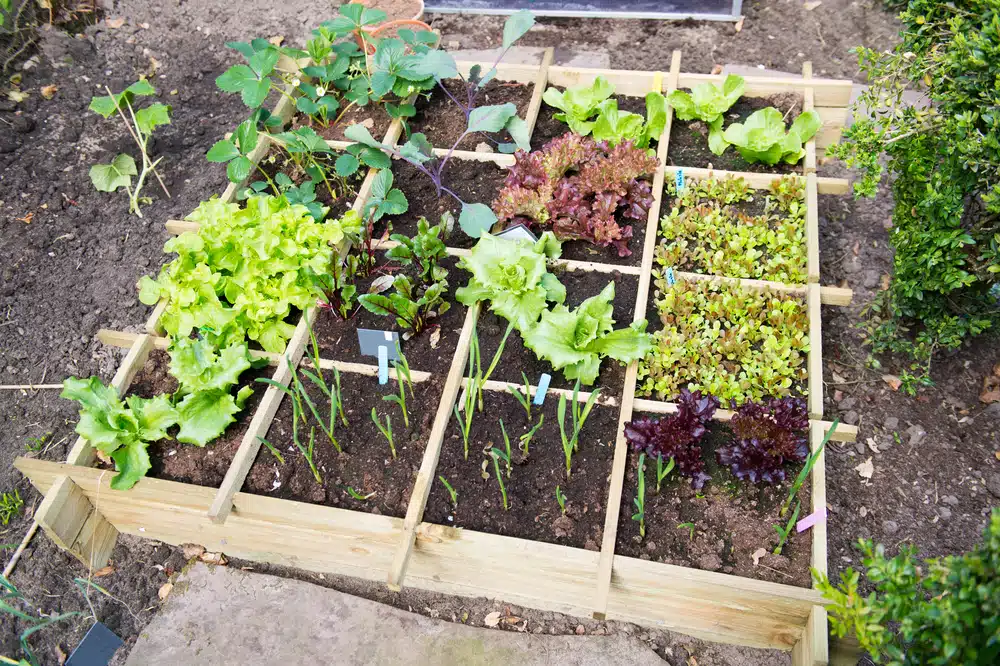
Not all vegetables are suitable for limited-space gardens. Ideal choices should:
- Be compact or dwarf varieties that do not require large plots.
- Mature quickly, allowing multiple harvests in a season.
- Grow vertically or adapt well to containers.
- Be hardy and low-maintenance, resisting common pests and diseases.
- Fit personal culinary needs, complementing vegetarian meals.
1. Leafy Greens
Leafy greens are some of the easiest and most rewarding vegetables to grow in small spaces.
Examples:
- Lettuce (Butterhead, Romaine, Loose Leaf): Fast-growing, perfect for salad bowls.
- Spinach: Thrives in containers or vertical gardens.
- Kale: Compact varieties are ideal for pots and grow throughout cooler months.
- Arugula & Mustard Greens: Quick-maturing and flavorful additions to wraps and salads.
Planting Tips:
- Use shallow containers (6–8 inches deep).
- Sow seeds densely for baby greens or thin for full-sized leaves.
- Harvest leaves continuously to encourage regrowth.
Benefits: Rich in vitamins A, C, and K, folate, and antioxidants—essential for a vegetarian diet.
2. Herbs
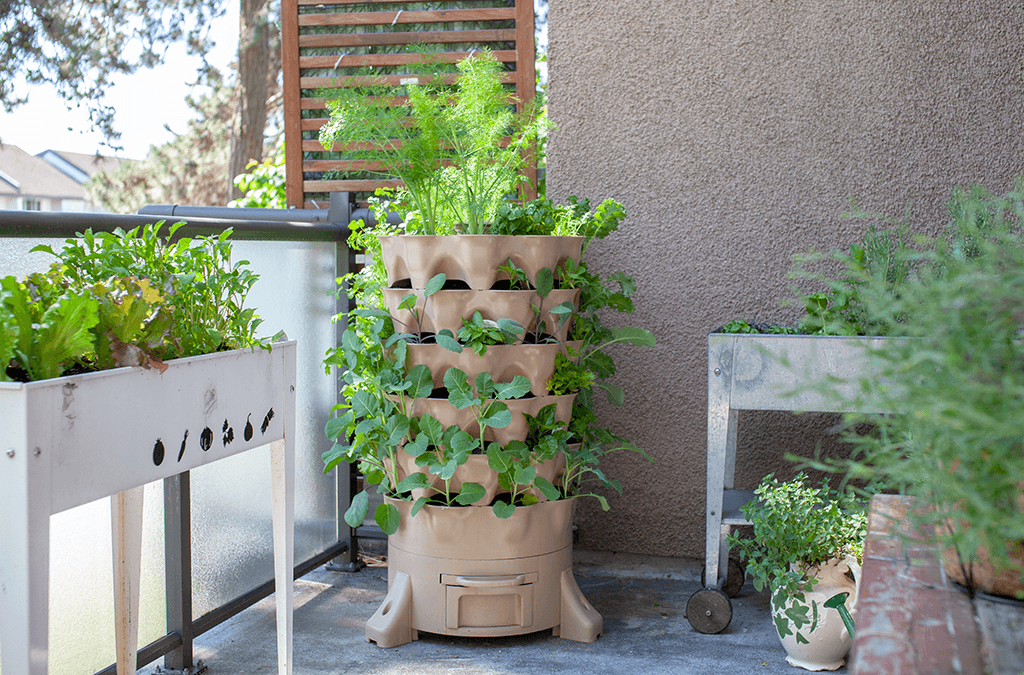
Herbs are perfect for small-space gardening because they are compact, versatile, and can thrive indoors or on balconies.
Examples:
- Basil: Adds flavor to pasta, salads, and sauces.
- Coriander/Cilantro: Quick-growing, ideal for garnishes and chutneys.
- Mint: Thrives in containers, spreads quickly—useful for teas and drinks.
- Parsley & Dill: Nutrient-rich, perfect for salads and soups.
- Chives: Small, hardy, and ideal for seasoning dishes.
Planting Tips:
- Use small pots or window boxes.
- Place in sunny spots for 4–6 hours per day.
- Trim regularly to encourage bushy growth.
Benefits: Enhance flavor and provide essential micronutrients while requiring minimal space.
3. Fruiting Vegetables
Even in small spaces, you can enjoy tomatoes, peppers, and other fruiting vegetables with careful planning.
Examples:
- Cherry Tomatoes: Compact, prolific, and ideal for containers or hanging baskets.
- Bell Peppers & Chili Peppers: Grow well in pots with adequate sunlight.
- Mini Cucumbers: Dwarf varieties are suitable for trellises or vertical supports.
- Eggplant (Dwarf Varieties): Produce abundant fruit without large space requirements.
Planting Tips:
- Use 10–12 inch deep pots with good drainage.
- Support vertical growth with stakes or trellises.
- Prune regularly to focus energy on fruit production.
Benefits: Provide vitamins A and C, fiber, and antioxidants; enhance variety in vegetarian cooking.
4. Root Vegetables
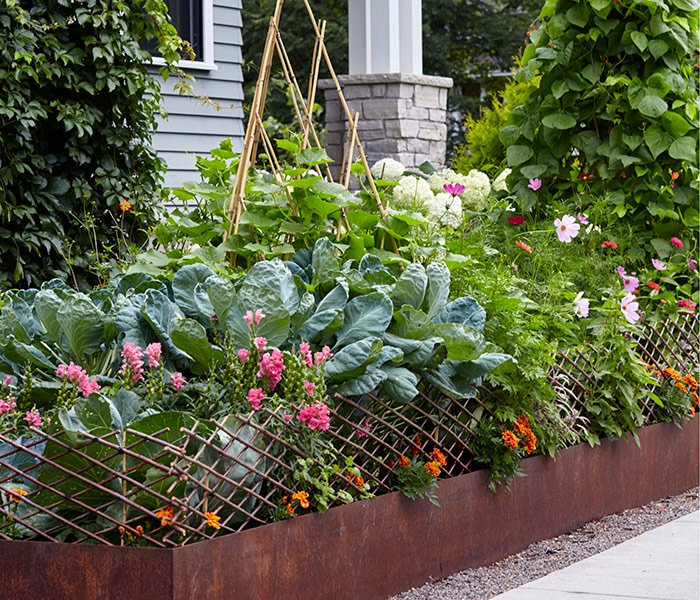
Root vegetables are surprisingly adaptable to container gardening and small spaces.
Examples:
- Radishes: Extremely fast-growing; ready in 3–4 weeks.
- Carrots (Short or Dwarf Varieties): Compact roots perfect for deep containers.
- Beets: Leaves can also be harvested for greens.
- Turnips & Baby Potatoes: Small-space friendly and nutritious.
Planting Tips:
- Use deep containers (8–12 inches) for root development.
- Ensure loose, well-draining soil to prevent stunted growth.
- Harvest when roots reach desired size to encourage continuous production.
Benefits: Rich in fiber, potassium, and antioxidants, complementing leafy greens for a balanced vegetarian diet.
5. Legumes
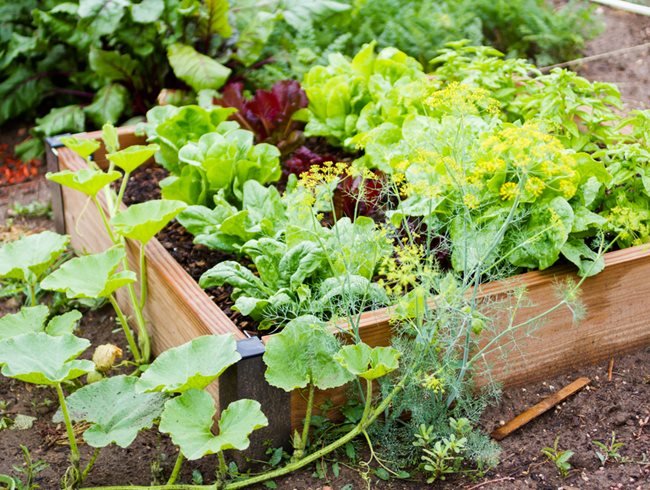
Legumes are excellent for small-space gardens because they fix nitrogen in the soil, benefiting other plants.
Examples:
- Bush Beans: Compact and productive in containers.
- Peas: Thrive in vertical setups using trellises or string supports.
- Lentils & Mung Beans: Growable in small trays for sprouts.
Planting Tips:
- Provide vertical support for climbing varieties.
- Harvest regularly to encourage continued production.
Benefits: Excellent source of plant-based protein, fiber, and essential minerals.
6. Creative Vertical Gardening
Maximizing vertical space is crucial for small-space gardens. Consider:
- Hanging Baskets: Cherry tomatoes, strawberries, or trailing herbs.
- Wall-Mounted Planters: Lettuce, spinach, and herbs.
- Trellises and Netting: Cucumbers, beans, and peas climb easily.
- Stacked Pots or Tower Gardens: Allow multiple layers of different vegetables.
Benefits: Increases yield per square foot, keeps plants organized, and reduces soil-borne diseases.
7. Companion Planting
Even in small spaces, companion planting enhances productivity and health of plants:
- Tomatoes + Basil: Improves growth and repels pests.
- Carrots + Lettuce: Lettuce shades carrot roots, keeping soil cool.
- Cucumbers + Beans: Beans enrich soil with nitrogen, helping cucumber growth.
Pro Tip: Plan layout carefully to avoid overcrowding while maximizing sunlight exposure.
8. Maintenance Tips for Small-Space Gardens
- Sunlight: Ensure 4–6 hours of direct sunlight daily; supplement with grow lights if indoors.
- Watering: Maintain consistent moisture; avoid waterlogging containers.
- Fertilization: Use organic compost, vermicompost, or slow-release fertilizers.
- Pruning: Trim excess leaves or stems to encourage air circulation and fruiting.
- Pest Management: Use natural remedies like neem oil, garlic spray, or companion planting.
9. Seasonal Planning
Small-space gardens require awareness of seasonal growth:
- Spring/Summer: Tomatoes, peppers, cucumbers, leafy greens.
- Autumn/Winter: Spinach, kale, herbs, radishes, and certain dwarf root vegetables.
- Rotate crops to maintain soil health and continuous harvest.
10. Benefits of Growing Vegetables in Small Spaces
- Freshness: Immediate access to fresh, pesticide-free produce.
- Nutritional Value: Maximizes vitamins and minerals for a vegetarian diet.
- Sustainability: Reduces packaging and transportation footprint.
- Stress Reduction: Gardening promotes mental health and mindfulness.
- Educational: Teaches children and adults about plant life cycles, nutrition, and sustainability.
Conclusion
Even the smallest spaces can be transformed into thriving vegetable gardens with careful planning, the right plant selection, and consistent care. Leafy greens, herbs, fruiting vegetables, root crops, and legumes all adapt well to pots, raised beds, or vertical systems. By combining compact varieties, vertical gardening techniques, and companion planting strategies, gardeners can maximize yield while maintaining plant health.
Small-space gardening not only provides fresh, nutritious ingredients for vegetarian meals but also fosters sustainable living, reduces food waste, and connects gardeners with nature. With the right choices and proper care, anyone can cultivate a productive kitchen garden, regardless of space limitations.
Whether you are an urban dweller with a balcony or someone with limited backyard space, selecting the best vegetables for small-space gardens ensures a rewarding, productive, and flavorful gardening experience.