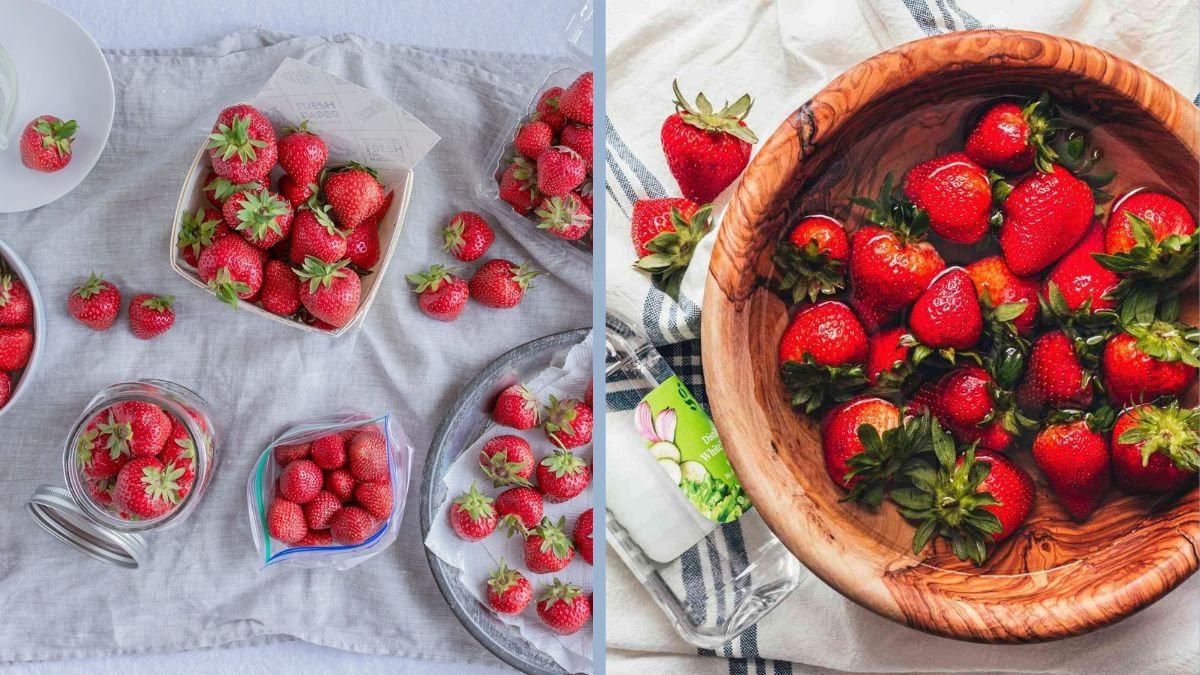
Strawberries are among the most popular fruits worldwide, celebrated for their vibrant color, juicy texture, and naturally sweet flavor. Rich in vitamin C, antioxidants, and dietary fiber, strawberries are a nutritious addition to a vegetarian diet. However, these delicate fruits are highly perishable, prone to mold, bruising, and rapid spoilage if not stored correctly. Learning how to keep strawberries fresh for longer ensures that you can enjoy their flavor, aroma, and nutritional benefits for days after purchase or harvest.
This article explores comprehensive strategies for storing strawberries, including selection, preparation, storage techniques, and best practices to extend shelf life without compromising taste or nutrients.
Why Proper Storage Matters
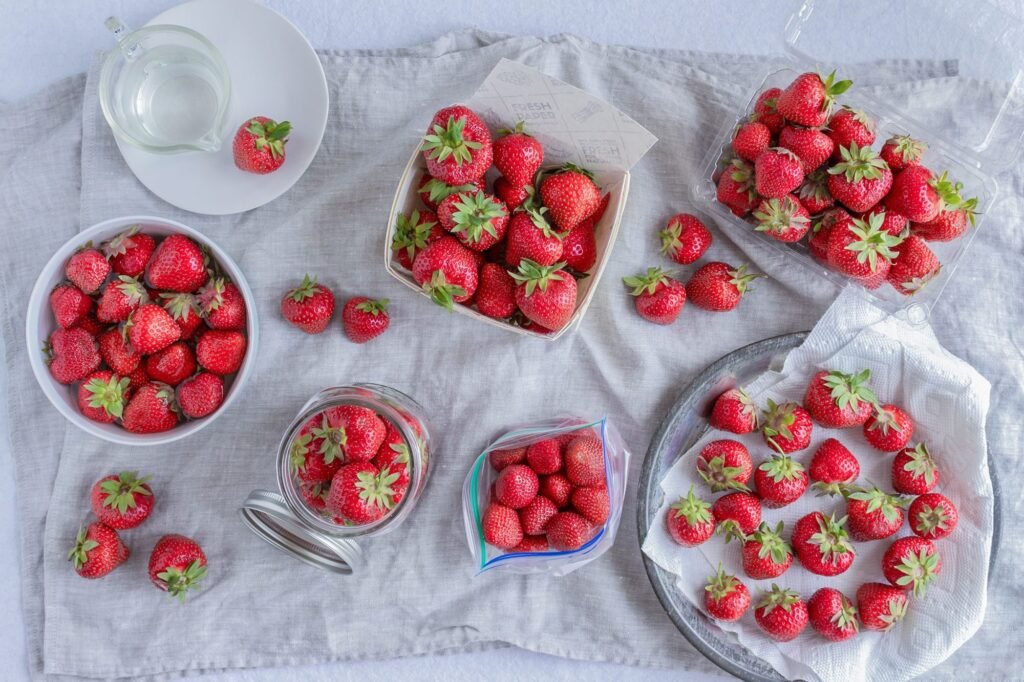
Strawberries are soft, high-moisture fruits, which makes them susceptible to:
- Mold growth: High humidity and moisture promote fungal development.
- Bruising: Fragile skin can easily be damaged during handling.
- Nutrient loss: Exposure to air and heat can reduce vitamin C and antioxidant levels.
- Flavor degradation: Improper storage accelerates loss of sweetness and aroma.
Effective storage preserves freshness, flavor, and nutritional value, allowing you to enjoy strawberries in smoothies, salads, desserts, or as a raw snack.
Selecting Strawberries for Longevity
Proper storage begins with careful selection:
- Appearance: Choose strawberries that are bright red, shiny, and uniform in color.
- Firmness: Select firm berries; overly soft or mushy ones spoil quickly.
- Size and shape: Medium-sized berries are often more durable; avoid overly large strawberries, which may bruise more easily.
- Green caps: Fresh, vibrant green caps indicate recently harvested fruit.
Avoid berries with mold, blemishes, or signs of dehydration, as these will compromise the freshness of surrounding strawberries.
Preparing Strawberries for Storage
Minimal handling and preparation reduce the risk of spoilage:
1. Inspect and Sort
- Remove any damaged, bruised, or moldy berries immediately.
- Sorting prevents mold or rot from spreading to healthy strawberries.
2. Do Not Wash Before Storage
- Strawberries absorb water quickly, which accelerates mold growth.
- Only wash strawberries immediately before consumption.
Tip: Excess moisture is the primary cause of rapid spoilage.
3. Handle Gently
- Avoid stacking berries in thick layers or squeezing them together.
- Use shallow containers to minimize pressure on delicate fruits.
Best Storage Techniques
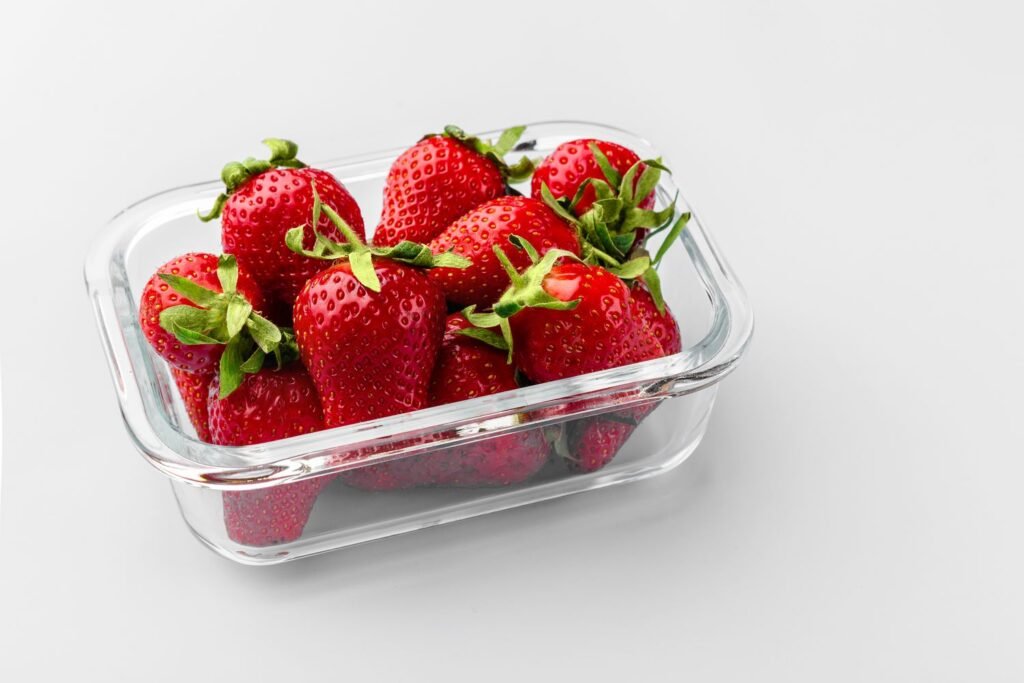
Several storage methods help maximize the freshness and shelf life of strawberries.
1. Refrigeration
Refrigeration is the most common and effective way to extend strawberry freshness:
Steps:
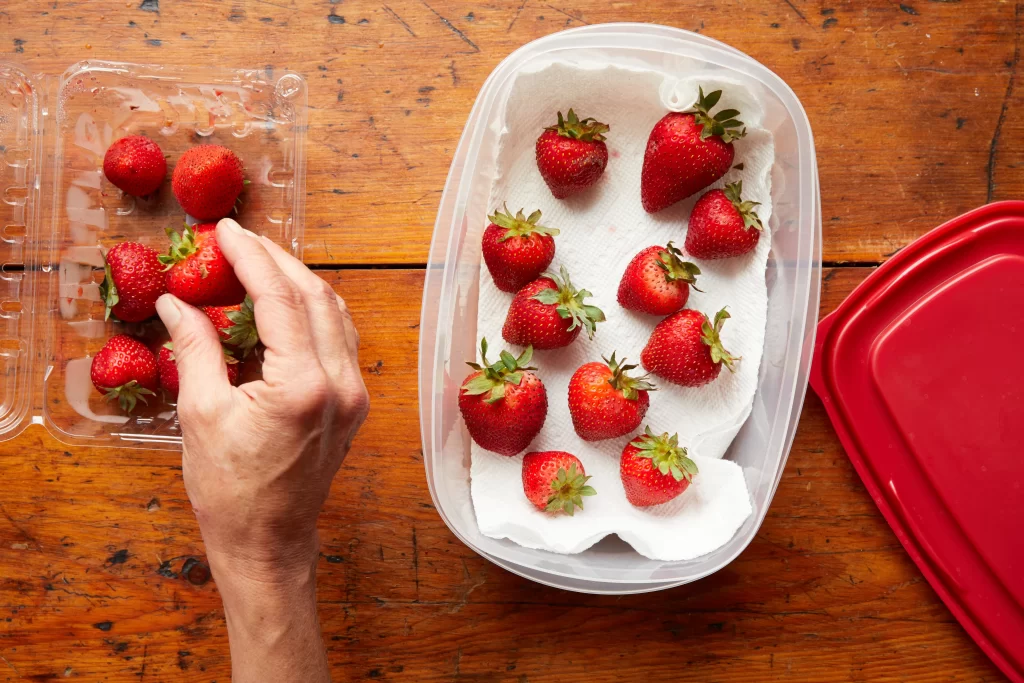
- Place unwashed strawberries in a single layer in a shallow container lined with paper towels.
- Cover loosely with a breathable lid or plastic wrap with ventilation holes.
- Store in the refrigerator at 32–36°F (0–2°C).
Benefits:
- Slows down microbial growth and ripening.
- Maintains texture and flavor for up to 5–7 days.
2. Vinegar Wash Method
A vinegar wash can help reduce mold and extend shelf life:
Steps:
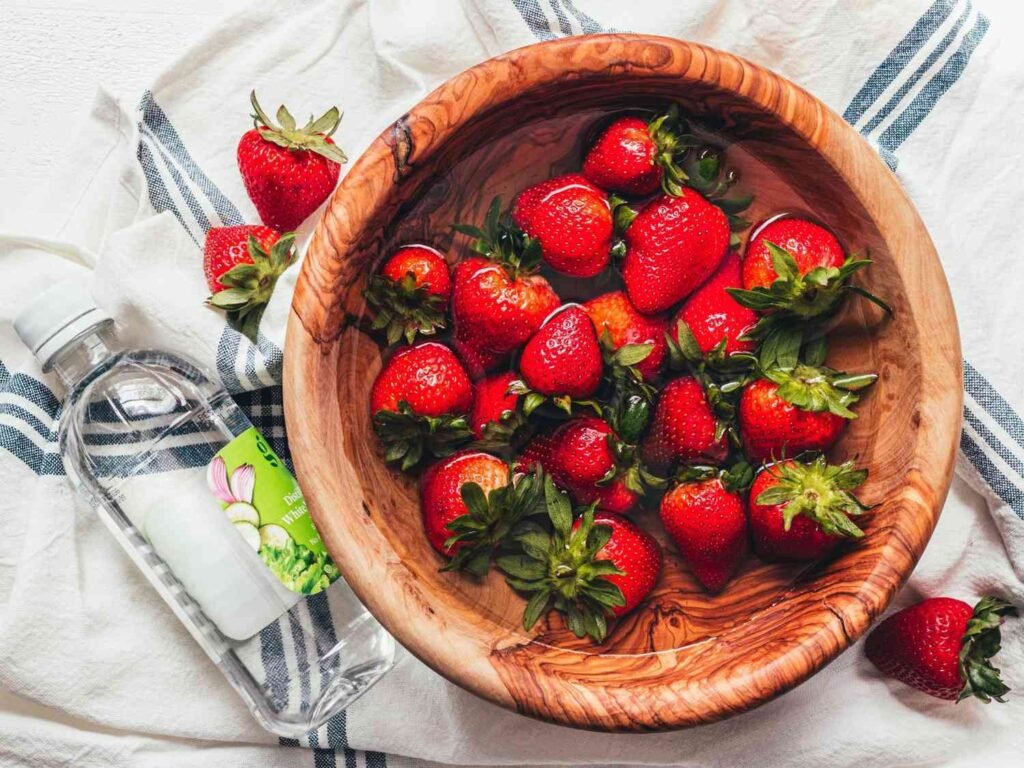
- Mix 1 part white vinegar with 3 parts water.
- Gently dip strawberries for 1–2 minutes.
- Rinse with cold water and dry thoroughly with paper towels.
- Store in a breathable container in the refrigerator.
Benefits:
- Vinegar kills surface mold spores without altering taste.
- Extends shelf life by 2–3 days compared to standard refrigeration.
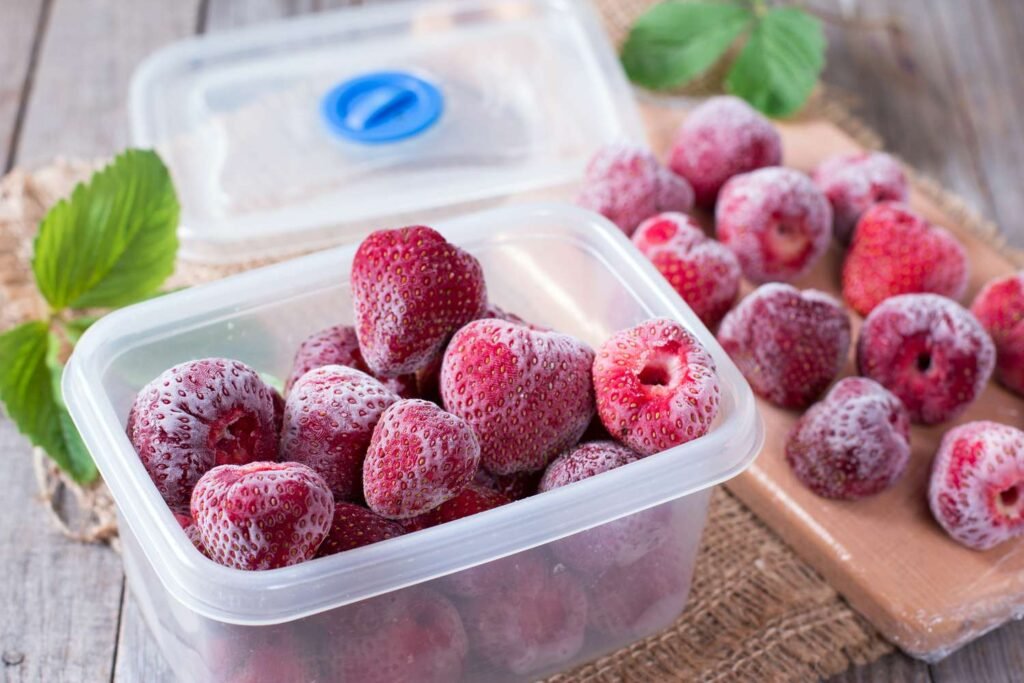
3. Freezing
Freezing strawberries preserves them for long-term use in smoothies, desserts, or cooking:
Steps:
- Wash and hull strawberries, removing the green caps.
- Spread berries in a single layer on a baking sheet and freeze until solid (flash freezing).
- Transfer frozen berries to airtight freezer bags or containers.
- Label with the date and return to the freezer.
Benefits:
- Maintains flavor, color, and nutritional value for up to 6–12 months.
- Prevents spoilage and reduces waste.
Tip: Flash freezing prevents berries from sticking together and allows portioned use.
4. Moist Paper Towel Method
This method is particularly useful for short-term storage while preserving freshness:
Steps:
- Line a container with a dry paper towel.
- Place strawberries in a single layer on the towel.
- Cover with another paper towel or a breathable lid.
- Refrigerate.
Benefits:
- Paper towels absorb excess moisture and prevent mold.
- Keeps strawberries firm and fresh for up to a week.
5. Storing in Containers with Ventilation
Proper airflow prevents condensation and mold:
- Use containers with holes or vented lids to allow air circulation.
- Avoid tightly sealed containers unless strawberries are completely dry.
- Layer berries with paper towels to absorb moisture and prevent bruising.
Best for: Larger quantities intended for consumption within 3–5 days.
Additional Tips for Extending Strawberry Freshness
- Separate from ethylene-producing fruits: Keep strawberries away from bananas, apples, or tomatoes, which produce gases that accelerate ripening.
- Temperature consistency: Avoid frequent temperature changes, which stress the fruit and promote spoilage.
- Consume quickly: Strawberries are best eaten within 5–7 days, even with optimal storage.
- Minimal handling: Only handle berries when necessary to reduce bruising and microbial contamination.
- Regular inspection: Remove any berries showing early signs of spoilage to protect the rest.
Nutritional Benefits of Fresh Strawberries
Strawberries are a powerhouse of nutrients, and proper storage preserves their health benefits:
- Vitamin C: Supports immunity, skin health, and antioxidant activity.
- Folate: Important for cellular growth and function.
- Fiber: Aids digestion and promotes satiety.
- Antioxidants: Polyphenols, anthocyanins, and flavonoids protect against oxidative stress and inflammation.
- Low-calorie: Makes them ideal for healthy, plant-based diets.
Maintaining strawberries at peak freshness ensures that these nutrients are available in every serving.
Culinary Uses of Fresh Stored Strawberries
Properly stored strawberries remain versatile in vegetarian cooking:
- Raw snacks: Enjoy on their own or with yogurt, oatmeal, or cereal.
- Salads: Add color, sweetness, and nutrition to green salads.
- Smoothies: Blend frozen or fresh berries into nutrient-dense beverages.
- Desserts: Ideal for tarts, cakes, parfaits, and fruit compotes.
- Sauces and jams: Homemade strawberry sauce or jam for pancakes, toast, or desserts.
Having strawberries stay fresh longer allows greater flexibility in meal preparation and reduces food waste.
Common Mistakes to Avoid
- Washing before storage: Moisture promotes mold and decay.
- Stacking berries: Causes bruising and accelerates spoilage.
- Ignoring ethylene exposure: Accelerates ripening and reduces shelf life.
- Refrigerating in airtight containers with moisture: Traps water and encourages mold growth.
- Failing to inspect: Mold spreads quickly; early removal of spoiled berries prevents contamination of the rest.
Avoiding these mistakes ensures strawberries remain firm, flavorful, and nutrient-rich for as long as possible.
Conclusion
Keeping strawberries fresh for longer requires careful attention from selection to storage. By choosing firm, vibrant berries and handling them gently, you can minimize bruising and spoilage. Methods such as refrigeration in ventilated containers, the vinegar wash technique, paper towel layering, and freezing help extend shelf life without compromising flavor or nutrients.
Additional practices, such as separating from ethylene-producing fruits, maintaining consistent temperature, and regular inspection, further preserve freshness. These strategies ensure that strawberries retain their natural sweetness, texture, and nutritional content, supporting a healthy vegetarian diet.
By implementing these storage techniques, home cooks and gardeners can enjoy strawberries at their peak for a longer period, reduce waste, and make the most of this delicious and nutrient-rich fruit. Fresh, flavorful strawberries are not only a delight to the palate but also a valuable source of vitamins, antioxidants, and fiber for a balanced plant-based diet.