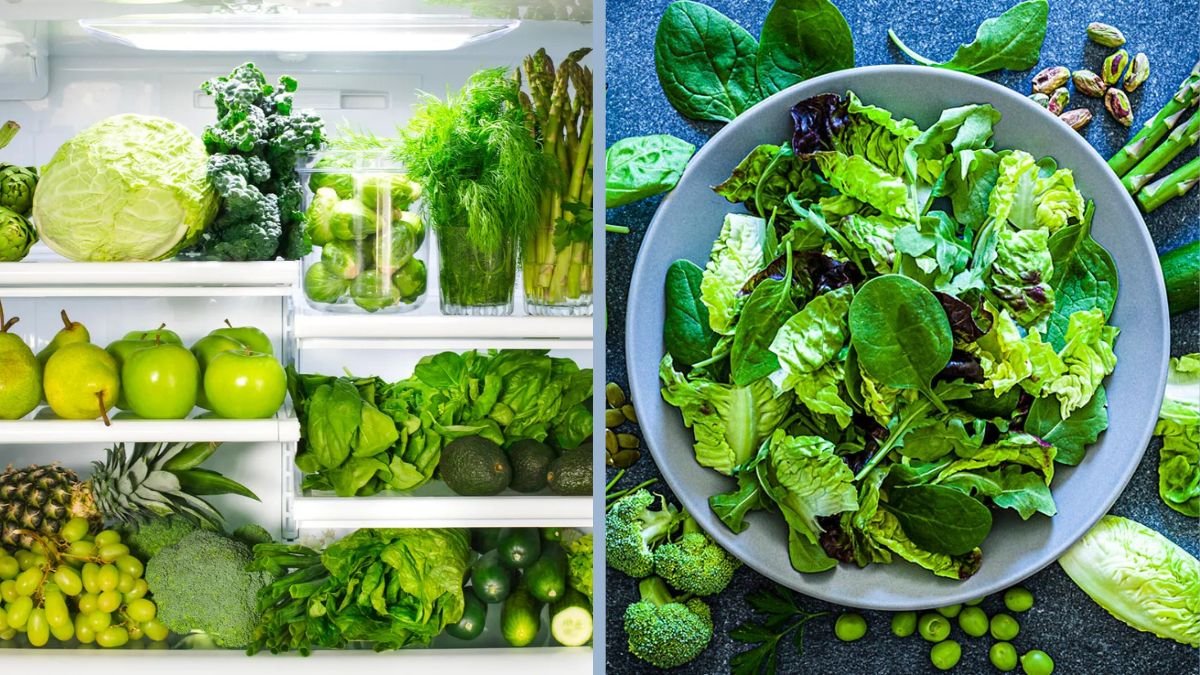
Leafy greens, such as spinach, kale, lettuce, chard, and arugula, are staples in vegetarian diets due to their high nutrient density, vibrant flavors, and versatility in cooking. However, these vegetables are highly perishable and can quickly lose freshness, texture, and nutrients if stored improperly. Effective storage methods are essential to extend shelf life, reduce waste, and maintain the maximum nutritional value.
This article explores the best techniques for storing leafy greens, including preparation, storage containers, refrigeration practices, and tips for keeping leaves crisp and flavorful. By understanding these methods, home cooks, gardeners, and urban growers can enjoy fresh, nutrient-rich greens year-round.
Why Proper Storage Matters
Leafy greens are sensitive to environmental conditions and handling. Improper storage can result in:
- Wilting: Loss of water from leaves causes limp, unappetizing greens.
- Nutrient loss: Vitamins, particularly vitamin C and folate, degrade rapidly when exposed to heat, light, and oxygen.
- Spoilage and mold: High humidity, moisture accumulation, and poor airflow encourage fungal growth.
- Flavor deterioration: Greens can develop off-flavors or bitterness if stored incorrectly.
Effective storage preserves taste, texture, and nutritional content, ensuring that greens remain fresh for salads, soups, smoothies, and sautés.
Selecting Leafy Greens for Storage
Choosing high-quality greens is the first step in prolonging shelf life:
- Appearance: Look for vibrant, crisp leaves without yellowing, bruising, or slimy spots.
- Stem firmness: Stems should be firm and free of rot.
- Moisture: Avoid greens that are overly wet, as this accelerates spoilage.
- Harvest stage: Young, tender leaves store better and maintain texture.
Starting with fresh, high-quality greens maximizes the effectiveness of storage methods.
Preparing Leafy Greens for Storage
Proper preparation reduces moisture-related spoilage and maintains crispness:
1. Washing
- Rinse leaves thoroughly under cool, running water to remove dirt, dust, and insects.
- Use a salad spinner or gently pat dry with paper towels to remove excess water.
Tip: Avoid soaking greens for long periods, as this can reduce vitamin content.
2. Trimming
- Remove damaged or yellowed leaves.
- Trim large stems for uniformity, particularly for tender greens like spinach and baby kale.
3. Portioning
- Divide greens into meal-sized portions to minimize repeated handling.
- Store portions separately to reduce exposure to air and moisture during use.
Best Storage Methods
Different storage techniques optimize freshness for leafy greens depending on available space and usage frequency.
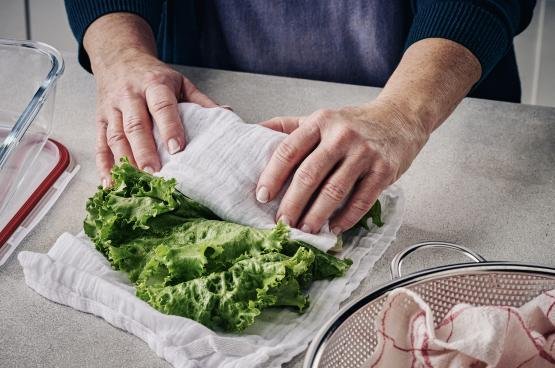
1. Paper Towel Method
This is one of the simplest and most effective storage methods:
Steps:
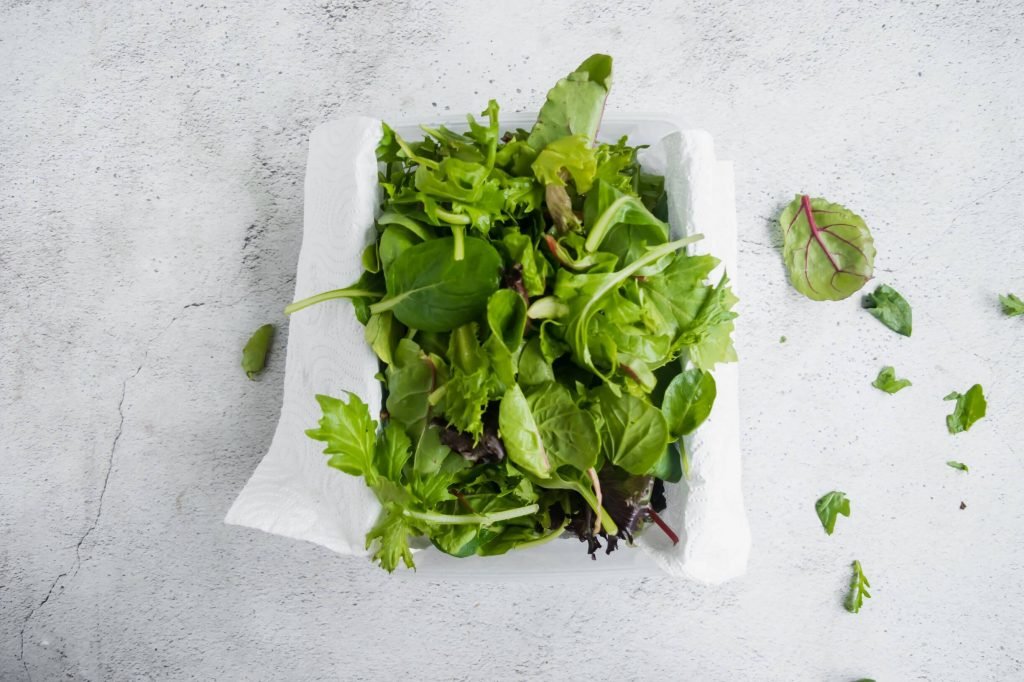
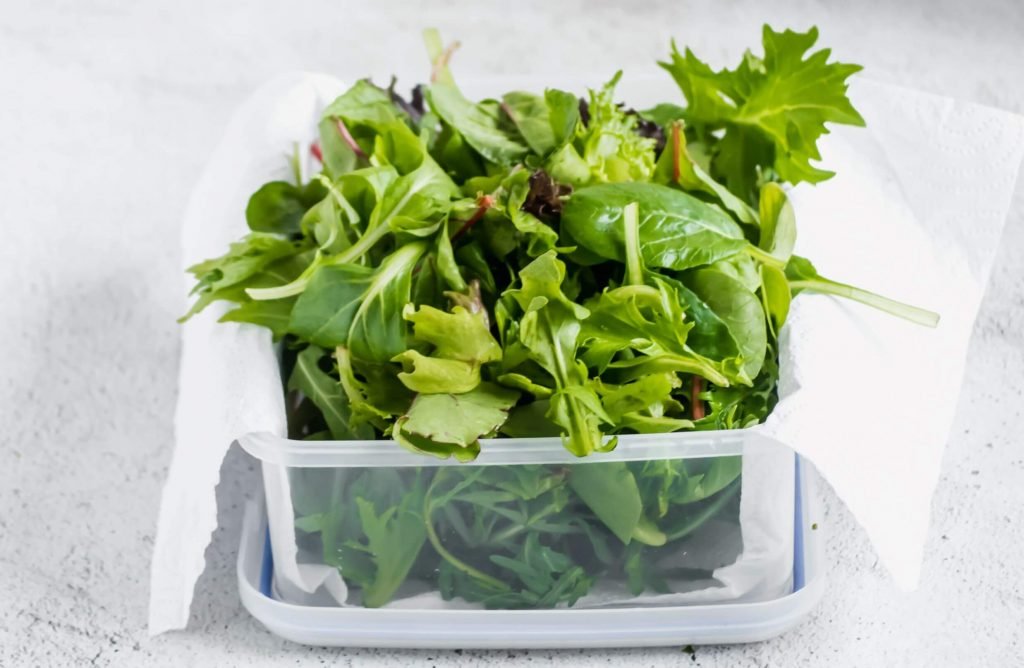
- Layer washed, dried greens between sheets of paper towel.
- Place the stack in a plastic bag, resealable bag, or airtight container.
- Store in the crisper drawer of the refrigerator.
Benefits:
- Paper towels absorb excess moisture, preventing rot.
- Airtight storage reduces exposure to oxygen, slowing nutrient degradation.
Shelf life: 5–7 days for delicate greens; up to 10 days for sturdier varieties like kale.
2. Mason Jar Storage
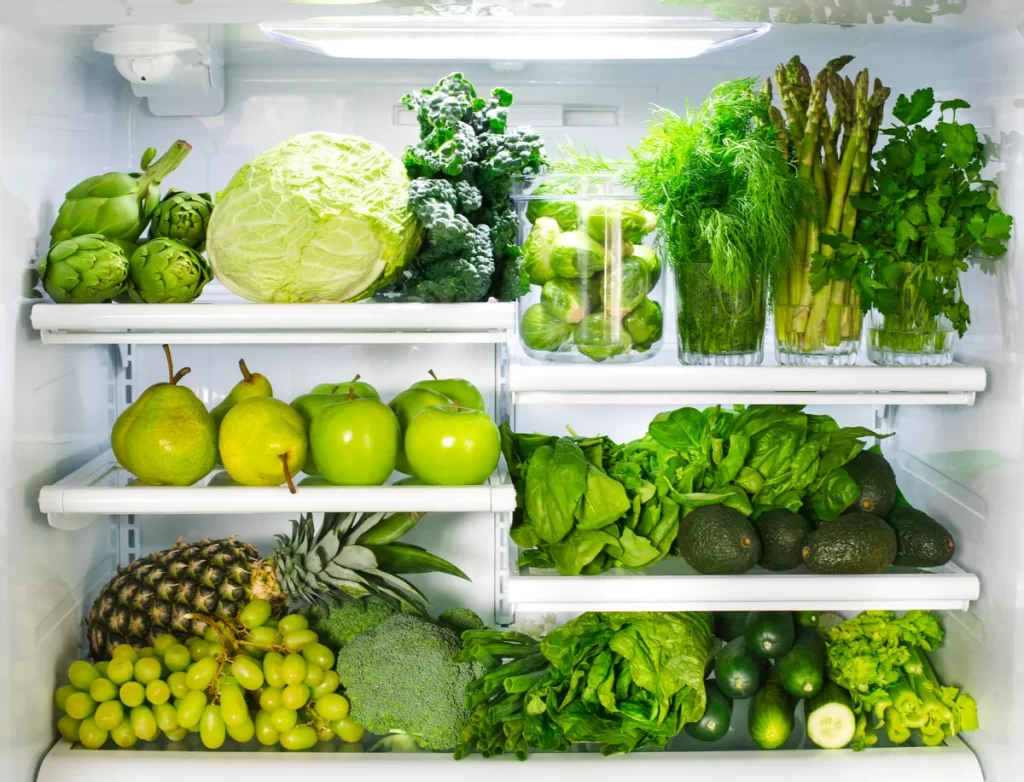
Using mason jars or other glass containers is ideal for small portions:
Steps:
- Line the jar with a dry paper towel.
- Fill the jar loosely with washed, dried greens.
- Top with another paper towel before sealing the lid.
- Store in the refrigerator.
Benefits:
- Reduces crushing and preserves leaf structure.
- Airtight seal minimizes moisture and oxidation.
Shelf life: 7–10 days depending on the type of greens.
3. Perforated Plastic Bags or Storage Containers
Perforated bags or vented containers allow airflow while maintaining humidity:
Steps:
- Place washed and dried greens in a perforated bag or container with a vented lid.
- Store in the crisper drawer of the refrigerator.
- Adjust vent openings to balance airflow and humidity.
Benefits:
- Prevents condensation, which causes mold.
- Maintains crispness by balancing humidity levels.
Shelf life: 5–8 days.
4. Water Storage Method
Storing leafy greens in water preserves crispness for delicate varieties:
Steps:
- Fill a jar or container with cold water.
- Place the stems of leafy greens, such as parsley, cilantro, or spinach, into the water.
- Cover loosely with a plastic bag and refrigerate.
- Change water every 2–3 days to maintain freshness.
Benefits:
- Keeps leaves hydrated and crisp.
- Extends storage for up to 10–14 days for some herbs and tender greens.
Tip: Only suitable for greens with firm stems. Avoid delicate leaves like arugula, which may wilt in water.
5. Vacuum-Sealed Storage
Vacuum sealing reduces air exposure and is highly effective for long-term refrigeration:
Steps:
- Wash and dry greens thoroughly.
- Place in vacuum-sealable bags and remove excess air.
- Store in the refrigerator or freezer for extended shelf life.
Benefits:
- Significantly slows oxidation and nutrient loss.
- Prevents moisture accumulation that can cause spoilage.
Shelf life: 10–14 days refrigerated; up to 6 months frozen.
Tips for Maintaining Maximum Freshness
- Temperature control: Keep greens consistently at 32–40°F (0–4°C).
- Humidity control: Use crisper drawers with adjustable humidity settings. High humidity is best for leafy greens; low humidity is better for vegetables like onions and peppers.
- Minimize handling: Repeated touching accelerates bruising and spoilage.
- Keep separate from ethylene-producing fruits: Apples, bananas, and tomatoes can hasten deterioration.
- Freeze for long-term storage: Blanch sturdy greens like kale and chard before freezing to preserve color, texture, and nutrients.
Nutritional Benefits of Leafy Greens
Leafy greens are rich in essential vitamins, minerals, and antioxidants:
- Vitamin C: Supports immunity and skin health.
- Vitamin K: Important for bone health and blood clotting.
- Folate: Essential for DNA synthesis and cellular function.
- Fiber: Promotes digestive health and satiety.
- Antioxidants: Beta-carotene, lutein, and polyphenols protect against oxidative stress.
Proper storage ensures these nutrients are retained, providing maximum health benefits even days after harvest.
Culinary Uses of Leafy Greens
Storing leafy greens correctly allows them to be used in a variety of dishes:
- Salads: Maintain crispness for fresh salads and wraps.
- Smoothies: Preserve flavor and nutrients for green smoothies.
- Soups and stews: Sturdy greens like kale, chard, and collard greens maintain texture when cooked.
- Sautéed dishes: Extend shelf life without losing culinary quality.
- Herb blends and pesto: Fresh parsley, cilantro, and basil benefit from proper storage for flavor preservation.
Correctly stored greens improve the consistency and taste of vegetarian dishes, reducing waste and saving time in meal preparation.
Common Mistakes to Avoid
- Storing wet greens: Excess moisture accelerates spoilage and mold growth.
- Using non-ventilated containers: Traps condensation, leading to rot.
- Ignoring crisper drawer settings: High humidity is essential for leafy greens.
- Storing near ethylene-producing fruits: Causes premature wilting.
- Delaying consumption: Even properly stored greens should be consumed within a week for optimal quality.
Avoiding these mistakes ensures greens remain fresh, nutritious, and flavorful.
Conclusion
Storing leafy greens correctly is essential to maintain freshness, texture, flavor, and nutritional value. Techniques such as the paper towel method, mason jars, perforated bags, water storage, and vacuum sealing provide effective options depending on type, quantity, and available space.
Preparation steps, including washing, drying, trimming, and portioning, are critical to extend shelf life. Maintaining proper temperature, humidity, and minimizing exposure to ethylene-producing fruits further prolongs freshness. Regular inspection and careful handling reduce spoilage, ensuring greens remain crisp and nutrient-rich.
By applying these best practices, home gardeners, urban growers, and cooks can enjoy vibrant, flavorful leafy greens in salads, soups, sautés, and smoothies. Proper storage not only enhances culinary quality but also supports sustainable practices by reducing waste and preserving the nutritional integrity of these essential vegetables.
Fresh, well-stored leafy greens are a cornerstone of a healthy vegetarian diet, providing a year-round supply of vital nutrients and superior taste for a wide range of dishes.