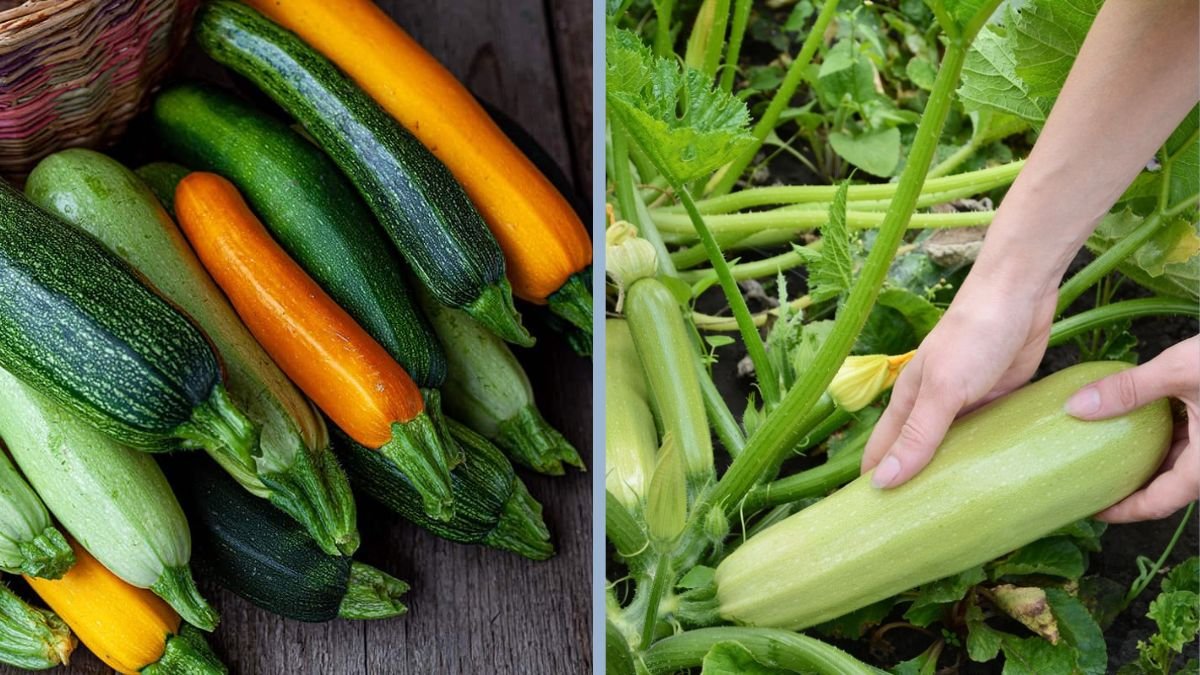
Zucchini is one of the most versatile vegetables in vegetarian cooking, prized for its mild flavor, tender texture, and nutritional benefits. Whether roasted, sautéed, baked, or spiralized into noodles, zucchini is a staple in salads, stews, and casseroles. However, the size at which zucchini is harvested significantly affects its taste, texture, and culinary usability. Picking zucchini at the perfect size ensures optimal flavor, reduces waste, and maintains the health benefits of this nutrient-rich vegetable.
This article explores how to select zucchini at the ideal size, covering growth patterns, signs of readiness, nutritional implications, harvesting techniques, and practical tips for maximizing both yield and quality.
Why Picking Zucchini at the Right Size Matters
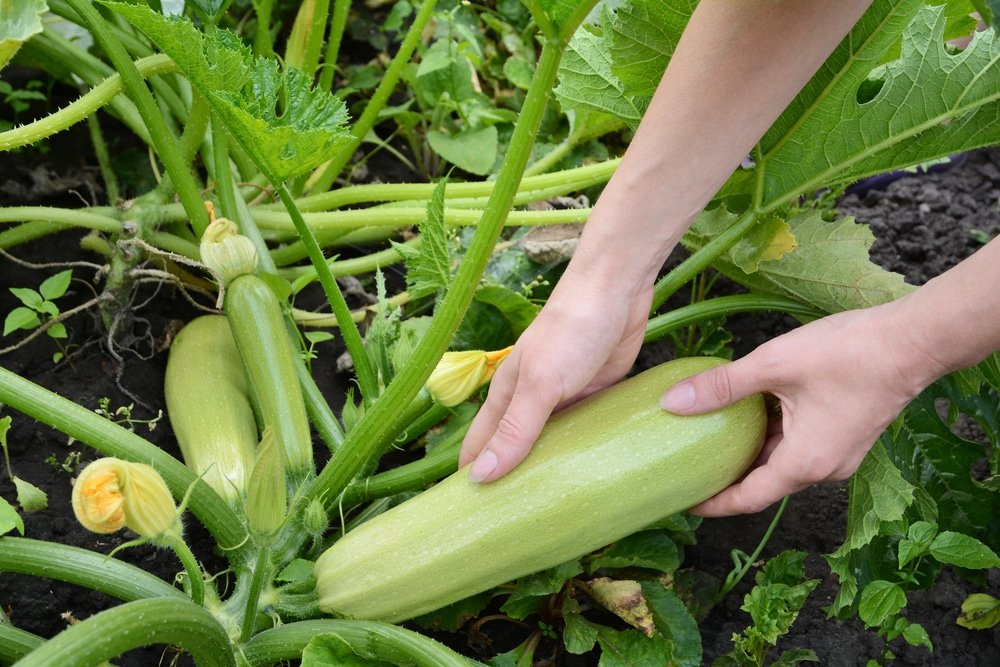
Zucchini continues to grow rapidly after flowering, and timing the harvest is essential:
- Flavor preservation: Smaller, younger zucchini are tender and sweet, while oversized fruits become watery, fibrous, and less flavorful.
- Texture optimization: Zucchini at the ideal size has a delicate skin and soft seeds, suitable for raw and cooked dishes.
- Nutritional retention: Younger zucchini contain higher concentrations of antioxidants, vitamins, and minerals.
- Continuous yield: Regular harvesting encourages the plant to produce more fruits over the season.
- Reduced waste: Avoiding oversized, tough zucchini prevents parts of the vegetable from being discarded.
Understanding size and growth stages allows home gardeners and cooks to consistently select zucchini that delivers superior taste and culinary performance.
Understanding Zucchini Growth
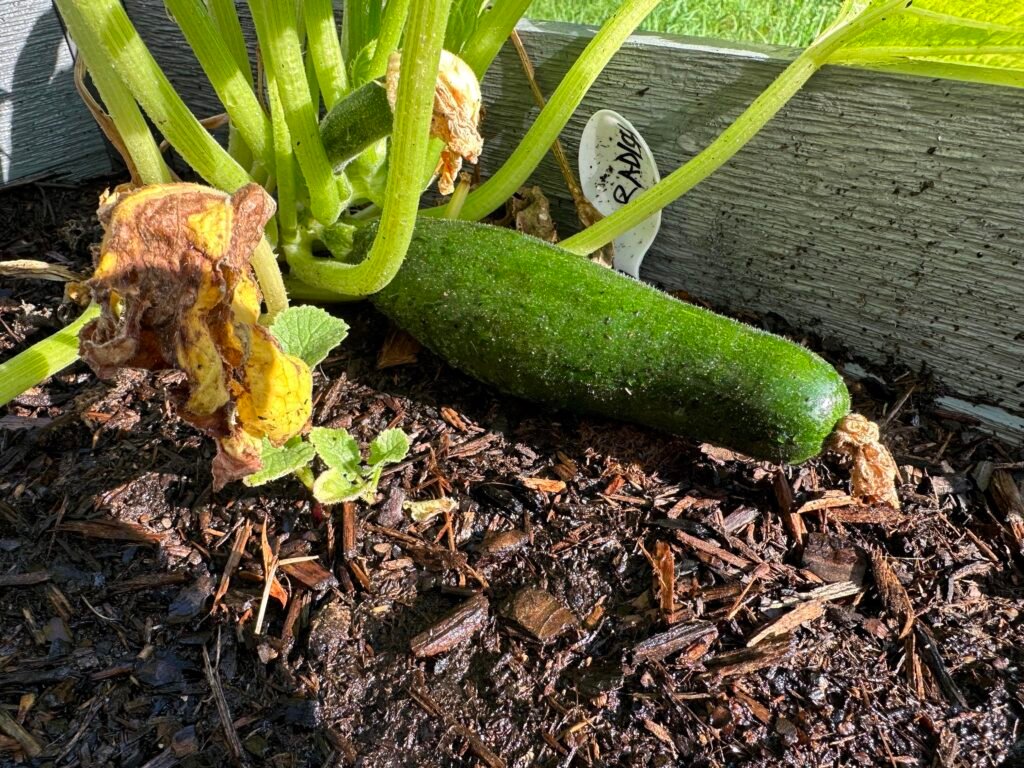
Zucchini (Cucurbita pepo) grows from flowers to mature fruit rapidly, typically within 4–8 days under favorable conditions. Factors influencing growth include:
- Temperature: Ideal growth occurs between 65–75°F (18–24°C).
- Sunlight: Full sun promotes strong development and flavor concentration.
- Watering: Consistent moisture supports steady growth without excessive water retention.
- Plant spacing: Adequate spacing (24–36 inches) prevents overcrowding and ensures uniform size.
Zucchini fruits emerge from female flowers, which can be identified by a small swelling at the base of the blossom. Once pollinated, the fruit begins rapid elongation. Recognizing this growth stage is key to picking at the optimal size.
Signs Zucchini Is Ready to Harvest
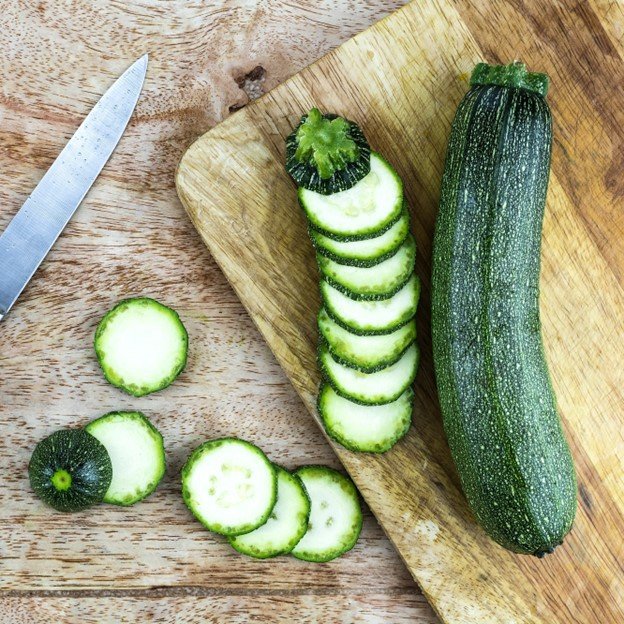
Determining the perfect harvest size involves observing several factors:
1. Length and Diameter
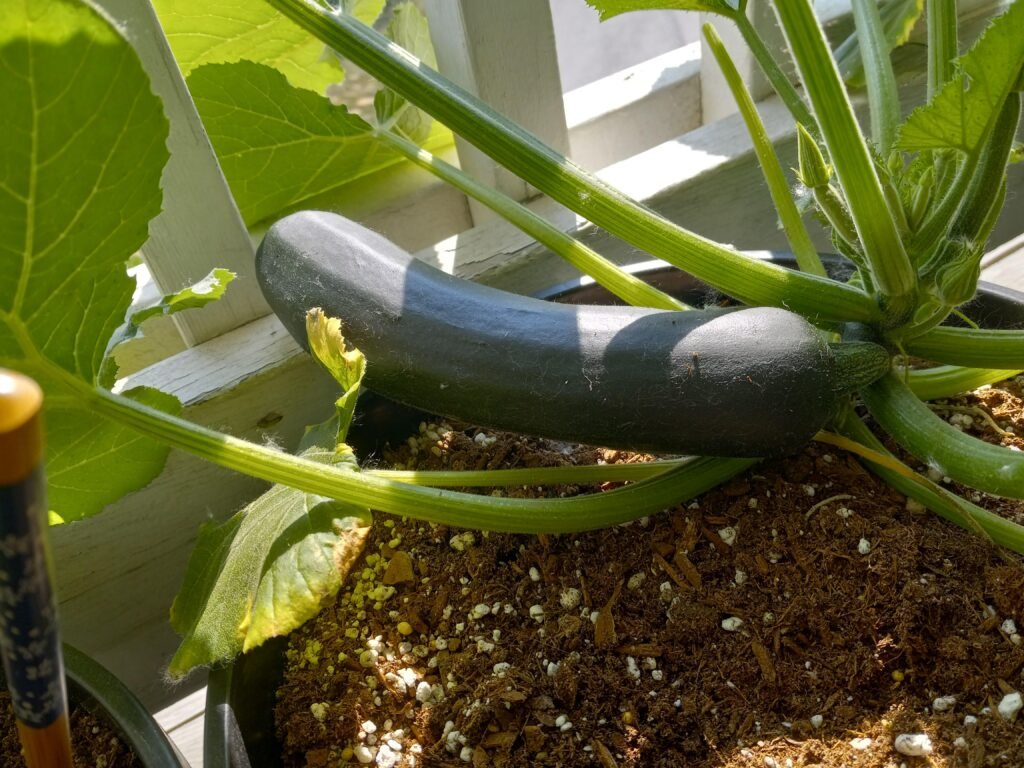
- Ideal size: 6–8 inches long and 1.5–2 inches in diameter.
- Smaller zucchini are more tender, sweeter, and easier to cook.
- Larger zucchini (over 10 inches) may develop tough skin and large seeds, reducing quality.
2. Skin Texture and Color
- Look for glossy, vibrant skin; dull skin may indicate overripeness.
- The skin should be firm but tender to the touch.
- Avoid zucchini with soft spots, cracks, or blemishes.
3. Flower Condition
- If the flower is still attached and beginning to wilt, the zucchini is likely at peak tenderness.
- Flowers that have dried completely indicate the fruit may be over-mature.
4. Seed Development
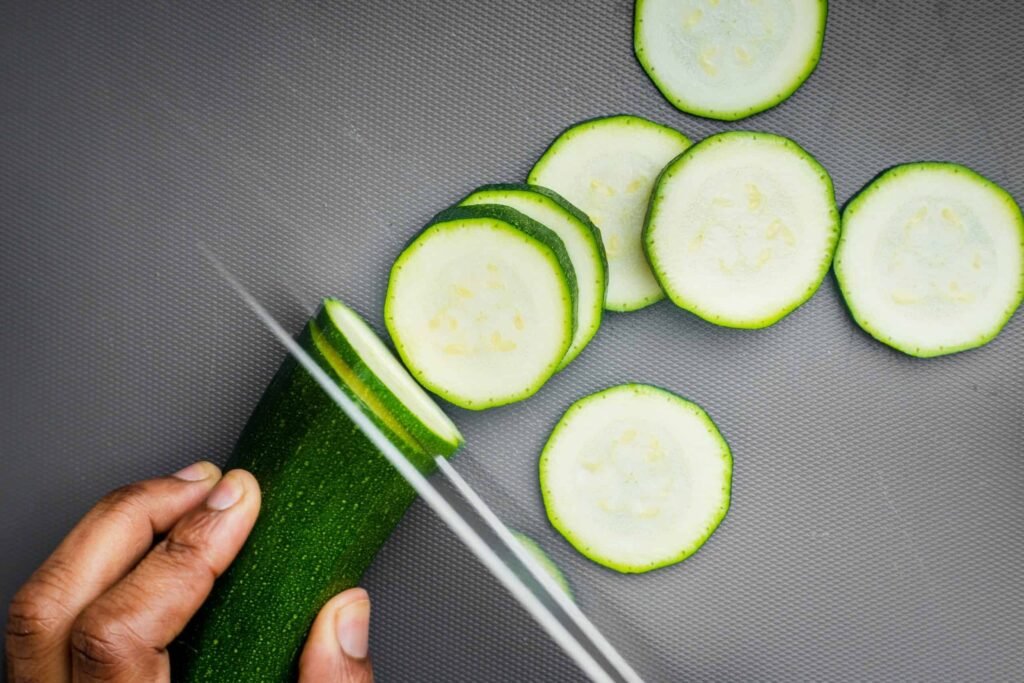
- Gently cut open a sample to check seeds.
- Immature seeds are soft and edible; fully hardened seeds suggest the zucchini is too mature for tender dishes.
Harvesting Techniques
Proper harvesting ensures minimal damage to the plant and maintains fruit quality:
1. Tools
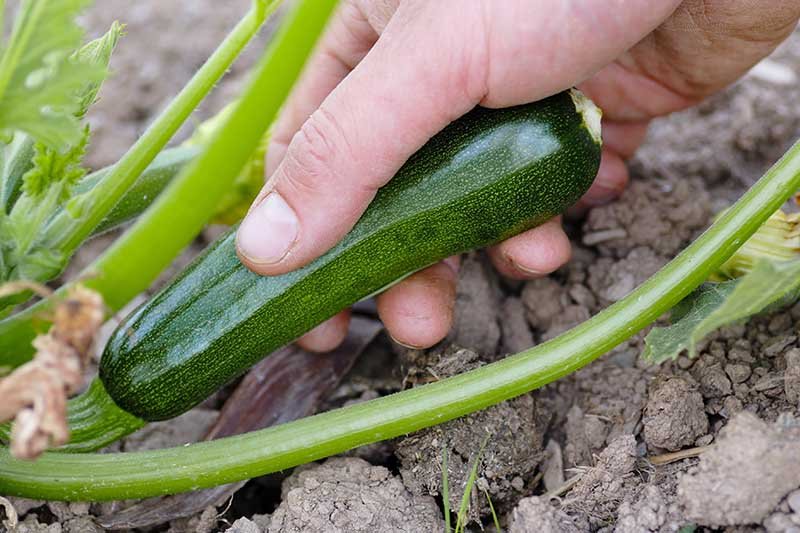
- Use a sharp knife or pruning shears to cut the stem ½ inch above the fruit.
- Avoid twisting or pulling the zucchini, which can damage the vine.
2. Timing
- Harvest in the morning when fruits are firm and cool.
- Check plants every 1–2 days during peak growing season to prevent oversized fruits.
3. Handling
- Place harvested zucchini gently into a basket or crate.
- Avoid stacking too many fruits on top of each other to prevent bruising.
Nutritional Benefits of Zucchini at the Perfect Size
Harvesting zucchini at the ideal size preserves nutritional quality:
- Vitamins: Rich in vitamin C, vitamin A, and B-complex vitamins.
- Minerals: Contains potassium, magnesium, and manganese.
- Antioxidants: Carotenoids and polyphenols support overall health.
- Fiber: Promotes digestive health and satiety.
- Low-calorie: Ideal for weight-conscious and plant-based diets.
Younger zucchini offer higher water content, tenderness, and a slightly sweeter flavor, enhancing both raw and cooked dishes.
Storing Zucchini After Harvest
Proper storage extends freshness and maintains flavor:
- Short-term storage:
- Keep unwashed zucchini in a perforated plastic bag in the refrigerator.
- Ideal for 4–5 days.
- Medium-term storage:
- Wrap zucchini in paper towels to absorb excess moisture.
- Place in a vegetable drawer at 40°F (4–5°C).
- Freezing for long-term use:
- Blanch sliced or diced zucchini for 1–2 minutes in boiling water.
- Cool in ice water, drain, and freeze in airtight containers or silicone bags.
- Ideal for soups, stews, and stir-fries.
Tip: Avoid storing zucchini near ethylene-producing fruits like tomatoes or bananas, which accelerate ripening and spoilage.
Culinary Uses of Zucchini
Perfectly sized zucchini can be used in a wide range of vegetarian dishes:
- Raw: Spiralized into noodles, sliced into salads, or used in sandwiches.
- Roasted or grilled: Enhances natural sweetness and texture.
- Sautéed: Lightly cooked with herbs for side dishes.
- Baked: Incorporated into muffins, breads, or casseroles.
- Soups and stews: Adds moisture and nutrients without overpowering flavor.
Selecting zucchini at the right size ensures uniform cooking and superior taste in all these preparations.
Tips for Continuous Harvest
- Frequent picking: Harvest every 1–2 days during peak growth to maintain ideal size and encourage new fruit production.
- Monitor plant health: Remove diseased or damaged fruits to prevent spread.
- Water and fertilize appropriately: Consistent care promotes steady, uniform growth.
- Companion planting: Plant zucchini with herbs like basil or flowers like marigolds to reduce pests and improve yield.
- Rotate harvest locations: Harvest from different areas of the plant to avoid overburdening specific vines.
Regular attention ensures a continuous supply of tender, flavorful zucchini throughout the season.
Common Mistakes to Avoid
- Waiting too long to harvest: Leads to large, fibrous fruits with tough skin and seeds.
- Ignoring flower condition: Wilted or dried flowers may indicate over-maturity.
- Poor handling: Bruises or cuts reduce shelf life and cooking quality.
- Storing improperly: High humidity or ethylene exposure accelerates spoilage.
Avoiding these mistakes preserves both culinary and nutritional quality, ensuring a superior harvest.
Conclusion
Picking zucchini at the perfect size is essential for maximizing flavor, texture, and nutritional value in vegetarian cooking. By observing fruit length, skin quality, flower condition, and seed development, home gardeners and cooks can consistently select zucchini that is tender, sweet, and ideal for a wide range of dishes.
Proper harvesting techniques, including careful cutting and gentle handling, maintain plant health and encourage continuous production. Storing zucchini in the right conditions extends shelf life while preserving taste and nutrients. By avoiding common mistakes and monitoring growth closely, zucchini can provide a reliable, delicious, and nutrient-rich ingredient for soups, stews, salads, and baked goods throughout the growing season.
Selecting the right-sized zucchini not only improves culinary outcomes but also supports sustainable gardening practices by reducing waste and promoting ongoing plant productivity. With knowledge, care, and attention, anyone can enjoy zucchini at its peak—tender, flavorful, and perfectly suited for a vegetarian kitchen.