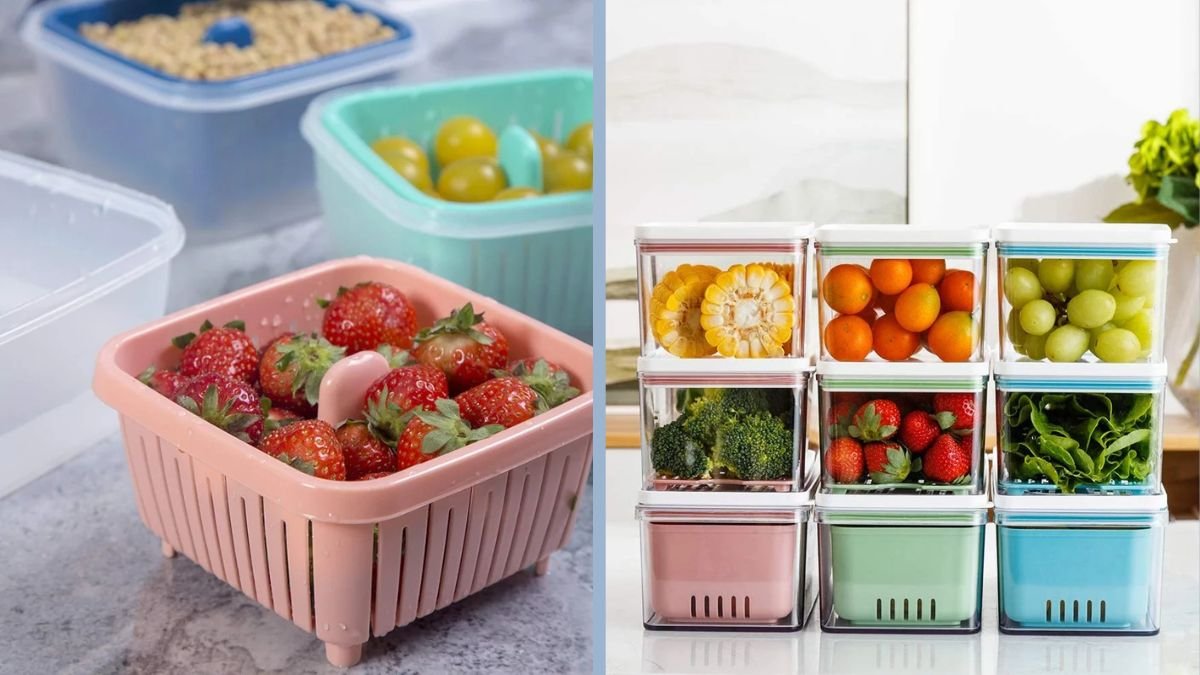
Proper storage is crucial to maintaining the freshness, flavor, and nutritional value of fruits and vegetables. Even freshly harvested produce can quickly lose its quality if stored improperly. The right storage containers help extend shelf life, reduce waste, and preserve vitamins, minerals, and antioxidants. Choosing the best storage solutions is essential for home gardeners, kitchen enthusiasts, and anyone seeking to maintain a healthy, vegetarian diet.
This article explores the most effective storage containers and techniques for keeping produce fresh, focusing on material, design, and storage practices that optimize the longevity and quality of fruits and vegetables.
Why Proper Storage Matters
Fruits and vegetables are living tissues that continue to respire after harvest. Improper storage can lead to:
- Moisture loss: Causes wilting and shriveling.
- Nutrient degradation: Vitamins such as C and A deteriorate rapidly when produce is exposed to heat, light, or air.
- Spoilage: Fungi, bacteria, and mold develop faster in poorly ventilated conditions.
- Flavor loss: Aromatic compounds diminish over time.
Using appropriate storage containers slows these processes, ensuring produce remains fresh, flavorful, and nutrient-rich.
Key Features of Effective Storage Containers
The best containers for fresh produce share several characteristics:
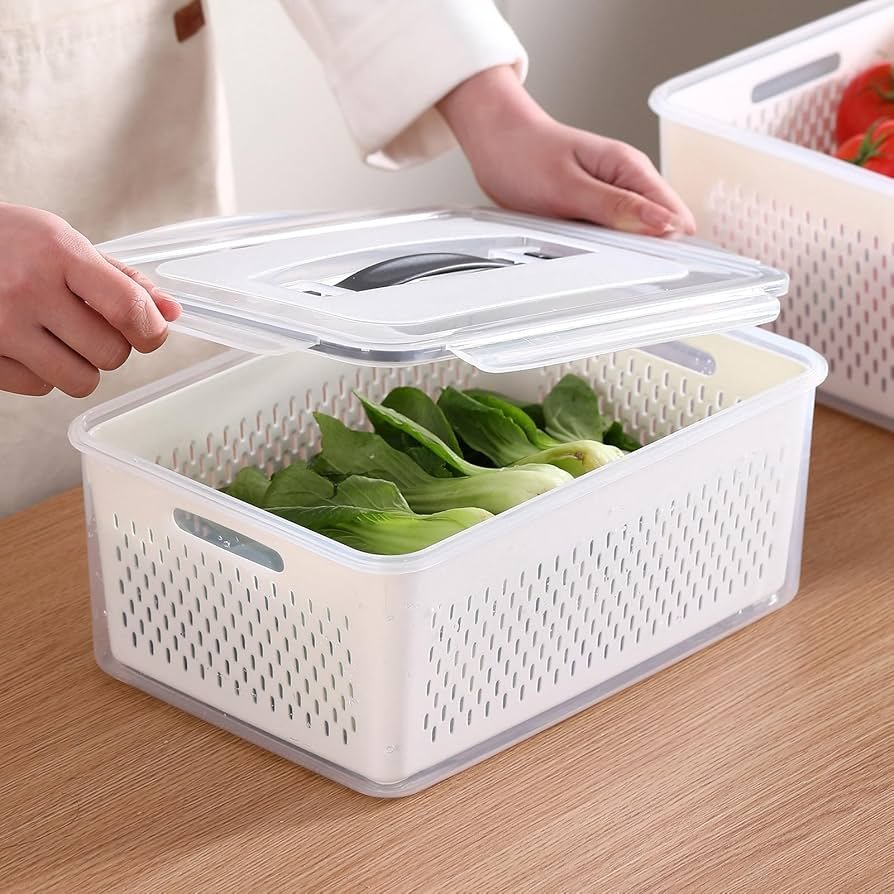
- Air circulation: Ventilated containers prevent moisture buildup and mold growth.
- Moisture control: Containers with adjustable humidity help leafy greens stay crisp.
- Temperature stability: Materials that maintain consistent cool temperatures are ideal for refrigeration.
- Non-reactive materials: Avoid metal containers that can react with acidic fruits and vegetables.
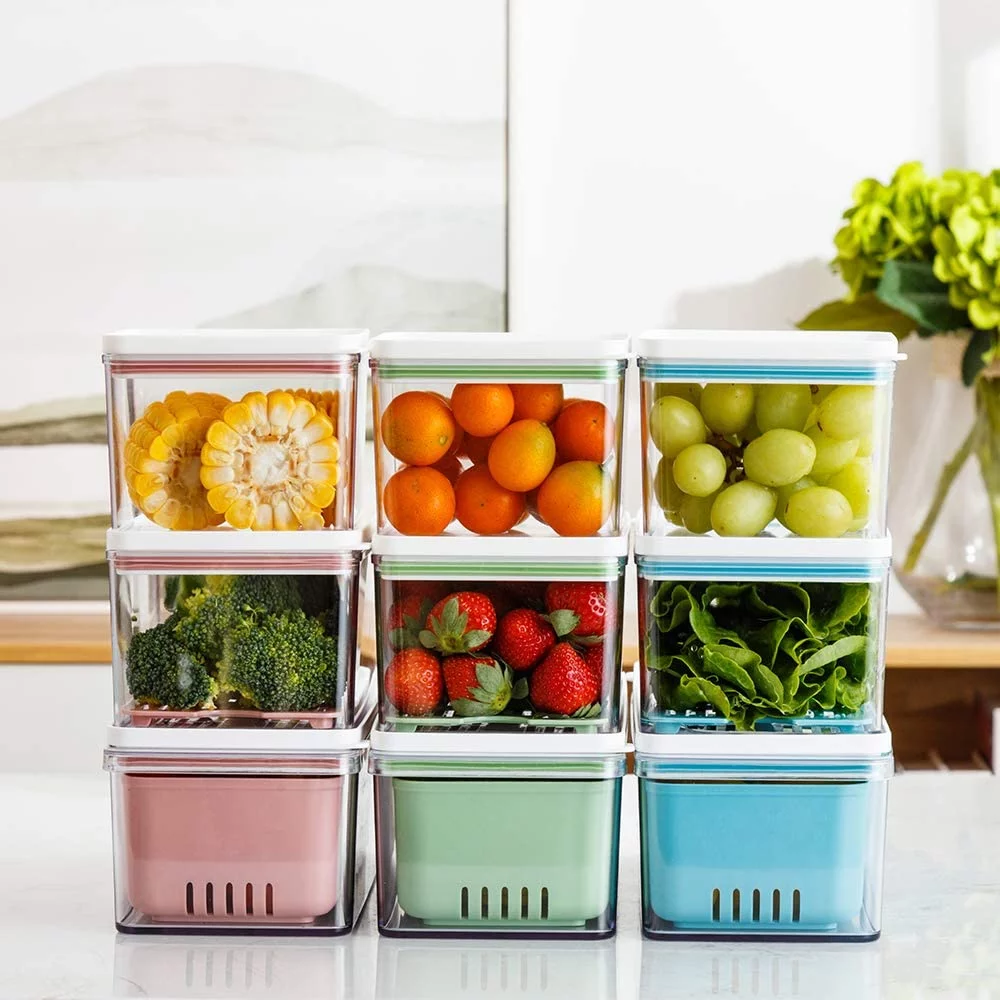
- Space efficiency: Stackable or compact designs maximize refrigerator or pantry space.
Understanding these features helps in selecting the right container for each type of produce.
1. Glass Containers
Glass containers are widely regarded as one of the best options for storing fresh produce.
Advantages:
- Non-reactive: Ideal for storing acidic foods such as tomatoes, citrus, and berries.
- Airtight: Prevents air exposure, reducing oxidation and moisture loss.
- Visibility: Transparent design allows easy identification without opening the lid.
- Durable: Resistant to stains and odors compared to plastic.
Tips for Using Glass Containers:
- Ensure a snug-fitting lid to maintain airtight conditions.
- Use smaller containers for portioned storage to avoid repeatedly opening large containers.
- Glass containers can be used in the refrigerator, freezer, or even oven-safe applications for cooked produce.
Best for: Berries, cut vegetables, leafy greens, and sliced fruits.
2. BPA-Free Plastic Containers
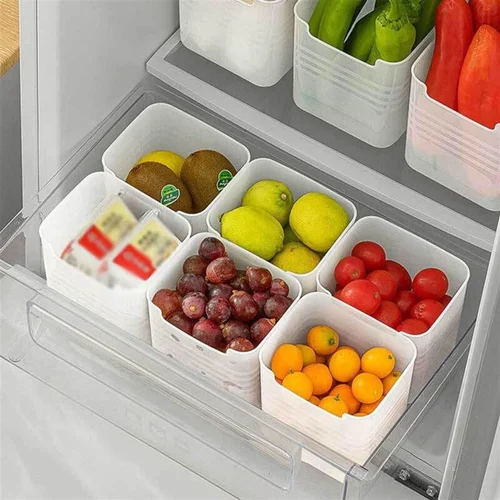
Plastic containers offer lightweight, versatile storage solutions.
Advantages:
- Durable and less likely to break than glass.
- Often stackable, saving space in refrigerators or pantries.
- Clear or semi-transparent designs allow easy monitoring.
Tips for Using Plastic Containers:
- Select BPA-free containers to avoid chemical contamination.
- Choose containers with vented lids or holes to allow airflow for produce that emits gases, like mushrooms and broccoli.
- Avoid long-term storage of highly acidic produce, as plastic can absorb odors and stains.
Best for: Cucumbers, carrots, bell peppers, and broccoli.
3. Silicone Storage Bags
Silicone bags are eco-friendly, reusable alternatives to single-use plastic bags.
Advantages:
- Flexible and lightweight, conforming to the shape of the produce.
- Airtight seal preserves moisture and prevents odor transfer.
- Heat-resistant, safe for freezer, microwave, or boiling water blanching.
- Durable and reusable, reducing environmental impact.
Tips for Using Silicone Bags:
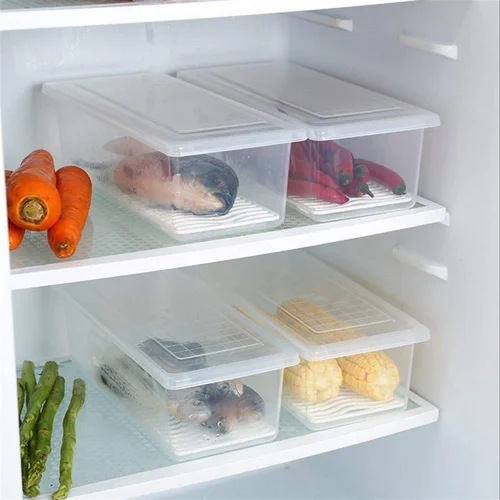
- Remove excess air before sealing to prolong freshness.
- Label with the date to track storage duration.
- Use for both raw and blanched vegetables for freezing.
Best for: Leafy greens, berries, herbs, and frozen vegetables.
4. Produce-Specific Storage Containers
Modern storage solutions include containers designed for specific types of produce:
Humidity-Controlled Crisper Drawers
- Many refrigerators feature drawers with adjustable humidity levels.
- High humidity preserves leafy greens, herbs, and tender vegetables by reducing water loss.
- Low humidity is better for fruits like apples and grapes that are prone to rot from excess moisture.
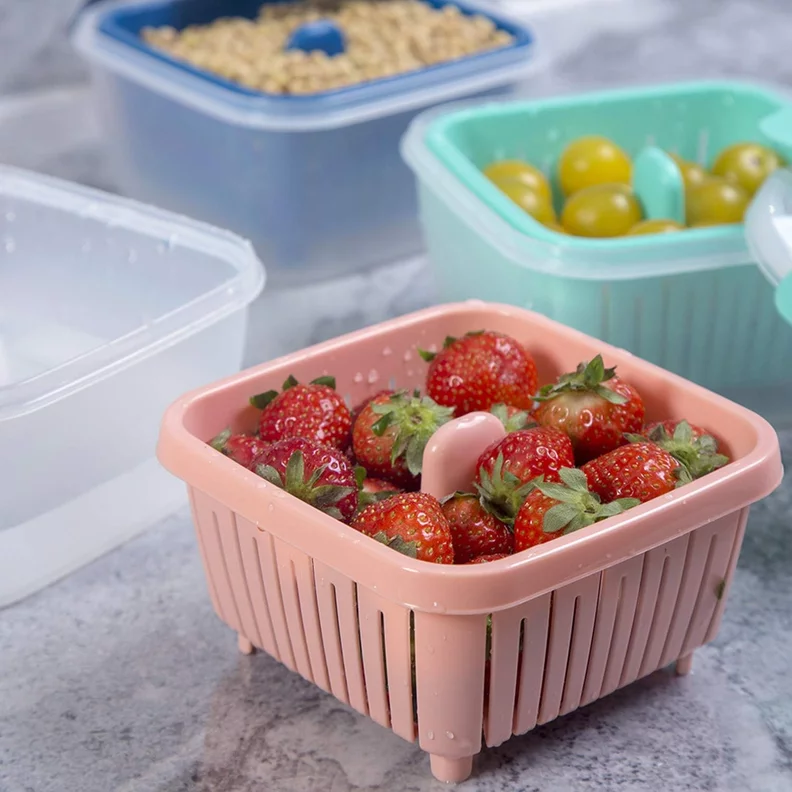
Ventilated Mushroom or Berry Boxes
- Special containers with small holes allow airflow while maintaining humidity balance.
- Prevents mold growth while keeping delicate fruits intact.
Herb Keepers
- Containers designed for fresh herbs often include water reservoirs or stems-in-water designs.
- Extends freshness for parsley, cilantro, mint, and basil.
Best for: Leafy greens, herbs, mushrooms, berries, and soft fruits.
5. Mason Jars
Mason jars are versatile and ideal for storing smaller portions or prepped vegetables.
Advantages:
- Airtight with metal lids that preserve freshness.
- Glass construction prevents chemical reactions.
- Easy to stack in refrigerators or pantries.
Tips for Using Mason Jars:
- Store pre-chopped vegetables in water to maintain crispness (e.g., carrots, celery).
- Use for pickled vegetables to extend shelf life naturally.
- Keep lids loosely on vegetables that continue to respire, like leafy greens, to prevent condensation buildup.
Best for: Herbs, pre-chopped vegetables, carrots, celery, and small fruits.
Best Practices for Storing Produce
- Clean and dry produce: Remove dirt, but ensure vegetables and fruits are dry to prevent mold.
- Separate ethylene-producing fruits: Apples, bananas, and tomatoes release ethylene gas that accelerates ripening in nearby produce.
- Avoid overcrowding: Allow airflow to maintain consistent temperature and reduce spoilage.
- Label and rotate: Store newer items behind older ones to use produce before it spoils.
- Use appropriate containers for each type: Leafy greens thrive in high humidity containers, while berries benefit from ventilated boxes.
Tips for Extending Freshness
- Leafy greens: Store in a container lined with a paper towel to absorb excess moisture.
- Carrots and celery: Keep in water-filled containers to maintain crispness.
- Berries: Rinse only before consumption to prevent premature spoilage.
- Herbs: Store in water-filled herb keepers or silicone bags with minimal air.
- Prepped vegetables: Portion into small containers for ready-to-use convenience.
Following these tips ensures your produce remains nutrient-rich, flavorful, and visually appealing.
Nutritional Benefits of Properly Stored Produce
Fresh, properly stored produce maintains its nutritional integrity:
- Vitamins: Vitamin C, vitamin A, and B-complex vitamins are preserved.
- Minerals: Potassium, magnesium, and iron remain stable.
- Antioxidants: Polyphenols, carotenoids, and flavonoids are retained, supporting overall health.
- Fiber: Cellulose and other beneficial fibers remain intact, aiding digestion.
Proper storage containers are essential to prevent nutrient loss due to oxidation, moisture, or temperature fluctuations.
Conclusion
Choosing the right storage containers is essential for keeping fruits and vegetables fresh, nutritious, and flavorful. Glass containers, BPA-free plastics, silicone bags, produce-specific solutions, and mason jars each offer unique benefits, depending on the type of produce and storage conditions.
Key practices such as cleaning, drying, using humidity-controlled environments, separating ethylene-producing produce, and avoiding overcrowding further enhance freshness. With these techniques, home gardeners and kitchen enthusiasts can reduce waste, maintain optimal nutrition, and enjoy fresh produce year-round.
Investing in high-quality storage containers and following best practices allows vegetables and fruits to retain their crispness, flavor, and vitamins, supporting a sustainable, plant-based diet. By understanding the specific needs of each type of produce, you can create an organized, efficient, and nutrient-preserving storage system in your kitchen or pantry.