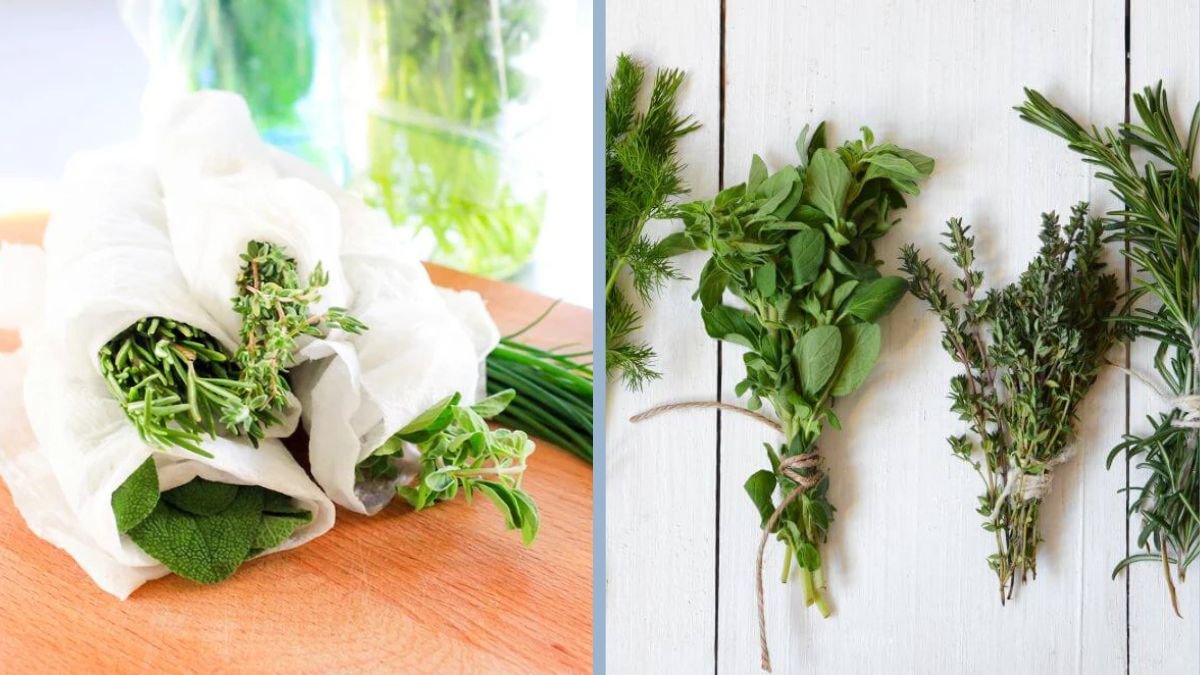
Fresh herbs are indispensable in vegetarian cooking, adding vibrant flavor, aroma, and nutrition to a wide variety of dishes. From basil and parsley to rosemary and thyme, fresh herbs enhance salads, soups, sauces, and smoothies. However, one of the biggest challenges of homegrown or market-bought herbs is preserving their freshness. Herbs are delicate, and improper storage leads to wilting, loss of aroma, and diminished flavor.
Fortunately, there are several effective methods to extend the shelf life of fresh herbs while maintaining their essential oils, color, and texture. This article explores five proven ways to store fresh herbs, offering detailed guidance to help home gardeners and culinary enthusiasts enjoy flavorful herbs for weeks or even months.
Why Proper Herb Storage Matters
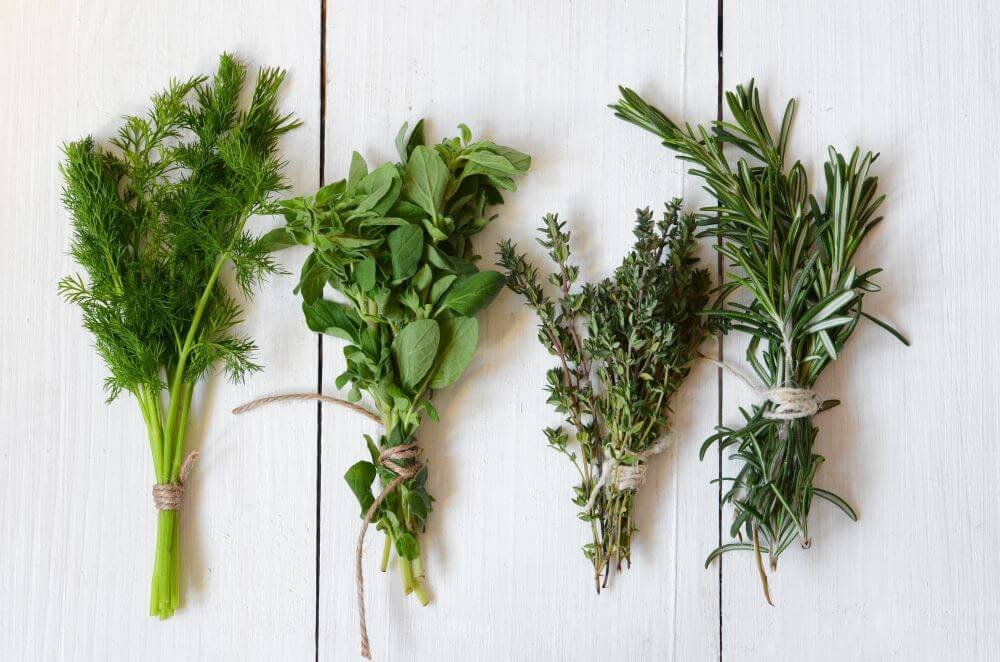
Fresh herbs are living plant tissues that continue to respire after harvesting. If not stored correctly, they quickly lose moisture, flavor, and nutritional value. Proper storage:
- Preserves flavor: Maintains essential oils responsible for aroma and taste.
- Reduces waste: Extends usability, preventing herbs from going bad.
- Maintains nutrients: Vitamins, antioxidants, and minerals degrade less when stored correctly.
- Supports culinary flexibility: Fresh herbs are available for use anytime, from sauces and salads to garnishes and teas.
Understanding storage techniques ensures your herbs remain vibrant, aromatic, and ready to elevate any dish.
1. Refrigeration in Water: The “Bouquet” Method
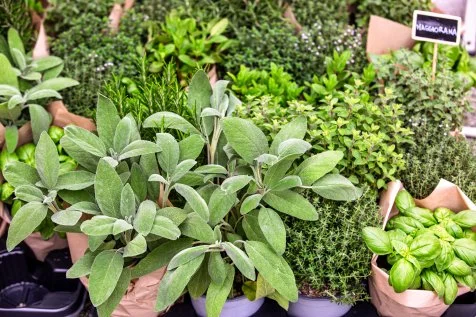
This method works best for soft, leafy herbs like parsley, cilantro, basil, dill, and mint.
Steps:
- Trim stems: Remove any wilted or yellow leaves and cut the stems slightly.
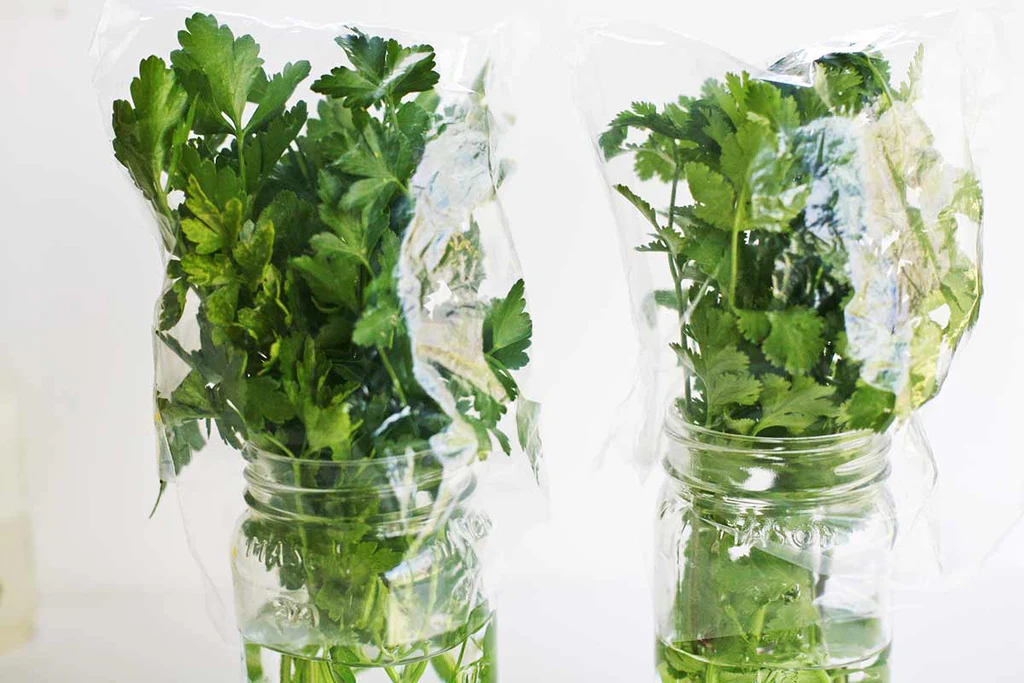
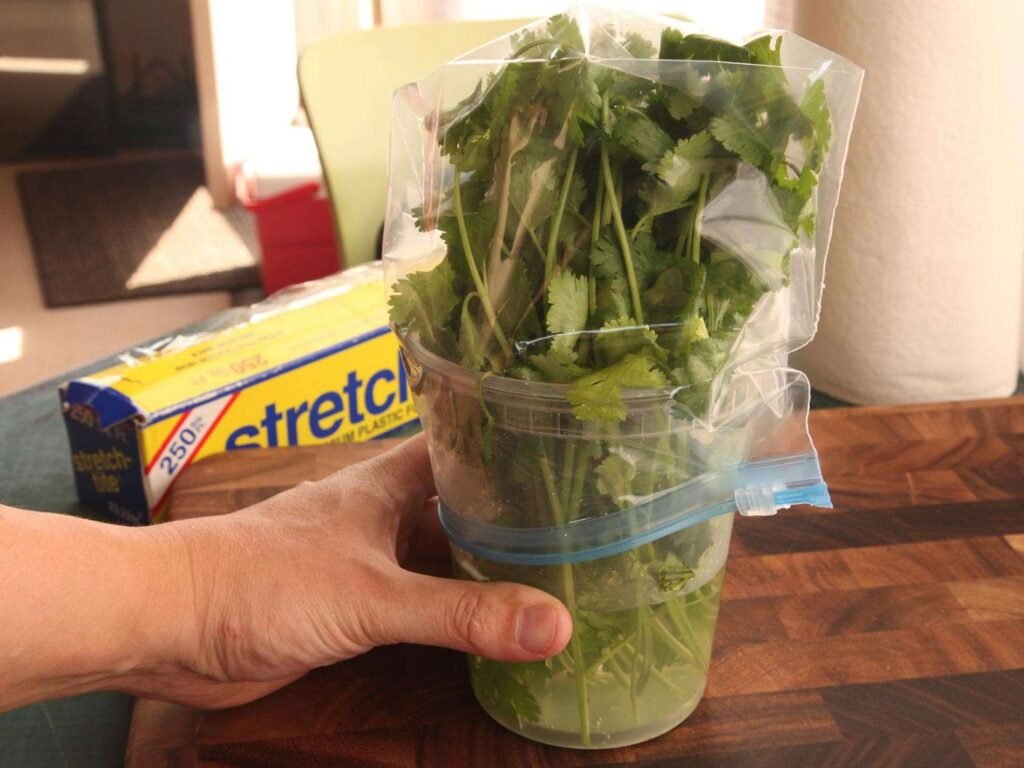
- Place in water: Fill a jar or glass with 1–2 inches of water and position the herb stems in the water, similar to a flower bouquet.
- Cover loosely: Place a plastic bag over the leaves to maintain humidity without trapping too much moisture.
- Store in the refrigerator: Keep in the vegetable drawer for optimal temperature control.
Tips:
- Change the water every 2–3 days to prevent bacterial growth.
- Basil is sensitive to cold; instead, store at room temperature using this method for best results.
Expected shelf life: 1–2 weeks for most leafy herbs.
2. Freezing Fresh Herbs
Freezing is ideal for long-term storage, particularly for herbs that will be used in cooked dishes, such as rosemary, thyme, oregano, and chives.
Methods:
- Whole freezing:
- Wash and dry herbs thoroughly.
- Place leaves or sprigs on a baking sheet and freeze until solid.
- Transfer frozen herbs into airtight containers or freezer bags.
- Ice cube method:
- Chop herbs and place them in ice cube trays.
- Cover with water or olive oil and freeze.
- Pop out frozen cubes as needed for soups, stews, or sauces.
Tips:
- Avoid thawing and refreezing, as it reduces flavor and texture.
- Herbs frozen in olive oil also serve as ready-to-use cooking portions, adding both flavor and richness to dishes.
Expected shelf life: Up to 6 months.
3. Drying Herbs Naturally
Drying is one of the oldest preservation techniques, suitable for hardy herbs like rosemary, thyme, oregano, sage, and bay leaves.
Steps:
- Harvest correctly: Pick herbs in the morning after dew has dried for maximum essential oil content.
- Prepare the herbs: Remove damaged leaves and rinse gently. Pat dry thoroughly.
- Bundle and hang: Tie stems together with string and hang upside down in a warm, dark, and well-ventilated area.
- Check dryness: Leaves should crumble easily, and stems should snap rather than bend.
Storage:
- Store dried herbs in airtight containers away from light and heat.
- Label containers with the name and date of drying for future reference.
Tips:
- Avoid microwaving or using excessive heat, which can destroy essential oils.
- Crushing dried herbs before storing releases more flavor when cooking.
Expected shelf life: 6 months to 1 year.
4. Infused Oils and Vinegars
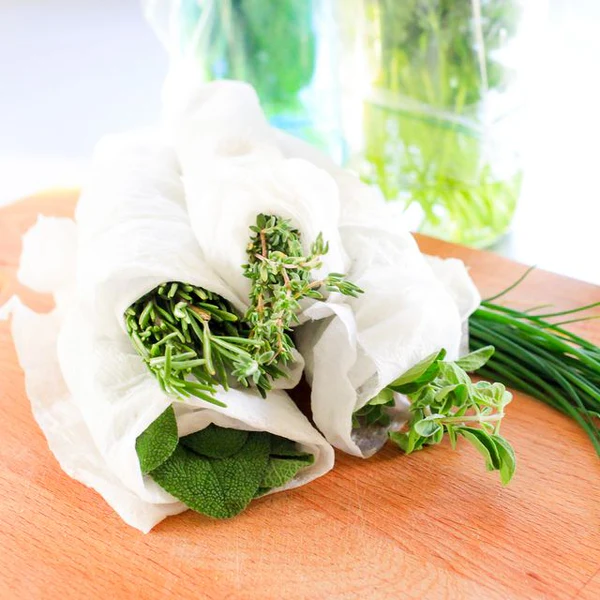
Creating herb-infused oils or vinegars is a dual-purpose method that preserves flavor while producing culinary ingredients.
Herb-Infused Oil:
- Wash and dry herbs like basil, thyme, or rosemary.
- Place herbs in a sterilized glass jar and cover with olive oil.
- Seal tightly and store in a cool, dark place.
- Use infused oil in salad dressings, sautés, or marinades.
Herb-Infused Vinegar:
- Place clean, dried herbs in a jar.
- Cover with white wine or apple cider vinegar.
- Seal and allow to infuse for 1–2 weeks.
- Strain herbs and transfer liquid to a clean bottle.
Tips:
- Use sterilized containers to prevent contamination.
- Store infused oils in the refrigerator if using fresh herbs to minimize spoilage.
Expected shelf life: 1–3 months for fresh herbs in oil; 6–12 months for vinegar infusions.
5. Herb Paste and Pestos
Turning herbs into pastes or pesto is an effective way to preserve flavor and create ready-to-use ingredients for vegetarian cooking.
Steps:
- Prepare herbs: Wash, dry, and roughly chop basil, cilantro, parsley, or mint.
- Blend: Use a food processor to combine herbs with olive oil, nuts, garlic, or lemon juice.
- Portion: Spoon into ice cube trays or small containers.
- Freeze: Store in airtight containers for later use in sauces, dips, or spreads.
Tips:
- Freezing herb pastes in small portions allows you to use only what you need without waste.
- This method locks in both color and flavor effectively.
Expected shelf life: Up to 6 months in the freezer.
Additional Tips for Maximizing Freshness
- Wash only before use: Excess moisture encourages mold and spoilage.
- Store separately: Avoid storing strong-smelling herbs like basil near delicate herbs such as cilantro to preserve aroma.
- Avoid overcrowding: Herbs need airflow to prevent wilting.
- Rotate stocks: Use older herbs first to prevent waste.
Nutritional and Culinary Benefits of Stored Herbs
Properly stored herbs maintain their nutritional value and enhance the flavor of vegetarian meals:
- Basil: Rich in vitamins A, C, and K, supports immunity, and adds aromatic flavor to sauces and salads.
- Parsley: High in antioxidants and iron, brightens soups, stews, and smoothies.
- Cilantro: Contains vitamins A, C, and E, enhancing freshness in salsas and chutneys.
- Thyme and Rosemary: Excellent sources of antioxidants, perfect for roasted vegetables and infused oils.
- Mint and Dill: Promote digestion and refresh beverages, teas, and salads.
Storing herbs correctly ensures that these nutritional benefits are preserved alongside flavor.
Conclusion
Fresh herbs are a cornerstone of vegetarian cooking, but without proper storage, their flavor and nutrition can quickly deteriorate. The five methods outlined—refrigeration in water, freezing, drying, infusion in oils and vinegars, and herb pastes or pestos—offer versatile ways to extend freshness and enjoy herbs year-round.
By selecting the appropriate storage method for each herb type, home gardeners and kitchen enthusiasts can reduce waste, maintain nutritional quality, and always have flavorful herbs on hand. Implementing these techniques not only improves the taste of dishes but also supports sustainable, homegrown, and plant-based cooking.
With proper care and preservation, your kitchen can be stocked with aromatic, nutrient-rich herbs that elevate every meal—ensuring that fresh flavor is never more than a step away.