
Green tea, derived from the leaves of Camellia sinensis, is one of the most widely consumed beverages worldwide. Revered for centuries for its medicinal properties in East Asian cultures, green tea has gained global recognition for its numerous health benefits, subtle flavors, and functional versatility. Unlike black or oolong teas, green tea undergoes minimal oxidation during processing, preserving its natural antioxidants, polyphenols, and bioactive compounds.
This article explores the nutritional and health benefits of green tea, the science behind its bioactive compounds, and detailed guidelines for brewing it perfectly. By combining the health science of green tea with practical brewing techniques, this article provides a comprehensive understanding suitable for academic or thesis purposes.
Nutritional Composition of Green Tea

Green tea contains a variety of bioactive compounds that contribute to its health-promoting properties:
- Catechins: A type of flavonoid with antioxidant properties, particularly epigallocatechin gallate (EGCG), which is linked to reduced oxidative stress and improved metabolic health.
- Polyphenols: Provide anti-inflammatory effects and support cardiovascular and immune health.
- Amino Acids: L-theanine, an amino acid unique to tea, promotes relaxation and mental focus without inducing drowsiness.
- Minerals: Trace amounts of potassium, magnesium, and zinc contribute to overall health.
- Caffeine: Present in moderate quantities, green tea provides a gentle energy boost without the jitters associated with stronger caffeinated beverages.
This composition makes green tea not only a refreshing beverage but also a functional drink capable of supporting various physiological processes.
Health Benefits of Green Tea
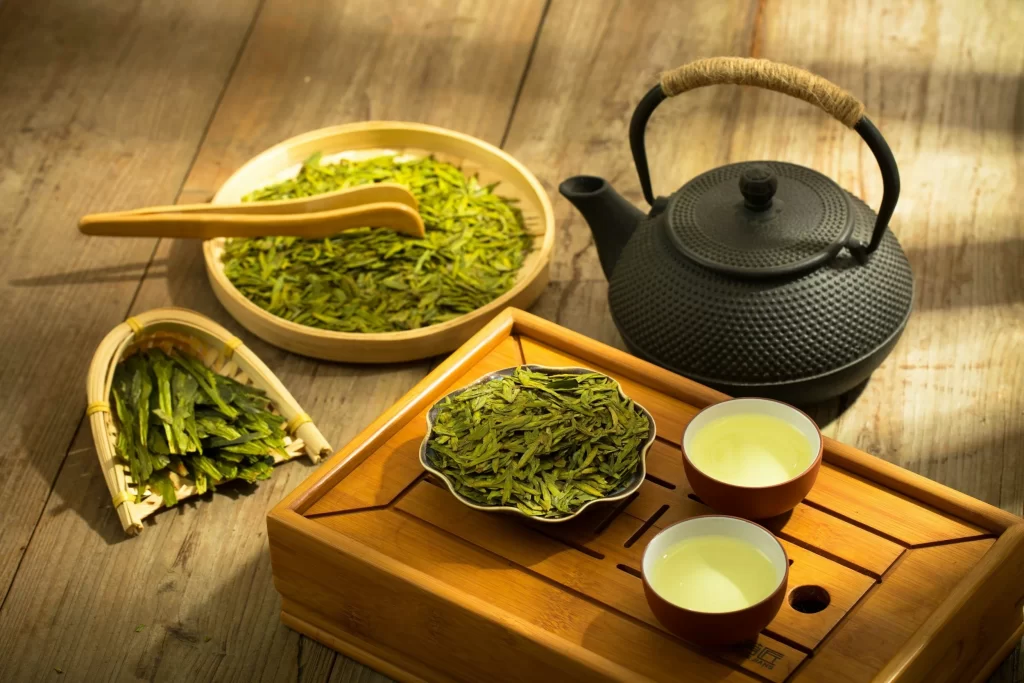
1. Antioxidant and Anti-Inflammatory Effects
Green tea is rich in antioxidants that neutralize free radicals, which can otherwise damage cells and contribute to chronic diseases. Catechins, particularly EGCG, are potent antioxidants that help reduce oxidative stress and inflammation, promoting overall cellular health.
2. Cardiovascular Health
Regular consumption of green tea has been associated with improved heart health. Catechins and polyphenols support healthy blood vessel function, reduce LDL cholesterol, and may lower the risk of atherosclerosis and other cardiovascular conditions.
3. Metabolic and Weight Management Benefits
Green tea may aid in weight management by enhancing fat oxidation and supporting metabolic function. The combination of catechins and moderate caffeine improves energy expenditure, contributing to a modest but consistent effect on weight control.
4. Cognitive Support
L-theanine, in combination with caffeine, promotes alertness and focus while reducing mental fatigue. Studies suggest that regular consumption may support memory, attention, and overall cognitive performance.
5. Immune Support

The polyphenols and antioxidants in green tea strengthen the immune system, helping the body respond more effectively to infections and reducing inflammation.
6. Digestive and Detoxification Support
Green tea supports digestion and liver health through its bioactive compounds, which assist in detoxification and maintaining gut microbial balance.
How to Brew Green Tea Perfectly
Brewing green tea properly is essential to maximize flavor and health benefits. Unlike black teas, green tea is delicate and sensitive to temperature, time, and water quality. Improper brewing can result in bitterness or loss of beneficial compounds.
1. Choose High-Quality Leaves
Select loose-leaf green tea or high-quality tea bags. Popular varieties include Sencha, Matcha, Dragonwell, and Gyokuro. Loose leaves generally provide superior flavor and nutrient content compared to pre-packaged tea bags.
2. Use Clean, Filtered Water
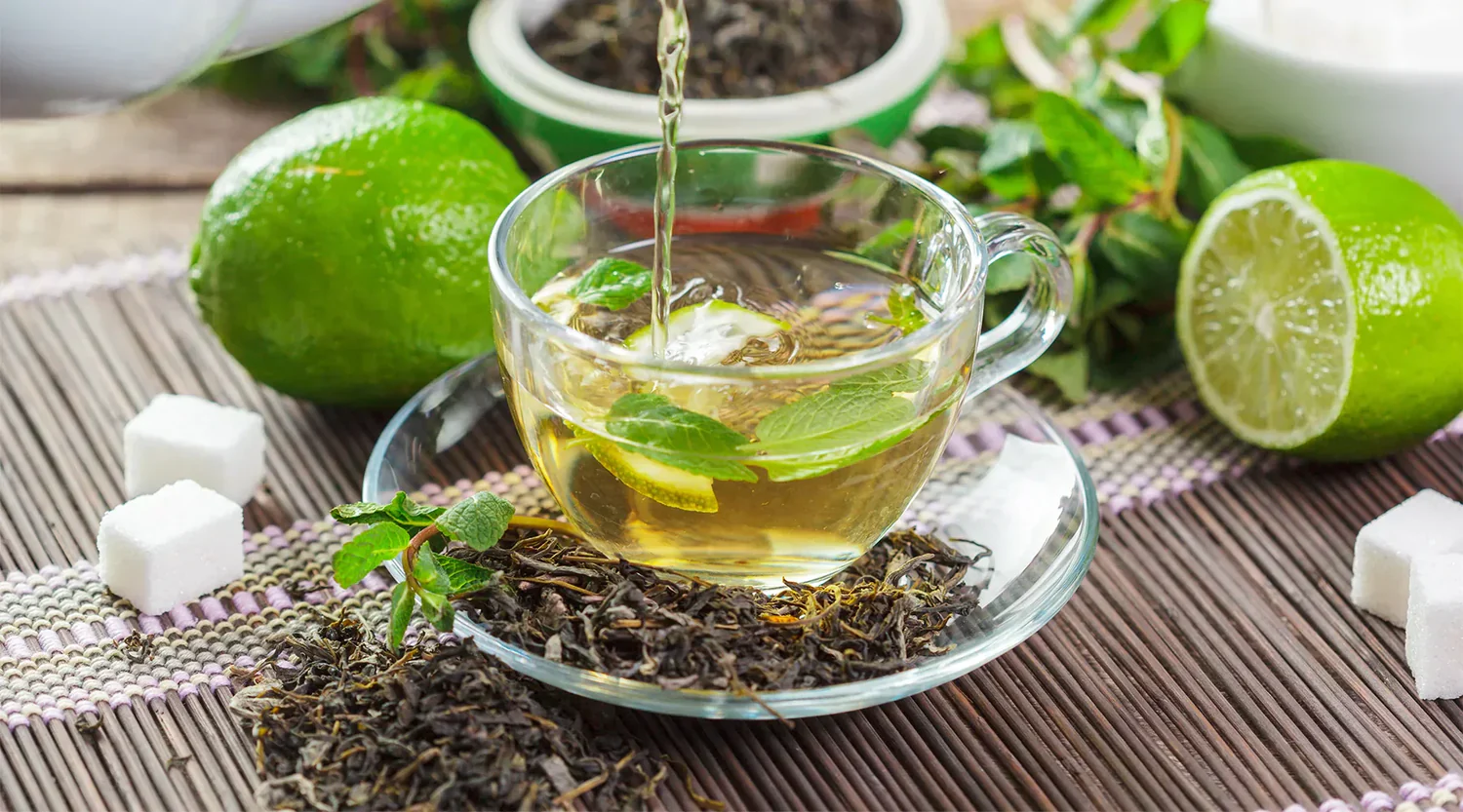
The quality of water affects flavor. Use fresh, filtered water free of chlorine or strong mineral tastes. Avoid distilled water, which lacks minerals that enhance flavor.
3. Control Water Temperature
Heat water to 160–185°F (70–85°C) for delicate green teas. Boiling water can scorch the leaves, producing bitterness and diminishing antioxidants. For Matcha, slightly cooler water (around 160°F / 70°C) is ideal for whisking.
4. Measure Tea Properly
Use approximately 1 teaspoon of loose-leaf tea per 8-ounce cup of water. Adjust quantity to taste for stronger or lighter brews.
5. Steeping Time
Steep green tea for 2–3 minutes. Steeping too long extracts excessive tannins, resulting in a bitter taste, while too short may not release sufficient flavor or nutrients.
6. Optional Additions
Enhance flavor without reducing benefits:
- Lemon slices for vitamin C and brightness
- Fresh mint leaves for aroma and digestive support
- Natural sweeteners such as honey or agave in moderation
Types of Green Tea and Their Unique Characteristics
- Sencha: The most common Japanese green tea, with a fresh, grassy flavor and moderate caffeine content.
- Matcha: Powdered green tea used in traditional Japanese tea ceremonies. Rich in antioxidants, particularly EGCG, as the entire leaf is consumed.
- Dragonwell (Longjing): Chinese green tea known for its nutty and slightly sweet flavor.
- Gyokuro: Shade-grown Japanese tea with high amino acid content, producing a rich umami flavor.
Each variety has distinct flavor profiles and optimal brewing techniques, but all share the health-promoting benefits of catechins and antioxidants.
Practical Tips for Optimal Enjoyment

- Avoid Reboiling Water: Fresh water contains oxygen that enhances flavor extraction.
- Multiple Infusions: High-quality leaves can be steeped 2–3 times, yielding nuanced flavors and retaining antioxidants.
- Storage: Keep green tea leaves in an airtight container, away from light, moisture, and heat. Freshness significantly affects taste and nutrient content.
- Mind Caffeine Intake: While moderate, green tea contains caffeine. Limit consumption in the evening to avoid sleep disturbances.
Health Considerations
While green tea is generally safe, it is important to consider:
- Iron Absorption: Catechins can inhibit non-heme iron absorption. Avoid consuming green tea with iron-rich meals.
- Medication Interactions: High doses may interact with certain medications, including blood thinners. Consult a healthcare professional if necessary.
- Pregnancy: Moderate consumption is safe, but excessive caffeine intake should be avoided.
Environmental and Dietary Considerations
Green tea aligns well with plant-based and environmentally sustainable diets:
- Plant-Based Beverage: Suitable for vegan and vegetarian diets.
- Low-Calorie and Minimal Processing: Ideal for weight-conscious diets and sustainable consumption.
- Sustainable Cultivation: Choose organic or fair-trade certified teas to support environmental stewardship and ethical farming practices.
- Seasonal and Local Sourcing: While tea grows primarily in East Asia, local herbal blends can complement green tea for seasonal benefits.
Conclusion
Green tea is a functional and culturally significant beverage, offering a wide array of health benefits from antioxidants, polyphenols, and amino acids. Its regular consumption supports cardiovascular, metabolic, cognitive, and immune health while providing a refreshing and comforting sensory experience.
Perfect brewing is crucial to maximize both flavor and health benefits. Attention to water quality, temperature, steeping time, and leaf quality ensures a beverage that is both enjoyable and nutritionally potent. Green tea’s versatility allows for customization with natural flavor enhancers such as lemon, mint, or natural sweeteners, maintaining its health-promoting properties.
Whether consumed as a daily ritual, part of a wellness routine, or in a ceremonial context, green tea exemplifies how a simple plant-based beverage can have profound impacts on health, flavor, and cultural practices. By combining scientific understanding with proper preparation, green tea serves as an ideal functional beverage for individuals seeking both nourishment and mindful enjoyment.