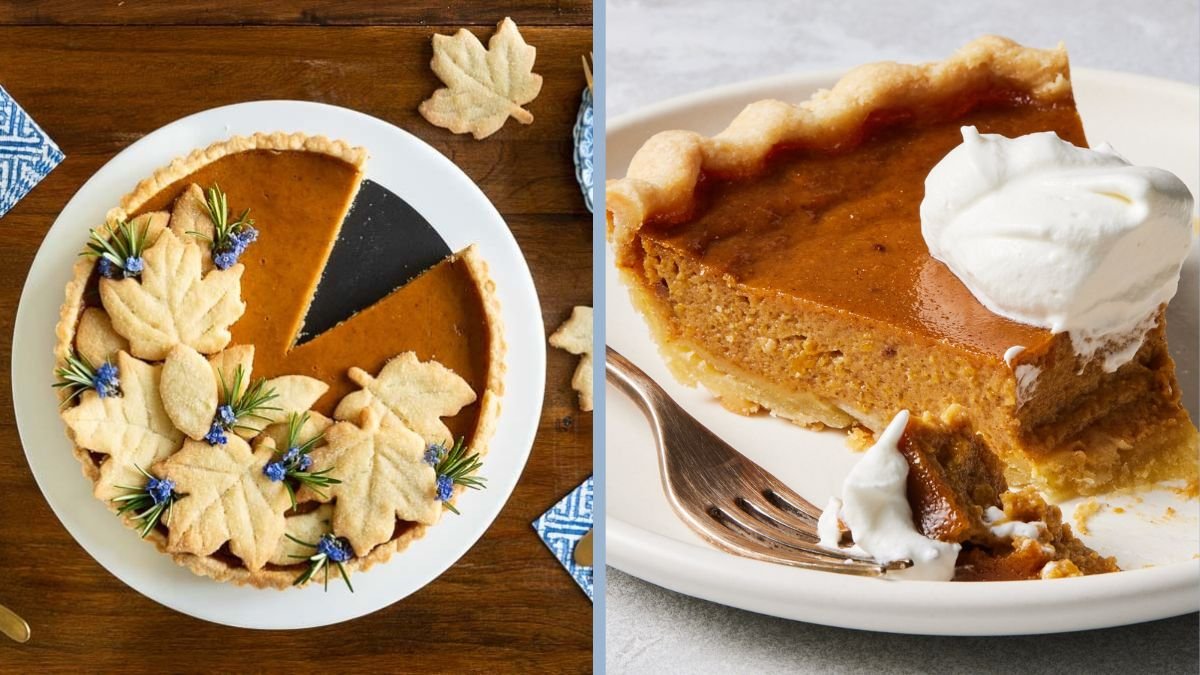
Pumpkin pie is a quintessential dessert, celebrated for its smooth, spiced filling and flaky, buttery crust. Its seasonal popularity, particularly in autumn and during holiday gatherings, makes it a cultural and culinary icon. While seemingly simple, the perfect pumpkin pie requires understanding the balance of flavors, textures, and baking techniques. This article explores the history, nutritional value, ingredients, preparation methods, variations, and tips for creating a classic pumpkin pie with a buttery crust, suitable for vegetarian diets.
The Cultural and Culinary Significance of Pumpkin Pie
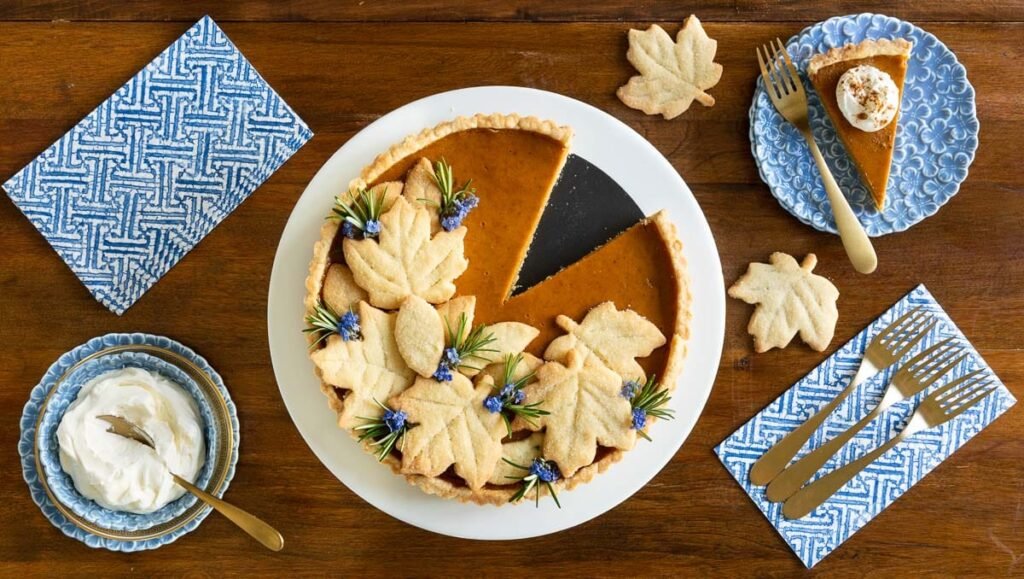
Pumpkin pie has deep roots in North American culinary history. Native Americans introduced pumpkins to early settlers, who incorporated them into their diets in various forms. Over time, pumpkin pie became a staple of festive meals, particularly Thanksgiving. Its appeal lies not only in its flavor but also in the warm, aromatic spices such as cinnamon, nutmeg, and cloves that evoke comfort and nostalgia.
Nutritional Benefits of Pumpkin Pie
Although pumpkin pie is traditionally a dessert, it offers certain nutritional advantages, particularly when prepared with wholesome ingredients:
- Pumpkin: Rich in vitamin A, potassium, and fiber, pumpkin supports vision, cardiovascular health, and digestion. It is low in calories while providing essential micronutrients.
- Spices: Cinnamon, nutmeg, ginger, and cloves contain antioxidants and compounds with anti-inflammatory properties.
- Butter or Plant-Based Alternatives: Provides richness and flavor. Using high-quality butter or vegan alternatives ensures a creamy texture and adds healthy fats.
- Flour: The crust contributes carbohydrates for energy. Whole wheat or blended flours can increase fiber content while maintaining texture.
- Optional Sweeteners: Natural sweeteners like maple syrup or coconut sugar can replace refined sugar, adding flavor and nutrients.
By carefully selecting ingredients, pumpkin pie can be both indulgent and nourishing.
Essential Ingredients
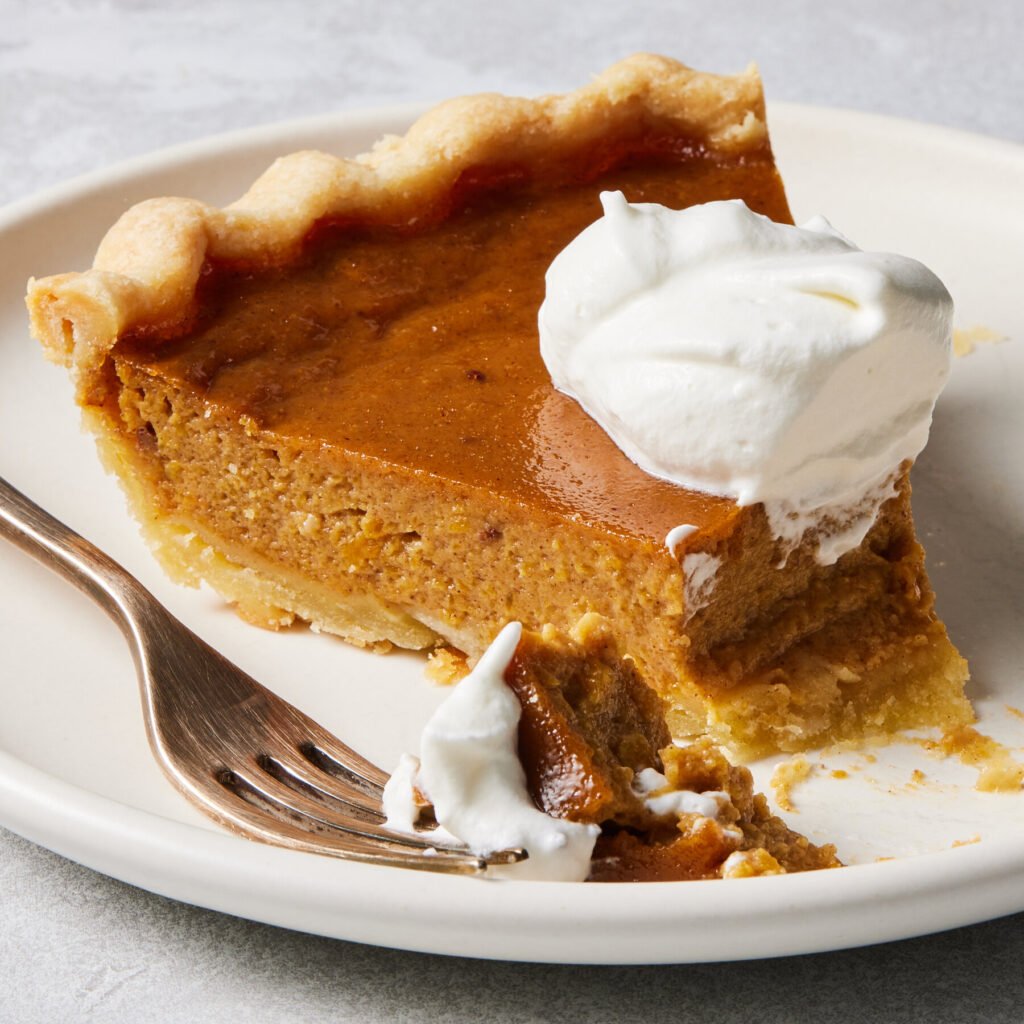
To create a classic pumpkin pie with a buttery crust, the following components are required:
For the Crust:
- 1 ¼ cups all-purpose flour (or blend with whole wheat flour for added fiber)
- ½ cup unsalted butter (or vegan butter alternative), cold and cubed
- 2–3 tablespoons cold water
- A pinch of salt
For the Filling:
- 1 can (15 oz) pumpkin puree or 2 cups homemade pumpkin puree
- ¾ cup sugar or natural sweetener
- 1 teaspoon cinnamon
- ½ teaspoon nutmeg
- ¼ teaspoon ground cloves
- ¼ teaspoon ginger (optional)
- ½ teaspoon salt
- ¾ cup milk or plant-based milk
- 2 eggs or vegan egg substitute (flaxseed or chia seed mixture)
Step-by-Step Preparation
1. Prepare the Buttery Crust
In a large bowl, combine flour and salt. Cut in cold butter using a pastry cutter or fingers until the mixture resembles coarse crumbs. Gradually add cold water, one tablespoon at a time, until the dough comes together. Form into a disc, wrap in plastic, and chill for at least 30 minutes to allow the gluten to relax and the butter to firm up.
2. Roll Out the Dough
On a lightly floured surface, roll out the chilled dough to fit a 9-inch pie pan. Carefully transfer the dough to the pan, pressing gently to fit the edges. Trim any excess and crimp the edges for a decorative finish. Pre-bake the crust (blind baking) for 10 minutes to prevent sogginess.
3. Prepare the Pumpkin Filling
In a mixing bowl, combine pumpkin puree, sugar, spices, and salt. Mix well to ensure the spices are evenly distributed. Add milk and eggs (or substitutes), whisking until smooth and creamy. The filling should be uniform without lumps.
4. Assemble the Pie
Pour the pumpkin filling into the pre-baked crust, spreading evenly. Tap the pan lightly to remove air bubbles and ensure a level surface.
5. Bake the Pie
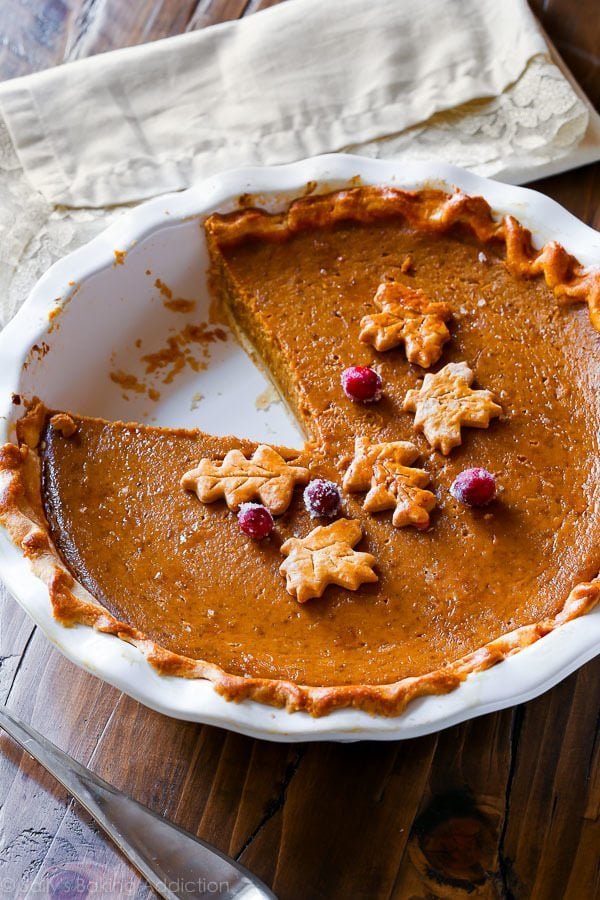
Preheat the oven to 350°F (175°C). Bake for 45–55 minutes, or until the filling is set but slightly jiggly in the center. Avoid overbaking to prevent cracks. If the crust edges brown too quickly, cover them with foil.
6. Cool and Serve
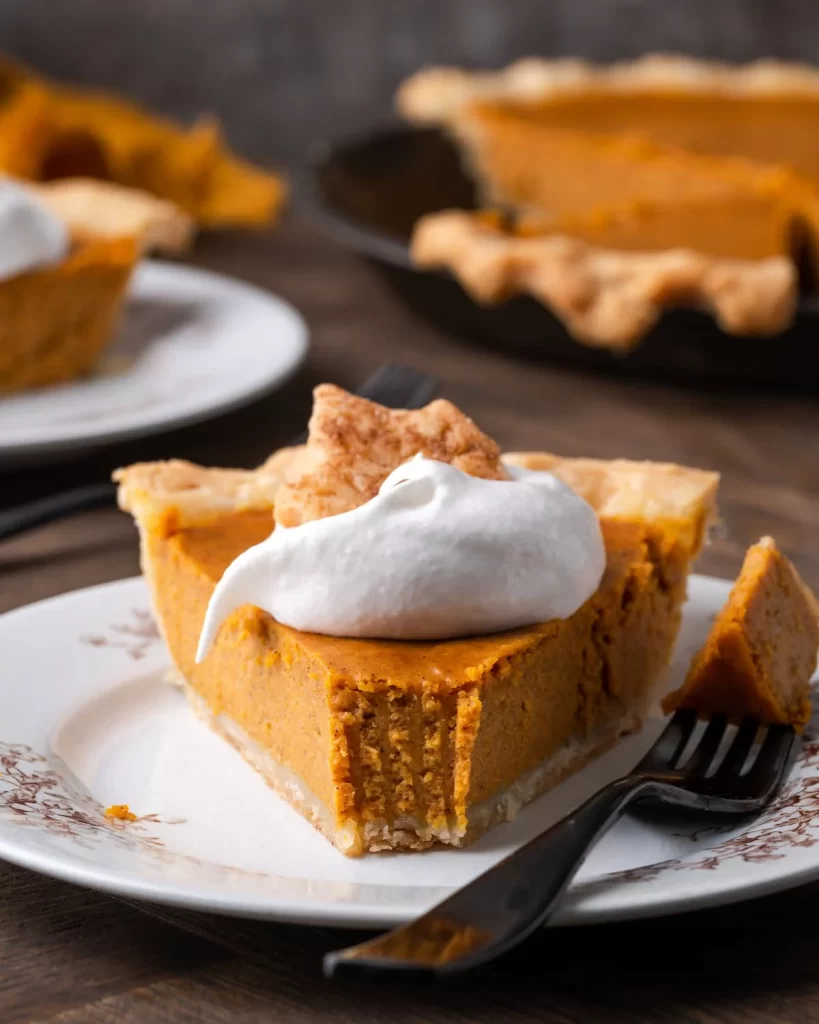
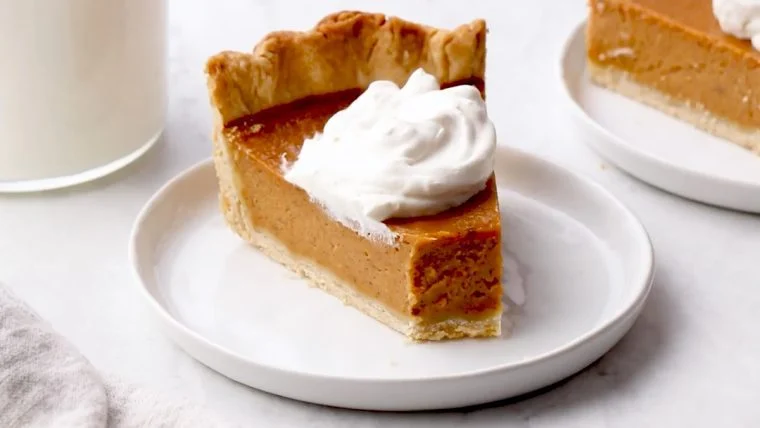
Allow the pie to cool at room temperature for at least 2 hours to let the filling set completely. Serve plain or with a dollop of whipped cream (dairy or plant-based) and a sprinkle of cinnamon.
Tips for a Perfect Pumpkin Pie
- Use Cold Ingredients: Cold butter ensures a flaky crust, while chilled eggs or plant-based substitutes maintain a smooth filling.
- Avoid Overmixing: Overworking the dough can develop gluten, making the crust tough. Minimal handling preserves flakiness.
- Even Spice Distribution: Mixing spices thoroughly in the filling ensures consistent flavor.
- Blind Baking the Crust: Pre-baking prevents a soggy bottom and maintains structural integrity.
- Check Doneness: The filling should be set but slightly wobbly in the center. It continues to firm up as it cools.
- Storage: Store leftovers covered in the refrigerator for up to 4 days.
Flavor Variations
Pumpkin pie is highly versatile and can be adapted to different tastes:
- Vegan Pumpkin Pie: Use a flax or chia egg substitute and plant-based milk to replace dairy.
- Spiced Variations: Add cardamom, allspice, or star anise for unique aromatic profiles.
- Maple or Coconut Sugar: Replace refined sugar with natural sweeteners for a healthier alternative.
- Nutty Crust: Incorporate ground nuts into the dough for added texture and flavor.
- Mini Pies or Tarts: Prepare individual portions for elegant presentation and portion control.
These variations allow customization while maintaining the classic pumpkin flavor profile.
Nutritional and Health Benefits
While indulgent, pumpkin pie can contribute to a balanced diet when prepared mindfully:
- Rich in Fiber: Pumpkin and optional whole-grain crusts promote digestive health and satiety.
- Antioxidant-Rich Spices: Cinnamon, nutmeg, and cloves contain polyphenols that combat oxidative stress.
- Vitamin A: Pumpkin’s high beta-carotene content supports vision and immune function.
- Plant-Based Adaptations: Using plant-based milk and egg substitutes makes the pie suitable for vegan diets without compromising texture or flavor.
Incorporating nutrient-dense ingredients ensures the dessert remains both satisfying and nourishing.
Serving Suggestions
Classic pumpkin pie can be enjoyed in multiple ways:
- Traditional Presentation: Serve with a dollop of whipped cream and a sprinkle of cinnamon.
- With Nuts: Top with toasted pecans or walnuts for added crunch and protein.
- With Fruit Compote: Pair with cranberry, apple, or pear compote for contrast in flavor.
- Mini Servings: Create individual tartlets for portion control or festive gatherings.
Proper presentation enhances both visual appeal and the eating experience.
Practical Considerations
- Seasonality: Use fresh pumpkin puree during the fall for peak flavor, or canned puree for convenience year-round.
- Ingredient Quality: High-quality butter or plant-based alternatives elevate the taste and texture of the crust.
- Baking Equipment: Use a well-calibrated oven and sturdy pie pan for even cooking.
- Storage and Shelf Life: Pumpkin pie should be refrigerated after cooling. Avoid freezing unless using sturdy crusts, as texture may change.
Conclusion
Classic pumpkin pie with a buttery crust is a timeless dessert that combines tradition, flavor, and nutritional value. Its rich, spiced filling paired with a flaky crust offers a comforting culinary experience while providing essential nutrients such as fiber, vitamin A, and antioxidants.
By understanding the science behind crust preparation, filling consistency, and baking techniques, one can achieve a perfectly balanced pie that is both visually appealing and delicious. Variations in spices, sweeteners, and crust composition allow for customization without sacrificing the classic appeal.
Whether prepared for holiday celebrations or as a seasonal treat, pumpkin pie demonstrates how simple, wholesome ingredients can be transformed into an iconic dessert. Mindful preparation and thoughtful ingredient selection make this dessert a nutritious and satisfying addition to vegetarian diets, exemplifying the art and science of baking.