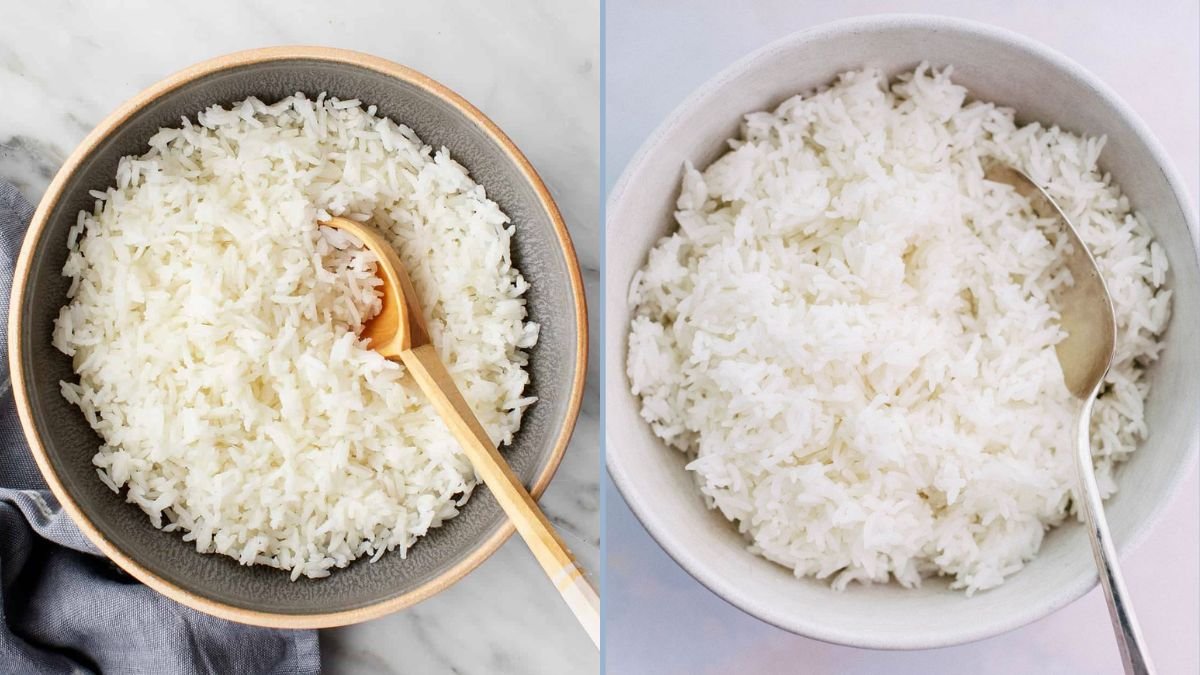
Rice is a staple food for more than half the world’s population. It appears in countless dishes—from comforting bowls of porridge to fragrant biryanis and wholesome grain salads. Yet, achieving perfectly fluffy rice can sometimes feel elusive. Too often, it turns out sticky, mushy, or unevenly cooked. The truth is, cooking rice perfectly isn’t just about the amount of water you use—it’s about understanding the type of rice, the cooking method, and the little techniques that make all the difference. In this article, we’ll uncover the secrets to cooking light, fluffy rice and explore why this humble grain deserves a central role in a vegetarian or plant-based diet.
Understanding Rice: Types and Textures
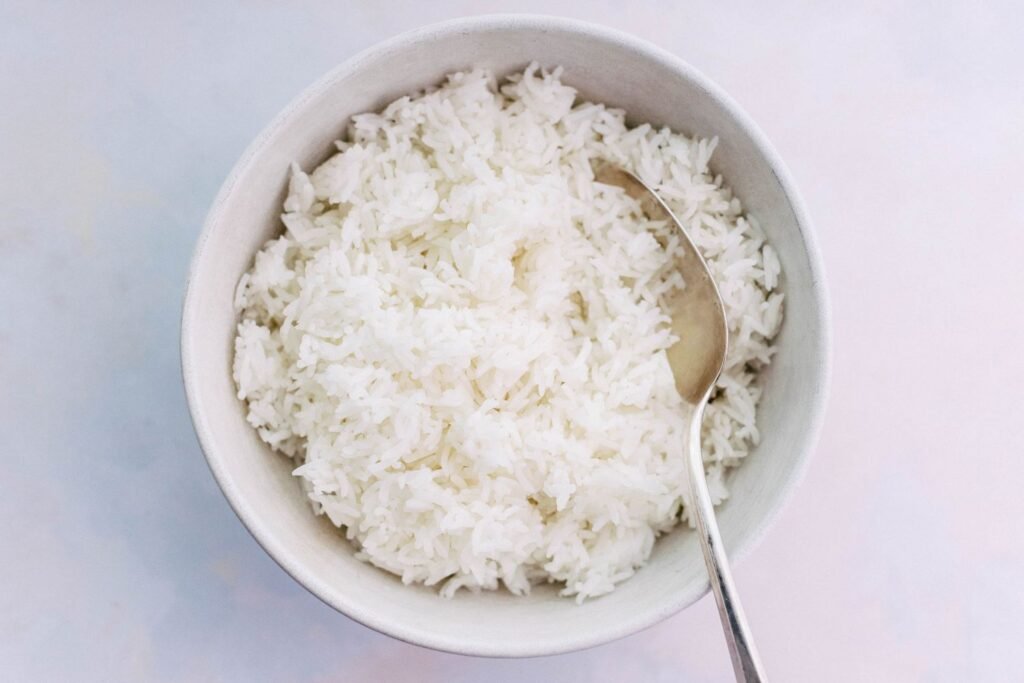
Different types of rice have distinct textures and require slightly different cooking approaches. Knowing your rice is the first step to achieving fluffiness:
- Long-Grain Rice: Varieties like basmati or jasmine have long, slender grains and tend to remain separate when cooked. Ideal for fluffy rice dishes and pilafs.
- Medium-Grain Rice: Slightly shorter and plumper, this type becomes softer and more tender, making it suitable for risottos or grain bowls.
- Short-Grain Rice: Sticky and tender when cooked, short-grain rice is commonly used for sushi or creamy dishes like rice pudding.
- Brown Rice: Contains the bran layer, giving it a nuttier flavor and chewier texture. Requires a longer cooking time and slightly more water.
- Specialty Rice: Varieties like wild rice or black rice offer unique flavors and textures, often incorporated into salads or mixed-grain dishes.
Each type behaves differently because of its starch composition. Long-grain rice has more amylose, which keeps grains separate, while short-grain rice has more amylopectin, making it stickier. Understanding this is key to mastering fluffiness.
Common Mistakes That Make Rice Sticky or Mushy
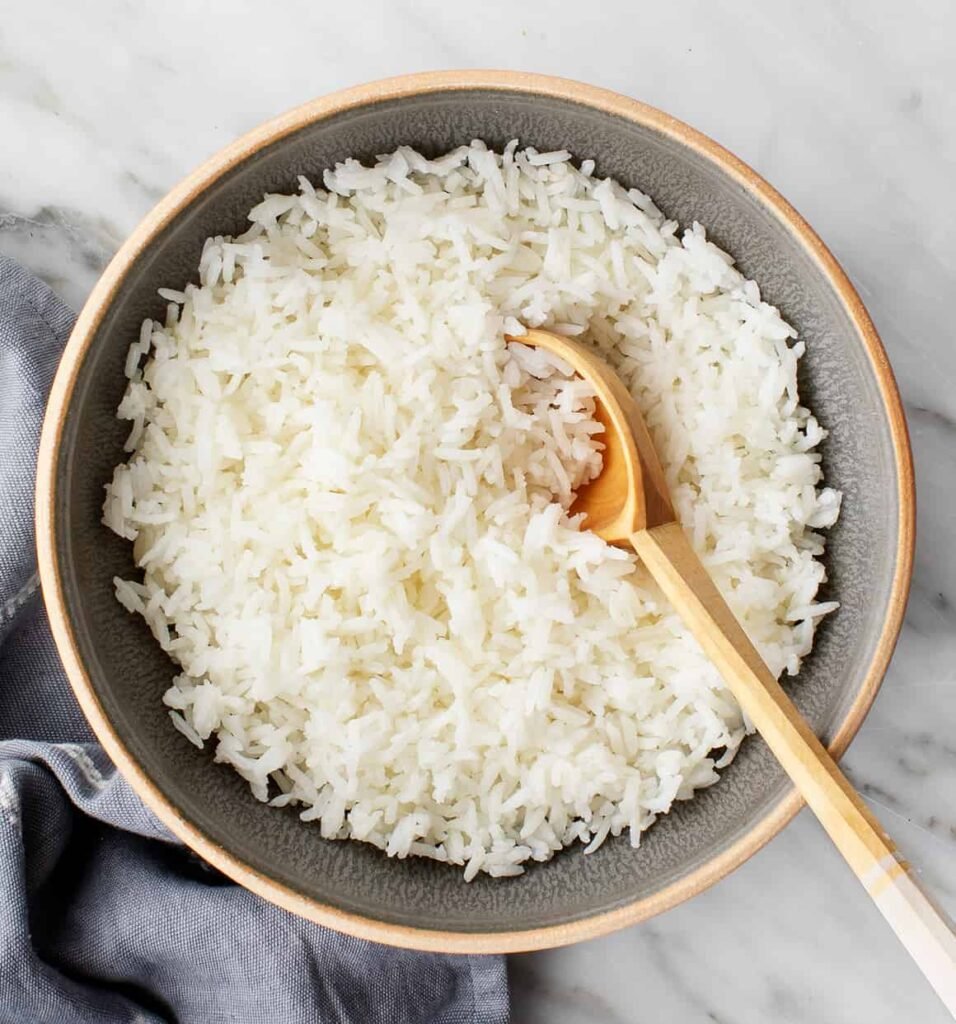
Before we explore the solutions, it’s important to identify why rice often goes wrong:
- Rinsing Skipped: Rice grains are coated with surface starch. If not rinsed, this starch can gelatinize during cooking, causing stickiness.
- Too Much Water: Excess water can result in soft, mushy rice.
- Overcooking: Cooking rice for too long breaks down the grains, making them sticky.
- Stirring Too Much: Stirring rice while it cooks releases more starch and can create clumps.
- Not Letting It Rest: Removing the lid immediately after cooking or skipping the resting period prevents the rice from finishing steaming evenly.
The Secret Techniques for Fluffy Rice
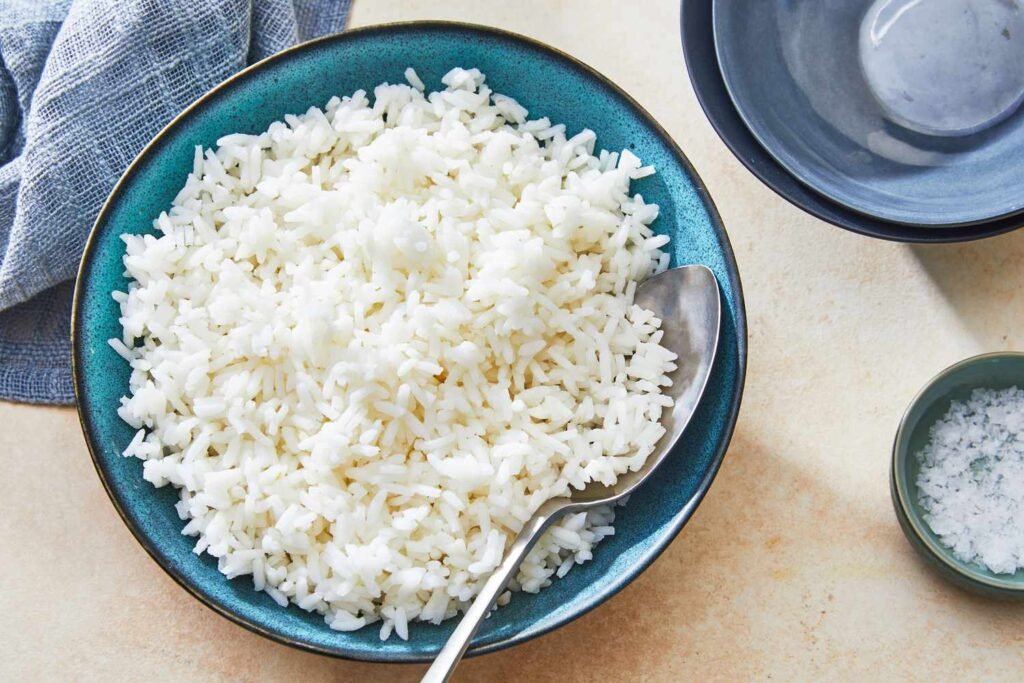
Fluffy rice is not just about water ratios—it’s about technique. Here are the secrets to perfectly cooked grains:
1. Rinse and Soak
Rinsing rice under cold water removes surface starch, which reduces clumping and stickiness. For long-grain rice, a brief 2–3 rinse cycles are enough. Some types of rice, especially basmati, benefit from soaking for 20–30 minutes. Soaking softens the grains and allows them to expand evenly during cooking, resulting in a lighter texture.
2. Measure the Water Carefully
While the classic 2:1 water-to-rice ratio works for many rice types, it’s not universal. Factors such as rice variety, age, and cooking method affect how much water is absorbed. For example:
- Basmati Rice: 1 cup rice to 1.5 cups water
- Jasmine Rice: 1 cup rice to 1.25 cups water
- Brown Rice: 1 cup rice to 2–2.25 cups water
Using slightly less water than you think is often safer; you can always add a tablespoon or two if needed during cooking.
3. Use the Right Cooking Vessel
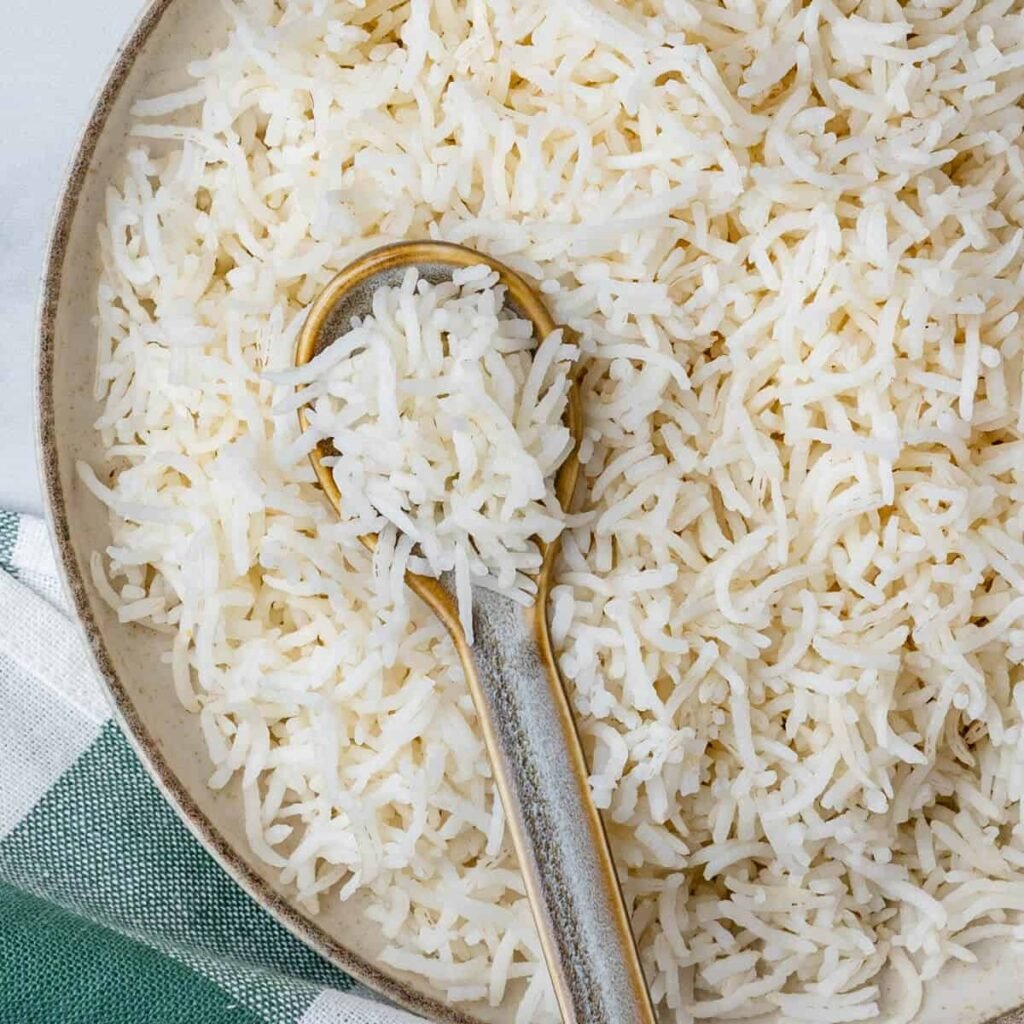
A heavy-bottomed pot with a tight-fitting lid ensures even heat distribution and prevents burning. Thin pots can cause uneven cooking, where the bottom layer is overcooked and the top layer undercooked.
4. Bring to a Boil, Then Simmer
Start by bringing the rice and water to a gentle boil. Once it starts boiling, immediately reduce heat to low and cover the pot. A slow, gentle simmer allows the grains to absorb water evenly without breaking apart.
5. Avoid Stirring
Once the lid is on, avoid stirring. Stirring releases starch and makes rice sticky. Trust the steam to do its work.
6. Let It Rest
After the cooking time is complete, remove the pot from heat but keep it covered for 10–15 minutes. This resting period allows residual steam to finish cooking the grains and makes them fluffier. After resting, fluff the rice gently with a fork.
7. Flavor While Cooking (Optional)
For extra flavor, you can add a pinch of salt, a teaspoon of oil, or a small pat of plant-based butter. Herbs like bay leaves, pandan leaves, or even a cinnamon stick can infuse aromatic notes without compromising fluffiness.
Cooking Methods Beyond the Stovetop
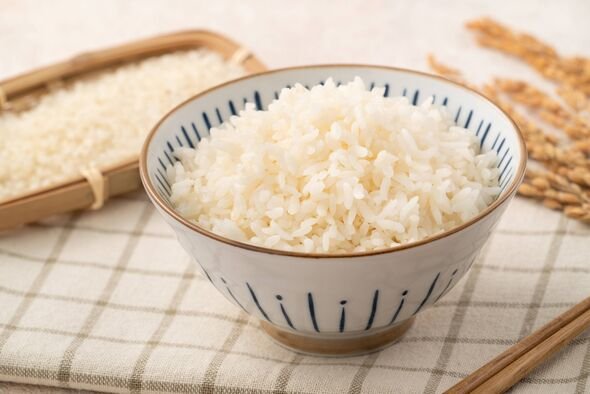
While stovetop cooking is traditional, other methods can yield excellent results:
1. Rice Cooker
Rice cookers simplify the process, automatically adjusting heat and cooking time. They’re especially convenient for busy lifestyles. Most rice cookers have water-to-rice guides based on the rice type.
2. Instant Pot or Pressure Cooker
Using a pressure cooker shortens cooking time and locks in steam, which can produce fluffy grains. Typically, use slightly less water than stovetop methods because steam is trapped.
3. Oven-Baked Rice
Oven-baking rice is less common but produces even cooking. Combine rice, boiling water, and seasonings in an oven-safe dish, cover tightly with foil, and bake at 375°F (190°C) for 25–30 minutes.
Why Rice Deserves a Place in a Plant-Based Diet
Rice is more than just a filler; it’s a versatile, nutrient-dense staple. Here’s why it’s valuable, especially for vegetarians and vegans:
1. Excellent Source of Energy
Rice is rich in carbohydrates, which are the body’s primary energy source. Combined with legumes, vegetables, or tofu, it becomes a complete meal that sustains energy throughout the day.
2. Easy to Digest
Rice is gentle on the stomach and easy to digest, making it suitable for people with digestive sensitivities.
3. Supports Balanced Meals
Pairing rice with vegetables, beans, lentils, or plant-based proteins creates a balanced, nutritious meal rich in fiber, protein, vitamins, and minerals.
4. Gluten-Free and Versatile
Rice naturally contains no gluten and can be incorporated into countless dishes—from curries and stir-fries to salads and rice puddings. Its versatility makes it an excellent base for plant-based meals.
Creative Vegetarian Rice Dishes
Here are some ideas for incorporating perfectly cooked rice into your meals:
- Vegetable Fried Rice: Use leftover fluffy rice, sautéed vegetables, tofu, and low-sodium soy sauce.
- Rice and Lentil Pilaf: Combine rice with lentils, spices, and toasted nuts for a hearty meal.
- Stuffed Bell Peppers: Fill roasted peppers with a mix of rice, beans, corn, and herbs.
- Rice Porridge: Simmer rice in plant-based milk with cinnamon, cardamom, and fruits for breakfast.
- Rice Salads: Mix cooled, fluffy rice with fresh herbs, chickpeas, cherry tomatoes, and lemon dressing.
These dishes showcase rice’s versatility and ability to adapt to various cuisines while remaining vegetarian-friendly.
Tips for Storing and Reheating Rice
- Refrigerate Promptly: Cool rice quickly after cooking and store in airtight containers for up to 4–5 days.
- Freeze Portions: Cooked rice freezes well for up to 2 months. Use freezer-safe bags and label them for convenience.
- Reheat Gently: Add a splash of water and cover when reheating to restore fluffiness. Avoid microwaving uncovered, which can dry out the grains.
Conclusion
Perfectly fluffy rice isn’t a mystery—it’s a combination of the right rice, careful rinsing, measured water, gentle simmering, and a resting period. While water ratios matter, understanding rice type, starch content, and cooking techniques is equally crucial. With these strategies, you can consistently prepare light, fluffy rice that serves as a versatile foundation for countless plant-based dishes.
Beyond its culinary appeal, rice is an excellent plant-based staple that provides energy, is easy to digest, and pairs beautifully with legumes, vegetables, and plant proteins to create balanced meals. Whether you’re making a simple bowl for lunch or an elaborate rice dish for dinner, mastering the art of fluffy rice enhances both taste and nutrition in your vegetarian lifestyle.
By following these tips and exploring creative recipes, rice becomes more than just a side—it becomes a delicious, nourishing, and indispensable component of your plant-based kitchen.