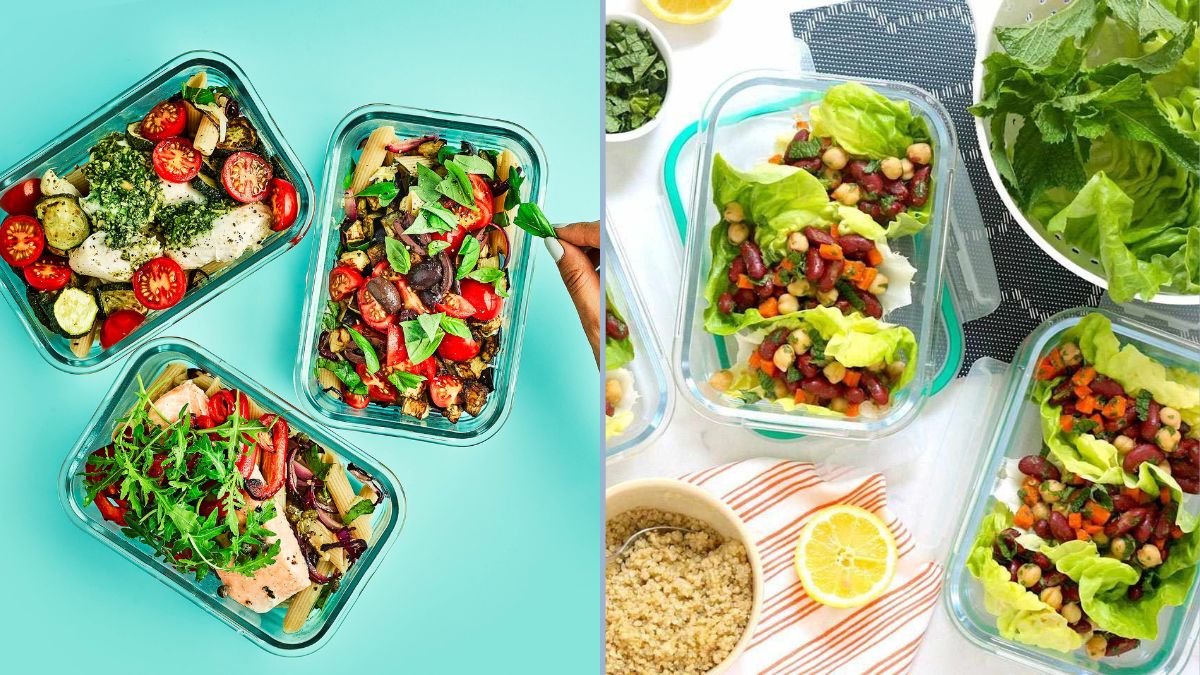
In today’s fast-paced world, finding time to prepare nutritious meals can feel like a daunting task. Between work, social commitments, and family responsibilities, many people end up relying on takeout or processed foods, which can compromise both health and wallet. This is where meal prepping comes in—a simple yet transformative approach that allows you to plan, prepare, and enjoy balanced meals throughout the week. Meal prepping isn’t just for fitness enthusiasts; it’s a lifestyle choice that can save time, reduce stress, and support long-term health. In this article, we explore the benefits of meal prepping, practical tips for getting started, and strategies to make it sustainable—all while focusing on vegetarian and plant-based options.
What is Meal Prepping?
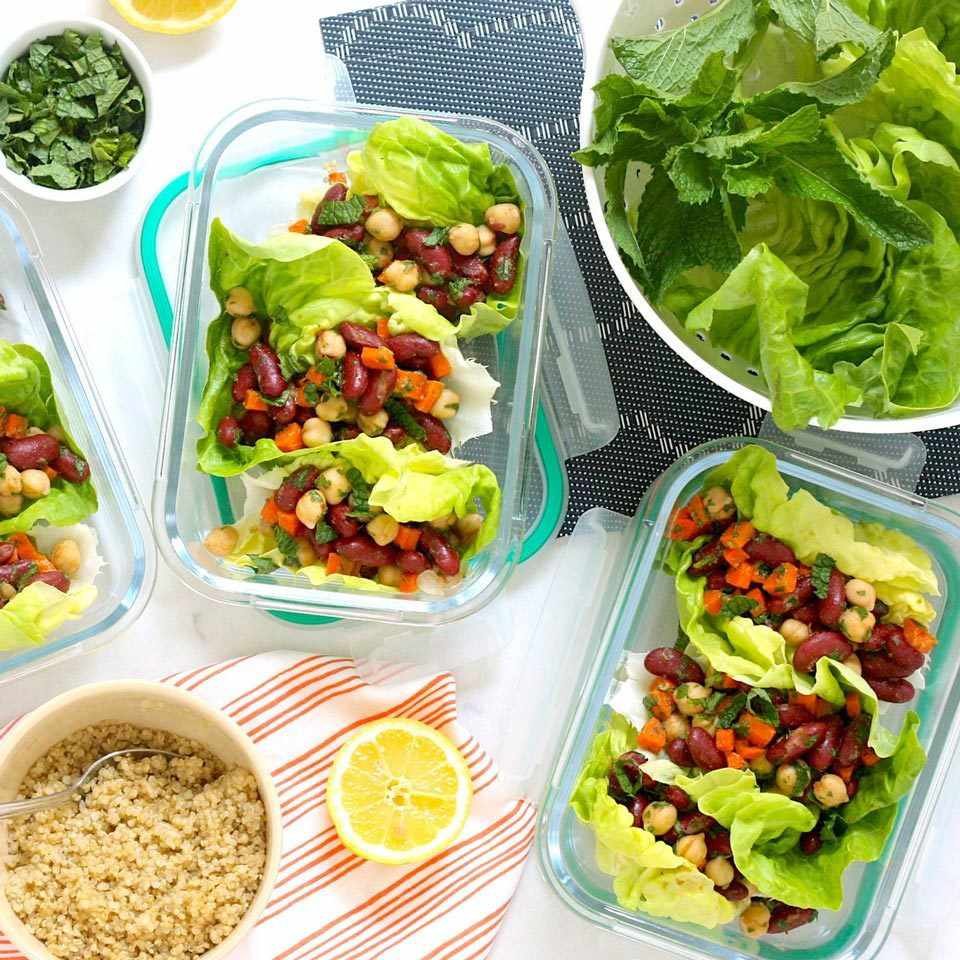
Meal prepping is the practice of preparing meals or components of meals in advance. This can mean anything from chopping vegetables for the week, cooking grains in bulk, to fully assembling complete meals that are ready to eat or heat. The key idea is planning ahead, so you don’t have to make food decisions on the spot when time is limited.
There are different styles of meal prepping:
- Full meal prep: Preparing complete meals for several days in advance.
- Ingredient prep: Prepping components such as grains, legumes, roasted vegetables, and sauces, which can be mixed and matched during the week.
- Batch cooking: Cooking large quantities of a single dish to serve over multiple meals.
By choosing a style that fits your lifestyle, meal prepping becomes manageable rather than overwhelming.
The Benefits of Meal Prepping
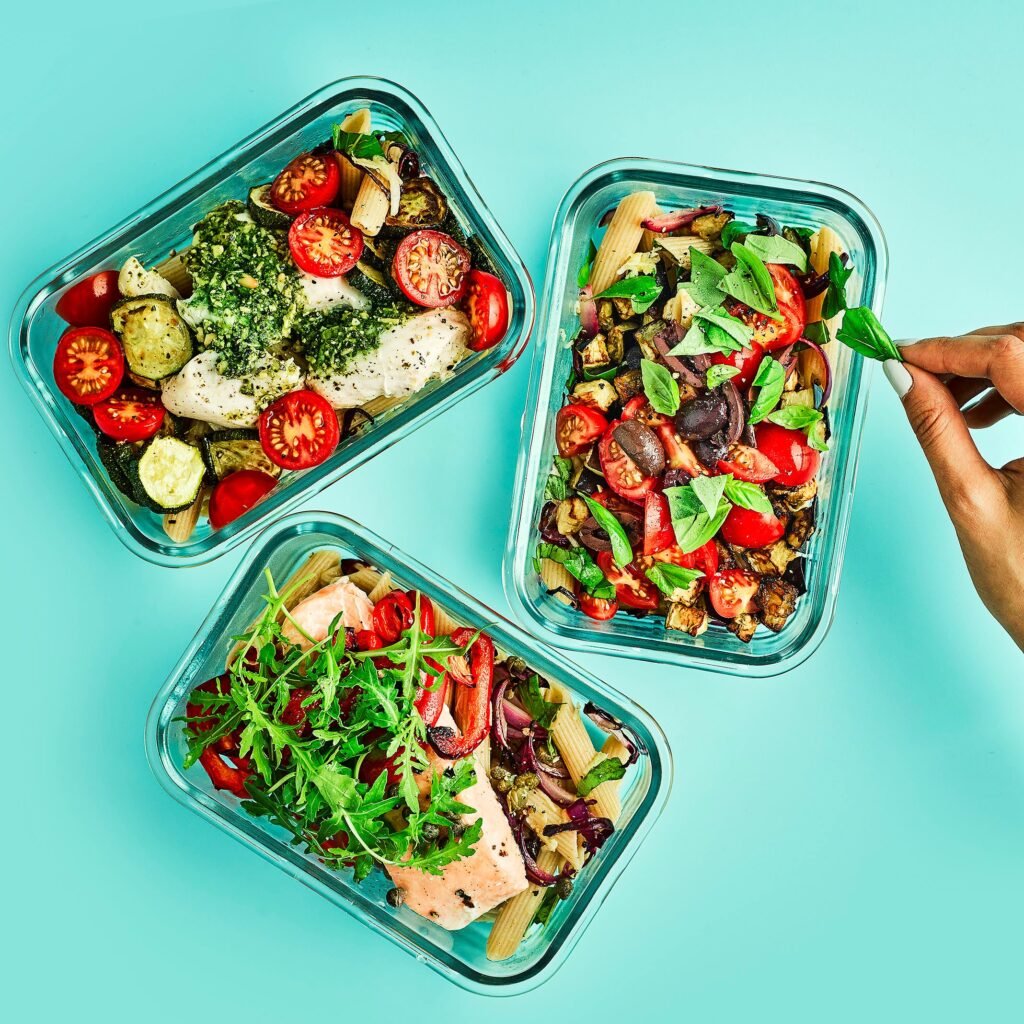
Meal prepping offers a wide range of benefits, from improved nutrition to financial savings and reduced stress. Let’s break them down.
1. Saves Time
One of the most obvious advantages of meal prepping is time efficiency. By dedicating a few hours to cooking and preparing food in advance, you eliminate daily cooking stress. You no longer need to decide what to eat after a long day, and reheating pre-prepared meals is often faster than cooking from scratch. Over a week, the hours saved can be significant, giving you more time for work, hobbies, or rest.
2. Supports Healthy Eating
When meals are prepped in advance, it’s easier to control ingredients, portions, and nutrition. You can focus on plant-based whole foods like vegetables, fruits, legumes, grains, nuts, and seeds, ensuring a nutrient-rich diet. Prepping meals ahead reduces reliance on processed foods, sugary snacks, or fast food, which are often higher in calories and lower in nutrients.
3. Helps with Portion Control
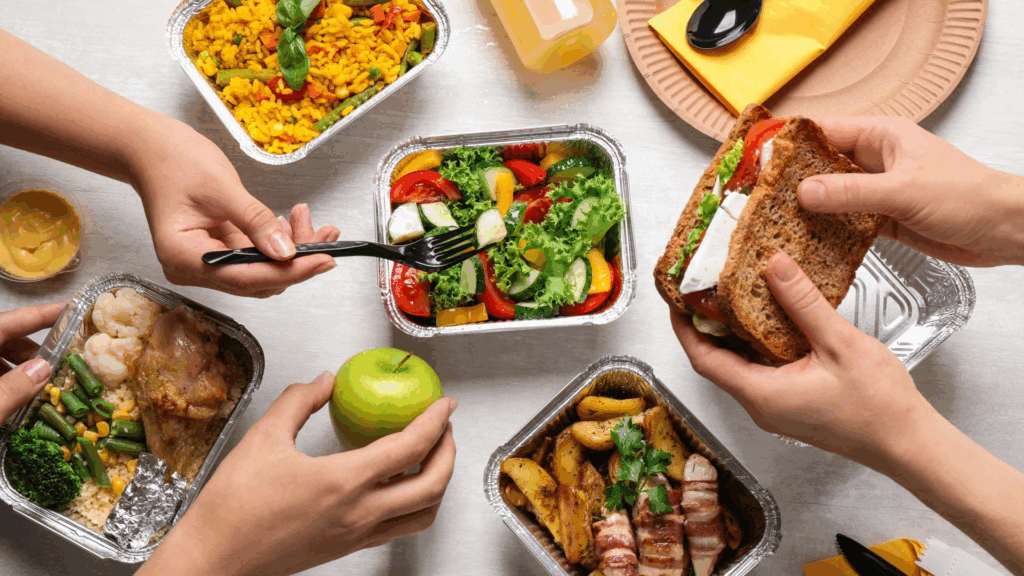
Meal prepping naturally encourages mindful eating. By preparing portions ahead of time, you are less likely to overeat or indulge in unnecessary snacking. Portioned meals also make it easier to track macronutrients or calorie intake if you’re monitoring your diet for health reasons.
4. Reduces Food Waste
By planning meals, shopping mindfully, and preparing only what you need, meal prepping significantly cuts down on food waste. You can repurpose ingredients in multiple dishes, use leftovers creatively, and avoid throwing away produce that goes bad in the fridge. This is both economical and environmentally friendly.
5. Saves Money
Eating out or buying convenience foods can be expensive. Meal prepping allows you to buy in bulk, utilize seasonal produce, and cook in larger quantities—all of which reduce overall food costs. Even simple swaps like using lentils, beans, or whole grains instead of processed foods can stretch your grocery budget.
6. Reduces Stress
Decision fatigue—constantly deciding what to cook or eat—can be mentally exhausting. Meal prepping eliminates the daily question of “What’s for dinner?” By having ready-to-eat meals or prepared ingredients, you reduce stress and free up mental energy for other priorities.
7. Supports Fitness and Wellness Goals
Whether your goals are weight management, improved digestion, or balanced nutrition, meal prepping provides structure. By including a variety of plant-based proteins (beans, lentils, tofu), whole grains (brown rice, quinoa, oats), and colorful vegetables, you ensure a balanced diet that supports both physical and mental well-being.
How to Start Meal Prepping Today
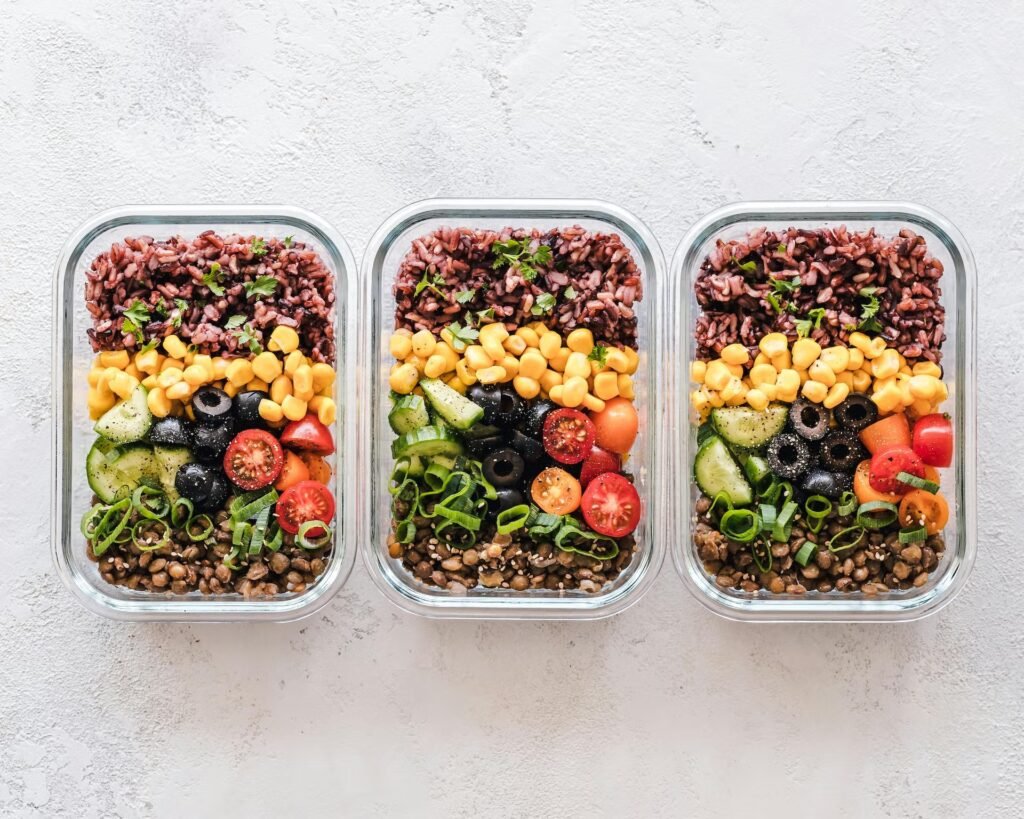
Starting a meal prep routine may seem intimidating at first, but with simple steps and planning, it becomes a manageable and rewarding habit.
Step 1: Plan Your Meals
The first step is to decide what you want to eat. Start small—perhaps prep just lunch or dinner for a few days. Consider:
- Your dietary goals and preferences.
- Ingredients that are in season and available.
- Dishes that store well and reheat easily.
Create a simple meal plan for the week. For example:
- Breakfast: Overnight oats, chia pudding, or smoothie packs.
- Lunch: Grain bowls with roasted vegetables and chickpeas.
- Dinner: Lentil stew, veggie stir-fry, or pasta with homemade sauce.
- Snacks: Cut veggies, hummus, nuts, or fruit.
Step 2: Make a Shopping List
Once you know your meals, write a detailed shopping list. Group ingredients by category (vegetables, grains, protein, spices) to make shopping faster and more organized. Buying in bulk and choosing versatile ingredients like canned beans, frozen vegetables, and whole grains will save both money and time.
Step 3: Choose a Prep Day
Pick a day each week to dedicate to prepping, such as Sunday afternoon. Start with 2–3 hours to chop vegetables, cook grains, and prepare one or two dishes. Over time, the process will become faster and more efficient.
Step 4: Use the Right Containers
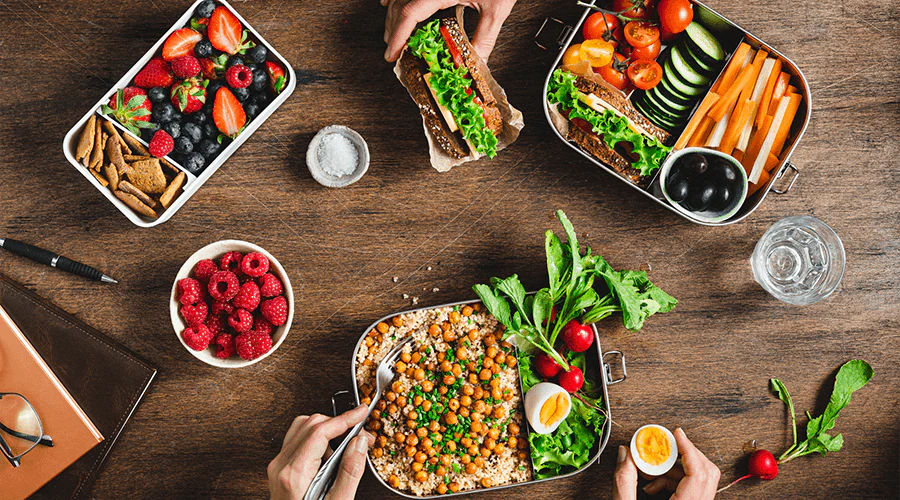
Invest in reusable containers that are airtight, microwave-safe, and easy to stack. Glass containers are ideal for storing both hot and cold meals. Portioning meals into individual containers can help with organization and portion control.
Step 5: Batch Cooking and Freezing
Certain dishes, like soups, stews, and casseroles, store well in the fridge or freezer. Cooking in batches allows you to rotate meals, so you don’t get bored. Label containers with the date to ensure freshness and safety.
Step 6: Keep It Simple
Meal prepping doesn’t have to be complicated. Start with simple recipes using a few ingredients, then gradually experiment with new flavors and cuisines. The goal is consistency, not perfection.
Vegetarian-Friendly Meal Prep Ideas
Here are some delicious plant-based meal prep ideas that are easy to make and store:
- Quinoa and Roasted Vegetable Bowls: Quinoa, roasted sweet potatoes, zucchini, bell peppers, and a lemon-tahini dressing.
- Chickpea Salad: Chickpeas, cherry tomatoes, cucumber, red onion, parsley, and a light vinaigrette.
- Lentil Soup: Lentils, carrots, celery, tomatoes, and spices like cumin and coriander.
- Overnight Oats: Rolled oats, chia seeds, almond milk, and fresh or frozen berries.
- Vegetable Stir-Fry: Mixed seasonal vegetables sautéed with tofu or tempeh and served over brown rice.
These dishes are nutrient-dense, easy to store, and can be prepared in advance.
Tips for Successful Meal Prepping
- Start Small: Begin with prepping 2–3 meals per week and increase gradually.
- Keep it Colorful: Include a variety of vegetables to maximize nutrient intake.
- Use Herbs and Spices: They add flavor without extra calories or sodium.
- Mix and Match: Cook versatile ingredients that can be used in multiple dishes.
- Stay Flexible: It’s okay to deviate from the plan or order out occasionally; consistency matters more than perfection.
- Track and Adjust: Note what works and what doesn’t for your taste and schedule, then refine your plan each week.
Overcoming Common Meal Prep Challenges
- Time Constraints: Break prep into smaller tasks across the week—wash vegetables one day, cook grains the next.
- Boredom: Rotate recipes and try different cuisines (Mediterranean, Indian, Mexican) to keep meals exciting.
- Storage: Use freezer-friendly recipes and invest in high-quality containers to extend shelf life.
- Perishables: Freeze berries, chop sturdy vegetables ahead, and store greens separately to maintain freshness.
The Long-Term Impact
By committing to meal prepping, you’re not just saving time—you’re investing in your health, financial well-being, and stress management. Over time, meal prepping can:
- Help you maintain a balanced vegetarian or plant-based diet.
- Reduce cravings for unhealthy snacks.
- Encourage mindful eating habits.
- Improve digestion and energy levels through consistent nutrition.
Conclusion
Meal prepping is a practical, time-saving strategy that benefits your health, wallet, and lifestyle. By planning ahead, cooking in batches, and focusing on nutritious vegetarian meals, you can simplify your week while ensuring that you eat well. Whether you’re a beginner or experienced cook, meal prepping is adaptable to any lifestyle or schedule. Start small, stay consistent, and soon you’ll find that meal prepping becomes a natural, stress-free habit that supports your long-term wellness.
With a little planning and organization, you can take control of your meals, nourish your body, and enjoy the benefits of a well-prepared week. There’s no better time to start than today.