
Fermented foods have been a cornerstone of human diets for thousands of years, treasured not only for their unique flavors but also for their profound health benefits. From tangy sauerkraut to creamy plant-based yogurt, fermented foods are packed with probiotics, enzymes, and nutrients that support digestion, immunity, and overall wellness. Making them at home is surprisingly simple, cost-effective, and allows you to customize flavors to your liking. In this article, we’ll explore the benefits of fermented foods and guide you through easy vegetarian and vegan-friendly methods to make them at home.
What Are Fermented Foods?
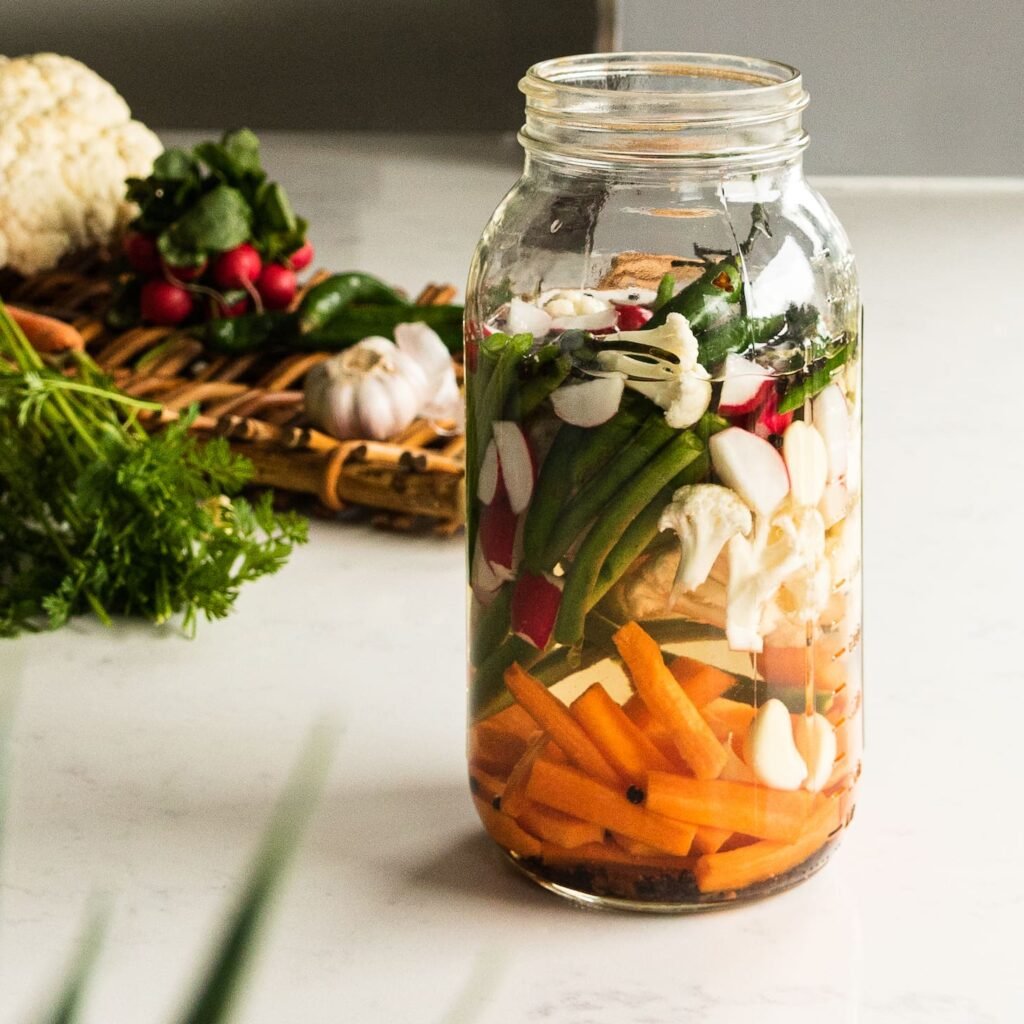
Fermentation is a natural process in which microorganisms like lactic acid bacteria, yeasts, and molds convert sugars and carbohydrates into acids, gases, or alcohol. This process not only preserves food but also enhances flavor, texture, and digestibility.
Common fermented foods suitable for vegetarian or vegan diets include:
- Vegetable Ferments: Sauerkraut, kimchi, pickles.
- Legume-Based Ferments: Miso, tempeh.
- Dairy-Free Fermented Products: Plant-based yogurts, kefir made from coconut, soy, or almonds.
- Fermented Beverages: Kombucha, water kefir.
Fermentation increases the bioavailability of nutrients and introduces beneficial bacteria that support gut health.
Health Benefits of Fermented Foods
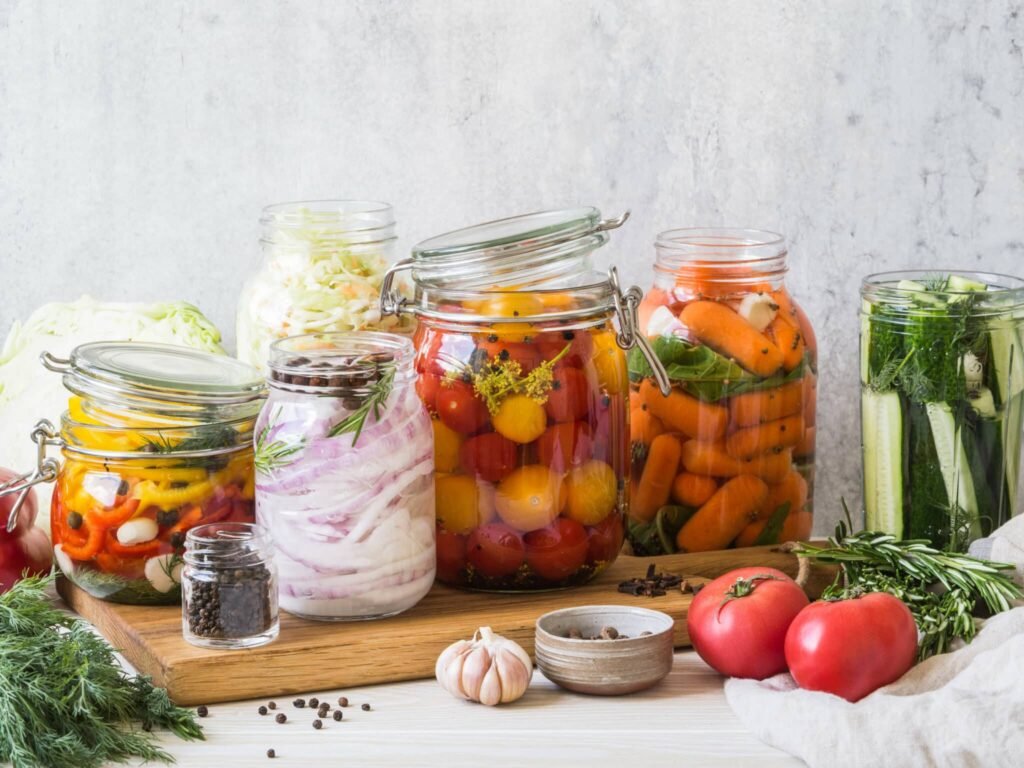
1. Supports Digestive Health
Fermented foods are rich in probiotics, which are beneficial bacteria that maintain a healthy balance in the gut. Regular consumption can:
- Improve digestion and nutrient absorption.
- Reduce bloating, gas, and occasional constipation.
- Support a healthy gut microbiome, which influences overall health, including mood and immunity.
2. Enhances Nutrient Absorption
Fermentation can increase the availability of nutrients such as:
- Vitamins: Vitamin C, B-vitamins (B12 in certain vegan ferments), and K2.
- Minerals: Iron, magnesium, and zinc, which are more easily absorbed from fermented foods than their raw counterparts.
3. Boosts Immunity
A healthy gut contributes to a robust immune system. Probiotic-rich foods help regulate immune responses, reducing inflammation and the risk of infections.
4. Supports Mental Wellbeing
Emerging research suggests a strong connection between gut health and mental health. Consuming fermented foods may improve mood, reduce stress, and support cognitive function.
5. Preserves Foods Naturally
Fermentation is an age-old preservation method, reducing food waste while maintaining nutrients. Naturally fermented foods require no artificial preservatives.
6. Adds Flavor and Culinary Versatility
Fermented foods bring complex, tangy, and umami flavors to meals. They enhance dishes ranging from salads and bowls to soups and sandwiches.
How to Make Fermented Foods at Home

Home fermentation is safe, simple, and customizable. Below are some popular vegetarian and vegan-friendly options.
1. Sauerkraut
Ingredients:
- 1 medium cabbage
- 1–2 tablespoons salt
Steps:
- Slice cabbage thinly and massage with salt until it releases water.
- Pack tightly into a clean glass jar, ensuring cabbage is submerged in its liquid.
- Cover loosely with a cloth or lid, leaving space for gases to escape.
- Ferment at room temperature for 5–10 days, tasting daily until desired tanginess develops.
- Store in the fridge for up to several months.
2. Kimchi (Vegetable Ferment)
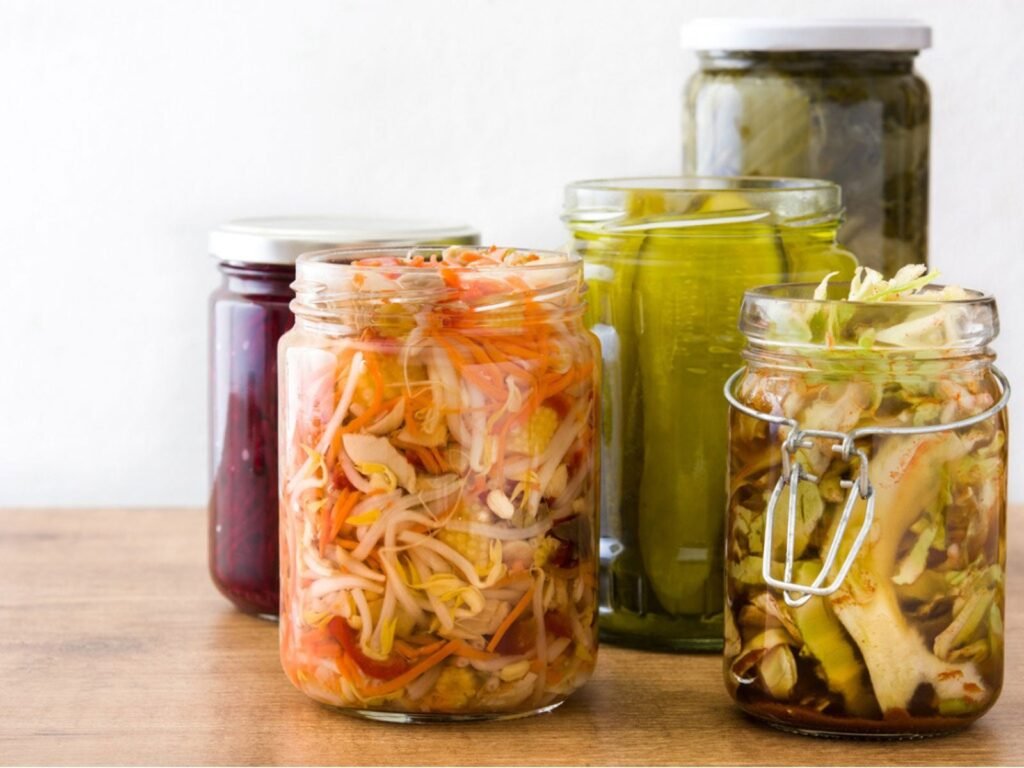
Ingredients:
- Napa cabbage, carrots, daikon radish, scallions
- 2 tablespoons salt
- Garlic, ginger, chili flakes (adjust to taste)
Steps:
- Salt the cabbage and let sit for 1–2 hours.
- Rinse and drain, then mix with other vegetables and seasonings.
- Pack into a jar, pressing down to release juices.
- Leave at room temperature for 2–5 days to ferment.
- Store in the fridge and enjoy as a tangy, spicy condiment.
3. Miso (Soybean Paste)
Miso is a fermented paste made from soybeans and grains like rice or barley.
Tips for Home Use:
- While miso requires specialized starter culture (koji), once obtained, it can be combined with cooked soybeans and salt to ferment over several months.
- Use miso in soups, dressings, sauces, or as a seasoning in cooked dishes.
4. Plant-Based Yogurt

Ingredients:
- 4 cups plant-based milk (soy, almond, coconut)
- Starter culture (commercial vegan yogurt or probiotic capsules)
Steps:
- Heat milk to 110°F (43°C).
- Stir in starter culture.
- Cover and incubate at warm room temperature for 8–12 hours.
- Refrigerate for 2–4 hours before serving.
- Flavor with fruits, vanilla, or spices.
5. Kombucha
Ingredients:
- 1 cup sugar
- 4–5 tea bags (black or green tea)
- 14 cups water
- SCOBY (Symbiotic Culture of Bacteria and Yeast)
Steps:
- Brew sweet tea and cool to room temperature.
- Pour into a clean glass jar and add SCOBY.
- Cover loosely with a cloth and ferment for 7–14 days, tasting periodically.
- Remove SCOBY, bottle the kombucha, and refrigerate.
- Optional: add fruit juice or herbs for flavoring.
Tips for Safe Fermentation
- Cleanliness: Use sterilized jars and utensils to reduce contamination risk.
- Submerge Vegetables: Ensure vegetables stay submerged in brine to prevent mold.
- Temperature Control: Room temperature (65–75°F / 18–24°C) is ideal for most ferments.
- Taste-Test: Fermentation times vary; taste daily until desired flavor develops.
- Storage: Refrigerate after fermentation slows microbial activity, preserving flavor and probiotics.
Culinary Uses of Fermented Foods
Fermented foods can be incorporated into daily meals in versatile ways:
- Salads and Grain Bowls: Add sauerkraut, kimchi, or pickles for tanginess and probiotics.
- Soups and Stews: Stir miso paste into soups for umami flavor and depth.
- Condiments and Dressings: Use fermented vegetables or plant-based yogurt in dressings, dips, and sauces.
- Snacks: Enjoy fermented vegetables or yogurt with seeds and fruits for a healthy snack.
- Sandwiches and Wraps: Add kimchi, pickled vegetables, or sauerkraut to wraps for texture and flavor.
Health Benefits Recap
- Supports Gut Health: Rich in probiotics to maintain a healthy microbiome.
- Boosts Immunity: Regulates immune function through gut health.
- Enhances Nutrient Absorption: Fermentation increases bioavailability of vitamins and minerals.
- Reduces Inflammation: Beneficial compounds help modulate inflammatory processes.
- Promotes Digestive Comfort: Can reduce bloating and improve regularity.
- Adds Flavor Naturally: Tangy, umami-rich flavors enhance plant-based meals without heavy sauces.
Conclusion
Fermented foods are both nutritious and flavorful additions to a vegetarian or vegan diet. From tangy sauerkraut to creamy plant-based yogurt, these foods provide probiotics, antioxidants, and enhanced nutrient absorption, all while supporting digestion, immunity, and mental wellbeing. Making fermented foods at home is simple, safe, and allows for customization to suit your taste and dietary needs.
By incorporating fermented foods into your meals, you not only add complexity and depth to your cooking but also support long-term health. Whether enjoyed as a condiment, snack, or integral component of a dish, fermented foods are a natural, time-tested way to boost both flavor and wellness in your diet.
Start small with a jar of sauerkraut or a batch of plant-based yogurt, and explore the wide world of fermentation at home—you’ll soon discover that the tangy, probiotic-rich flavors of fermented foods are as rewarding to make as they are to eat.