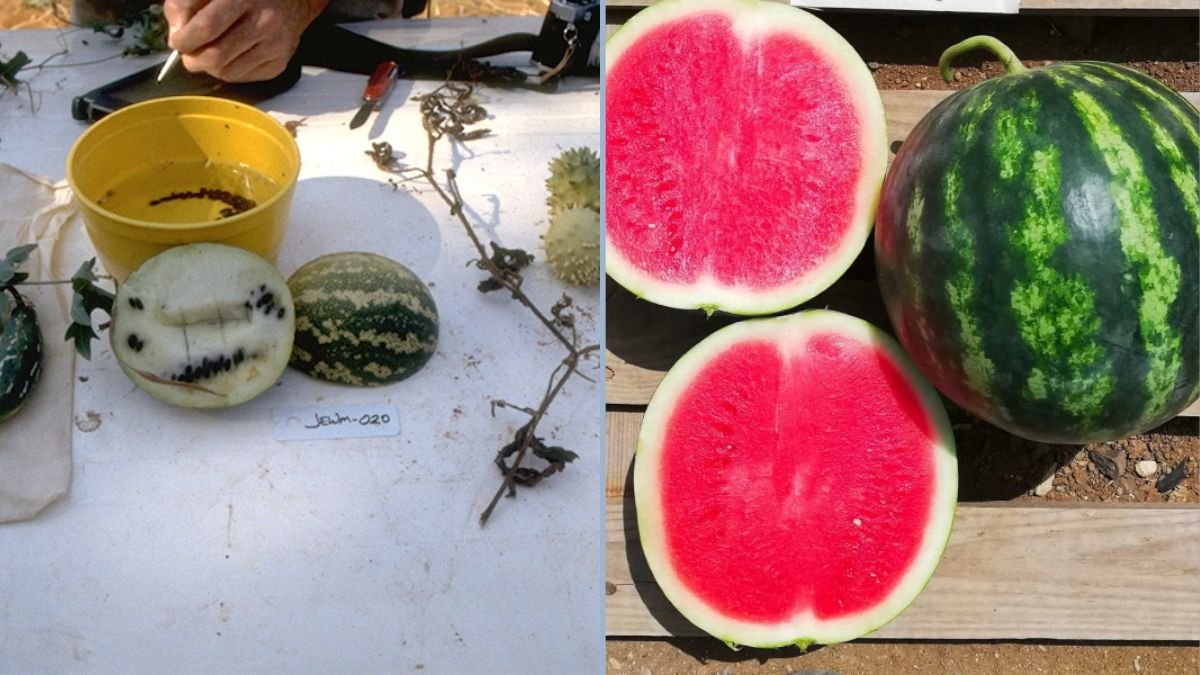
Watermelon is one of the most beloved summer fruits, celebrated for its juicy, refreshing sweetness and vibrant color. While traditional watermelons are full of seeds, modern gardening and agriculture have introduced seedless varieties, which offer a more convenient and enjoyable eating experience. But how exactly are seedless watermelons produced, and what does it take to grow them at home?
In this guide, we’ll explore the science of seedless watermelon breeding, growing tips, care requirements, and harvesting techniques to help gardeners produce their own sweet, hassle-free melons.
What Are Seedless Watermelons?
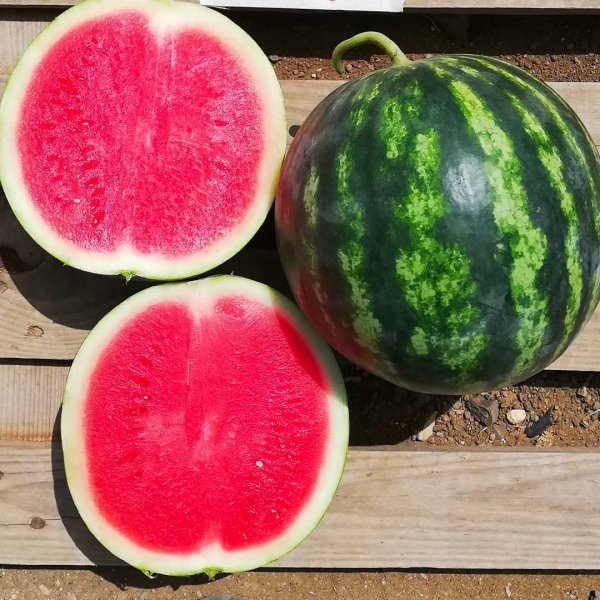
Seedless watermelons are not genetically modified in the traditional sense — they are the result of careful hybrid breeding. Unlike standard watermelons, which contain fully developed seeds, seedless varieties produce tiny, soft, white seeds that are barely noticeable. These melons are highly favored in the marketplace and home gardens alike because they are convenient to eat and often have excellent sweetness.
Key Features of Seedless Watermelons
- Usually smaller than traditional watermelons, but still plump and juicy
- Produce very few, soft seeds that are edible
- Often sweeter than seeded varieties due to selective breeding
- Require both male and female plants for fruit development
Seedless watermelons are sometimes called triploid watermelons, referring to the three sets of chromosomes in the plants that prevent full seed development.
The Science Behind Seedless Watermelon Breeding
Seedless watermelons are produced through a fascinating breeding process involving two types of watermelon plants: diploid (normal) and tetraploid (double chromosome).
1. Creating the Triploid Hybrid
- A tetraploid plant (4 sets of chromosomes) is crossed with a diploid plant (2 sets of chromosomes).
- The resulting offspring are triploid plants with 3 sets of chromosomes.
- Triploid plants cannot produce viable seeds, so the fruit develops without full seeds, creating the seedless watermelon.
2. Pollination Requirement
- Triploid (seedless) watermelons are sterile, meaning they cannot produce pollen.
- To produce fruit, diploid (seeded) watermelons must be planted nearby as pollinators.
- Bees and other pollinators transfer pollen from diploid flowers to triploid flowers, allowing fruit to develop.
This is why growing seedless watermelons requires careful planning: you need both triploid plants for fruit and diploid plants for pollination.
Planting Seedless Watermelons
Growing seedless watermelons requires a slightly different approach than traditional varieties. Here’s a step-by-step guide:
1. Choosing a Site
- Full sun exposure is critical for watermelon growth — 6–8 hours of direct sunlight per day.
- Soil should be well-draining, fertile, and slightly acidic to neutral (pH 6.0–7.0).
- Avoid areas prone to waterlogging or heavy clay, which can harm the roots.
2. Preparing the Soil
- Amend the soil with compost or aged manure to boost fertility.
- Raised beds or mounds can improve drainage and allow soil to warm faster in spring, promoting early growth.
3. Spacing
- Seedless watermelons are vigorous vines and need plenty of room:
- Triploid plants: 3–4 feet apart in rows 6–8 feet apart
- Diploid pollinator plants: Plant 1 pollinator for every 4–5 seedless plants
4. Planting Seeds or Seedlings
- Direct sow seeds after the last frost date when soil is warm (70°F / 21°C or higher).
- Alternatively, start seeds indoors 3–4 weeks before transplanting.
- Transplant seedlings carefully, keeping roots undisturbed.
5. Mulching
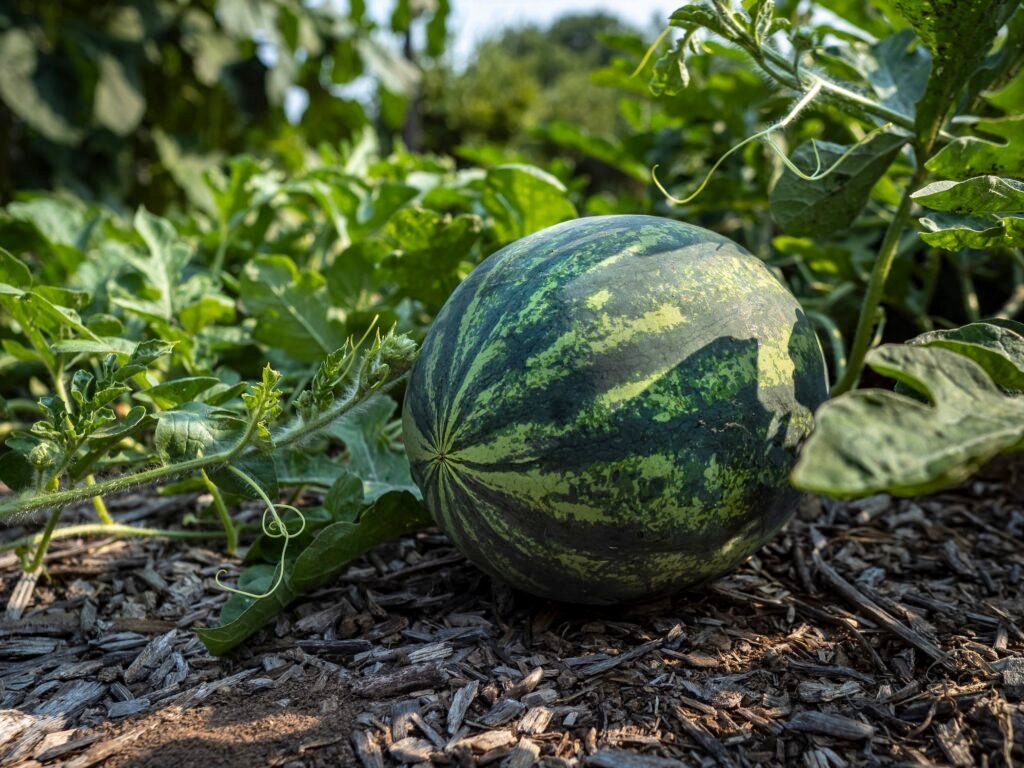
- Apply mulch around the base of plants to retain moisture, suppress weeds, and regulate soil temperature.
Care and Maintenance
Proper care ensures vigorous growth and sweet, juicy fruit.
1. Watering
- Water deeply and consistently, especially during flowering and fruit development.
- Avoid overhead watering, which can encourage disease. Drip irrigation is ideal.
2. Fertilizing
- Apply a balanced fertilizer at planting.
- Side-dress with high-phosphorus fertilizer when flowers appear to support fruit set.
- Avoid excessive nitrogen, which encourages leafy growth over fruit development.
3. Pollination
- Seedless watermelons require pollination from diploid plants.
- Plant pollinator flowers in the same row or nearby, ensuring bees can transfer pollen easily.
- More bees and insects improve fruit set and yield.
4. Pest and Disease Management
- Common pests include aphids, cucumber beetles, and squash bugs.
- Diseases such as powdery mildew or fusarium wilt can occur in warm, humid climates.
- Proper spacing, crop rotation, and resistant varieties help minimize issues.
Training and Pruning
Watermelon vines can sprawl extensively, so consider training vines in large spaces or pruning excess growth:
- Remove weak or diseased vines to focus energy on fruiting vines.
- Use trellises only for small varieties; large seedless watermelons generally grow on the ground.
- Keep the main vines healthy and free from stress for maximum fruit size.
Harvesting Seedless Watermelons
Timing is crucial to harvest sweet and perfectly ripe seedless watermelons. Signs your melon is ready:
- Tendril Drying: The curling tendril nearest the fruit dries and turns brown.
- Ground Spot: The underside of the melon in contact with soil turns a creamy yellow.
- Sound Test: Tap the melon — ripe fruit produces a deep, hollow sound.
- Skin Texture: The fruit should feel firm, with a slightly dull sheen on the skin.
Seedless watermelons do not continue ripening after harvest, so picking at the right time is essential for sweetness.
Benefits of Growing Seedless Watermelons
- Convenience: Eat without spitting seeds — perfect for kids and gatherings.
- Flavor: Often sweeter due to selective breeding and careful care.
- Market Value: High demand makes seedless watermelons profitable for small-scale growers.
- Unique Experience: Growing triploid varieties allows gardeners to experiment with advanced horticultural techniques.
Tips for Maximizing Your Seedless Watermelon Harvest
- Plant Multiple Pollinators: Ensure adequate diploid plants for efficient pollination.
- Warm Soil: Seedless watermelons thrive in warm soil; consider black plastic mulch to retain heat.
- Protect from Pests: Netting or row covers during early growth can prevent insect damage.
- Consistent Watering: Stress-free plants produce larger, sweeter fruit.
- Regular Monitoring: Watch for diseases and remove affected leaves promptly.
Following these practices can significantly improve both yield and fruit quality.
Conclusion
Seedless watermelons offer a sweet, convenient, and fun fruit-growing experience. By understanding the science of triploid breeding, carefully planning your planting, and providing consistent care, gardeners can enjoy a bountiful harvest of juicy, hassle-free melons each summer.
From preparing the soil and planting diploid pollinators to ensuring proper watering and recognizing ripeness, growing seedless watermelons requires patience and attention to detail. However, the reward is well worth the effort: beautiful, seedless melons ready to enjoy fresh, frozen, or in your favorite summer recipes.
Whether you’re a backyard gardener looking to impress friends and family or a small-scale grower exploring advanced horticulture, seedless watermelons are a delicious and satisfying addition to any garden.