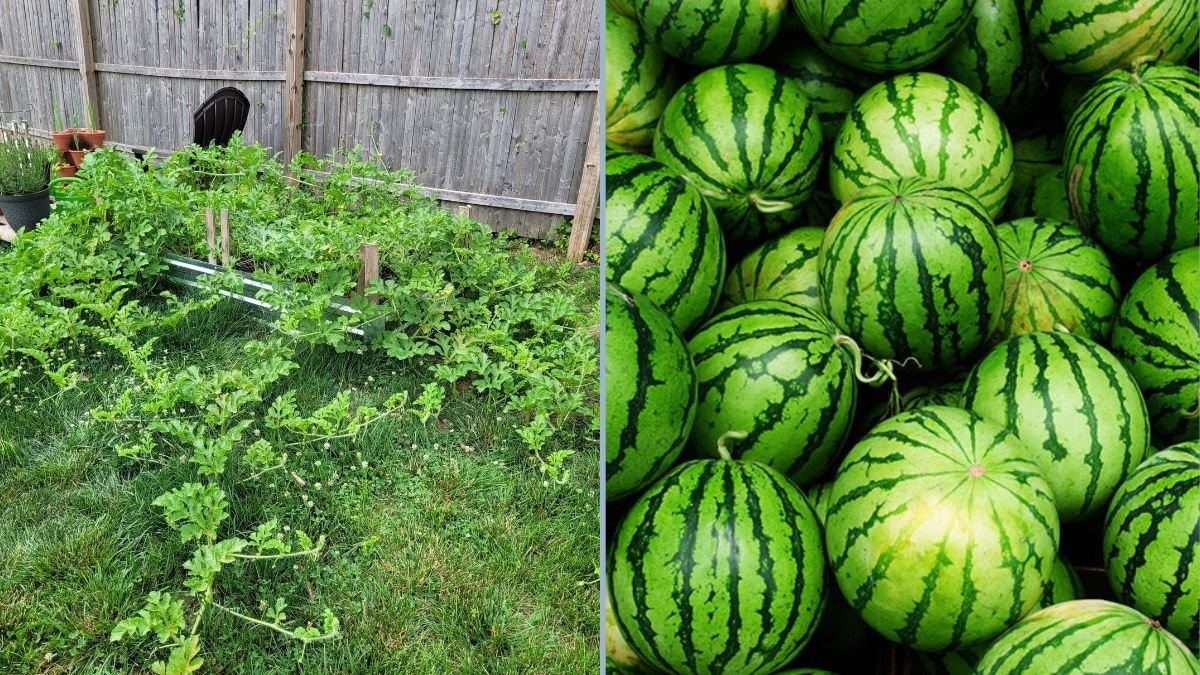
There’s nothing quite like the taste of a freshly picked watermelon on a hot summer day. Among the many watermelon varieties available, Crimson Sweet stands out as a favorite for home gardeners. Known for its bright red flesh, sweet flavor, and attractive striped rind, Crimson Sweet watermelon combines excellent taste with impressive yields. Growing this variety in your own garden is both rewarding and fun, providing refreshing fruit and a sense of accomplishment.
In this comprehensive guide, we’ll walk you through everything you need to know about growing Crimson Sweet watermelons, from selecting seeds to planting, caring for vines, pollination, and harvesting your juicy fruits.
Why Choose Crimson Sweet Watermelon?
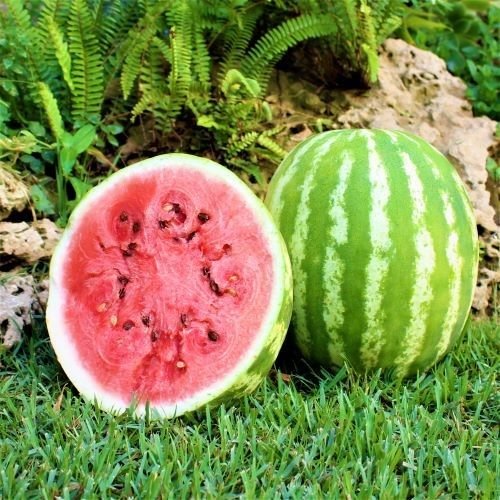
Crimson Sweet watermelon is celebrated for several reasons that make it an ideal choice for backyard gardens:
- Sweet Flavor: The deep red flesh is exceptionally sweet and juicy, perfect for fresh eating, smoothies, or desserts.
- Vibrant Appearance: Its green striped rind and bright red interior make it visually appealing.
- Reliable Yields: Crimson Sweet is known for producing consistently large fruits, even in home gardens.
- Disease Resistance: This variety is moderately resistant to common watermelon diseases, including fusarium wilt and anthracnose.
- Versatility: Suitable for large gardens or small spaces when carefully spaced and trained.
With proper care, a single Crimson Sweet watermelon plant can produce 2–4 large fruits, each weighing 15–25 pounds.
Selecting Seeds and Preparing for Planting
The first step in growing Crimson Sweet watermelons is choosing quality seeds and preparing your garden.
1. Seed Selection
- Purchase seeds from a reputable supplier to ensure germination success and disease-free plants.
- Look for varieties labeled as Crimson Sweet to guarantee true characteristics.
2. Starting Seeds Indoors
For an early start, especially in cooler climates:
- Use a seed-starting tray or small pots with well-draining seed-starting mix.
- Plant seeds ½ to 1 inch deep.
- Maintain soil temperature between 70–85°F (21–29°C).
- Keep soil consistently moist but not waterlogged.
- Provide 12–16 hours of light per day using a sunny window or grow lights.
3. Hardening Off Seedlings
- About a week before transplanting, gradually expose seedlings to outdoor conditions.
- Start with a few hours of sunlight each day, increasing exposure gradually to prevent shock.
Preparing the Garden
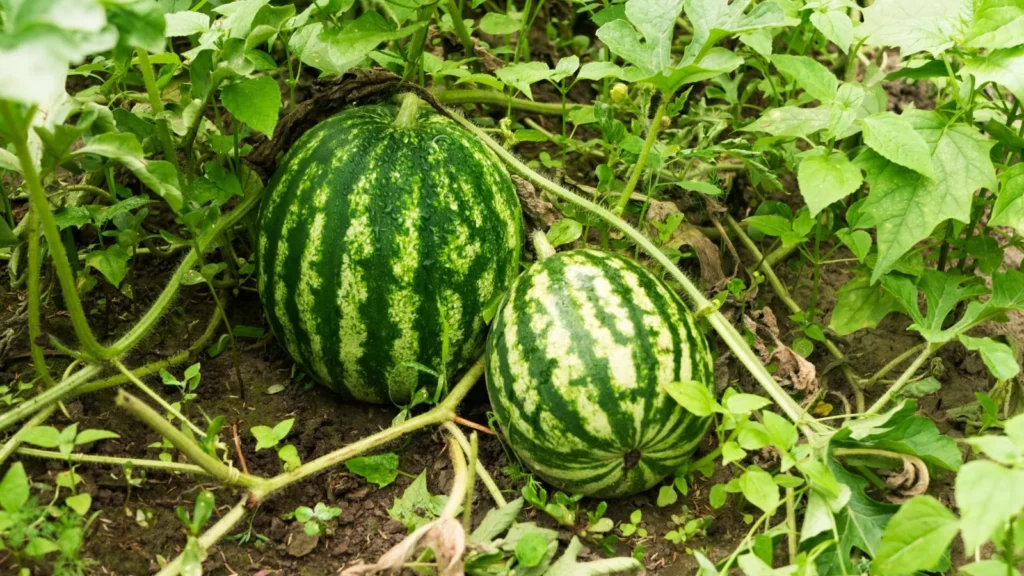
Crimson Sweet watermelons are vigorous vines that require ample space, nutrients, and sunlight.
1. Sunlight
- Watermelons thrive in full sun, needing 6–8 hours of direct sunlight daily.
- Sunlight encourages flowering, fruit set, and maximum sugar development in the fruit.
2. Soil Preparation
- Ideal soil is loamy, fertile, and well-draining.
- Maintain a slightly acidic to neutral pH of 6.0–7.0.
- Incorporate compost, aged manure, or organic matter to improve soil fertility.
3. Space Requirements
- Vines can spread 6–10 feet, so provide adequate spacing:
- 3–4 feet between plants in rows
- 6–8 feet between rows for sprawling growth
4. Mulching
- Apply straw or black plastic mulch to retain moisture, suppress weeds, and warm soil.
- Mulch helps prevent soil-borne diseases from contacting the fruit.
Planting Crimson Sweet Watermelons
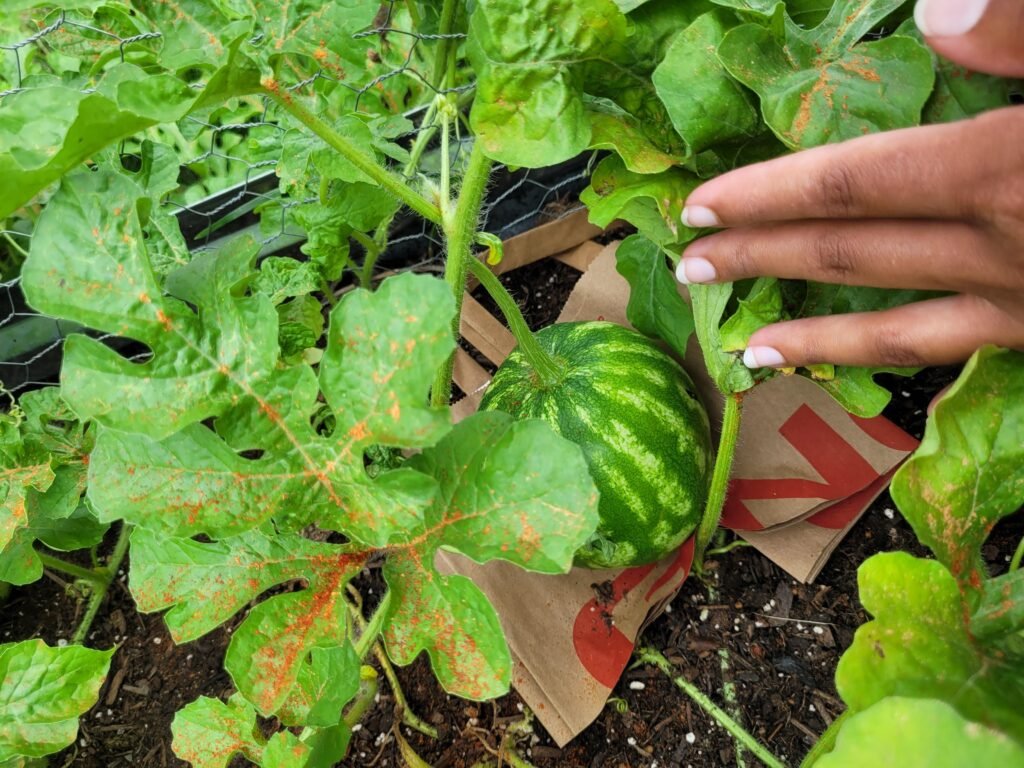
When the soil is warm and seedlings are hardened off, transplant them to the garden:
- Dig a hole slightly larger than the seedling’s root ball.
- Place the seedling and fill the hole with soil, gently firming around the roots.
- Water immediately to reduce transplant shock.
- Plant according to spacing requirements, allowing vines room to sprawl.
For direct sowing, plant seeds 1 inch deep in hills or rows after the last frost date and when soil temperatures reach 70°F (21°C) or higher.
Caring for Crimson Sweet Watermelons
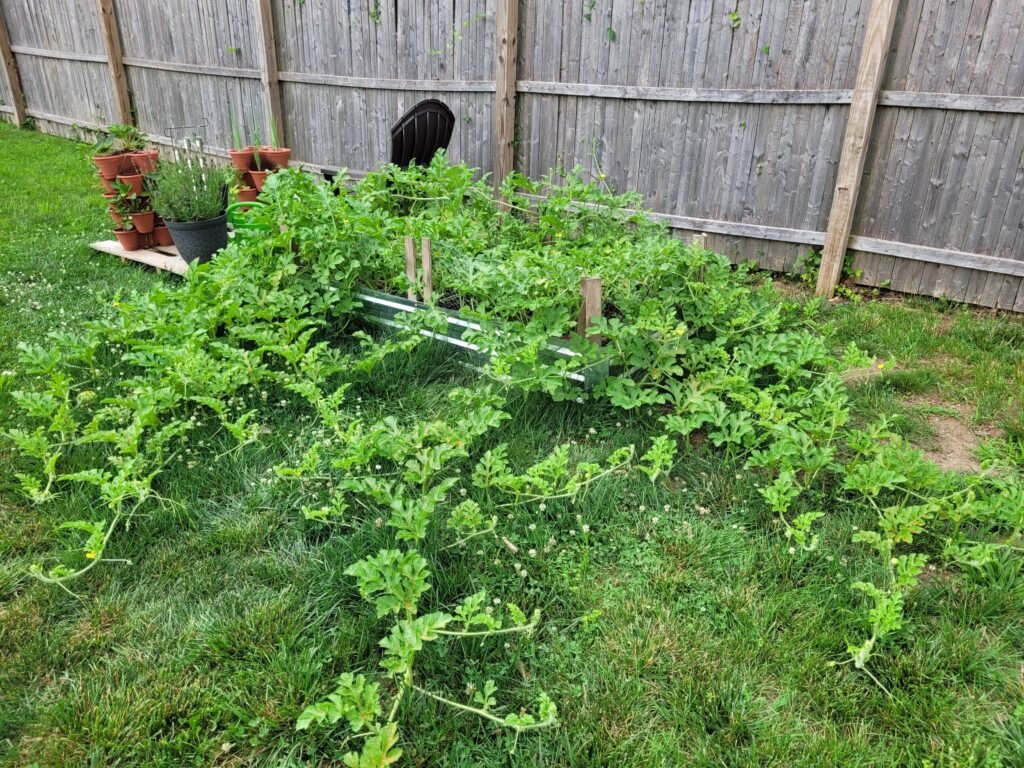
Watermelons require consistent care to thrive and produce sweet, juicy fruits.
1. Watering
- Maintain consistent moisture, especially during flowering and fruiting.
- Avoid overhead watering to prevent fungal diseases; use drip irrigation or soaker hoses.
- Reduce watering slightly as fruits approach maturity to enhance sweetness.
2. Fertilization
- Apply a balanced fertilizer (10-10-10) during early growth.
- Side-dress with phosphorus and potassium-rich fertilizer when flowers appear to encourage fruit set and development.
- Avoid excessive nitrogen during fruiting, as it promotes leafy growth over fruit.
3. Pollination
- Watermelon flowers are pollinated by bees and other insects.
- Encourage pollinators by planting flowers nearby and avoiding insecticides during bloom.
- Hand-pollination can be done using a small brush to transfer pollen from male to female flowers if pollinators are scarce.
4. Pruning and Training
- Remove weak, damaged, or overcrowded vines to direct energy toward fruit development.
- Train vines outward along mulch or trellises (for smaller varieties) to maximize airflow and sun exposure.
Pest and Disease Management
While Crimson Sweet watermelons are moderately disease-resistant, gardeners should still monitor for:
- Aphids and Spider Mites: Control with insecticidal soap or beneficial insects.
- Cucumber Beetles: Hand-pick or use row covers early in growth.
- Powdery Mildew and Fusarium Wilt: Maintain proper spacing, airflow, and crop rotation to prevent fungal issues.
- Birds and Wildlife: Protect ripening fruits with netting if necessary.
Consistent monitoring and proactive care reduce the risk of significant damage.
Harvesting Crimson Sweet Watermelons
Timing is crucial to ensure maximum sweetness and flavor. Signs that your watermelon is ready to harvest include:
- Ground Spot: The underside of the fruit that touches the soil turns creamy yellow.
- Tendril Drying: The curling tendril closest to the fruit dries and turns brown.
- Skin Appearance: The rind develops a dull sheen and becomes firm to touch.
- Sound Test: Tap the melon — a ripe watermelon produces a deep, hollow sound.
Crimson Sweet watermelons do not continue ripening after harvest, so picking at peak maturity ensures the best flavor.
Enjoying Crimson Sweet Watermelons
Crimson Sweet watermelon is incredibly versatile:
- Fresh Eating: Slice chilled for a refreshing summer snack.
- Salads and Smoothies: Add bright color and natural sweetness.
- Desserts: Use in fruit tarts, sorbets, or frozen treats.
- Sharing: Large fruits are perfect for picnics, barbecues, and family gatherings.
The vibrant red flesh, combined with juicy sweetness, makes Crimson Sweet watermelon a delightful centerpiece for any summer table.
Tips for Maximum Success
- Choose Healthy Seeds: Ensure high germination and true fruit characteristics.
- Warm Soil and Full Sun: Crucial for rapid growth and sugar accumulation.
- Adequate Space: Prevent overcrowding and improve airflow to reduce disease.
- Consistent Watering: Support growth without stressing the plant.
- Fertilize Strategically: Promote flowering and fruit set with phosphorus and potassium.
- Encourage Pollinators: Bees ensure robust fruit development.
- Monitor for Pests: Regular inspection prevents infestations from affecting yields.
Following these steps maximizes your harvest quality, size, and flavor.
Conclusion
Growing Crimson Sweet watermelon is a rewarding and enjoyable gardening project. From selecting high-quality seeds to preparing your garden, caring for vigorous vines, and harvesting juicy, red fruits, this variety offers excellent taste, visual appeal, and reliable yields.
With consistent care, proper spacing, and attention to watering and fertilization, you can enjoy large, sweet watermelons straight from your garden, providing refreshing snacks and delightful meals for family and friends.
Crimson Sweet watermelon is more than just a fruit; it’s a summer experience, a testament to patient gardening, and a highlight of any backyard garden. Following these tips ensures that your seed-to-harvest journey is successful, fruitful, and delicious.