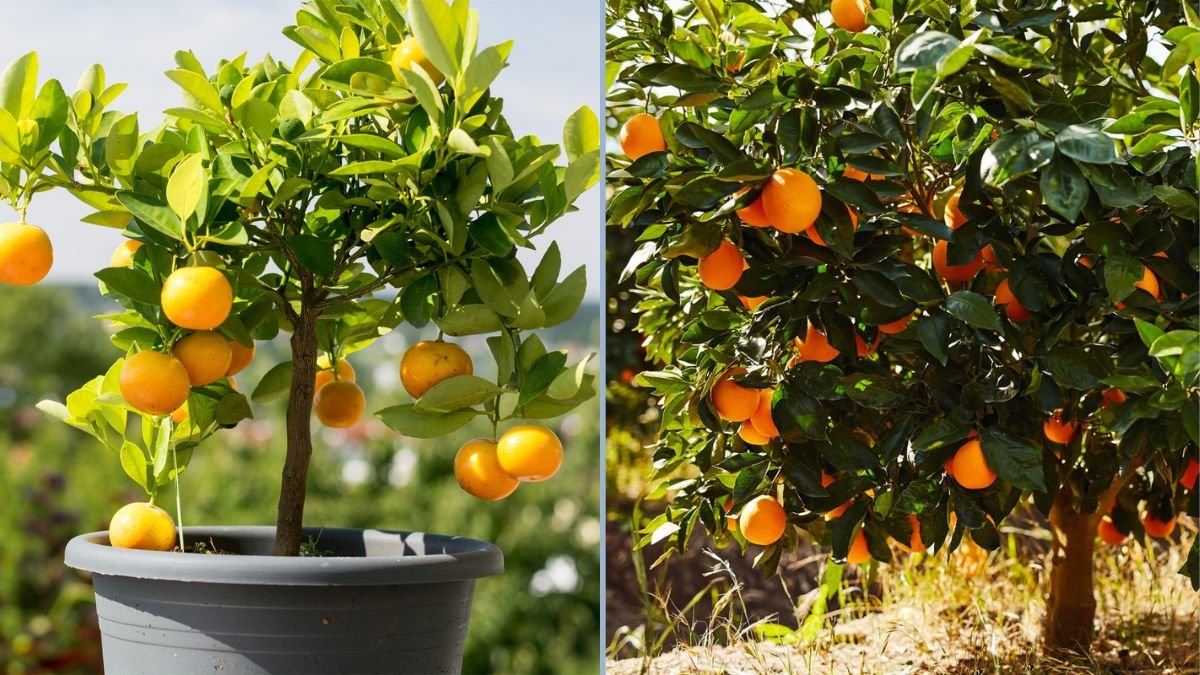
Growing citrus at home is one of the most rewarding gardening experiences. Few things compare to the joy of harvesting your own juicy, sweet oranges straight from the tree. Among the many varieties available, the Navelina seedless orange stands out as an excellent choice for home gardeners, particularly when grown on a dwarf rootstock. Not only is it convenient for smaller spaces, but it can also produce a bountiful crop with the right care.
In this guide, we’ll explore how to cultivate a dwarf Navelina seedless orange tree, from planting and care to harvesting and enjoying the fruit.
Why Choose Navelina Seedless Oranges?
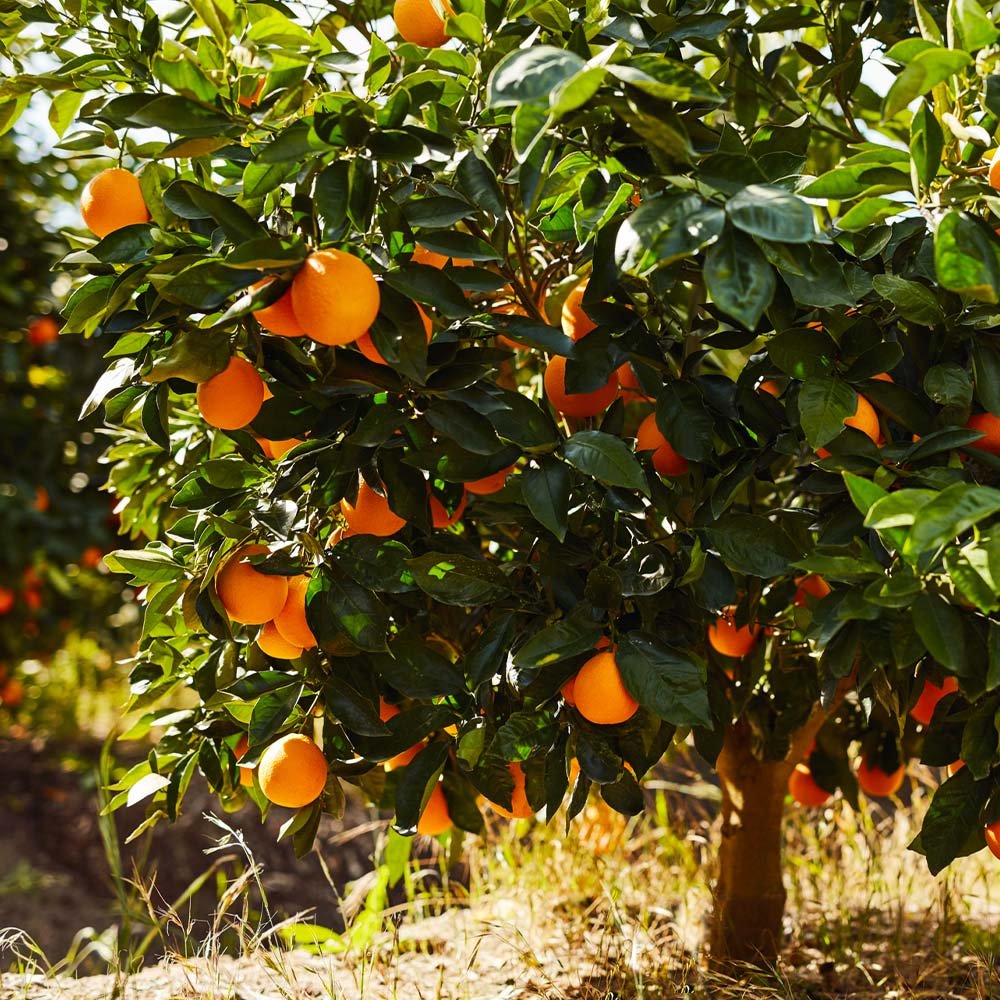
The Navelina seedless orange is prized for several qualities that make it perfect for home gardens:
- Seedless Fruit: Enjoy sweet, juicy oranges without the hassle of seeds.
- Big Flavor: Rich, aromatic, and naturally sweet, perfect for eating fresh or juicing.
- Compact Growth: Dwarf varieties stay manageable in size, making them ideal for patios, small yards, or container gardening.
- High Yield Potential: Even a compact dwarf tree can produce a surprising number of fruits when cared for properly.
- Attractive Appearance: Glossy green leaves, fragrant blossoms, and bright orange fruit make it a beautiful addition to any garden.
For gardeners who want fresh oranges without investing in large orchards, the Navelina seedless orange on a dwarf rootstock offers the perfect balance of size, flavor, and productivity.
Choosing the Right Tree and Planting Site
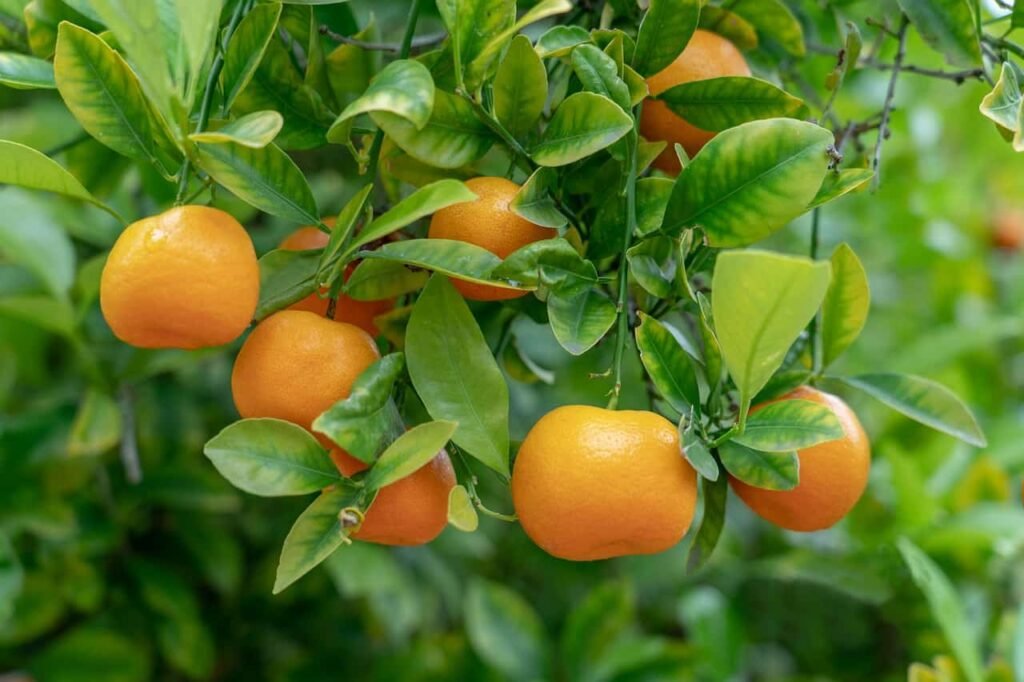
Successful growth starts with selecting a healthy tree and an appropriate planting site.
1. Selecting a Tree
- Choose a healthy, disease-free dwarf Navelina seedless orange tree from a reputable nursery.
- Look for trees with vibrant green leaves, firm branches, and a well-established root system.
2. Site Selection
- Citrus trees require full sun, ideally 6–8 hours per day.
- Soil should be well-draining, loamy, and slightly acidic (pH 6.0–7.0).
- Avoid low-lying areas prone to waterlogging, which can cause root rot.
- Dwarf varieties can be grown in large pots, making them perfect for balconies, patios, or areas with poor soil.
Planting Your Dwarf Navelina Orange Tree
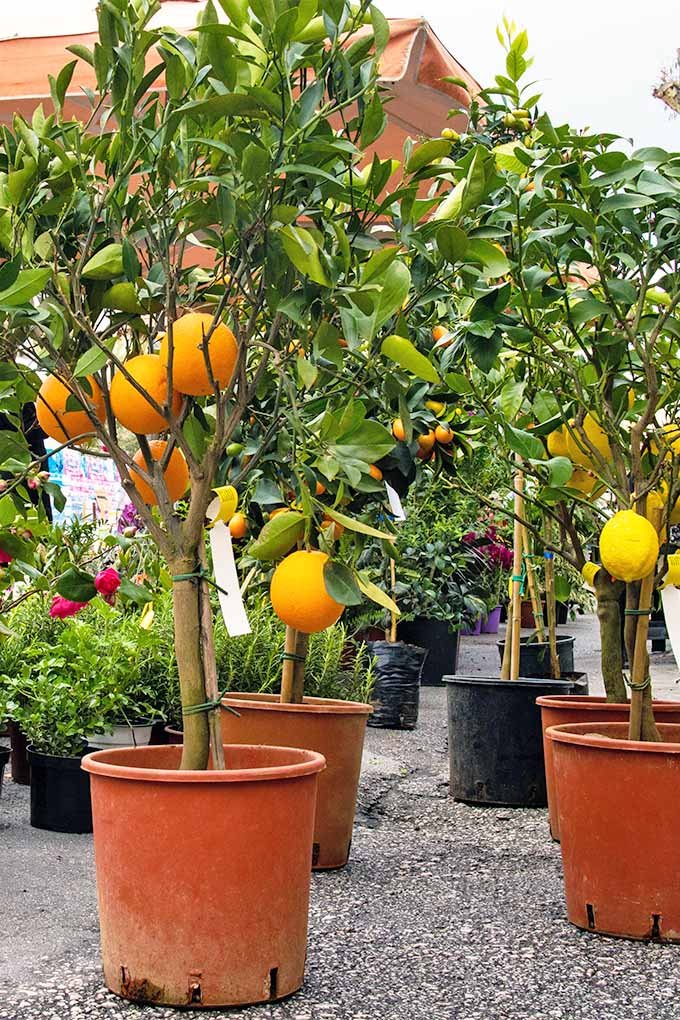
Proper planting ensures a strong start and healthy growth.
- Dig a Hole: The hole should be twice as wide and as deep as the root ball.
- Amend Soil: Mix in compost or organic matter to provide nutrients and improve drainage.
- Position the Tree: Place the tree in the hole so the graft union (if present) is above soil level.
- Backfill and Water: Fill the hole, gently firm the soil, and water thoroughly to settle the roots.
- Mulch: Apply a layer of mulch around the base to retain moisture, regulate temperature, and suppress weeds.
For container planting, choose a large pot with drainage holes, use high-quality citrus potting mix, and ensure the container allows room for root growth.
Caring for Your Dwarf Orange Tree
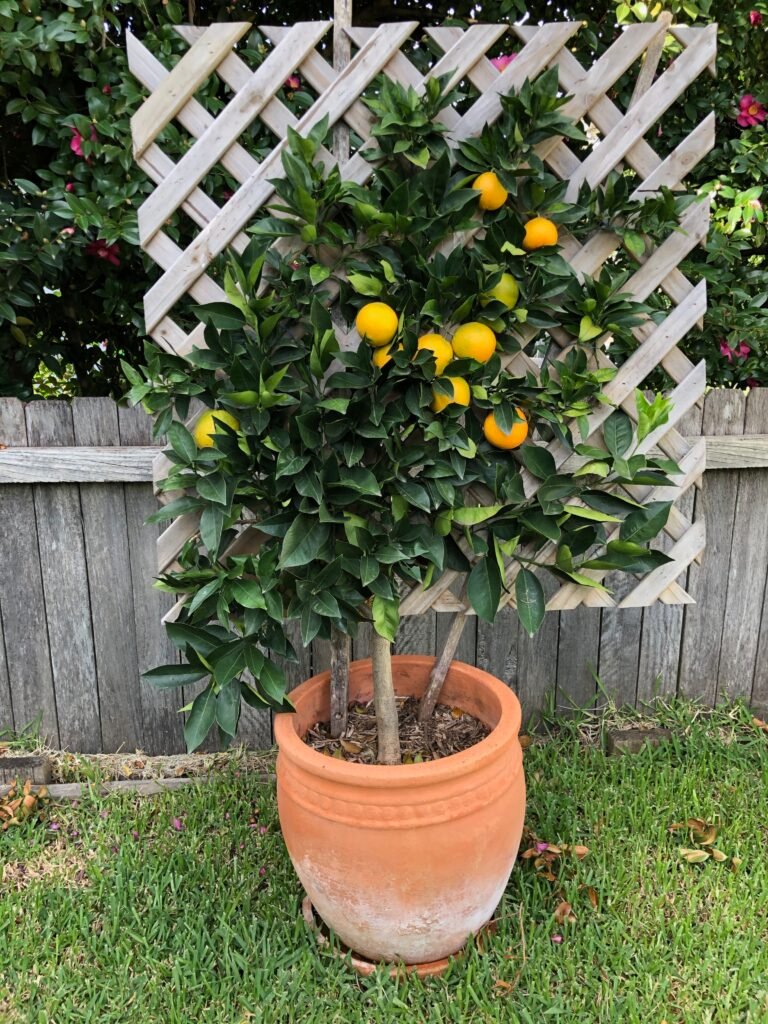
Caring for a dwarf Navelina orange tree involves watering, fertilizing, pruning, and pest management to achieve a big crop.
1. Watering
- Citrus trees prefer consistent moisture but dislike soggy soil.
- Water deeply, especially during dry spells, allowing the soil to dry slightly between waterings.
- Container-grown trees may need more frequent watering, particularly in hot weather.
2. Fertilization
- Use a citrus-specific fertilizer high in nitrogen, along with potassium and magnesium for fruit development.
- Fertilize 3–4 times per year, adjusting frequency for container trees.
- Avoid over-fertilizing, as excessive nitrogen can encourage leafy growth over fruit production.
3. Sunlight
- Full sun is critical for flowering, fruit set, and sweetness.
- Ensure your tree gets 6–8 hours of direct sunlight daily for maximum yield.
4. Pruning
- Remove dead, damaged, or crossing branches to improve airflow and sunlight penetration.
- Prune lightly after harvest or in early spring to maintain size and shape.
- Avoid heavy pruning, as it can reduce fruiting in the following season.
Flowering and Fruit Set
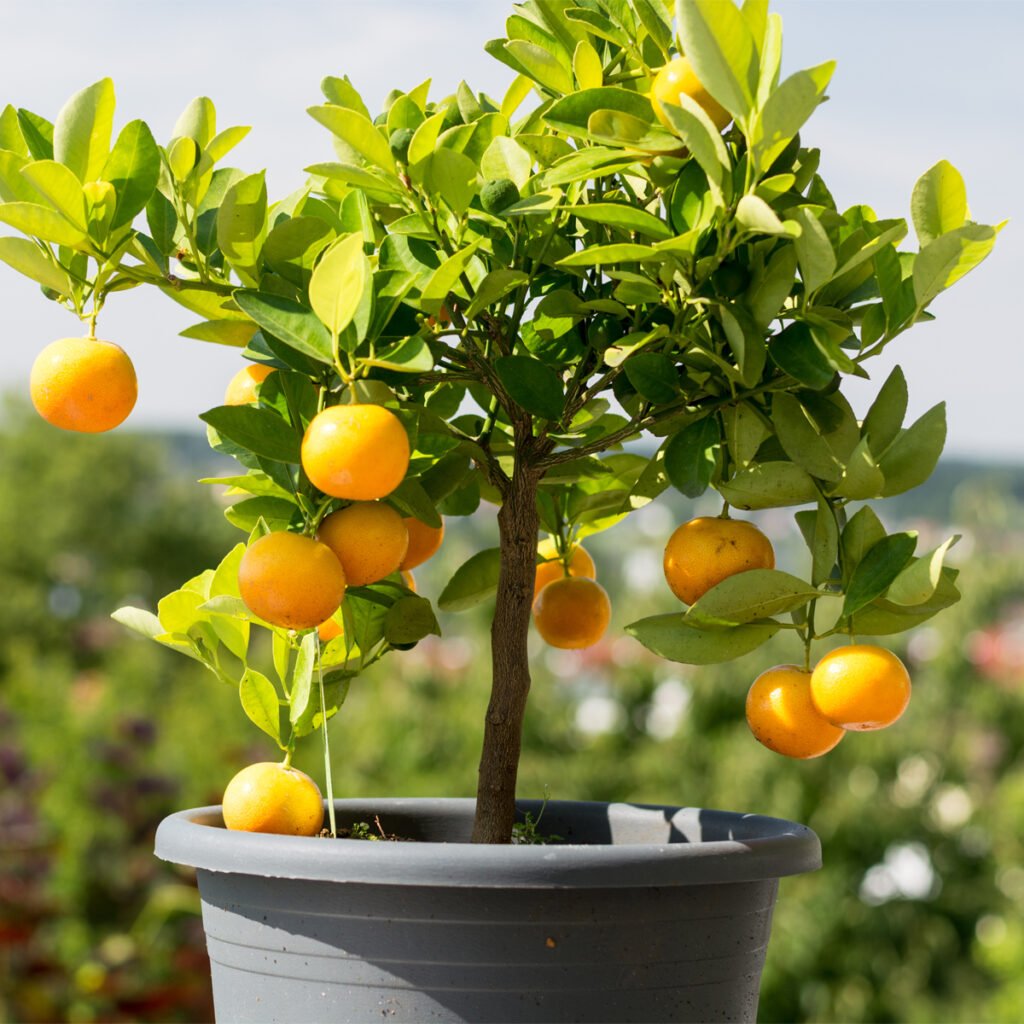
Navelina oranges produce fragrant white blossoms that attract pollinators such as bees, essential for fruit development.
- Blooming Season: Typically occurs in spring.
- Pollination: While largely self-pollinating, pollinator activity can improve fruit set and size.
- Thinning Fruit: If the tree produces too many small fruits, thin them to allow remaining oranges to grow larger.
Proper care during flowering and early fruit development is key to achieving a big crop of high-quality oranges.
Pest and Disease Management
Even a dwarf orange tree is susceptible to pests and diseases.
Common Pests
- Aphids: Feed on sap, causing leaf curling. Use insecticidal soap or natural predators.
- Scale Insects: Can weaken the tree; remove manually or use horticultural oil.
- Spider Mites: Cause leaf stippling; manage with water sprays or miticides.
Common Diseases
- Citrus Canker: Causes leaf and fruit lesions; remove affected areas promptly.
- Root Rot: Caused by waterlogged soil; prevent by ensuring proper drainage.
- Greening Disease (HLB): Serious bacterial disease; ensure disease-free nursery stock and monitor health regularly.
Regular inspection and early intervention are crucial to maintaining tree health and fruit quality.
Harvesting Navelina Seedless Oranges
Harvesting at the right time ensures sweet, juicy, and flavorful oranges.
Signs of Maturity
- Color: The fruit develops bright orange skin.
- Firmness: Oranges should be slightly firm but yield slightly under gentle pressure.
- Ease of Picking: Mature fruit will detach easily from the stem with a slight twist.
- Flavor Test: Taste a sample orange; seedless Navelina oranges are at their peak when sweet and aromatic.
Unlike some fruits, citrus does not continue to sweeten significantly after picking, so harvesting at peak ripeness is important.
Enjoying Your Harvest
Homegrown Navelina seedless oranges can be enjoyed in many ways:
- Fresh Eating: Slice and enjoy straight from the tree.
- Juicing: Make fresh, sweet, and pulp-free orange juice.
- Salads and Desserts: Add segments to salads, desserts, or baked goods.
- Gifting: Homegrown oranges make thoughtful gifts during harvest season.
A single dwarf tree, if well-cared for, can produce dozens of oranges, proving that big crops don’t require large trees.
Tips for Maximizing Your Crop
- Select Healthy Trees: Start with vigorous nursery stock to reduce early problems.
- Provide Full Sun: Essential for flowering, fruit set, and sweetness.
- Water Consistently: Avoid stress to encourage large, juicy fruit.
- Fertilize Regularly: Use a balanced citrus fertilizer to support growth and fruiting.
- Prune Lightly: Maintain shape and improve airflow without reducing fruiting potential.
- Monitor for Pests: Early detection prevents serious damage.
- Container Growing: In cooler climates, container trees allow mobility and winter protection.
By following these practices, you can enjoy a bountiful crop from a compact dwarf tree, even in a small garden or patio.
Conclusion
Growing a dwarf Navelina seedless orange tree offers the perfect combination of convenience, productivity, and flavor. Despite its compact size, with proper care, a single tree can yield a surprising number of juicy, sweet oranges. From selecting healthy nursery stock to ensuring full sun, consistent watering, fertilization, and careful pruning, each step contributes to a thriving, fruitful tree.
Whether you have a backyard, balcony, or container garden, dwarf Navelina seedless oranges are ideal for any gardener seeking fresh, homegrown citrus. With patience, care, and attention, you can experience the joy of harvesting your own bountiful crop and savoring the naturally sweet taste of oranges picked at the peak of perfection.
Growing a dwarf Navelina tree proves that big harvests don’t require big trees, making it an ideal choice for small-space gardeners looking for maximum flavor and fruit yield.