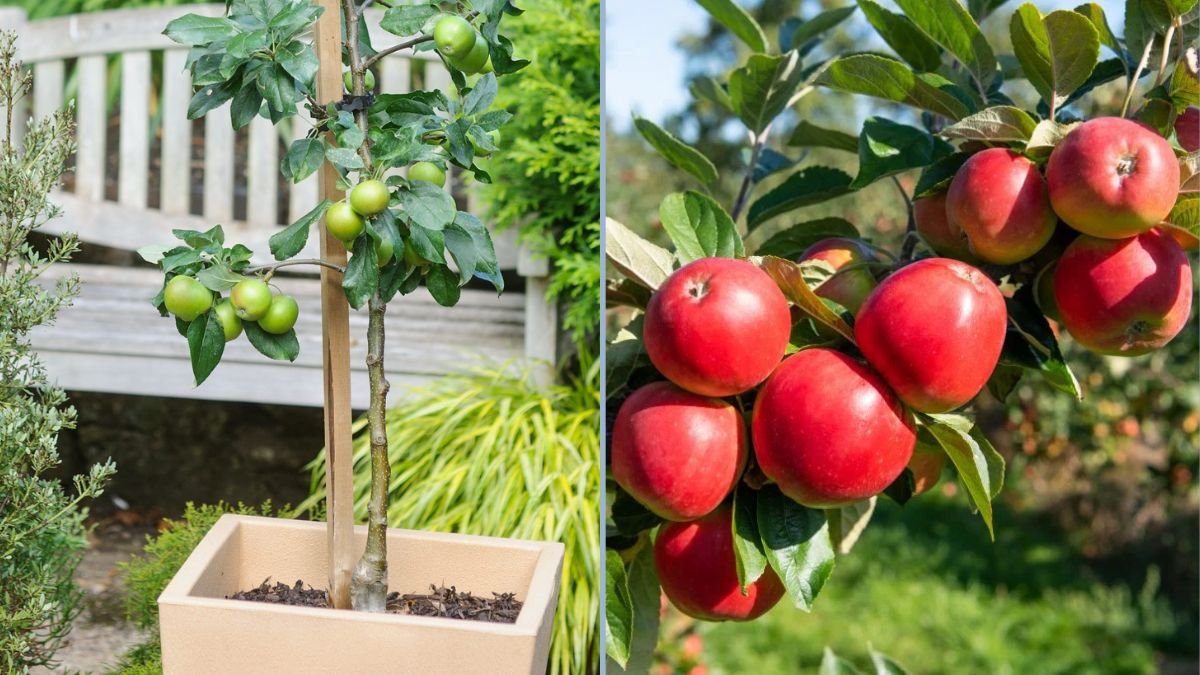
There’s something truly satisfying about stepping into your backyard and picking fresh, crisp apples straight from your own trees. Even if you have a small space, it’s entirely possible to start a micro orchard, a compact, manageable fruit garden designed for high productivity in a limited area. One of the best apple varieties for such a setup is the Gala apple — known for its sweet flavor, attractive red and yellow skin, and reliable harvest.
In this guide, we’ll explore how to start a backyard micro orchard with Gala apples, from selecting trees and preparing the site to planting, care, pruning, and harvesting. With careful planning, even a modest garden can become a productive apple haven.
Why Start a Micro Orchard?
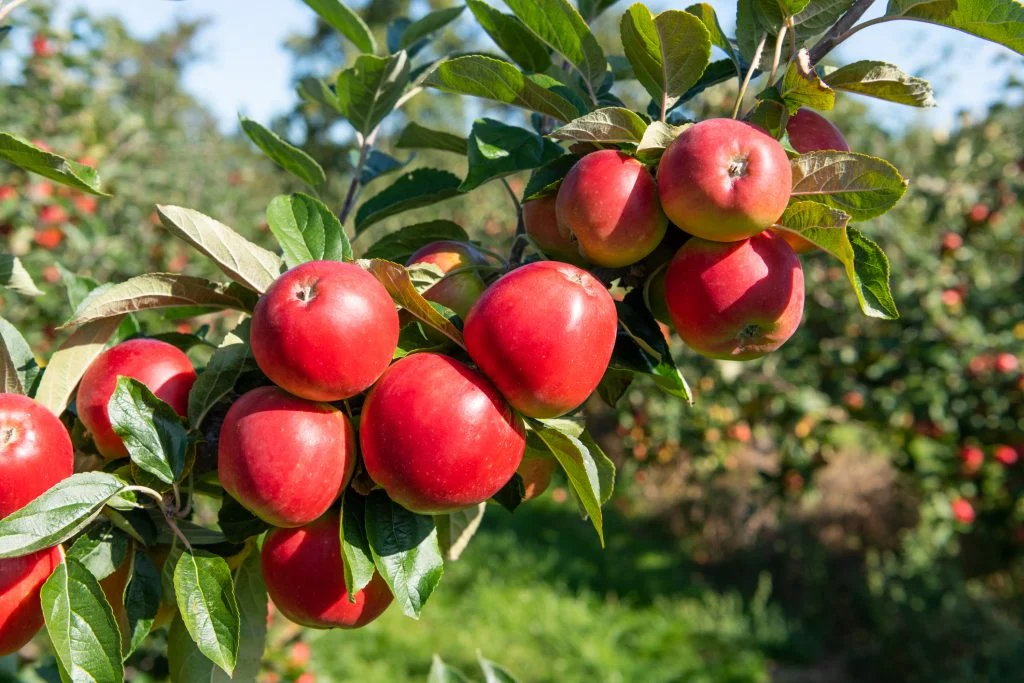
Micro orchards are ideal for home gardeners who want fresh fruit without the need for a large farm. Here are a few benefits:
- Freshness and Flavor: Enjoy apples that are at peak ripeness, far superior to store-bought produce.
- Control Over Chemicals: Grow apples organically with minimal pesticides.
- Educational and Fun: Great for families, teaching kids about plant growth, pollination, and harvesting.
- Space Efficiency: Even a small backyard can support a handful of carefully planted trees.
- Aesthetic Appeal: Apple trees add seasonal beauty with blossoms in spring and colorful fruit in fall.
Starting small also allows you to learn and refine your orchard management skills before expanding.
Why Choose Gala Apples?
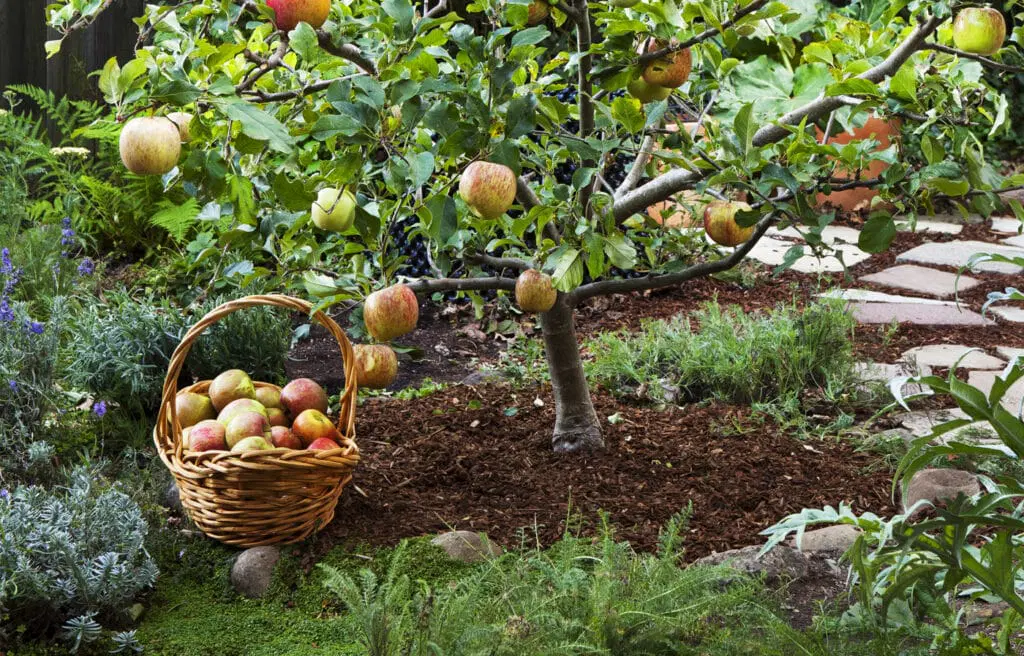
Gala apples are a top choice for micro orchards because they are:
- Sweet and Crisp: Perfect for fresh eating, snacks, and salads.
- Reliable Producers: Gala trees bear fruit relatively early, often within 2–3 years of planting.
- Adaptable: Suitable for container planting or small garden spaces.
- Disease Resistant: Moderately resistant to common apple diseases, making them easier for beginner growers.
Gala apples are also self-pollinating, though planting another compatible variety nearby can improve yield and fruit size.
Planning Your Backyard Micro Orchard
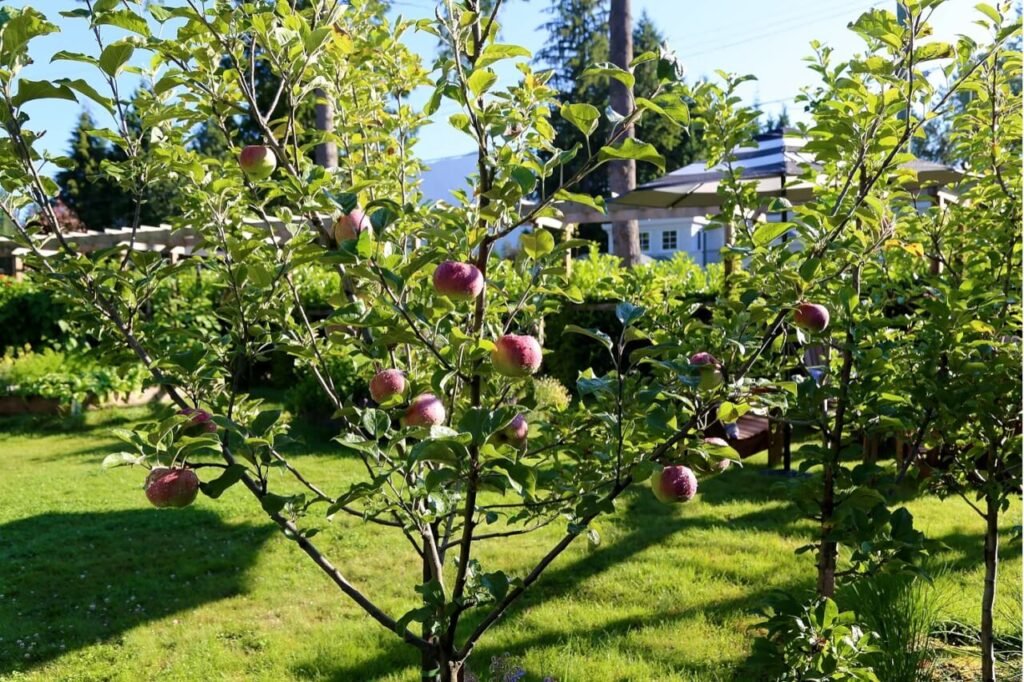
Before planting, it’s important to plan the layout, select the site, and prepare the soil.
1. Site Selection
- Choose a location with full sun, at least 6–8 hours of direct sunlight per day.
- Ensure good air circulation to reduce fungal diseases.
- Avoid low spots where cold air or water can settle, which may damage young trees.
2. Soil Preparation
- Gala apple trees prefer well-drained, loamy soil.
- Ideal soil pH: 6.0–7.0.
- Enrich soil with compost or well-rotted manure before planting.
3. Spacing Considerations
- Standard Gala apple trees: 15–20 feet apart.
- Dwarf or semi-dwarf varieties: 8–12 feet apart.
- Proper spacing ensures sunlight reaches all parts of the tree and makes maintenance easier.
Choosing Your Trees
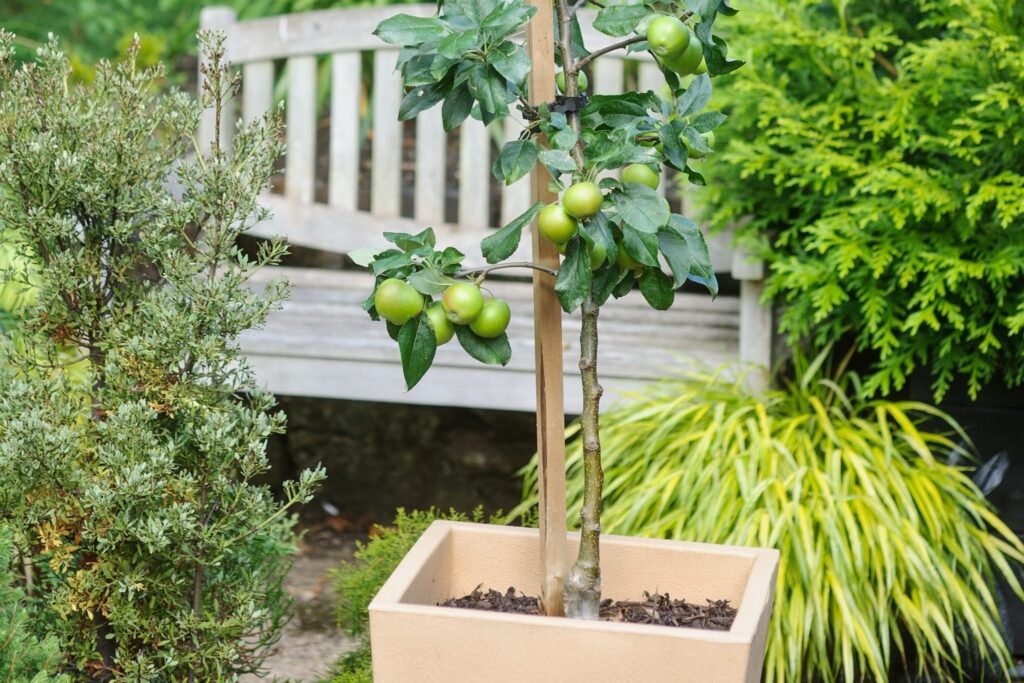
You can start your micro orchard with either bare-root trees or container-grown saplings.
1. Bare-Root Trees
- Sold during dormancy (late winter to early spring).
- More affordable and easy to plant if prepared correctly.
2. Container-Grown Trees
- Available year-round.
- Can be planted any time when the soil is workable.
- Slightly more expensive but reduce transplant shock and establish quickly.
Planting Your Gala Apple Trees
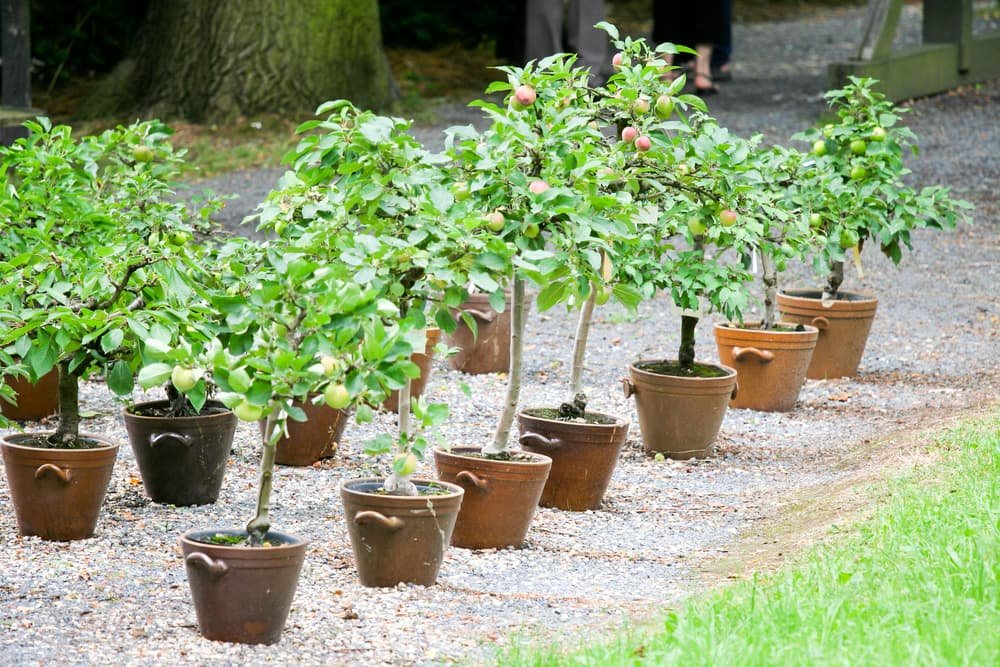
Proper planting ensures healthy roots, strong growth, and early fruiting.
Step 1: Digging the Hole
- Dig a hole twice as wide as the root system and slightly deeper than the roots.
- Mix native soil with compost or organic matter for fertility.
Step 2: Positioning the Tree
- Spread roots evenly in the hole.
- Ensure the graft union (bump above the roots) is slightly above soil level.
- Backfill with soil, firm gently to remove air pockets.
Step 3: Watering and Mulching
- Water thoroughly to settle the soil.
- Apply a 2–3 inch layer of mulch around the base, keeping it away from the trunk to prevent rot.
Step 4: Staking Young Trees
- Provide support with a stake for upright growth, especially in windy areas.
- Remove stakes after one year once the tree is established.
Watering Your Micro Orchard
Water is critical, especially in the first few years.
- Newly Planted Trees: Water 2–3 times per week.
- Established Trees: Deep watering once a week, more during dry or hot periods.
- Check soil moisture by inserting your finger 2–3 inches into the soil; water if dry.
- Mulching helps retain moisture and moderates soil temperature.
Fertilizing Gala Apples
Proper nutrition ensures healthy growth and high-quality fruit.
- First Year: Focus on root establishment; avoid heavy fertilization.
- Second Year Onward: Apply a balanced fertilizer (10–10–10 NPK) in early spring.
- Supplement with organic options such as compost tea or worm castings.
- Avoid excess nitrogen, which promotes leafy growth at the expense of flowers and fruit.
Pruning and Training
Pruning improves tree structure, light penetration, and fruit quality.
1. Dormant Pruning
- Conduct pruning in late winter before new growth begins.
- Remove dead, damaged, or crossing branches.
- Maintain a central leader or open center structure.
2. Summer Pruning
- Optional light pruning to remove excessive shoots.
- Helps focus energy on fruiting rather than leaf growth.
3. Benefits
- Promotes healthy branches capable of supporting fruit.
- Reduces disease risk through improved airflow.
- Encourages sunlight exposure for uniform fruit ripening.
Pollination Considerations
Although Gala apples are partially self-pollinating:
- Planting another compatible apple variety nearby improves fruit set and size.
- Pollinator options: Fuji, Honeycrisp, or Red Delicious.
- Encourage bees and other pollinators by planting flowers and avoiding pesticides during bloom.
Pest and Disease Management
Micro orchards can still be affected by pests and diseases. Regular monitoring and organic practices work best.
Common Pests
- Aphids
- Codling moth
- Spider mites
Common Diseases
- Apple scab
- Powdery mildew
- Fire blight
Preventative Measures
- Prune for airflow and sunlight exposure.
- Remove fallen leaves and fruit to prevent fungal buildup.
- Apply organic sprays like neem oil or insecticidal soap as needed.
Thinning Fruit for Quality
- Thin young apples to 1–2 per cluster.
- Proper thinning ensures larger, sweeter fruit and reduces branch stress.
- Even spacing allows sunlight and air to reach all fruit.
Harvesting Gala Apples
- Gala apples typically ripen from late summer to early fall, depending on local climate.
- Signs of readiness:
- Firm texture
- Bright red and yellow color
- Sweet aroma
- Easy detachment from branches
- Harvest carefully using scissors or gentle twisting to avoid damage.
- Enjoy fresh, use in desserts, or make homemade cider or preserves.
Maintaining Your Backyard Micro Orchard
- Regular Monitoring: Inspect trees for pests, diseases, and nutrient deficiencies.
- Mulch and Fertilize: Maintain soil fertility and moisture.
- Water Consistently: Especially important for young trees in hot weather.
- Prune Annually: Keeps trees healthy, productive, and aesthetically pleasing.
- Expand Gradually: Once comfortable managing a micro orchard, consider adding more varieties or fruit trees.
Conclusion
Starting a backyard micro orchard with Gala apples is a rewarding way to enjoy fresh, homegrown fruit in a limited space. By carefully planning your site, planting healthy saplings, managing sunlight, water, and nutrients, and practicing proper pruning and pest control, you can create a productive, vibrant orchard even in a small backyard.
Gala apples are perfect for micro orchards due to their early fruiting, sweet flavor, and adaptability. With patience and care, your home orchard will provide years of crisp, delicious apples, enhancing both your garden’s beauty and your family’s table.