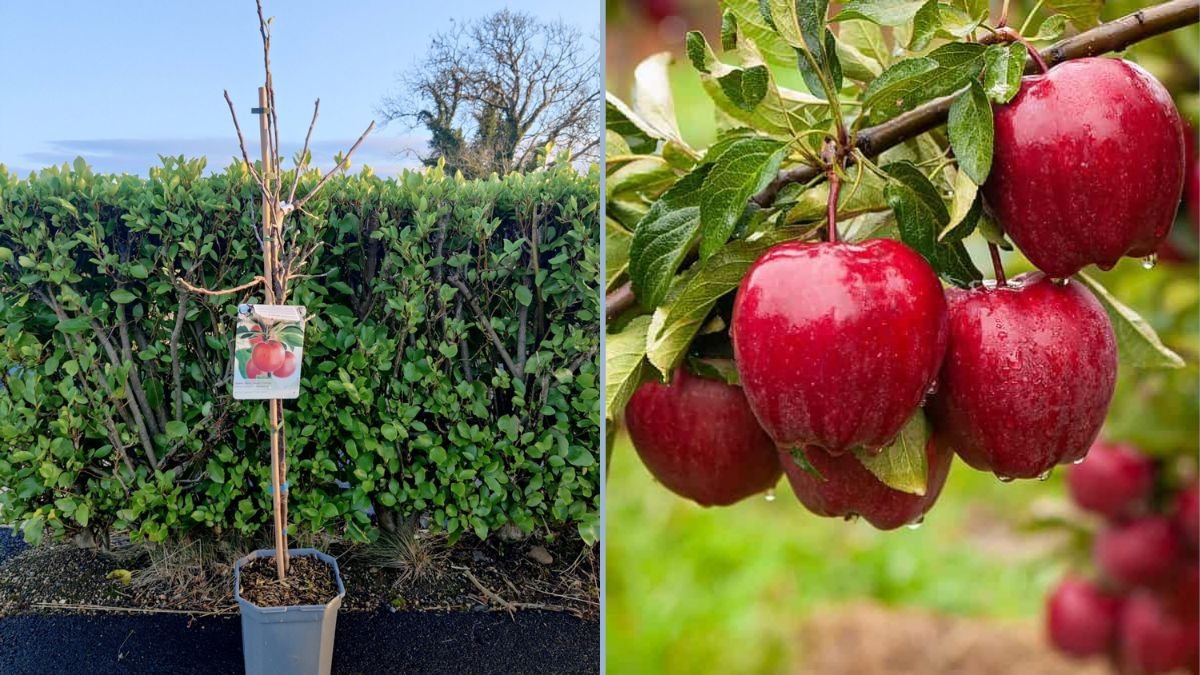
Planting your own Braeburn apple tree is one of the most rewarding experiences a home gardener can enjoy. With its sweet-tart flavor, crisp texture, and versatility in both eating fresh and baking, the Braeburn apple is a favorite among apple lovers worldwide. Growing a tree from a sapling allows you to enjoy homegrown apples, gain hands-on gardening experience, and create a beautiful addition to your backyard or small orchard.
In this guide, we’ll walk through everything you need to know about planting, caring for, and maintaining a Braeburn apple tree, ensuring healthy growth and delicious fruit for years to come.
Why Choose a Braeburn Apple Tree?
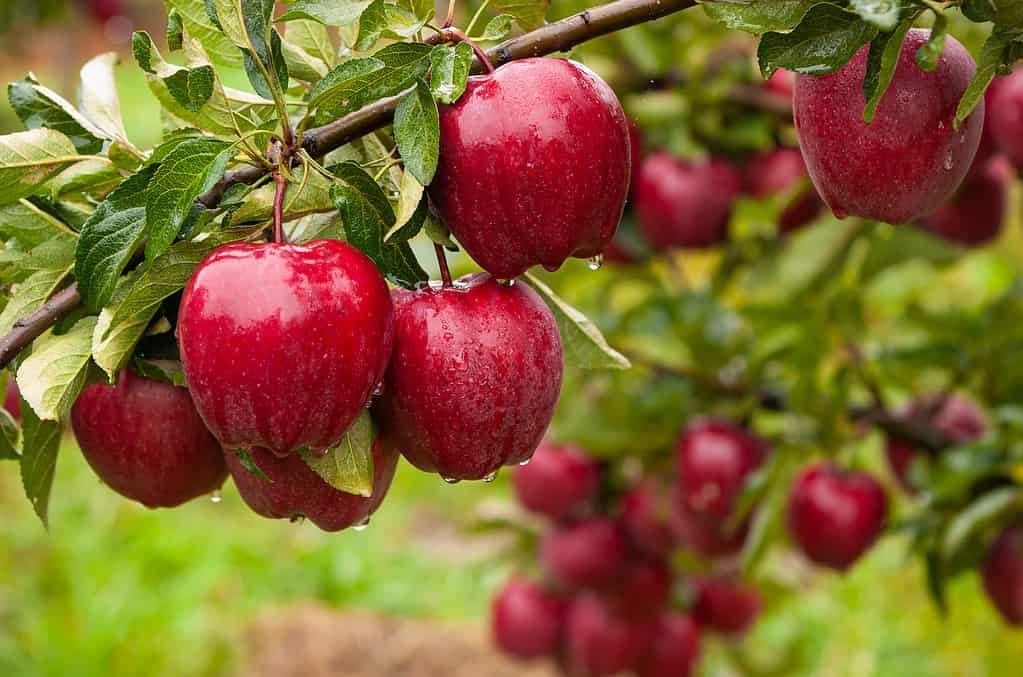
Braeburn apples are a popular variety for many reasons:
- Unique Flavor: Sweet and tart, ideal for fresh eating, salads, baking, and cider.
- Reliable Productivity: Braeburn trees bear fruit consistently and are moderately hardy.
- Versatile Growth: Suitable for both standard and dwarf rootstocks, making them adaptable for small gardens.
- Storage-Friendly: Braeburn apples store well, keeping their crispness and flavor for weeks.
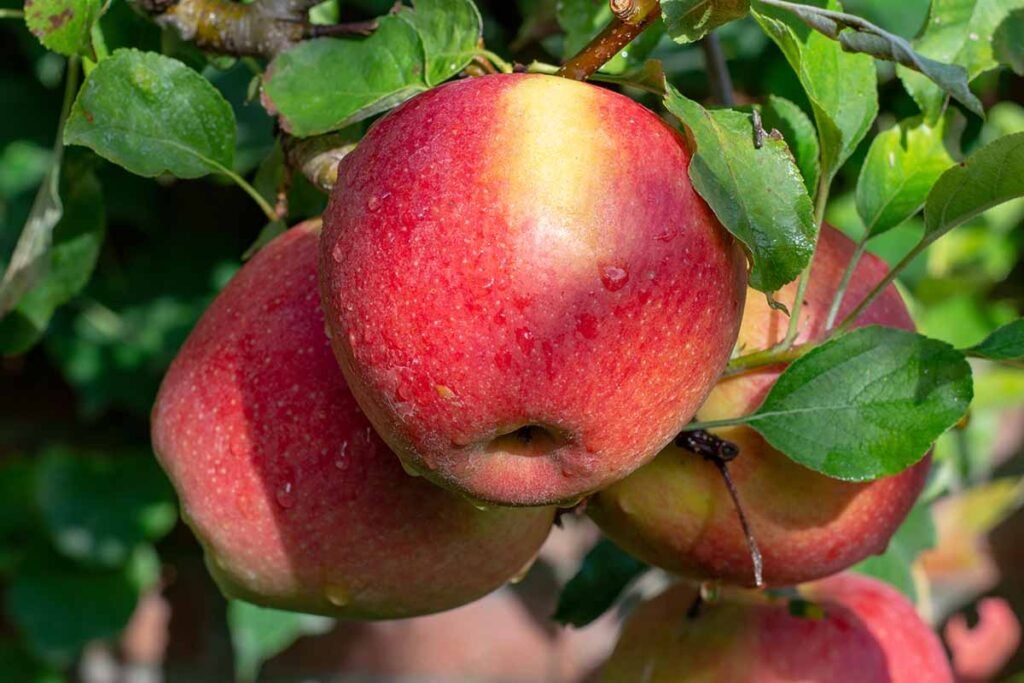
- Attractive Appearance: Bright red and green-striped fruit adds visual appeal to your backyard.
Whether you’re an experienced gardener or a beginner, Braeburn apple trees are a great choice for a productive and rewarding planting project.
Choosing the Right Braeburn Apple Tree
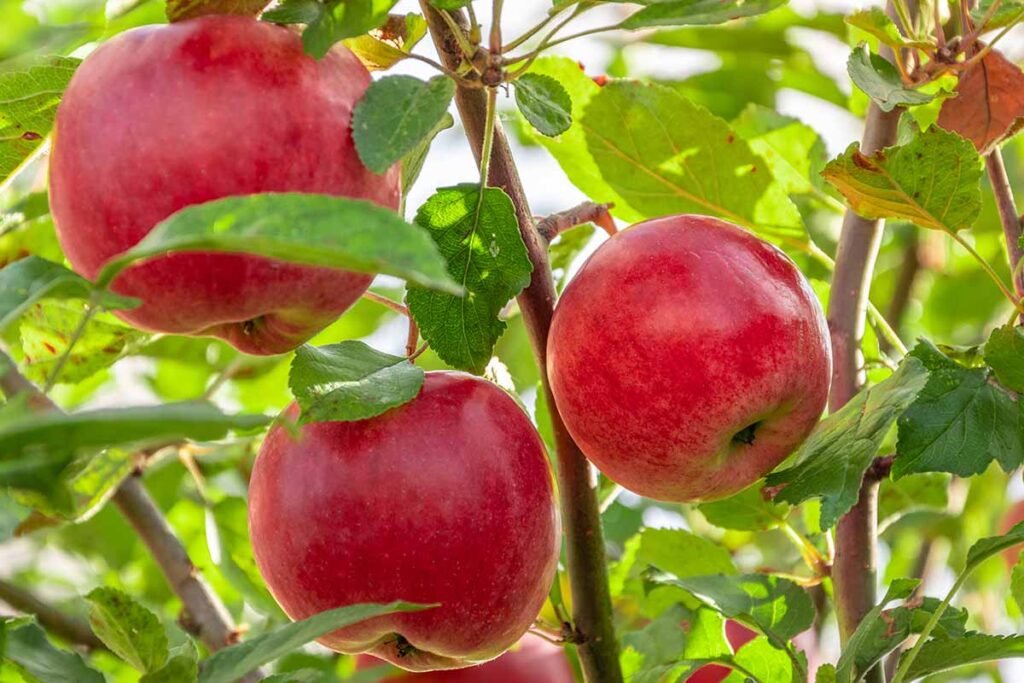
When selecting your Braeburn apple tree, consider the following factors:
1. Rootstock
The rootstock determines the tree’s size, vigor, and adaptability:
- Dwarf Rootstock: Grows 8–10 feet tall, ideal for patios, containers, or small gardens.
- Semi-Dwarf Rootstock: Grows 12–15 feet, suitable for compact backyard orchards.
- Standard Rootstock: Grows 18–25 feet, for larger spaces and maximum yield.
2. Tree Type
- Bare-Root Trees: Sold during dormancy (late winter to early spring), economical and easy to plant.
- Container-Grown Trees: Available year-round, reduce transplant shock, and establish quickly.
3. Pollination Needs
Braeburn apple trees are partially self-fertile, but planting another compatible apple variety nearby (e.g., Gala, Fuji, or Honeycrisp) improves fruit set and size. Bees and other pollinators are essential for fertilization.
Selecting the Perfect Planting Site
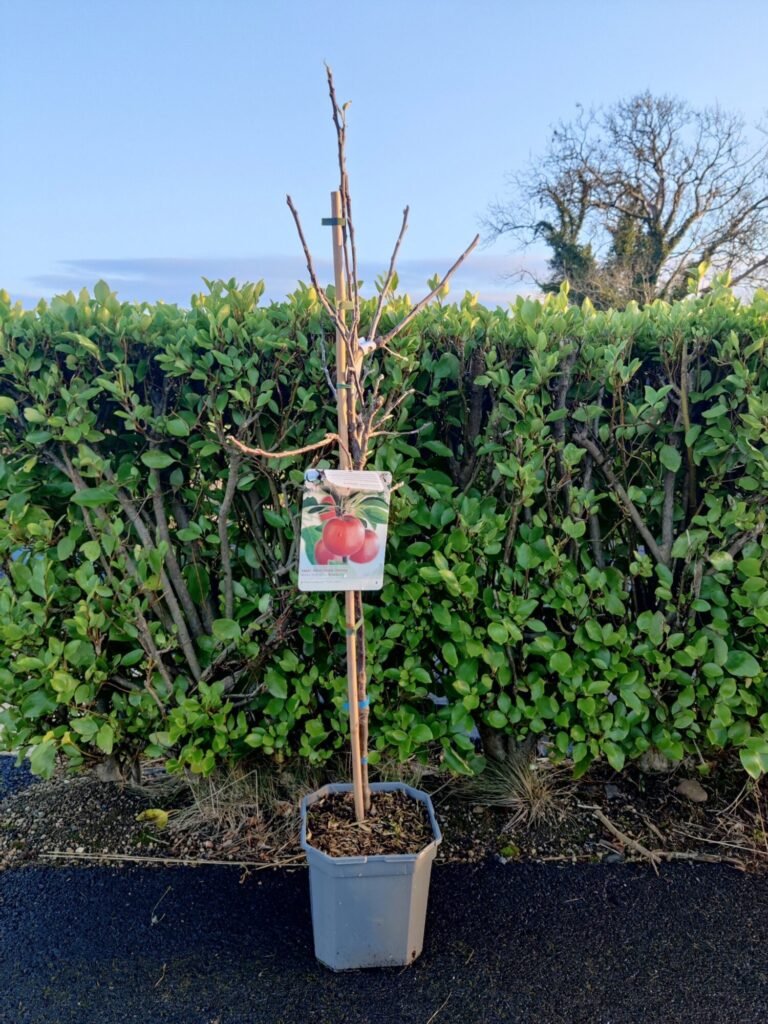
The right site ensures your Braeburn apple tree thrives and produces sweet, healthy fruit.
1. Sunlight
- Requires 6–8 hours of direct sunlight daily for optimal growth and fruit development.
- Sunlight enhances sugar content, color, and overall flavor of the apples.
2. Soil
- Well-draining, loamy soil is ideal.
- Soil pH: 6.0–7.0.
- Incorporate compost or well-rotted manure to improve fertility and drainage.
3. Air Circulation
- Plant in an open area to reduce fungal diseases such as apple scab or powdery mildew.
- Avoid low-lying areas where frost or water can settle, which may damage young trees.
4. Space Considerations
- Standard trees: 18–25 feet apart.
- Semi-dwarf: 12–15 feet apart.
- Dwarf: 8–10 feet apart.
Proper spacing ensures sunlight reaches all branches and simplifies pruning and harvesting.
Planting Your Braeburn Apple Tree
Planting is a critical step that sets the foundation for healthy growth and productive fruiting.
Step 1: Preparing the Planting Hole
- Dig a hole twice the width of the root ball and slightly deeper than the roots.
- Loosen the soil at the bottom to encourage root penetration.
Step 2: Positioning the Tree
- Place the tree in the hole with the graft union a few inches above soil level.
- Spread roots evenly and backfill with a mixture of native soil and compost.
- Firm the soil gently to eliminate air pockets.
Step 3: Watering and Mulching
- Water thoroughly to help settle the roots.
- Apply a 2–3 inch layer of mulch around the base to retain moisture and suppress weeds.
- Keep mulch a few inches away from the trunk to prevent rot and pest infestation.
Step 4: Staking the Tree
- Young Braeburn trees may need a stake to remain upright, especially in windy areas.
- Remove stakes after one growing season when the trunk has strengthened.
Caring for Your Braeburn Apple Tree
Once planted, your tree will need consistent care to ensure healthy growth and fruit production.
1. Watering
- Young trees: Water 2–3 times per week to establish roots.
- Mature trees: Deep watering once or twice a week, more frequently in hot or dry periods.
- Mulching helps retain moisture and stabilize soil temperature.
2. Fertilizing
- First-year trees: Focus on root development with light organic fertilizer.
- Second year onward: Apply balanced fertilizer (10–10–10 NPK) in early spring.
- Avoid excess nitrogen, which promotes leafy growth instead of flowers and fruit.
3. Pruning
Pruning is crucial for shaping the tree, improving air circulation, and encouraging fruiting.
Dormant Pruning
- Conduct in late winter before new growth.
- Remove dead, damaged, or crossing branches.
- Maintain a central leader or open-center structure.
Summer Pruning
- Optional light pruning to remove overly vigorous shoots.
- Focus the tree’s energy on fruit development.
4. Pest and Disease Management
Even backyard trees need monitoring. Common issues include:
- Pests: Aphids, spider mites, codling moth.
- Diseases: Apple scab, powdery mildew, fire blight.
Prevention Tips:
- Prune for airflow and sunlight penetration.
- Remove fallen leaves and fruit.
- Use organic sprays like neem oil if needed.
Pollination and Flowering
Braeburn apples produce white to pink blossoms in spring, which attract bees and other pollinators.
- Plant a compatible apple variety nearby for cross-pollination.
- Flowering timing is crucial: avoid pesticides during bloom to protect pollinators.
- Proper pollination increases fruit yield, size, and quality.
Thinning Fruit for Better Quality
- Thin young fruit clusters to 1–2 apples per cluster.
- Prevents overcrowding, reduces branch stress, and ensures larger, sweeter apples.
- Allows sunlight to reach all fruit for uniform ripening.
Harvesting Braeburn Apples
- Typically, apples are ready for harvest in late September to October, depending on climate.
- Signs of ripeness:
- Firm but slightly yielding
- Red and green skin with a bright sheen
- Sweet-tart aroma
- Easy separation from the branch
- Harvest carefully using scissors or gently twist the apple to avoid damaging branches.
- Enjoy fresh, bake into pies, or store in a cool, dry place for later use.
Container Growing Braeburn Apple Trees
Dwarf and semi-dwarf Braeburn apple trees can thrive in large containers, ideal for patios, terraces, or small gardens.
Container Tips
- Use pots 18–24 inches in diameter with drainage holes.
- Fill with nutrient-rich potting soil mixed with compost and perlite.
- Water more frequently than ground-planted trees, as containers dry out faster.
- Fertilize regularly and prune to maintain size and encourage fruiting.
Additional Tips for Success
- Monitor Growth: Check regularly for pests, diseases, and nutrient deficiencies.
- Mulch Annually: Conserves moisture and stabilizes soil temperature.
- Support Young Trees: Stake to prevent wind damage.
- Practice Patience: Apples take time to mature; expect fruit within 2–4 years for dwarf or semi-dwarf trees.
- Enjoy the Process: Gardening is about nurturing growth, and Braeburn trees reward your care with beauty and delicious fruit.
Conclusion
Planting a Braeburn apple tree is a rewarding and educational gardening experience. By selecting a healthy sapling, choosing the right site, providing proper watering, fertilization, and pruning, and monitoring for pests and diseases, you can enjoy sweet, crisp apples right from your backyard.
Whether planted in the ground or in a container, a Braeburn apple tree adds beauty, fragrance, and delicious fruit to small spaces, making it an excellent choice for beginners and experienced gardeners alike. With patience, care, and attention, your Braeburn apple tree will flourish, offering years of fresh, homegrown apples for you and your family to enjoy.