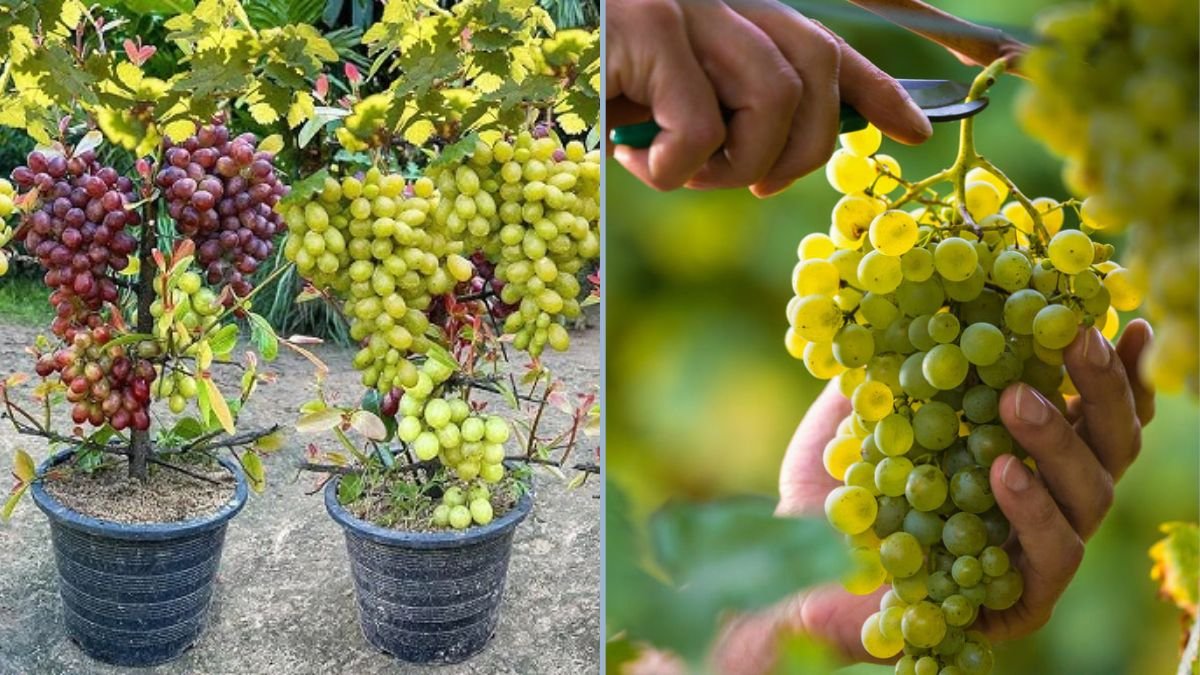
There’s a special satisfaction in harvesting fruit you’ve nurtured yourself, and grapevines are among the most rewarding plants to grow at home. With their cascading vines, lush green leaves, and clusters of juicy grapes, they are both decorative and delicious.
If you’re looking to plant grapevines at home, two popular varieties — King Ruby and Sultania Seedless grapes — are excellent choices. Both are known for their sweet flavor, productivity, and adaptability to home gardens. This guide will take you through everything you need to know about selecting, planting, caring for, and harvesting these grapes in your backyard or kitchen garden.
Why Grow Grapevines at Home?
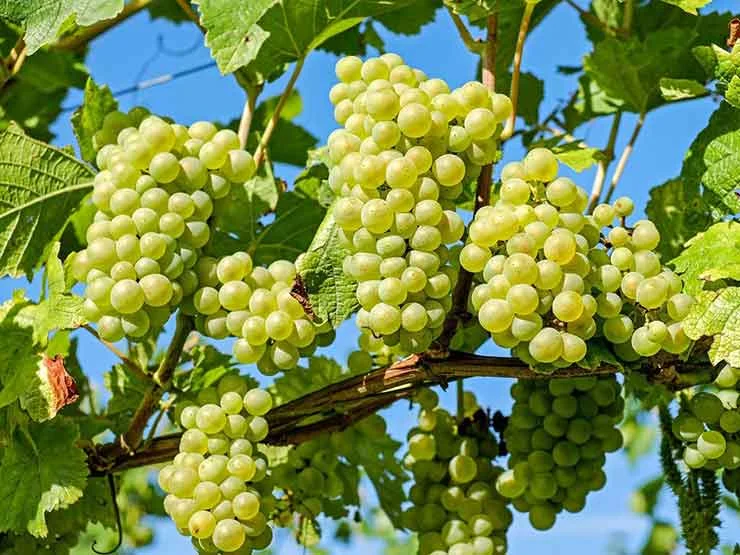
Growing grapes at home is more than just a gardening project — it’s an investment in fresh, organic fruit, and it brings multiple benefits:
- Freshness and Flavor: Nothing compares to biting into grapes harvested directly from your garden.
- Health Benefits: Grapes are rich in antioxidants, vitamins, and minerals that support overall health.
- Space Efficiency: Grapevines grow vertically, making them perfect for trellises, fences, or pergolas, even in small gardens.
- Sustainable Living: Growing your own fruit reduces reliance on store-bought produce, often laden with pesticides.
- Decorative Value: Grapevines add aesthetic charm to patios, pergolas, and garden walls, creating a natural canopy and shade.
Introducing King Ruby and Sultania Seedless Grapes
Before planting, it’s important to understand the characteristics of these two popular varieties:
1. King Ruby Grapes
- Color and Flavor: Deep red to ruby-colored grapes with a rich, sweet flavor.
- Size: Medium to large berries, suitable for fresh eating and juice.
- Climate Adaptability: Thrives in warm to moderate climates with good sunlight.
- Usage: Fresh fruit, jams, and preserves.
2. Sultania Seedless Grapes
- Color and Flavor: Light green to golden grapes with a crisp, sweet taste.
- Seedless Advantage: Perfect for snacking, salads, and kid-friendly fruit.
- Growth Habit: Vigorous vine with high fruiting potential.
- Usage: Fresh consumption, juice, and raisins.
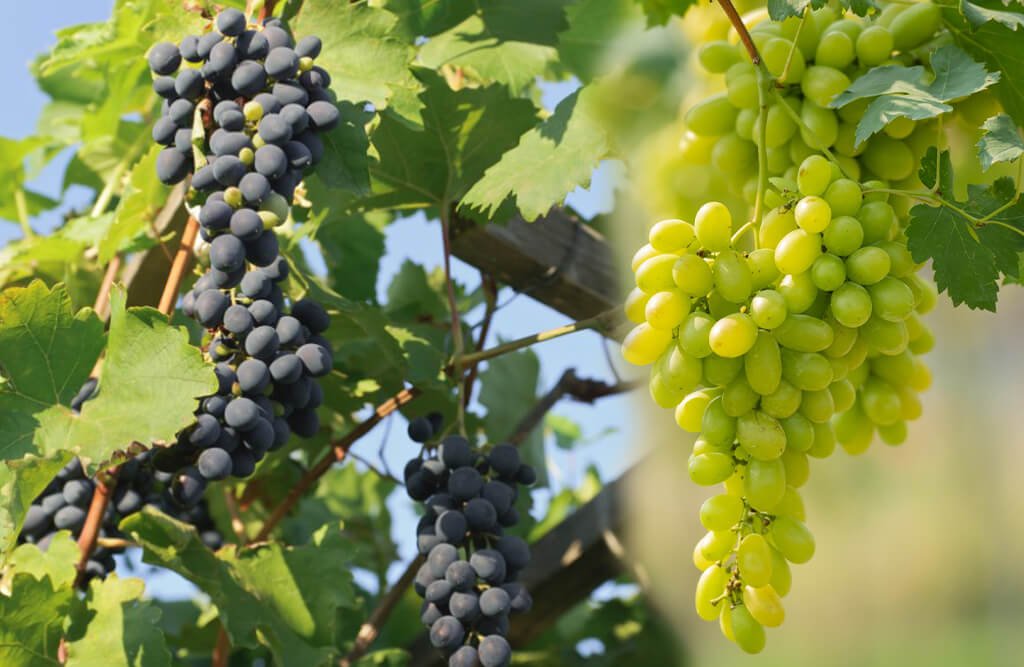
Choosing the right variety depends on your climate, garden space, and preferred use. Many gardeners plant both varieties to enjoy a combination of colors, flavors, and harvest times.
Preparing Your Home Garden for Grapevines
1. Selecting the Right Location
Grapevines need full sun — at least 6–8 hours of direct sunlight daily. The location should also have good air circulation, which helps prevent fungal diseases and promotes healthy growth.
2. Soil Requirements
- Grapes thrive in well-drained, fertile soil with a pH of 5.5 to 7.0.
- Avoid heavy clay soils or areas prone to waterlogging.
- Enrich the soil with organic compost, vermicompost, or well-rotted manure before planting.
3. Support Structure
Grapevines are climbers and need a trellis, pergola, or wire support. Proper support encourages vertical growth, ensures better sunlight exposure, and makes harvesting easier.
Planting King Ruby and Sultania Grapevines
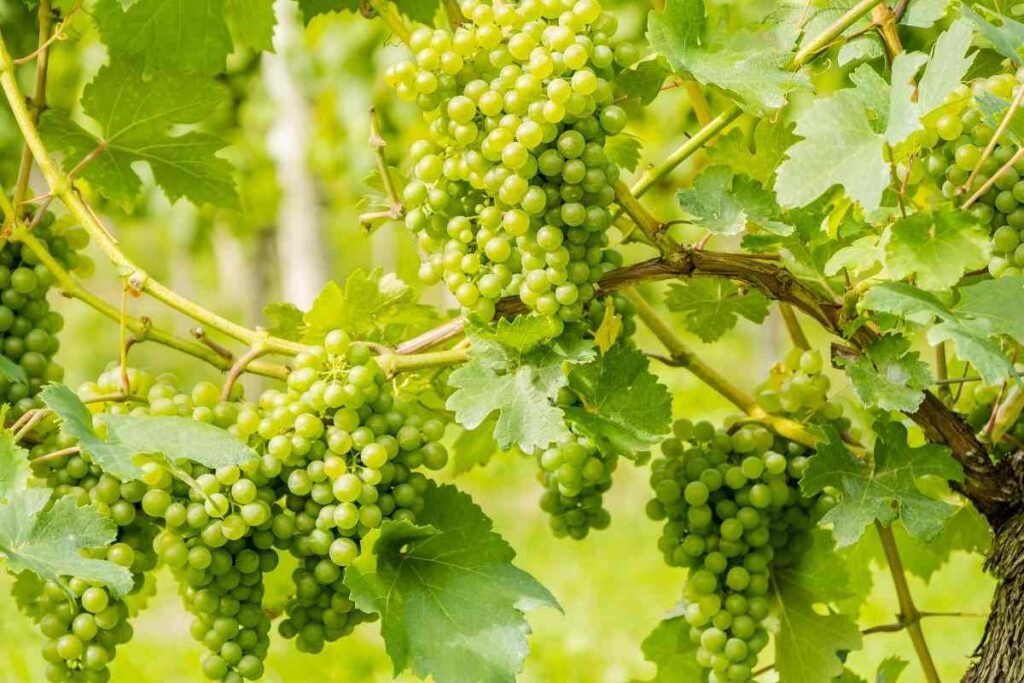
Propagation can be done using nursery-bought saplings or hardwood cuttings. Here’s a step-by-step guide for successful planting:
Step 1: Preparing the Planting Hole
- Dig a hole about 12–18 inches deep and wide enough for roots.
- Mix native soil with compost to improve fertility and drainage.
Step 2: Planting the Vine
- Gently remove the vine from the container or unwrap the cutting.
- Spread the roots evenly in the hole.
- Place the vine so that the crown (where roots meet stem) is slightly above soil level.
- Backfill with soil and press gently to remove air pockets.
- Water thoroughly to help roots settle.
Step 3: Initial Support
Insert a bamboo stake or small trellis at planting time. Tie the main stem loosely to guide upward growth.
Watering and Fertilization
Watering Tips
- Water newly planted vines 2–3 times a week to establish roots.
- Mature vines require deep watering once a week, particularly during flowering and fruit formation.
- Avoid overwatering — grapes prefer slightly dry conditions to produce sweeter fruit.
Organic Fertilization
- Compost or Vermicompost: Boosts soil fertility and microbial activity.
- Cow Dung or Manure: Provides essential nitrogen, phosphorus, and potassium.
- Organic Foliar Feed: Liquid compost or diluted neem extracts can promote growth and pest resistance.
Regular organic feeding ensures healthy, chemical-free grapes that are safe for home consumption.
Pruning and Training Your Grapevines
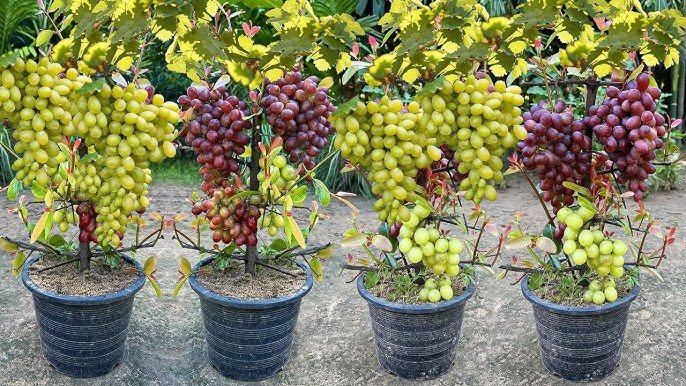
Pruning is essential for healthy growth, fruit quality, and long-term productivity.
Training Your Vine
- Train the main trunk vertically on the trellis or stake.
- Allow lateral branches to grow horizontally for fruiting.
Pruning Guidelines
- Conduct pruning in late winter or early spring, while the vine is dormant.
- Remove weak, diseased, or tangled shoots.
- Retain 3–5 strong canes on each vine for fruit production.
- Proper pruning improves air circulation, sunlight exposure, and sugar concentration in grapes.
Flowering and Fruit Set
Grapevines flower in spring, producing small green clusters that develop into grape bunches. Both King Ruby and Sultania grapes are self-pollinating, though bees and wind help improve fruit set.
During this stage, maintain consistent watering and organic feeding to support cluster formation. Avoid spraying chemicals, as pollinators are active at this time.
Pest and Disease Management
Grapevines are susceptible to common pests and fungal infections, especially in humid regions.
Common Problems
- Aphids or Mealybugs: Can damage young leaves and shoots.
- Powdery Mildew: White, powdery coating on leaves and clusters.
- Fruit Cracking: Caused by uneven watering or sudden rain after dry spells.
Organic Solutions
- Spray neem oil or garlic-chili extract to control pests.
- Prune for air circulation to reduce fungal issues.
- Apply mulch around the base to maintain soil moisture and prevent disease.
With preventive care and organic practices, most grapevine problems can be managed effectively.
Harvesting King Ruby and Sultania Grapes
The reward for your care is ripe, sweet grapes in late summer or early fall. Harvesting requires attention to timing:
Signs of Ripeness
- King Ruby: Deep red, glossy clusters with sweet taste.
- Sultania: Light green to golden, firm and sweet.
- Easy detachment from the vine indicates maturity.
Harvesting Tips
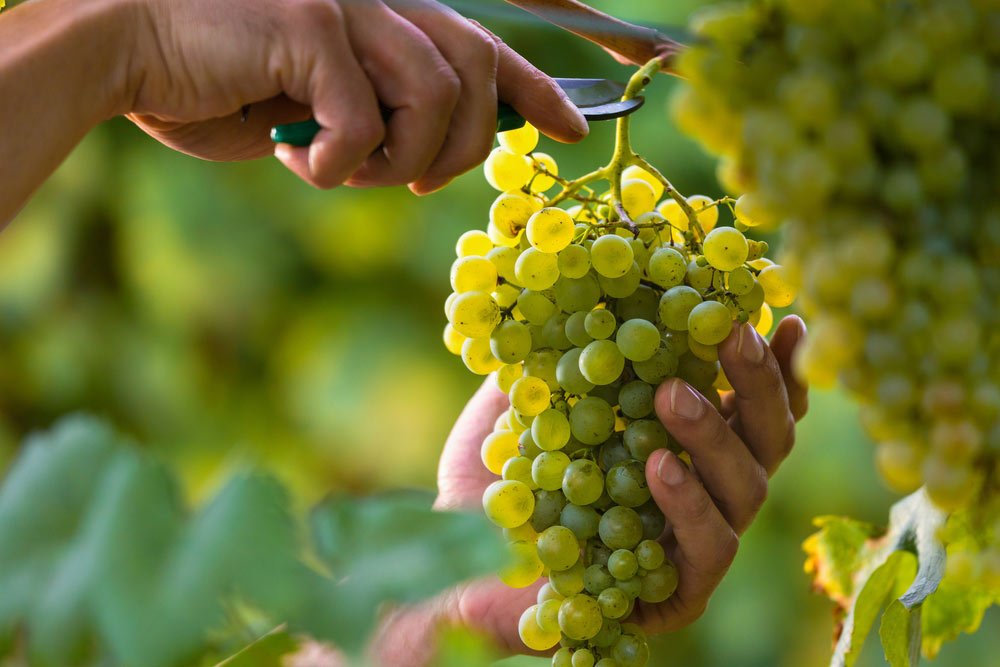
- Use scissors or pruning shears to cut clusters gently.
- Harvest gradually, as not all grapes ripen simultaneously.
- Enjoy fresh, or process into juice, jams, or homemade raisins.
Additional Tips for a Thriving Kitchen Garden Vineyard
- Mulching: Conserves moisture and regulates soil temperature.
- Sunlight: Ensure full sun exposure to improve sugar content.
- Regular Inspection: Monitor for pests, diseases, and nutrient deficiencies.
- Companion Planting: Marigold, basil, or mint can help repel pests naturally.
- Consistency: Regular watering, pruning, and feeding lead to maximum yield.
Conclusion
Planting homegrown grapevines like King Ruby and Sultania Seedless grapes transforms your garden into a productive, vibrant space. From preparing the soil and planting cuttings to organic care, pruning, and harvesting, every step brings you closer to enjoying sweet, chemical-free grapes.
These varieties are perfect for both beginners and experienced gardeners. With patience and proper care, your kitchen garden can yield abundant clusters of red and green grapes, delighting your family and friends while enhancing your garden’s beauty.
Start your grapevine journey today, and experience the joy of fresh, homegrown grapes — a healthy, sustainable, and rewarding addition to any kitchen garden.