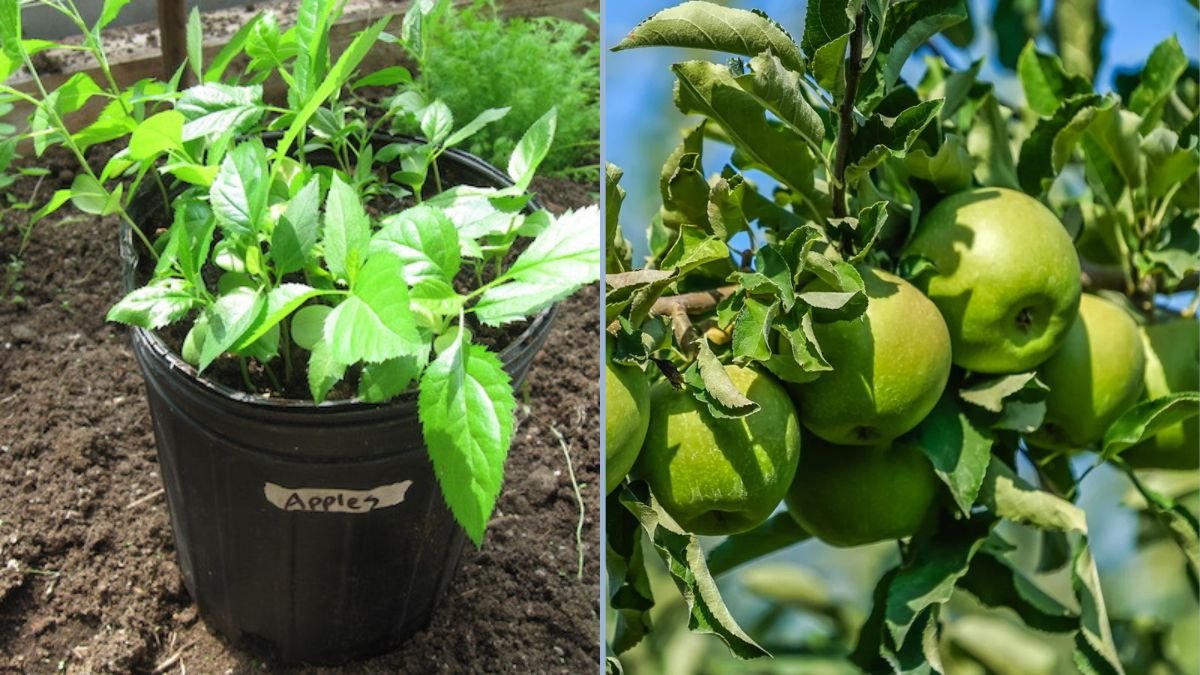
There’s something magical about growing fruit trees from seed — the sense of nurturing a tiny seed into a fully-grown apple tree capable of producing crisp, tangy Granny Smith apples. While many gardeners purchase young apple saplings from nurseries, starting your own tree from seed is both an educational and rewarding experience.
In this guide, we’ll explore everything you need to know about planting Granny Smith apple seeds, preparing them for germination, caring for seedlings, and eventually transplanting them into your backyard or garden. Whether you’re experimenting for fun or planning a future home orchard, growing apple trees from seeds can be a fascinating journey.
Why Grow Granny Smith Apples From Seed?
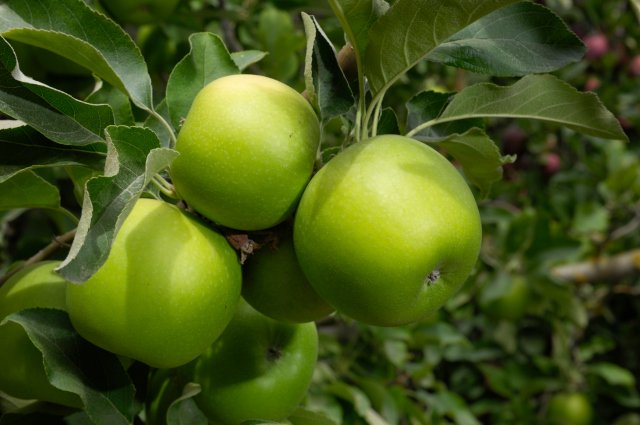
Granny Smith apples are celebrated for their tart, crisp flavor, and bright green color, making them ideal for eating fresh, baking, or making cider. Growing them from seed offers several benefits:
- Educational Value: Learn about germination, plant growth, and fruit tree development.
- Cost-Effective: Seeds are far cheaper than nursery saplings.
- Satisfaction: Watching a tree grow from seed to fruiting is immensely rewarding.
- Genetic Diversity: Seeds can produce unique trees with interesting characteristics, adding variety to your garden.
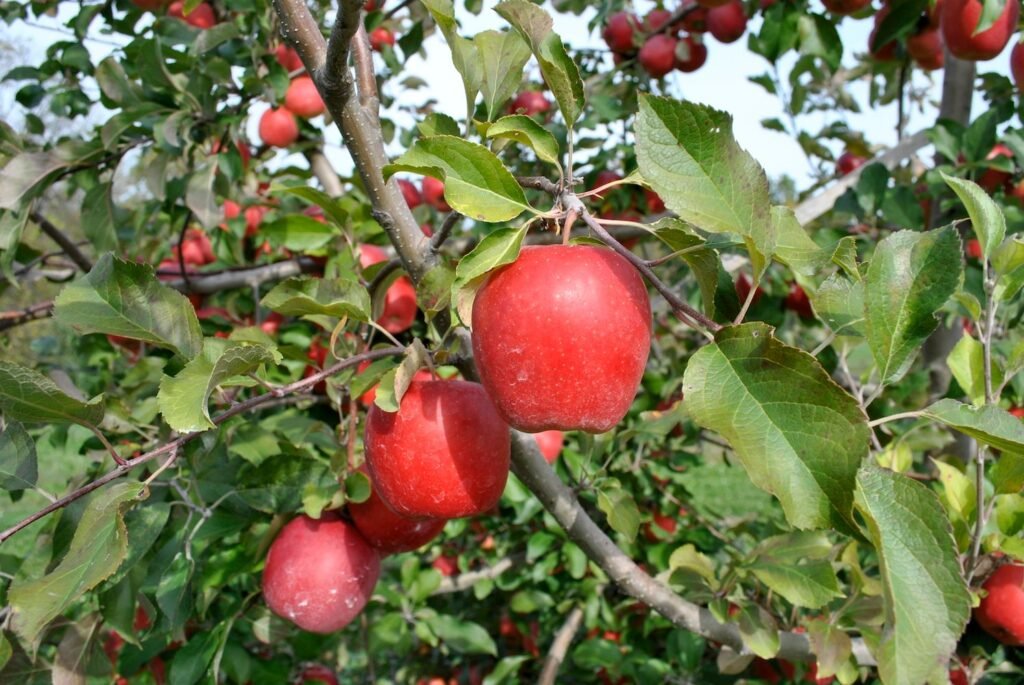
However, it’s important to remember that seed-grown trees may not produce apples identical to the parent Granny Smith, since apple seeds don’t breed true. Still, the experience is invaluable for understanding fruit tree growth.
Preparing Granny Smith Apple Seeds for Planting
Proper preparation of seeds increases the chances of successful germination.
1. Extracting Seeds
- Remove seeds from a ripe Granny Smith apple.
- Rinse them thoroughly to remove pulp, which can inhibit germination.
2. Drying
- Pat seeds dry with a paper towel.
- Let them air-dry for a day or two in a cool, dry area.
3. Stratification
Apple seeds require cold stratification to mimic winter conditions and trigger germination.
- Place seeds in a damp paper towel or sand.
- Seal them in a plastic bag and refrigerate at 33–40°F (0.5–4°C) for 6–8 weeks.
- Check periodically to ensure seeds remain moist and mold-free.
Stratification simulates natural dormancy, ensuring the seeds are ready to sprout when planted.
Planting Granny Smith Apple Seeds
Once stratification is complete, your seeds are ready to plant.
1. Choosing a Container
- Use seed trays, small pots, or cups with drainage holes.
- Fill with a well-draining seed-starting mix or a blend of peat moss and perlite.
2. Sowing Seeds
- Plant seeds about 1/2 inch deep in the soil.
- Space multiple seeds apart to allow room for growth.
- Lightly water the soil to settle seeds in place.
3. Sunlight and Temperature
- Place pots in a warm, sunny location with indirect light.
- Maintain soil temperature around 65–75°F (18–24°C) for optimal germination.
Caring for Apple Seedlings
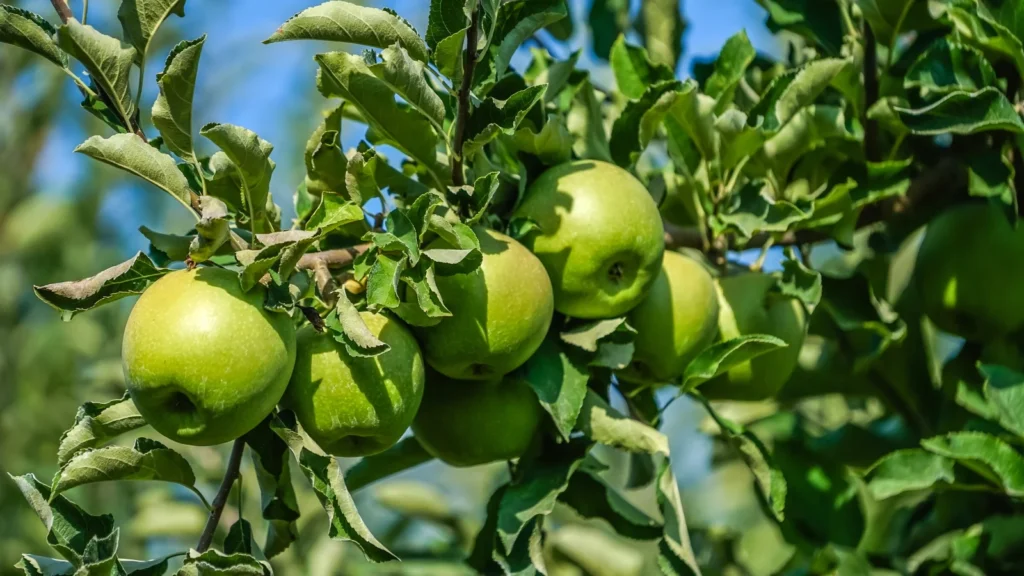
Seedlings require careful attention to develop into strong, healthy trees.
1. Watering
- Keep the soil consistently moist but not waterlogged.
- Avoid letting the soil dry out completely, which can stress young seedlings.
2. Light
- Once seedlings emerge, ensure 12–16 hours of sunlight or grow light exposure daily.
- Rotate containers to prevent seedlings from leaning toward the light source.
3. Thinning
- If multiple seeds germinate in the same pot, thin to the strongest seedling to reduce competition.
4. Fertilization
- After seedlings develop their first true leaves, apply a diluted, balanced liquid fertilizer every 2–3 weeks.
- Avoid over-fertilizing, which can damage tender roots.
Transplanting Seedlings Into Larger Pots
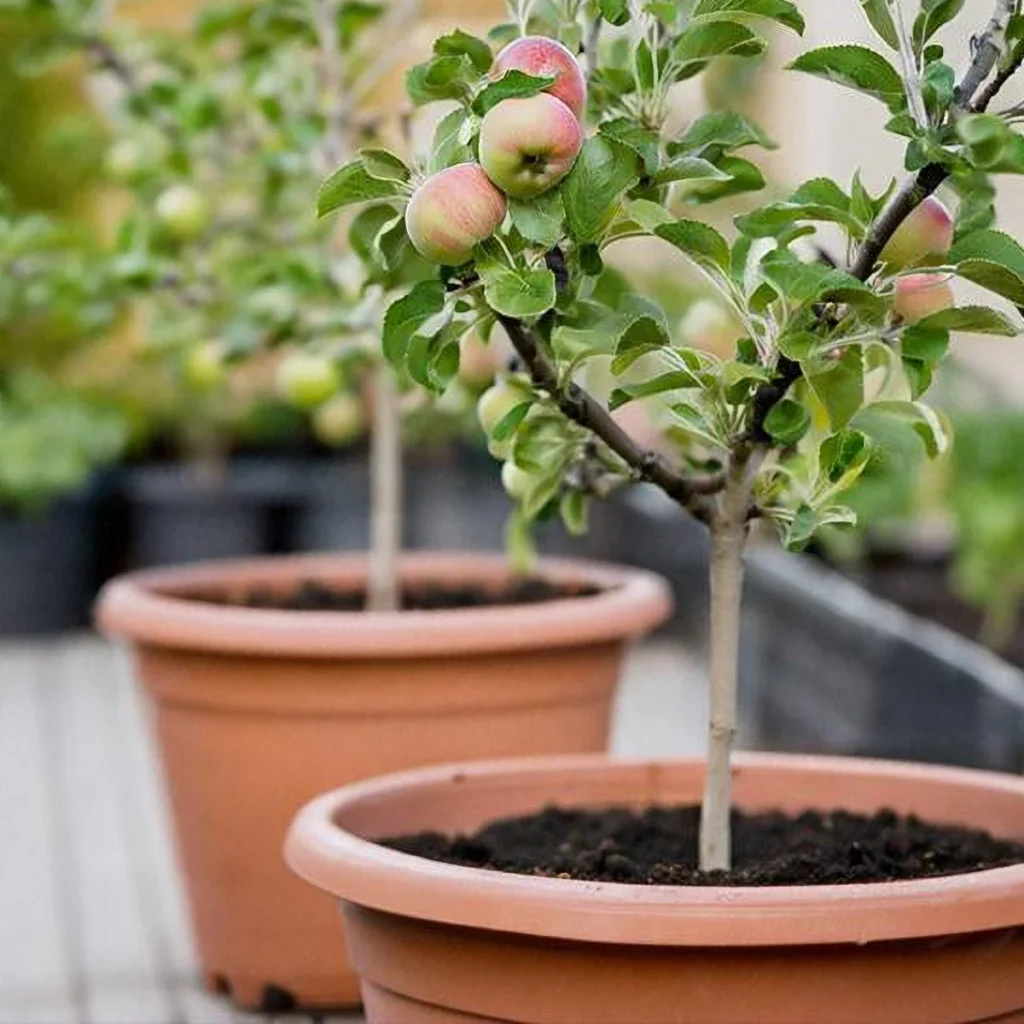
As seedlings grow, they need more space for root development.
1. Pot Selection
- Use pots 6–10 inches in diameter for the first transplant.
- Ensure good drainage to prevent root rot.
2. Soil Mix
- Use a nutrient-rich potting mix or a combination of garden soil, compost, and perlite.
- Avoid heavy clay soils that retain water.
3. Transplanting Tips
- Gently remove seedlings from their original container.
- Keep roots intact and plant at the same depth as before.
- Water thoroughly after transplanting and place in partial shade for a few days to reduce transplant shock.
Caring for Young Apple Trees
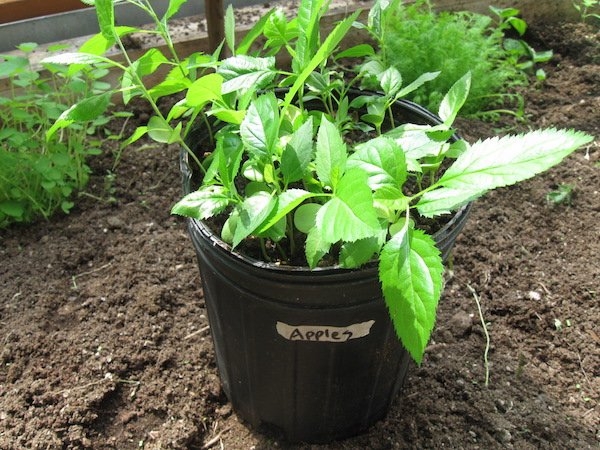
Once seedlings have established in larger pots, they need ongoing care to thrive.
1. Sunlight
- Young apple trees need 6–8 hours of direct sunlight daily for photosynthesis and healthy growth.
2. Watering
- Water deeply once or twice a week, adjusting for temperature and humidity.
- Mulch can help retain moisture and regulate soil temperature.
3. Fertilization
- Use a balanced fertilizer or compost in early spring and mid-summer.
- Avoid excessive nitrogen, which can promote leafy growth over root and fruit development.
4. Pruning
- Prune damaged or weak branches to promote a strong structure.
- Open-center pruning helps sunlight reach inner branches, encouraging healthy growth.
Transplanting Seedlings to the Garden
After 1–2 years, seedlings may be ready for planting in the ground.
1. Site Selection
- Choose a sunny location with well-draining soil.
- Space trees 12–15 feet apart for dwarf or semi-dwarf varieties, and 20 feet apart for standard trees.
2. Planting Procedure
- Dig a hole twice the width of the root ball.
- Backfill with native soil mixed with compost.
- Water thoroughly after planting.
- Apply mulch to conserve moisture and suppress weeds.
3. Staking
- Young trees may need stakes to support growth in windy areas.
- Remove stakes after one growing season when the trunk is strong.
Pollination Considerations
Granny Smith apples are partially self-incompatible, meaning they often require another apple variety nearby for cross-pollination.
- Good pollinators include Fuji, Gala, or Honeycrisp apples.
- Flowering occurs in spring, attracting bees that help fertilize flowers and set fruit.
Ensuring proper pollination increases fruit yield and quality.
Pest and Disease Management
Seedlings and young apple trees are vulnerable to pests and diseases. Regular monitoring is key.
Common Pests
- Aphids
- Spider mites
- Codling moth
Common Diseases
- Apple scab
- Powdery mildew
- Fire blight
Prevention Tips
- Maintain open space between trees for airflow.
- Remove fallen leaves and debris to reduce disease risk.
- Use organic sprays such as neem oil or horticultural soap if necessary.
Patience: Time to Fruit
One important aspect of growing apple trees from seed is patience.
- Seed-grown trees often take 6–10 years to produce fruit.
- Trees may vary in size, shape, and flavor compared to the parent Granny Smith.
- Grafting onto a mature rootstock can speed up fruiting and provide more predictable results.
Despite the long wait, the joy of harvesting your own apple from a tree you nurtured from seed is unmatched.
Conclusion
Growing Granny Smith apple trees from seed is a long-term but rewarding project. It teaches patience, horticultural skills, and a deep connection to the lifecycle of fruit trees. By carefully preparing seeds, providing optimal germination conditions, nurturing seedlings, and eventually transplanting them into your garden, you can cultivate strong, healthy trees that may produce delicious apples in the years to come.
Even if seed-grown trees take time to fruit, the learning experience, satisfaction of nurturing a seedling, and the beauty of a home orchard make it worthwhile. With dedication, sunlight, proper care, and a bit of patience, your backyard can become the start of a thriving Granny Smith apple orchard.
Growing apple trees from seed is not just gardening — it’s creating a living legacy that can provide fresh fruit, shade, and enjoyment for years to come.