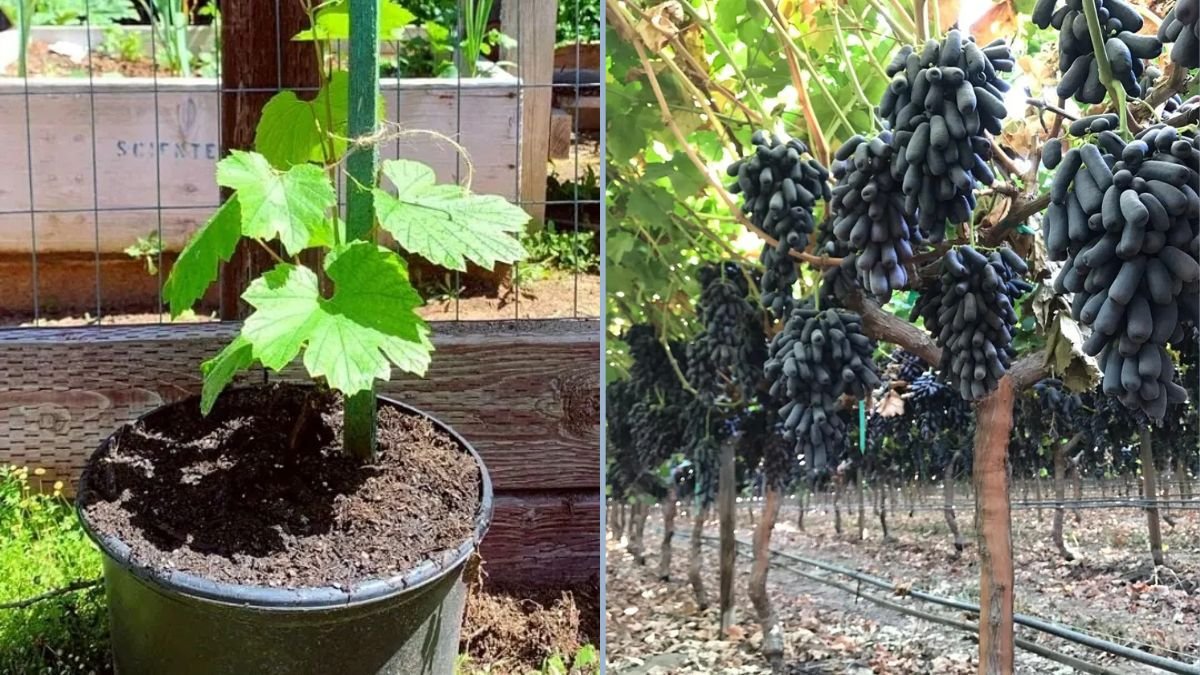
There’s something magical about homegrown grapes, especially the unique Moon Drop variety with its elongated, sweet, and juicy berries. Whether grown in a garden, on a terrace, or in containers, Moon Drop grapes are highly prized for their flavor, novelty, and productivity. But one of the most common questions for enthusiasts is: “How many years does it take for a Moon Drop grapevine to bear fruit?”
In this guide, we’ll explore everything you need to know about growing Moon Drop grapes in containers, how long it takes to get a harvest, and practical tips for care, pruning, and maximizing fruit production in small-space vineyards.
Why Choose Moon Drop Grapes?
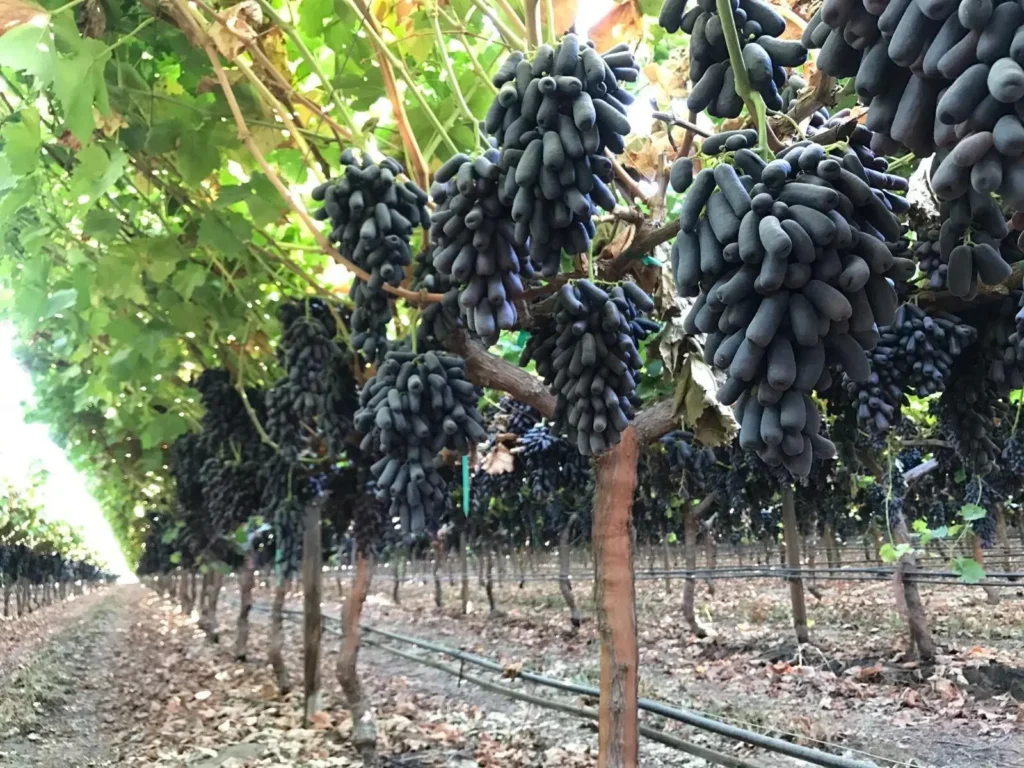
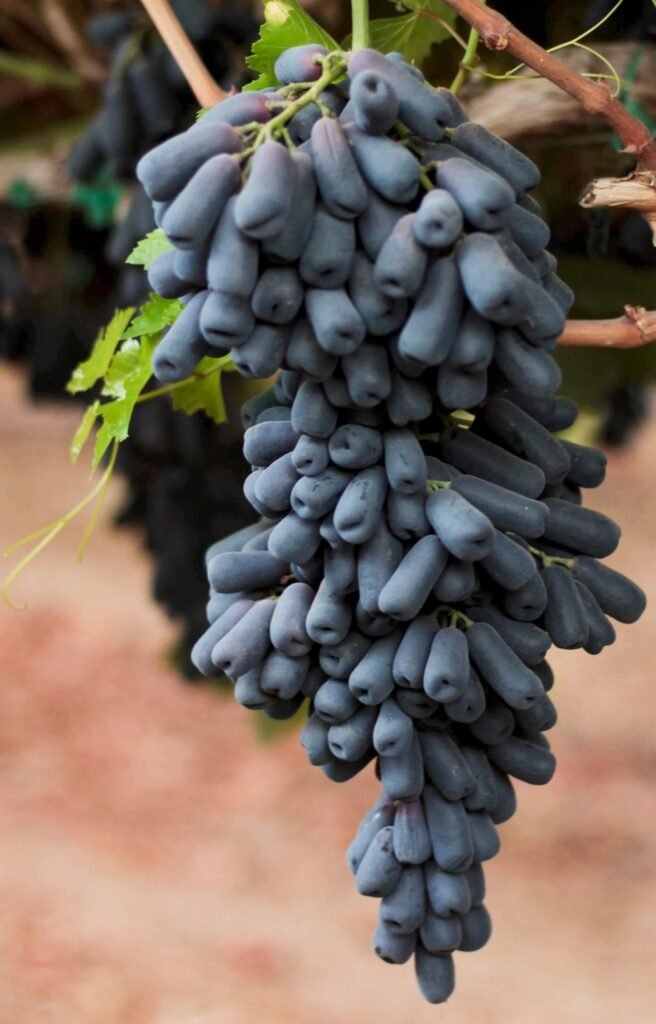
Moon Drop grapes are a modern cultivar developed by breeders in California, designed for large, elongated berries that stand out in both taste and appearance. Here’s why they’re an excellent choice for home growers:
- Unique Flavor and Shape: Sweet, firm, and elongated grapes unlike traditional round varieties.
- High Market and Culinary Value: Perfect for fresh eating, desserts, or gifting.
- Container Friendly: Adaptable to pots and small-space vineyards.
- Long Shelf Life: Excellent for storage and transport, making them a versatile choice for gardeners who want to enjoy or sell their harvest.
For container growers, the Moon Drop grapevine is ideal because it doesn’t require a large plot of land to thrive if cared for properly.
When Do Moon Drop Grapevines Start Producing Fruit?
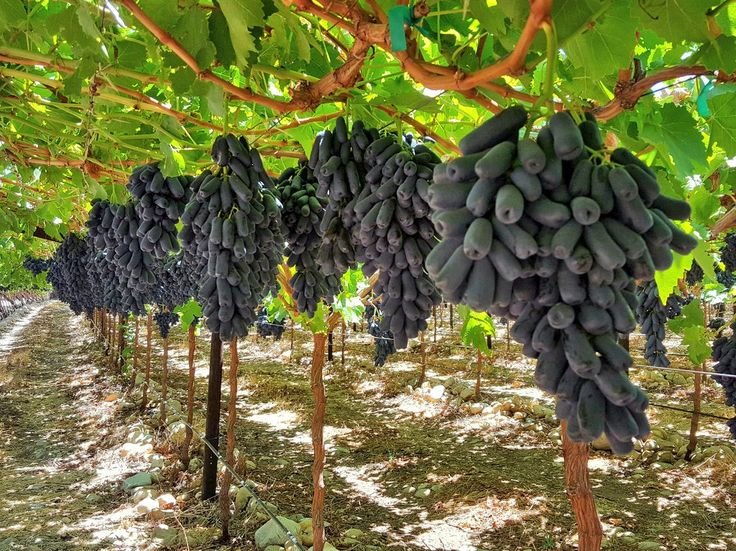
One of the key considerations for any home grape grower is time to fruiting.
1. Seedling vs. Grafted Vines
- Seed-grown vines: Can take 5–7 years or more to bear fruit.
- Grafted nursery vines: Typically produce their first clusters in 2–3 years under optimal care.
Most home gardeners start with young grafted Moon Drop vines, as this accelerates fruit production and ensures quality.
2. Factors Affecting Fruiting
Several elements determine how quickly your Moon Drop vine will produce grapes:
- Vine Age at Planting: Older, well-established nursery saplings fruit sooner.
- Container Size: Larger pots encourage deeper root growth and earlier flowering.
- Sunlight: Grapevines need 6–8 hours of direct sunlight for optimal sugar accumulation and flowering.
- Pruning and Training: Proper pruning encourages fruiting buds and supports cluster development.
- Nutrition and Watering: Balanced fertilization and adequate watering enhance flowering and fruit set.
By managing these factors carefully, many growers see first fruit as early as the second year in containers, while some may take until year three.
Choosing the Right Container for Moon Drop Grapes
Container-grown grapes need space for roots, proper drainage, and stability. Here’s what to consider:
1. Container Size
- Minimum: 20–25 liters (5–7 gallons) for young vines.
- Mature plants: 40–50 liters (10–13 gallons) for optimal growth and fruiting.
2. Material
- Plastic Pots: Lightweight and retain moisture but may heat up in strong sun.
- Clay or Terracotta: Breathable, cooler roots, but heavier.
- Fabric Grow Bags: Encourage aeration and healthy root systems.
3. Drainage
- Grapevines do not tolerate waterlogged roots.
- Ensure containers have drainage holes and use a well-draining soil mix.
Soil and Nutrient Requirements
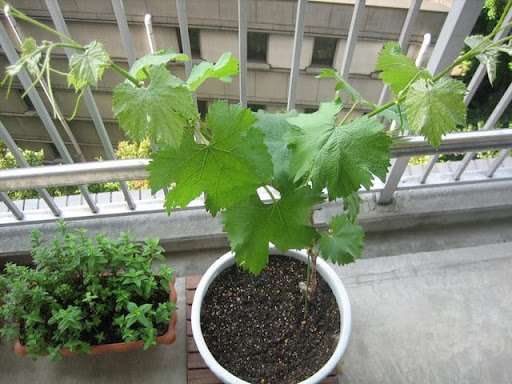
Moon Drop grapes thrive in well-drained, fertile soil. For containers, use a specialized grapevine mix or prepare your own:
DIY Container Soil Mix
- 40% garden soil or topsoil
- 30% compost or well-rotted manure
- 20% cocopeat or peat moss for moisture retention
- 10% perlite or coarse sand for aeration
Nutrient Management
- Apply a balanced organic fertilizer every 4–6 weeks during the growing season.
- Foliar sprays with seaweed extract or Aloe Vera juice can boost flowering and immunity.
- Avoid over-fertilizing nitrogen, as excess leaf growth can delay fruiting.
Pruning and Training in Containers
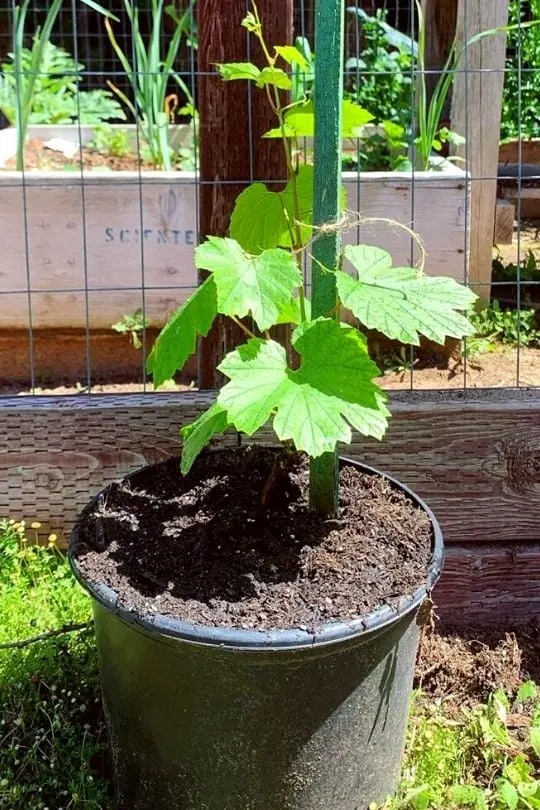
Pruning is essential for early and abundant fruiting in Moon Drop grapes. Improper pruning can delay fruit production by several years.
1. Training the Vine
- Use a trellis, stake, or wire frame to guide upward growth.
- Train one main trunk for structure, with lateral canes for fruiting.
2. Annual Pruning
- Prune dormant vines in late winter or early spring before new growth begins.
- Remove weak or damaged canes.
- Leave 2–3 strong canes per vine for fruiting.
- Proper pruning encourages flower buds and cluster development, accelerating your first harvest.
Watering and Container Care
Watering is a delicate balance in container-grown grapes:
- Young Vines: Keep soil consistently moist but not waterlogged.
- Mature Vines: Deep water once or twice a week, adjusting for temperature and rainfall.
- Mulching: Add organic mulch to retain moisture and regulate soil temperature.
Container roots dry out faster than garden soil, so regular checks are necessary, especially during hot months.
Pollination and Flowering
Moon Drop grapes are self-pollinating, but bees and gentle airflow improve fruit set. Flowering occurs in spring, producing small green clusters that gradually develop into grapes.
- Maintain consistent watering and nutrients during flowering.
- Avoid chemicals during bloom to protect pollinators.
- Ensure good sunlight and airflow to maximize fruit cluster development.
Time to First Harvest
- Year 1: Focus on vine establishment — root development and leaf growth.
- Year 2: Some grafted vines may produce a few clusters if pruned and cared for optimally.
- Year 3: Most container-grown Moon Drop vines produce a full crop of sweet, elongated grapes.
Patience is key. Container-grown vines may fruit slightly later than those planted in the ground due to restricted root space, but the advantage is the ability to move and protect the vines and grow them even in small spaces.
Harvesting Tips
- Harvest grapes when they are deep purple, firm, and sweet.
- Test a few berries for flavor and sugar content — grapes do not continue to ripen once picked.
- Use scissors or pruning shears to cut clusters carefully to avoid damaging vines.
- Harvest gradually, as not all clusters ripen simultaneously.
Moon Drop grapes are excellent for fresh consumption, juice, jams, or gifting due to their unique shape and taste.
Common Challenges in Container Vineyards
- Slow Growth: Often caused by small containers or poor soil. Solution: repot or amend soil.
- Root-bound Vines: Check roots annually; repot when roots circle densely.
- Pests and Diseases: Aphids, powdery mildew, or spider mites. Solution: organic sprays like neem oil or baking soda solution.
- Delayed Fruiting: Ensure proper pruning, sun exposure, and nutrient balance.
Maximizing Fruit Production in Containers
- Choose large pots for root development.
- Apply balanced organic fertilizer regularly.
- Prune correctly each year to encourage fruiting.
- Ensure full sun exposure and good air circulation.
- Keep a consistent watering schedule, avoiding overwatering or drought stress.
With attentive care, your container vineyard can produce high-quality Moon Drop grapes every year, even in small urban spaces.
Conclusion
Growing Moon Drop grapes in containers is a rewarding project for gardeners of all levels. While fruiting may take 2–3 years for young grafted vines, proper care, pruning, sunlight, and nutrition can accelerate production and ensure healthy, sweet grapes.
Container vineyards offer flexibility for small gardens, terraces, or balconies, bringing the joy of harvesting your own grapes right to your home. With patience, proper technique, and a little love, your Moon Drop grapevine will reward you with elongated, delicious clusters for years to come.
Start your container vineyard today, and experience the satisfaction of homegrown grapes that are both visually stunning and mouthwateringly sweet — a true testament to careful planning and organic cultivation.