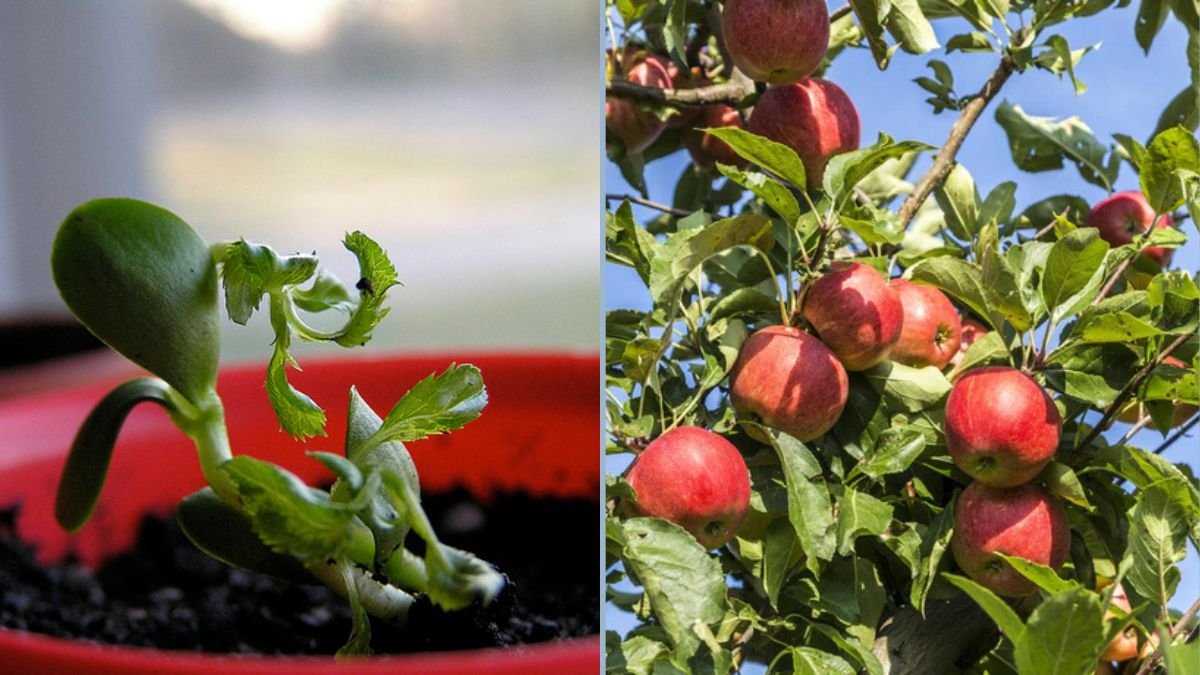
Fuji apples are among the most popular apple varieties worldwide, prized for their crisp texture, juicy sweetness, and long shelf life. Whether you’re aiming to grow a home orchard, plant a backyard tree, or cultivate apples in containers, understanding how to care for Fuji apples in sun-exposed conditions is key to achieving healthy growth and abundant fruit.
This guide will walk you through planting, sunlight management, watering, fertilization, pruning, pest control, and harvesting — everything you need to grow Fuji apples successfully from your sun-drenched garden or terrace.
Why Choose Fuji Apples?
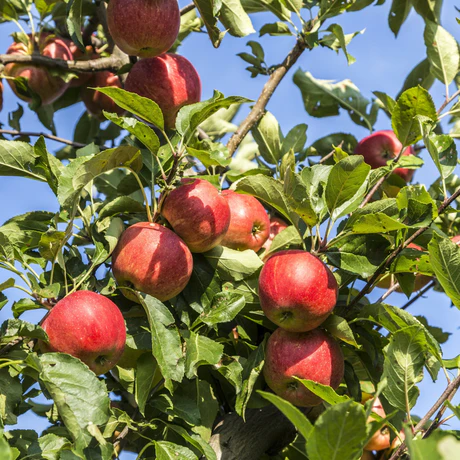
Fuji apples are not only delicious but also highly adaptable. Here’s why they’re a great choice for home growers:
- Exceptional Flavor: Fuji apples are naturally sweet with a balanced, mild tartness, ideal for fresh eating or cooking.
- Long Storage Life: These apples keep well in cool storage, making them ideal for extended use.
- High Yield: With proper care, Fuji apple trees produce abundant fruit.
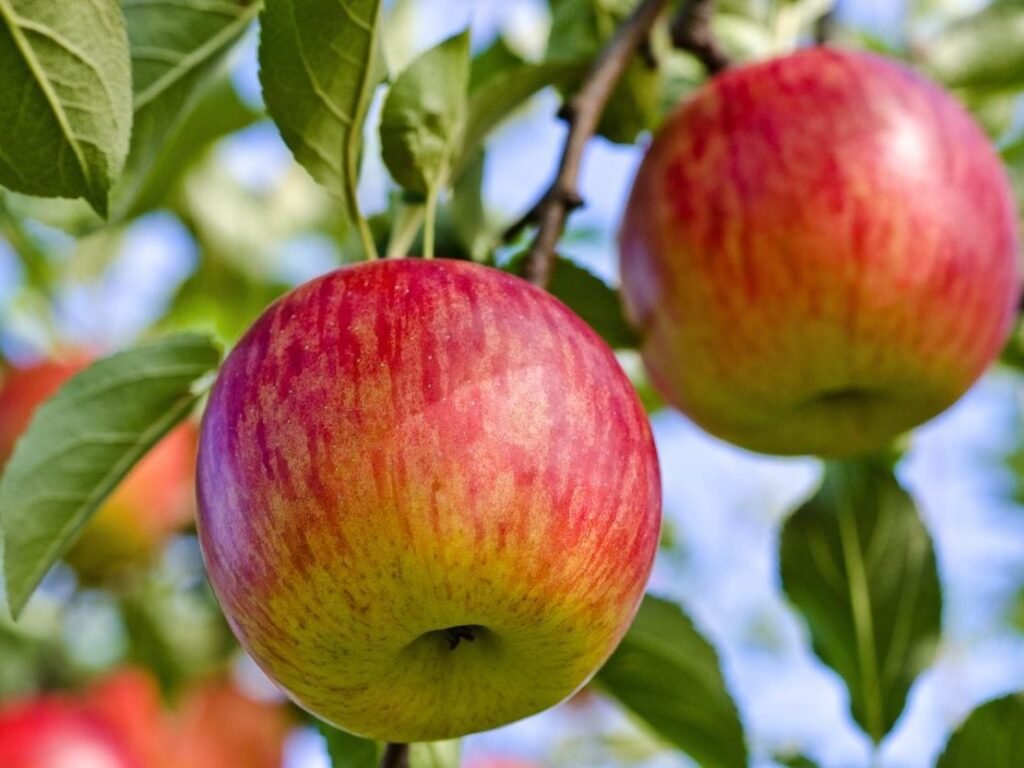
- Aesthetic Appeal: Their pink-red blush on a yellow background adds beauty to any orchard or garden.
- Nutritional Benefits: Fuji apples are rich in fiber, antioxidants, and vitamins, promoting overall health.
Choosing the Right Site for Sun-Exposed Fuji Apple Trees
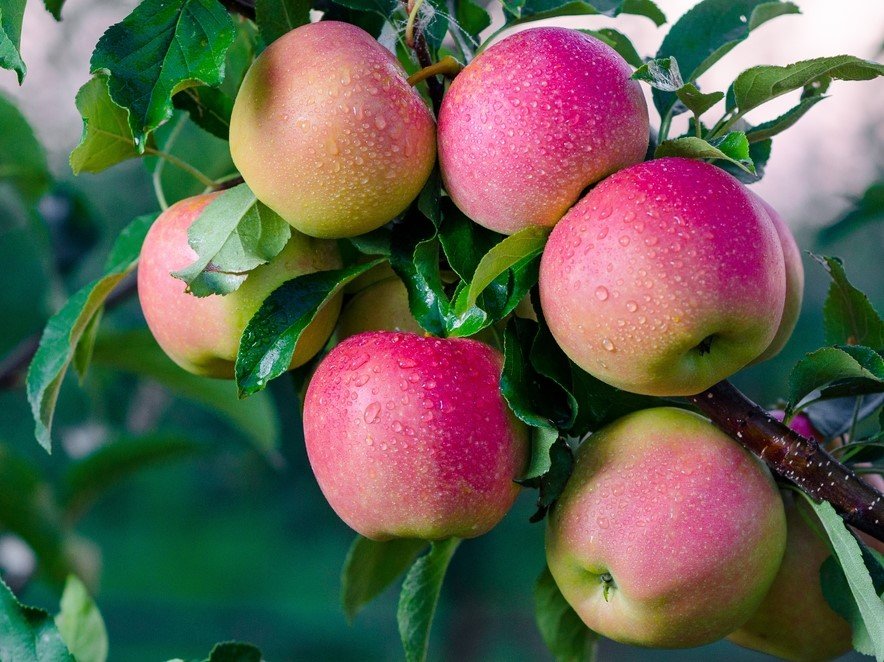
Sunlight is crucial for Fuji apple trees. Proper sun exposure ensures healthy growth, flowering, and fruit quality.
1. Sunlight Requirements
- Fuji apple trees require full sun: at least 6–8 hours of direct sunlight daily.
- Adequate sunlight promotes sugar accumulation, vibrant coloration, and uniform ripening.
- Avoid shaded areas or spaces blocked by buildings or taller trees, as inadequate light reduces fruit quality and yield.
2. Air Circulation
- Good airflow prevents fungal infections such as powdery mildew and apple scab.
- Avoid planting in low-lying areas where cold air can settle, which increases frost risk.
3. Soil Conditions
- Well-draining, loamy soil is ideal.
- Soil pH should range from 6.0 to 7.0.
- Enrich soil with compost or well-rotted manure before planting for nutrient support.
Planting Fuji Apple Trees
Proper planting is the foundation of a healthy apple tree.
1. Choosing Your Tree
- Bare-Root Trees: Affordable and widely available in early spring.
- Container-Grown Trees: Can be planted any time when the soil isn’t frozen.
2. Planting Steps
- Dig a hole twice the width of the root system and slightly deeper than the roots.
- Mix native soil with compost for added fertility.
- Position the tree so that the graft union sits a few inches above the soil surface.
- Spread the roots evenly, backfill, and gently firm the soil.
- Water thoroughly to settle the roots.
- Apply 2–3 inches of mulch around the base, keeping it away from the trunk.
3. Spacing
- Space trees 12–15 feet apart for dwarf varieties and 15–20 feet for standard trees to ensure sunlight reaches all parts of the tree.
Watering and Sun Exposure Management
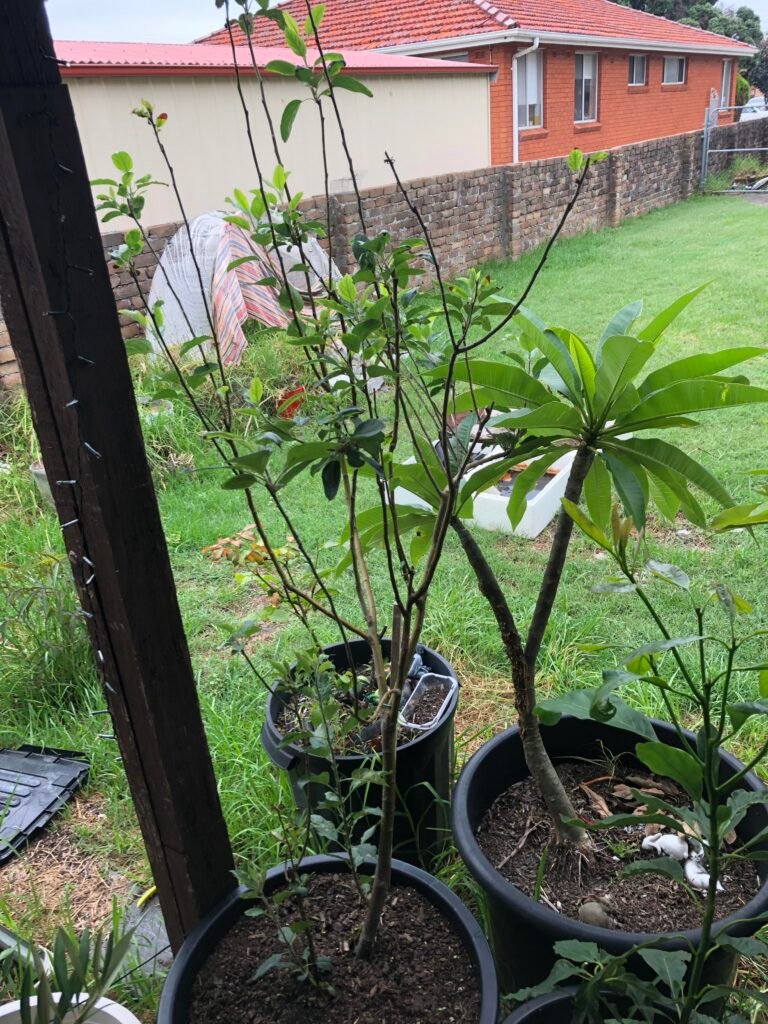
Fuji apple trees benefit from consistent watering, especially when exposed to strong sunlight.
1. Watering Schedule
- Young trees: Water 2–3 times a week to establish roots.
- Mature trees: Deep watering once a week, increasing during dry, hot periods.
- Check soil moisture by inserting your finger 2–3 inches into the soil; water if dry.
2. Mulching Benefits
- Mulch conserves soil moisture, regulates temperature, and suppresses weeds.
- Organic mulch such as straw, shredded leaves, or wood chips works best.
3. Sun Protection Tips
- Avoid water stress during high-temperature periods.
- Consider temporary shade cloths in extreme heat for young trees to prevent leaf scorch.
Fertilization for Healthy Growth
Fertilizing Fuji apple trees ensures vigorous growth, strong flowering, and abundant fruit.
1. First-Year Care
- Focus on root establishment rather than heavy fertilization.
- Apply organic compost or slow-release fertilizers sparingly.
2. Ongoing Fertilization
- Use a balanced fertilizer (10–10–10 NPK) in early spring.
- Supplement with liquid seaweed or fish emulsion during the growing season.
- Avoid excess nitrogen, which encourages leaf growth over fruit production.
3. Soil Enrichment
- Periodically test soil pH and nutrient levels.
- Amend soil with lime or sulfur if pH is outside the ideal range.
Pruning and Training Fuji Apple Trees
Pruning is essential for sunlight penetration, airflow, and fruit production.
1. Dormant Pruning
- Conduct pruning in late winter while the tree is dormant.
- Remove dead, damaged, or crossing branches.
- Maintain an open-center or central leader structure.
2. Summer Pruning
- Light pruning removes excessive vertical shoots and encourages fruit set.
- Helps direct the tree’s energy toward fruit rather than excessive foliage.
3. Benefits
- Enhances air circulation to reduce fungal diseases.
- Improves light penetration for ripening apples.
- Promotes strong, healthy fruit-bearing branches.
Pollination and Flowering
Fuji apples are not self-pollinating, so planting compatible pollinator varieties nearby is essential.
- Recommended pollinators: Gala, Red Delicious, Golden Delicious.
- Flowering occurs in spring, producing fragrant white blossoms.
- Bees and other pollinators improve fruit set.
- Avoid chemical sprays during bloom to protect pollinators.
Pest and Disease Management
Sun-exposed Fuji apple trees can still face pest and disease challenges.
Common Pests
- Aphids
- Codling moth
- Spider mites
Common Diseases
- Apple scab
- Powdery mildew
- Fire blight
Organic Prevention
- Regular pruning and open canopy reduce fungal risks.
- Neem oil or insecticidal soap can control pests naturally.
- Remove fallen leaves and debris to prevent disease buildup.
Thinning Fruit for Better Quality
- Thin young fruit clusters in late spring to 1–2 apples per cluster.
- Proper thinning ensures larger, sweeter apples and prevents branches from breaking.
- Spacing also allows sunlight to reach remaining fruit for optimal color and flavor.
Harvesting Fuji Apples
- Fuji apples typically mature late September to October, depending on local climate.
- Signs of ripeness:
- Firm but slightly yielding to gentle pressure
- Deep pink-red blush with yellow undertones
- Sweet aroma
- Ease of separation from the branch
- Harvest using scissors or gently twist the fruit to avoid damaging branches.
- Enjoy fresh, bake into desserts, or make homemade juice or cider.
Additional Tips for Sun-Exposed Fuji Apple Trees
- Monitor Soil Moisture: Sun-exposed trees lose water faster; maintain consistent watering.
- Provide Support: Stakes or trellises may be needed for young trees in windy, sunny locations.
- Repot or Refresh Soil: If grown in containers, repot every 3–4 years to ensure healthy roots.
- Mulch Regularly: Conserves water and moderates soil temperature.
- Observe for Stress Signs: Wilting, yellowing leaves, or sunburned foliage indicate the need for extra care.
With attentive care, Fuji apple trees in sunny locations can produce sweet, crisp, high-quality fruit year after year.
Conclusion
Growing Fuji apples in sun-exposed conditions is a rewarding endeavor. Proper attention to planting location, sunlight, soil, watering, fertilization, pruning, and pest management ensures healthy growth and abundant harvests.
Whether planted in your garden or in a large container on a sunny terrace, Fuji apple trees respond well to consistent care and adequate sunlight. By following these guidelines, you can enjoy fresh, flavorful Fuji apples straight from your own orchard, making your gardening efforts both fruitful and satisfying.
With patience, dedication, and sun-smart practices, your Fuji apple tree will thrive, providing years of crisp, sweet, and juicy apples for your family and friends.
If you want, I can also create an SEO-optimized version with meta title, meta description, and target keywords for Google search ranking.