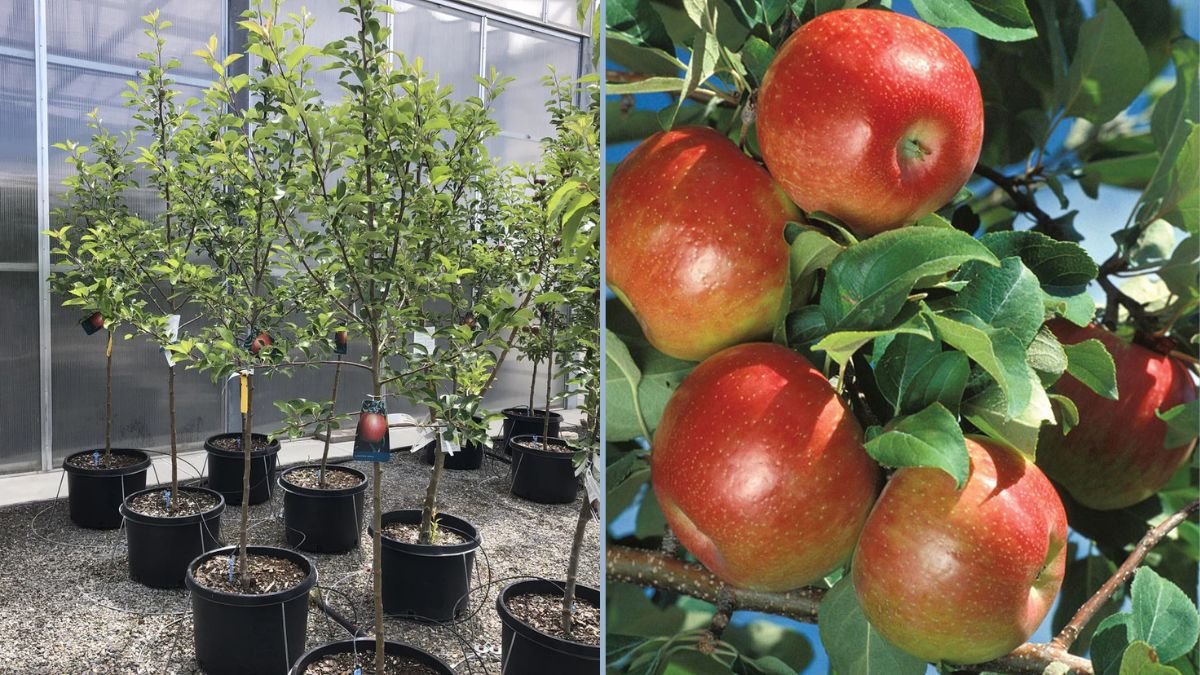
Few fruits capture the imagination like the Honeycrisp apple — its vibrant red and yellow skin, crisp texture, and sweet-tart flavor make it a favorite for eating fresh, baking, or juicing. Beyond taste, Honeycrisp apples are highly rewarding to grow at home, whether in a backyard orchard, a small garden, or even a large container.
If you’ve ever wondered how to cultivate these apples successfully, this guide will walk you through everything from selecting the right trees and soil to pruning, pest management, and harvesting. By following these steps, you can enjoy your very own homegrown Honeycrisp apples.
Why Grow Honeycrisp Apples at Home?
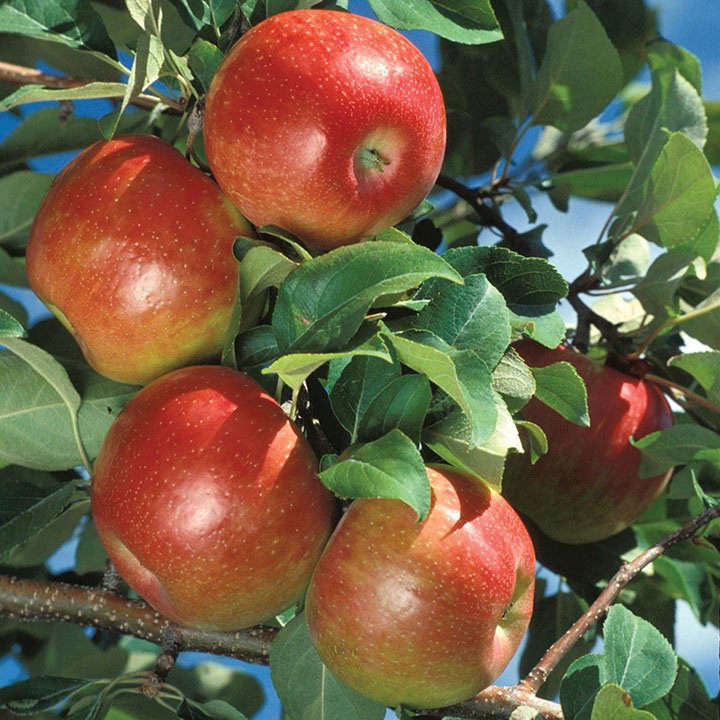
Growing Honeycrisp apples in your garden or orchard offers several benefits:
- Exceptional Flavor: Honeycrisp apples are known for their crisp bite and perfect balance of sweetness and acidity.
- Nutritional Value: Packed with fiber, antioxidants, and essential vitamins, they are a healthy snack for all ages.
- Freshness and Quality: Nothing beats picking a crisp, juicy apple from your own tree.
- Control Over Chemicals: Growing your own apples allows you to reduce or eliminate pesticides and fertilizers.
- Aesthetic Appeal: Apple trees enhance your garden with seasonal blooms in spring and colorful fruits in fall.
Choosing the Right Honeycrisp Apple Tree
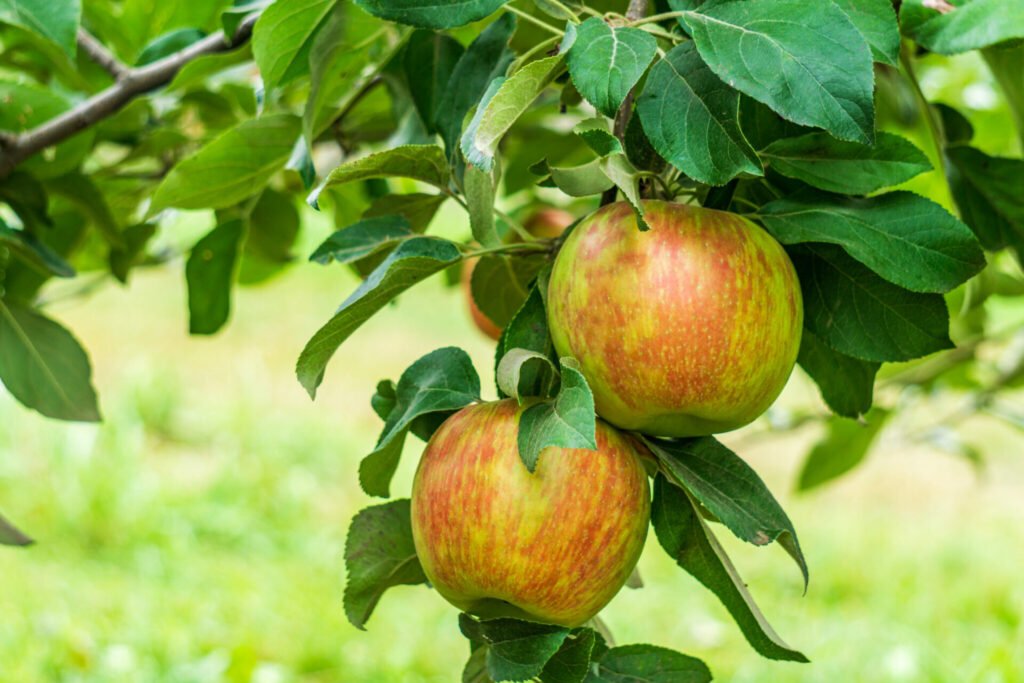
Selecting the right tree is the first step in successful cultivation.
1. Tree Type
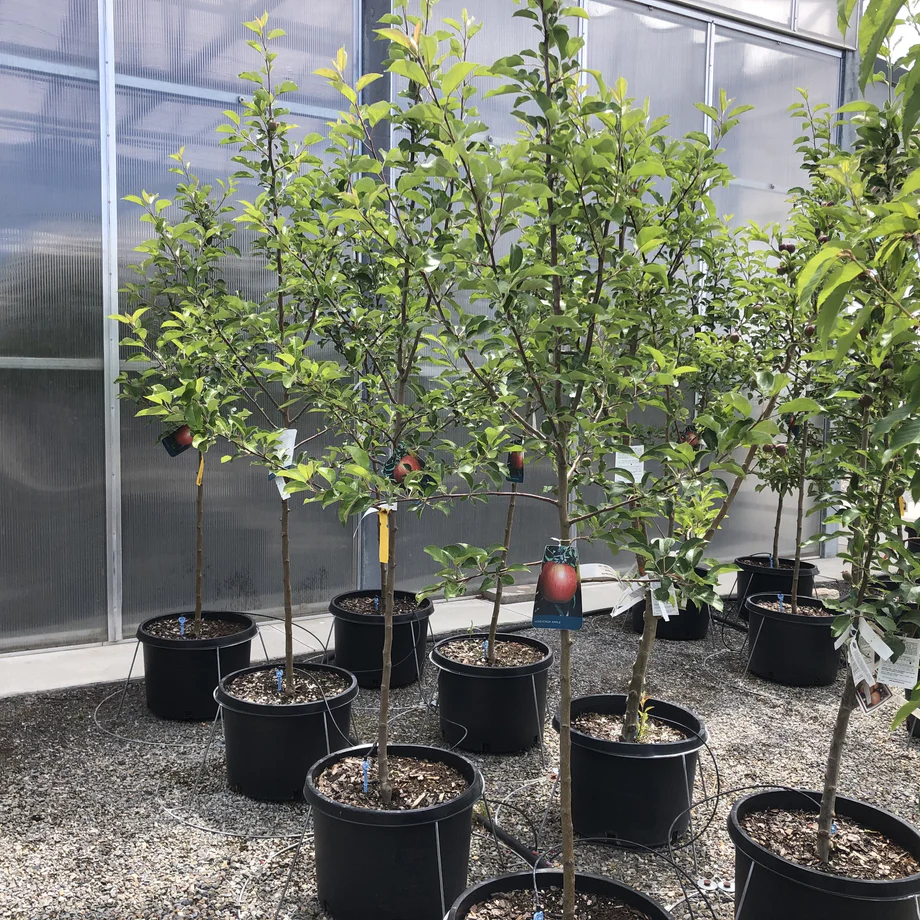
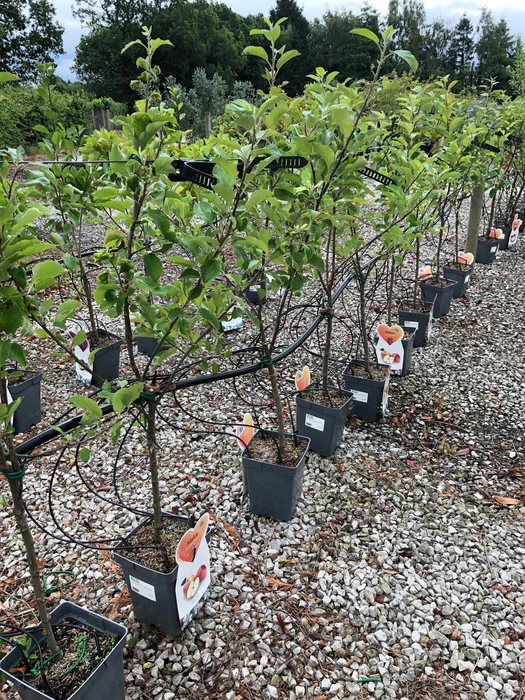
- Bare-Root Trees: Commonly sold in early spring, these are cost-effective and easy to plant.
- Container-Grown Trees: Available year-round, they can be planted any time when the soil isn’t frozen.
2. Pollination
Honeycrisp apples are not self-pollinating. To ensure fruit set, you need another apple variety nearby, such as:
- Gala
- Fuji
- Red Delicious
Planting compatible pollinators within 30–50 feet ensures cross-pollination and a good harvest.
3. Rootstock Choice
Rootstock affects tree size and growth:
- M111 or M7: Medium-sized trees, suitable for most backyards.
- M27: Dwarf trees for container growing or small spaces.
- M9: Semi-dwarf, suitable for trellis systems or espalier.
Choosing the right rootstock balances tree size, vigor, and fruit production.
Selecting the Perfect Planting Site
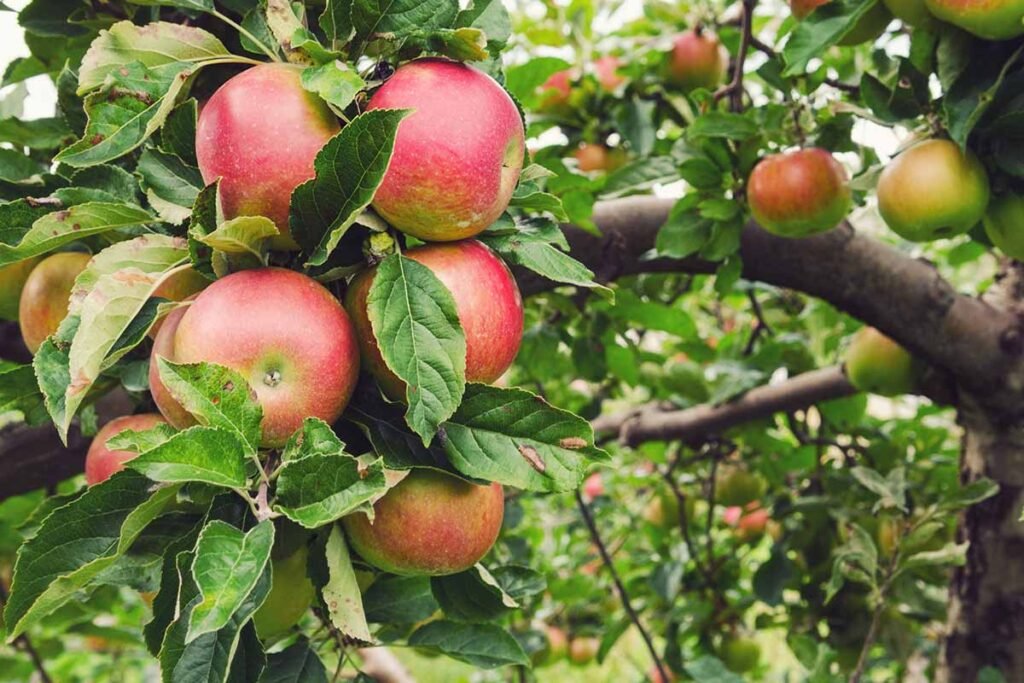
Honeycrisp apples thrive in full sun and well-drained soil.
1. Sunlight
- At least 6–8 hours of direct sunlight daily.
- Sunlight enhances flavor, sugar content, and fruit color.
2. Soil Requirements
- Well-draining loamy soil is ideal.
- Soil pH: 6.0–7.0 is optimal.
- Avoid low-lying areas where water can accumulate, as Honeycrisp apples are sensitive to root rot.
3. Air Circulation
- Good airflow prevents fungal diseases.
- Avoid planting near large buildings or dense hedges that shade the tree.
Planting Honeycrisp Apple Trees
Proper planting ensures healthy growth and faster fruiting.
Step 1: Preparing the Soil
- Dig a hole 2–3 times wider than the root ball.
- Mix in compost or well-rotted manure to enrich fertility.
Step 2: Planting the Tree
- Position the tree so that the graft union (bump above roots) is slightly above soil level.
- Spread the roots evenly in the hole.
- Backfill with soil, firming gently to eliminate air pockets.
- Water thoroughly to settle the soil.
Step 3: Mulching
- Apply a 2–3 inch layer of mulch around the base.
- Keep mulch 2–3 inches away from the trunk to prevent rot.
Step 4: Staking Young Trees
- Young trees benefit from a stake to support upright growth.
- Remove stakes after one year once the trunk is strong.
Watering and Fertilizing Honeycrisp Apples
Watering
- Water newly planted trees 2–3 times a week during the first season.
- Mature trees require 1–2 inches of water per week, either from rainfall or irrigation.
- Deep watering encourages strong root development.
Fertilization
- First Year: Avoid heavy fertilization. Let the tree establish roots.
- Second Year Onward: Use a balanced fertilizer in early spring:
- 10–10–10 (N-P-K) or compost-based fertilizers.
- Apply once in spring and once mid-summer.
Avoid over-fertilizing nitrogen, as it promotes leafy growth at the expense of flowers and fruit.
Pruning for Health and Productivity
Pruning Honeycrisp apples is essential for tree structure, disease control, and fruit production.
1. Dormant Pruning
- Prune in late winter while the tree is dormant.
- Remove crossing branches, dead wood, and weak shoots.
- Open the canopy to allow sunlight penetration and air circulation.
2. Summer Pruning
- Optional light pruning in summer can remove vigorous vertical shoots.
- Helps focus energy on fruit development rather than excessive foliage.
Flowering and Fruit Set
- Honeycrisp apple trees flower in spring, producing fragrant white blooms.
- Pollination by bees is essential for fruit set.
- Ensure pollinator varieties are planted nearby.
- Adequate water and nutrients during flowering improve the number and quality of fruit.
Pest and Disease Management
Honeycrisp apples are susceptible to pests and diseases if neglected. Organic and preventative measures work best:
Common Pests
- Aphids
- Apple maggot
- Codling moth
Common Diseases
- Apple scab
- Powdery mildew
- Fire blight
Preventative Tips
- Prune for airflow and sunlight.
- Remove fallen leaves and fruit to reduce disease pressure.
- Use organic sprays such as neem oil, horticultural oil, or compost tea as needed.
Regular monitoring keeps your orchard healthy and reduces chemical dependence.
Thinning the Fruit
- Thin young fruit clusters in late spring to 1–2 fruits per cluster.
- Proper thinning ensures larger, sweeter apples and prevents branch breakage.
- Focus on evenly spaced fruit to maximize sunlight and airflow.
Harvesting Honeycrisp Apples
- Honeycrisp apples typically mature in late September to October, depending on your climate.
- Check for ripeness by:
- Firm but not hard texture
- Color development (red patches on yellow-green background)
- Sweet aroma
- Easy detachment from the branch
- Harvest carefully using scissors or by twisting gently to avoid damaging the tree.
Tips for a Thriving Homegrown Honeycrisp Orchard
- Plant multiple trees for cross-pollination.
- Monitor for water stress, especially during hot summers.
- Mulch and fertilize to maintain soil health.
- Prune annually to control shape, sunlight, and fruit quality.
- Harvest at peak ripeness for the best flavor and texture.
With consistent care, Honeycrisp apple trees can produce fruit for decades, becoming a cherished part of your home garden.
Conclusion
Growing Honeycrisp apples at home is a journey of patience, care, and reward. From selecting the right tree and site to pruning, fertilizing, and harvesting, every step contributes to healthy trees and sweet, crisp fruit.
By choosing the right pollinator varieties, ensuring proper watering, and practicing organic pest management, you can enjoy fresh, flavorful Honeycrisp apples for years to come. Whether in a backyard orchard or large container setup, there’s nothing quite like biting into a crisp, homegrown Honeycrisp apple straight from your own garden — a true taste of nature and accomplishment.