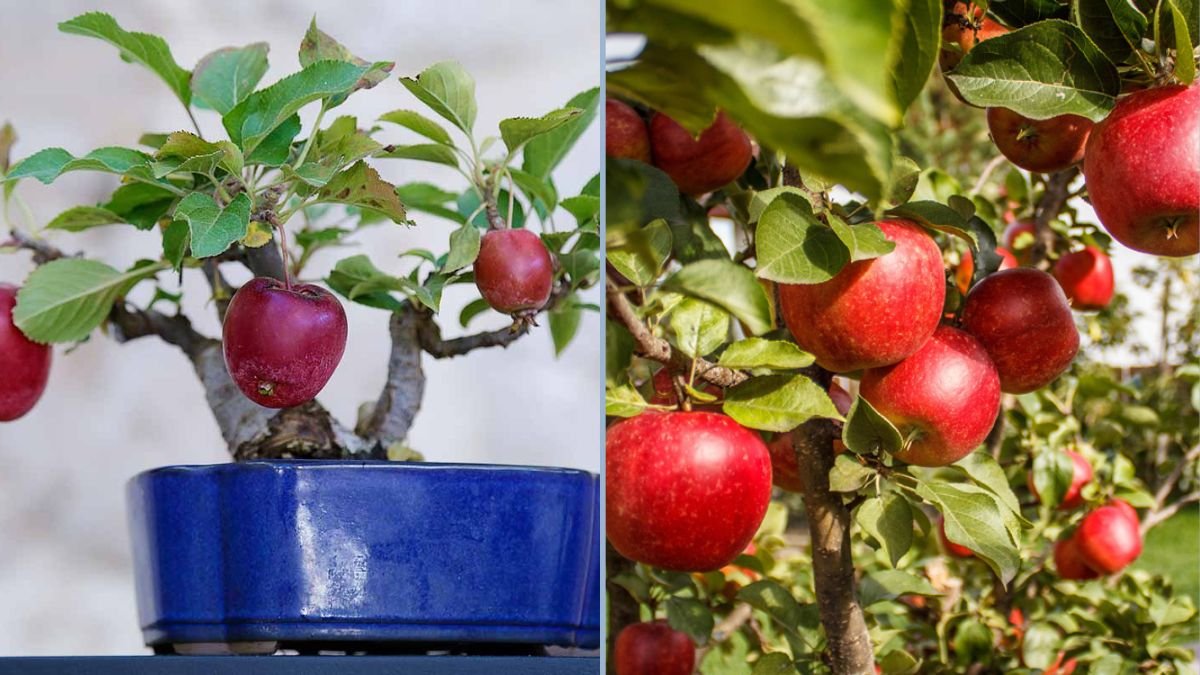
Apple trees are a staple in home orchards, but did you know that you can successfully grow a Red Delicious apple tree in a pot? Perfect for small gardens, patios, or terraces, potted apple trees offer the satisfaction of homegrown fruit even without a full backyard. The Red Delicious variety is particularly popular due to its sweet flavor, bright red color, and crisp texture.
Growing an apple tree in a container requires careful attention to soil, water, sunlight, and pruning. This guide will walk you through everything you need to know to ensure your potted Red Delicious apple tree thrives and produces abundant, healthy fruit.
Why Grow a Red Delicious Apple Tree in a Pot?
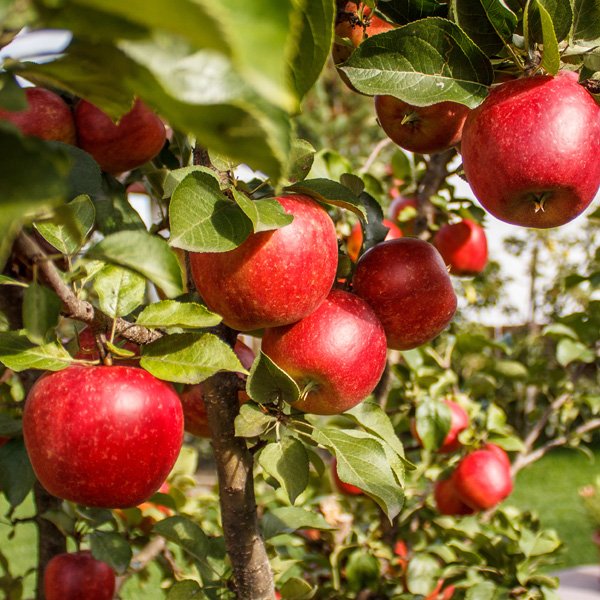
Container gardening is ideal for urban spaces or gardeners with limited land. Some advantages include:
- Space Efficiency: Potted apple trees are perfect for balconies, terraces, or small patios.
- Mobility: You can move the tree to follow the sun, protect it from harsh weather, or rearrange your garden.
- Ease of Care: Potted trees are easier to monitor for water, pests, and soil health.
- Aesthetic Appeal: A potted apple tree adds greenery and seasonal charm to any outdoor space.
- Fresh, Homegrown Fruit: Enjoy sweet, crisp Red Delicious apples right from your container orchard.
Choosing the Right Container
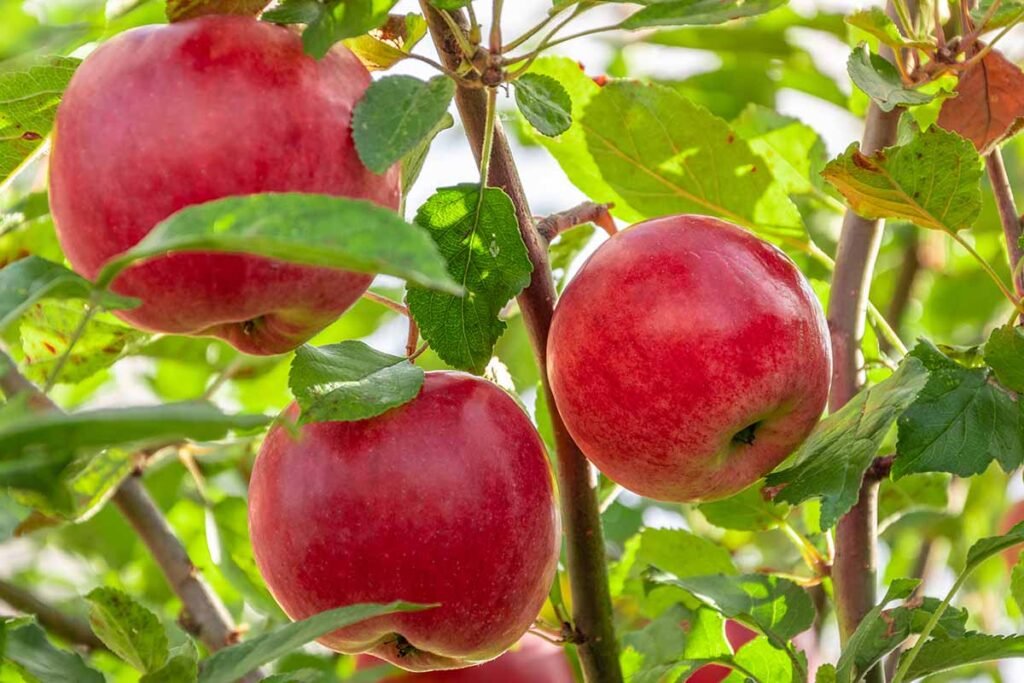
The first step in growing a healthy Red Delicious apple tree is selecting the appropriate pot.
1. Size
- Start with a 15–20 gallon (60–80 liters) container for young trees.
- Mature trees need 30–40 gallon (120–150 liters) pots to accommodate root growth.
2. Material
- Plastic Pots: Lightweight, retain moisture well, and are easy to move.
- Terracotta or Clay: Breathable and sturdy but may dry out faster.
- Fabric Grow Bags: Provide excellent aeration and drainage, encouraging healthy roots.
3. Drainage
- Ensure the container has adequate drainage holes.
- Place a layer of coarse gravel or broken pottery at the bottom to prevent waterlogging.
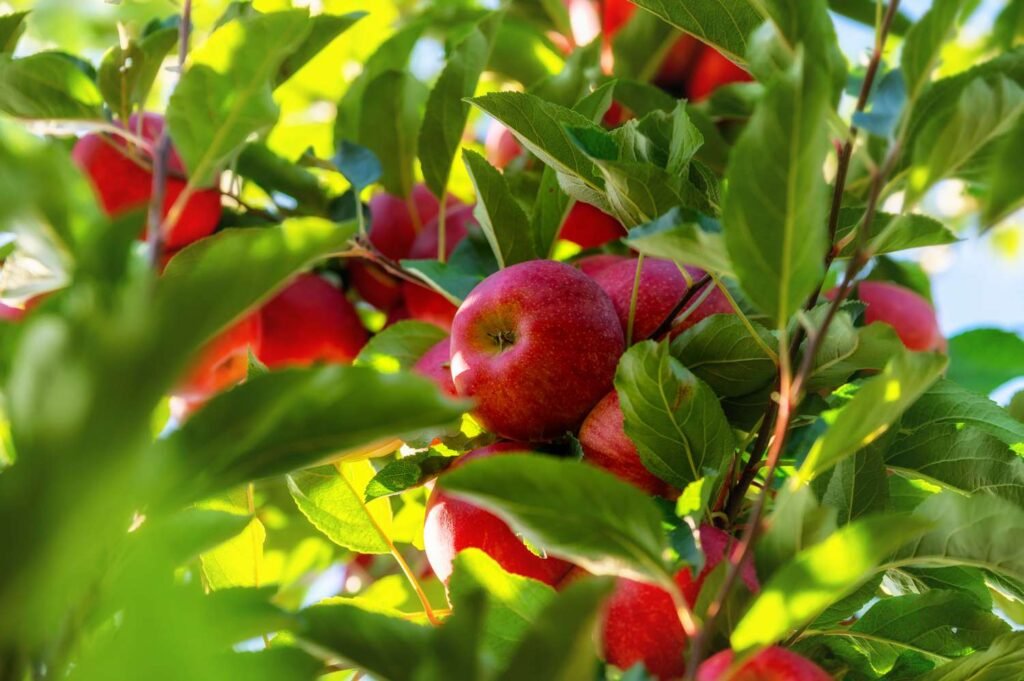
Soil Requirements for Potted Apple Trees
Red Delicious apple trees thrive in well-drained, fertile soil.
1. Ideal Soil Mix
- 40% garden soil or loam
- 30% compost or well-rotted manure
- 20% cocopeat or peat moss for moisture retention
- 10% perlite or sand for drainage
This mix ensures nutrient availability, proper aeration, and water retention, which are critical for container-grown trees.
2. Soil pH
- Aim for a slightly acidic to neutral pH: 6.0–7.0.
- You can test soil pH with a kit and adjust using lime (to raise pH) or sulfur (to lower pH) if necessary.
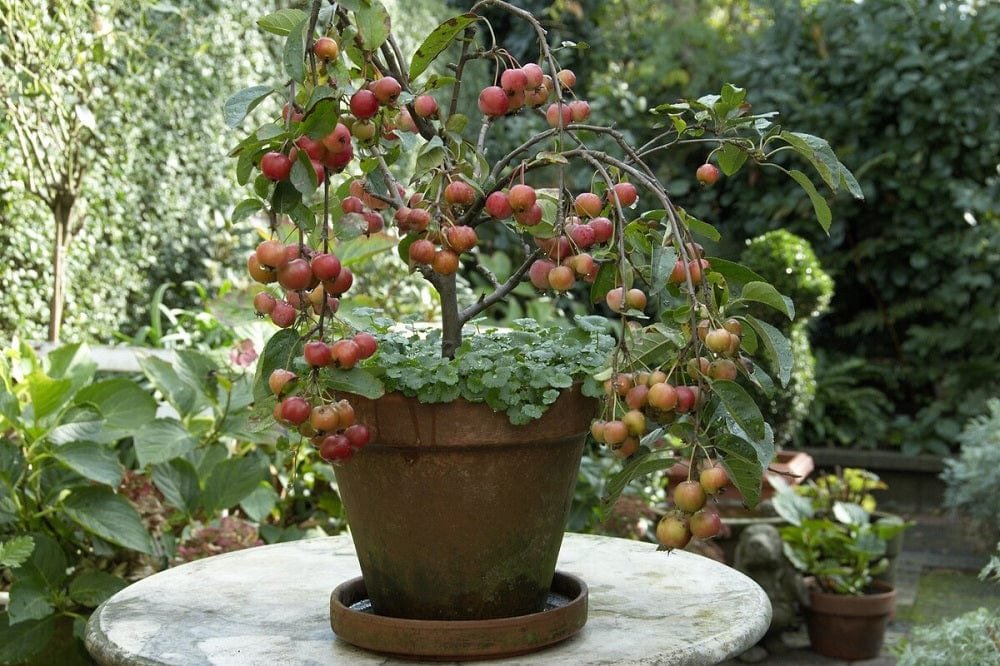
Planting Your Red Delicious Apple Tree
Proper planting sets the foundation for healthy growth and future fruiting.
Step 1: Preparing the Container
- Fill the container about one-third with your soil mix.
- Position the tree so that the graft union (bump above the roots) is slightly above the soil level.
Step 2: Positioning the Tree
- Spread the roots evenly in the soil.
- Backfill gently with the remaining soil mix.
- Press the soil lightly to eliminate air pockets.
Step 3: Watering
- Water thoroughly immediately after planting to help roots settle.
- Mulch around the base (2–3 inches) to retain moisture and suppress weeds.
Step 4: Initial Support
- Young trees may require a stake for support.
- Remove stakes after one growing season once the trunk is strong.
Sunlight Requirements
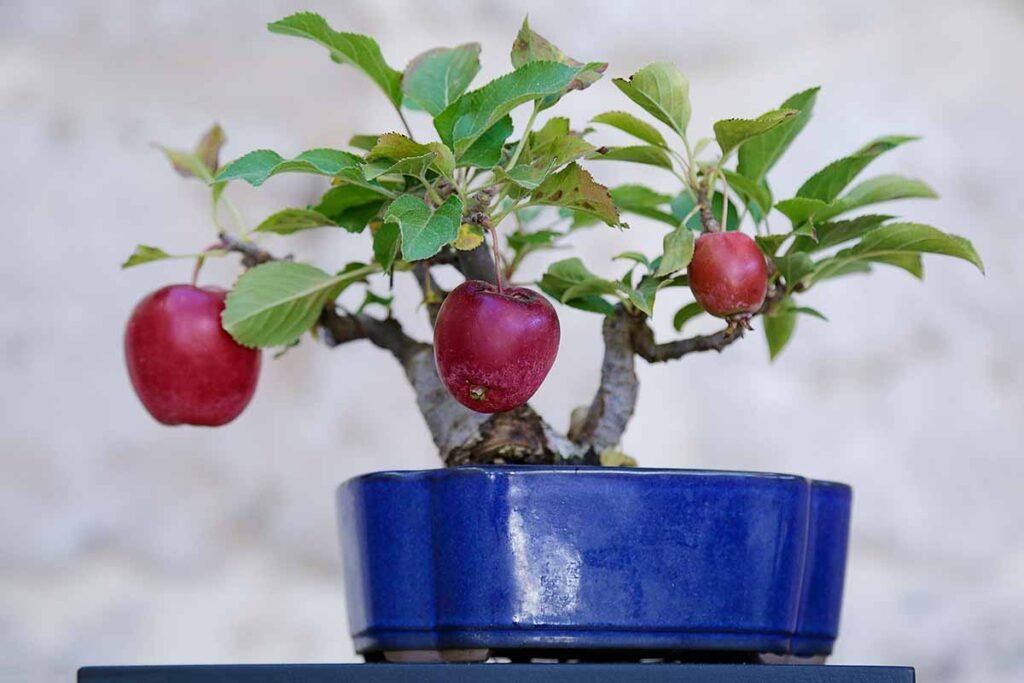
Red Delicious apple trees need full sun to thrive in containers:
- 6–8 hours of direct sunlight daily is ideal.
- Sunlight improves flowering, fruit set, and sugar content in apples.
- Rotate or move the container if sunlight is uneven, ensuring all sides receive adequate exposure.
Watering Tips for Container Apples
Container-grown trees are more sensitive to water stress than in-ground trees.
- Young Trees: Keep the soil consistently moist but not waterlogged.
- Mature Trees: Deep watering once or twice a week, depending on temperature and rainfall.
- Mulch: Helps retain soil moisture and maintain even temperature.
Check soil moisture by sticking your finger 2–3 inches into the soil. If it feels dry, it’s time to water.
Fertilizing Your Potted Red Delicious Tree
Proper nutrition is critical for growth, flowering, and fruiting.
- First Year: Focus on root establishment; avoid heavy fertilization.
- Second Year Onward: Apply a balanced fertilizer in early spring (e.g., 10–10–10 NPK).
- Additional Boost: Organic options like compost, worm castings, or liquid seaweed extract can improve soil health and vigor.
- Frequency: Fertilize every 4–6 weeks during the growing season, but avoid over-fertilizing nitrogen, which promotes leaf growth over fruiting.
Pruning and Training
Pruning is essential for container apple trees to maintain shape, health, and productivity.
1. Dormant Pruning
- Conduct pruning in late winter before new growth begins.
- Remove dead, damaged, or crossing branches.
- Maintain a central leader or open center structure to allow light penetration.
2. Summer Pruning
- Optional light pruning removes overly vigorous shoots.
- Helps focus the tree’s energy on fruit development.
Pollination and Flowering
Red Delicious apples are not self-pollinating, so a compatible apple variety nearby is necessary for cross-pollination. Popular pollinators include:
- Gala
- Fuji
- Golden Delicious
Tips for flowering success:
- Avoid chemical sprays during bloom.
- Encourage pollinators like bees by planting companion flowers nearby.
- Consistent watering and fertilization improve flower set and fruit development.
Pest and Disease Management
Container trees are easier to monitor, but they still face potential threats:
Common Pests
- Aphids
- Codling moth
- Spider mites
Common Diseases
- Apple scab
- Powdery mildew
- Fire blight
Organic solutions:
- Neem oil, horticultural oil, or insecticidal soap for pests.
- Proper pruning and air circulation to reduce fungal infections.
- Remove fallen leaves and fruit to prevent disease buildup.
Fruit Thinning
- Thin excess fruit when small to 1–2 apples per cluster.
- Proper thinning ensures larger, sweeter apples and reduces branch stress.
- Even spacing allows sunlight to reach all fruit for optimal ripening.
Harvesting Your Red Delicious Apples
- Apples are ready to harvest late September to October, depending on climate.
- Signs of ripeness:
- Firm but slightly yielding to gentle pressure
- Rich red color with some yellow undertones
- Sweet aroma
- Easy separation from the branch
- Harvest carefully using scissors or by gently twisting the apple to avoid damaging the tree.
Enjoy fresh, homegrown apples or use them for baking, juicing, or preserves.
Additional Tips for Thriving Potted Apple Trees
- Rotate or move the container to follow sunlight.
- Repot every 3–4 years or refresh the soil to prevent nutrient depletion.
- Mulch and fertilize regularly to maintain soil health.
- Monitor for pests and diseases weekly.
- Prune annually to control shape, airflow, and fruit quality.
With proper care, your potted Red Delicious apple tree can thrive for years, producing delicious, crisp apples season after season.
Conclusion
Growing a Red Delicious apple tree in a pot is both practical and rewarding. Whether you have a small balcony or a compact garden, container gardening allows you to enjoy the beauty and bounty of apple trees without requiring a large orchard.
By choosing the right container, soil, and pollinator, providing adequate sunlight, water, and nutrients, and practicing pruning and pest management, your tree will thrive and eventually reward you with juicy, flavorful apples.
Homegrown Red Delicious apples are more than just fruit — they represent patience, care, and the joy of cultivating nature right at your doorstep. With consistent attention and organic practices, your potted apple tree will flourish, providing years of fresh, crisp harvests for your family to enjoy.