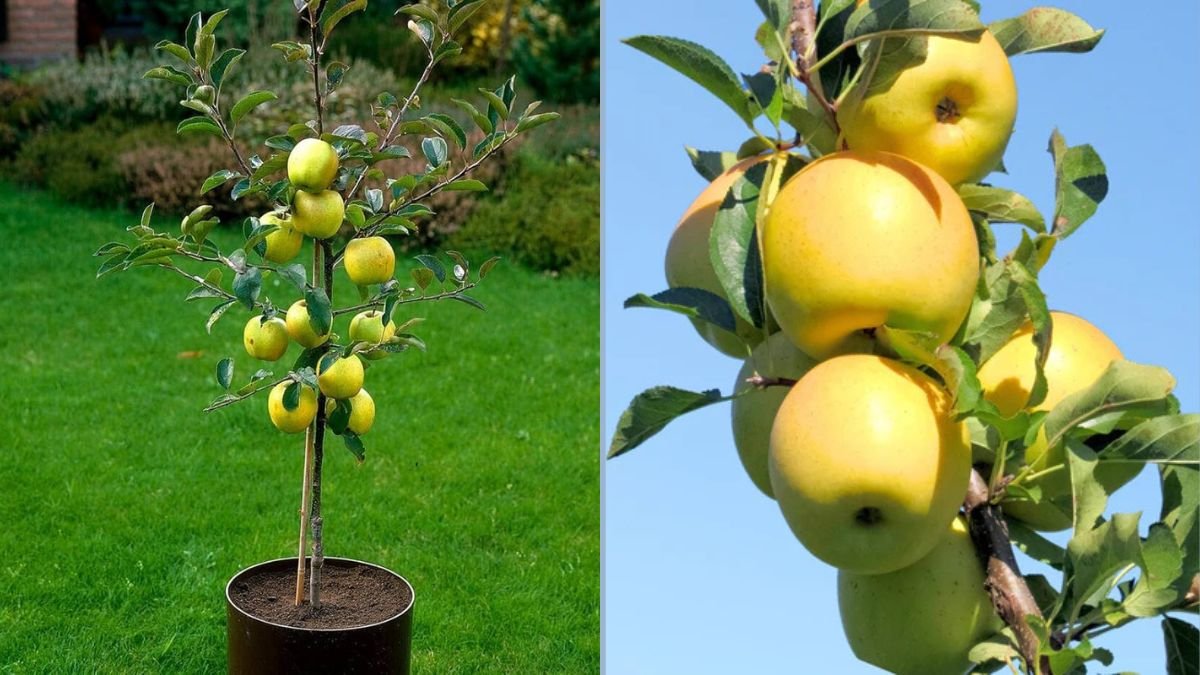
If you’ve ever dreamed of having fresh, homegrown apples but lack the space for a full orchard, a dwarf Golden Delicious apple tree is the perfect solution. Compact yet productive, dwarf apple trees allow gardeners to enjoy sweet, crisp apples in a backyard, patio, or even a large container.
Golden Delicious apples are celebrated for their sweet, mellow flavor, versatility in cooking and baking, and long storage life. Growing a dwarf variety brings all these benefits into a manageable size, making apple cultivation accessible to urban gardeners and small-space growers.
In this guide, we’ll cover everything you need to know about selecting, planting, caring for, and harvesting dwarf Golden Delicious apple trees.
Why Choose a Dwarf Golden Delicious Apple Tree?
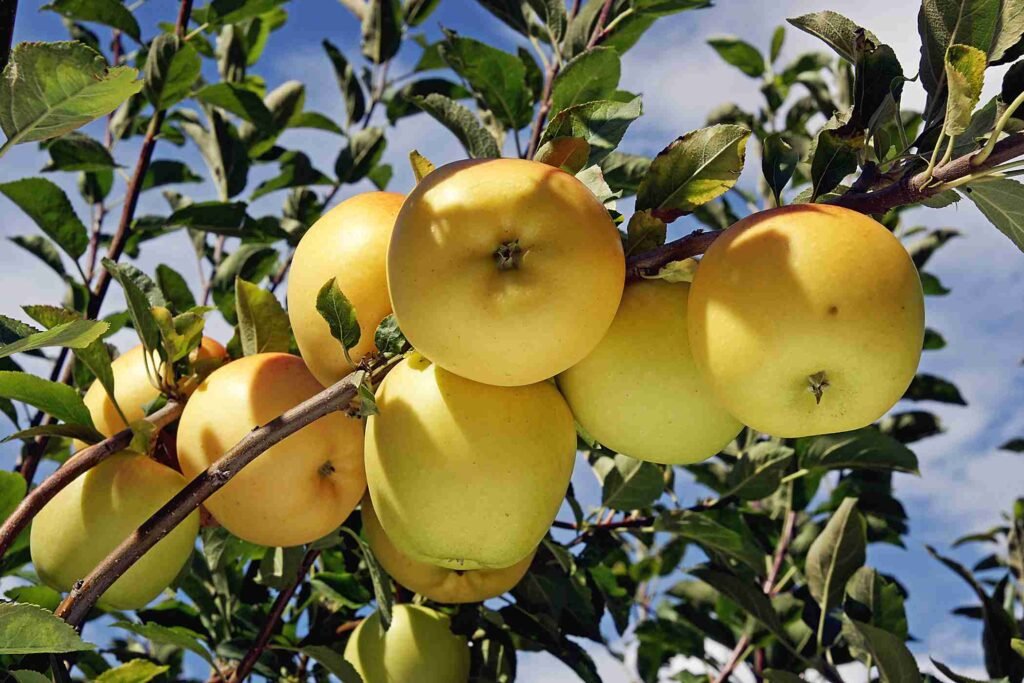
Dwarf apple trees are specially bred to be smaller than standard apple trees, typically 8–10 feet tall, making them ideal for small spaces. Here’s why the Golden Delicious variety is an excellent choice:
- Sweet, Crisp Apples: Perfect for fresh eating, salads, baking, and applesauce.
- Early Fruit Production: Dwarf trees often bear fruit within 2–3 years of planting.
- Compact Size: Ideal for patios, small gardens, or container growing.
- Easy Maintenance: Smaller trees are easier to prune, water, and manage.
- Long Storage Life: Golden Delicious apples store well in cool conditions for several weeks.
The combination of manageable size, sweet fruit, and reliable yield makes dwarf Golden Delicious apple trees a favorite among home gardeners.
Choosing the Right Dwarf Apple Tree
When purchasing a dwarf Golden Delicious apple tree, consider the following factors:
1. Rootstock
Rootstock determines the tree’s ultimate size, vigor, and adaptability:
- M9 Rootstock: Produces a very compact tree, perfect for containers and espalier training.
- M26 Rootstock: Slightly larger dwarf, suitable for small gardens with some ground space.
- M7 Rootstock: Semi-dwarf, larger but still manageable in backyard settings.
2. Tree Type
- Bare-Root Trees: Sold during dormancy (late winter to early spring), more affordable, and easy to plant if handled carefully.
- Container-Grown Trees: Available year-round, reduce transplant shock, and are easier to establish.
3. Pollination
Golden Delicious apples are partially self-fertile, but planting another apple variety nearby (such as Fuji, Gala, or Honeycrisp) improves fruit set and quality.
Site Selection for Dwarf Apple Trees
Choosing the right site ensures your tree thrives and produces sweet fruit.
1. Sunlight
- Dwarf Golden Delicious apple trees need 6–8 hours of direct sunlight daily.
- Sunlight enhances sugar development, color, and overall fruit quality.
2. Soil
- Well-drained, loamy soil is ideal.
- Soil pH: 6.0–7.0.
- Incorporate compost or well-rotted manure to improve fertility.
3. Air Circulation
- Plant in an open area with good airflow to reduce fungal diseases such as apple scab and powdery mildew.
- Avoid low spots prone to frost or waterlogging.
Planting Your Dwarf Golden Delicious Apple Tree
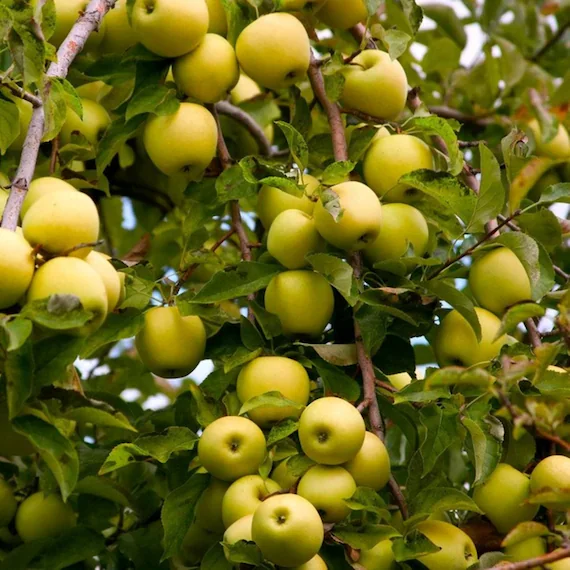
Proper planting is crucial for long-term health and fruit production.
Step 1: Digging the Hole
- Dig a hole twice as wide as the root ball and slightly deeper than the roots.
- Loosen the soil at the bottom to encourage root growth.
Step 2: Positioning the Tree
- Place the tree in the hole with the graft union a few inches above soil level.
- Spread roots evenly, backfill with soil, and gently firm to remove air pockets.
Step 3: Watering and Mulching
- Water thoroughly immediately after planting.
- Apply 2–3 inches of mulch around the base to retain moisture and suppress weeds, keeping mulch a few inches away from the trunk.
Step 4: Staking
- Young trees may require a stake for stability.
- Remove stakes after one growing season once the trunk is strong.
Watering and Fertilizing Dwarf Apple Trees
1. Watering
- Keep newly planted trees consistently moist.
- Mature trees require deep watering once or twice a week, especially during dry periods.
- Avoid overwatering, which can lead to root rot.
2. Fertilizing
- First-year trees focus on root development; avoid heavy fertilization.
- From the second year onward, apply a balanced fertilizer (10–10–10 NPK) in early spring.
- Supplement with organic compost or worm castings for healthy soil.
- Avoid excessive nitrogen to prevent leafy growth at the expense of fruiting.
Pruning and Training
Pruning is essential to maintain a manageable size, healthy structure, and productive branches.
1. Dormant Pruning
- Conduct in late winter before new growth starts.
- Remove dead, damaged, or crossing branches.
- Maintain a central leader or open center shape for good sunlight penetration.
2. Summer Pruning
- Optional light pruning can remove vigorous vertical shoots.
- Focuses the tree’s energy on fruiting rather than excessive foliage.
3. Benefits
- Encourages strong branches capable of supporting fruit.
- Improves air circulation and reduces disease risk.
- Helps sunlight reach all parts of the canopy, improving fruit color and size.
Pollination and Flowering
Golden Delicious apples produce white to cream-colored blossoms in spring.
- Although partially self-fertile, cross-pollination improves fruit set and quality.
- Planting a compatible variety nearby ensures consistent yields.
- Bees and other pollinators are essential for fertilizing flowers.
Pest and Disease Management
Even dwarf apple trees require monitoring for pests and diseases.
Common Pests
- Aphids
- Spider mites
- Codling moth
Common Diseases
- Apple scab
- Powdery mildew
- Fire blight
Prevention Tips
- Prune to improve airflow and sunlight penetration.
- Remove fallen leaves and fruit to reduce fungal buildup.
- Apply organic treatments like neem oil or horticultural soap if necessary.
Harvesting Golden Delicious Apples
- Typically, apples are ready for harvest in late September to October, depending on your location.
- Signs of ripeness:
- Firm but slightly yielding to gentle pressure
- Golden-yellow color with subtle blush
- Sweet aroma
- Easy detachment from the branch
- Harvest carefully using scissors or by gently twisting to avoid branch damage.
- Enjoy fresh, bake, or store in cool conditions for later use.
Container Growing Dwarf Golden Delicious Apples
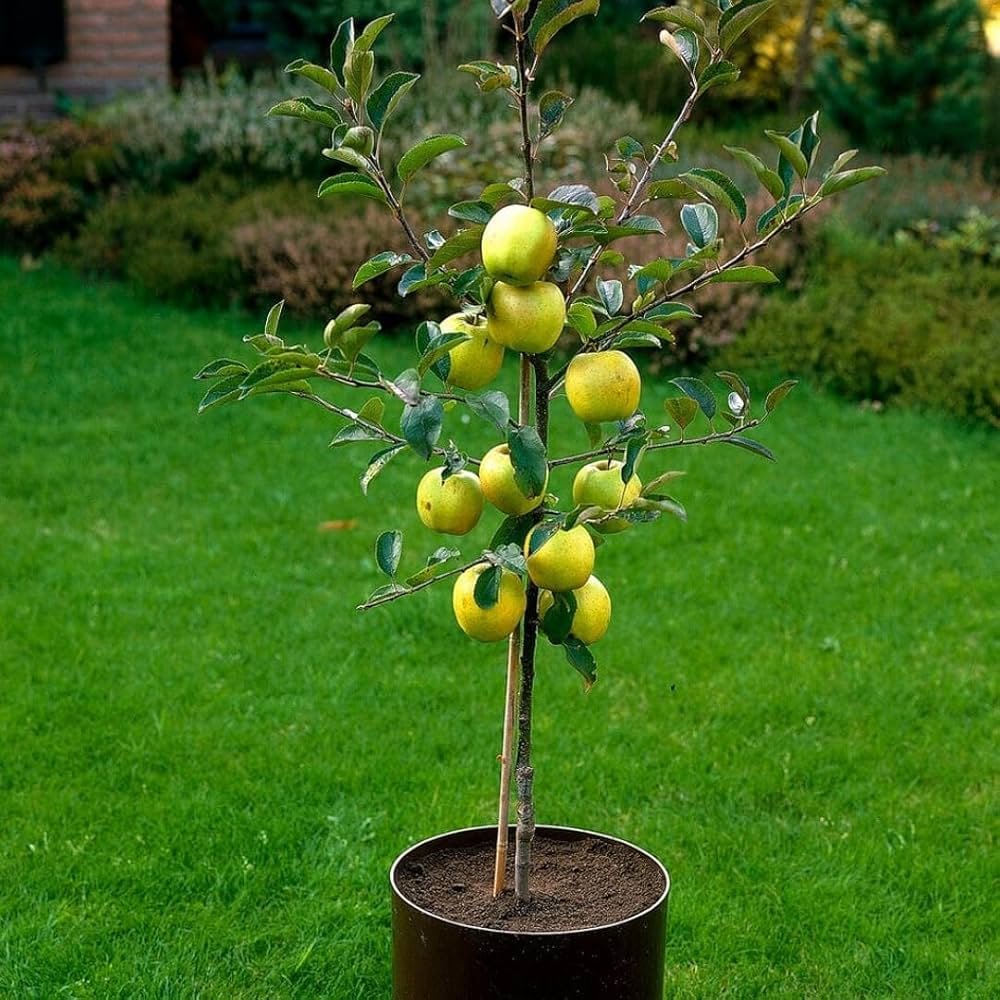
Dwarf apple trees are ideal for container cultivation, perfect for patios or urban gardens.
1. Container Selection
- Choose pots 18–24 inches in diameter with drainage holes.
- Use a nutrient-rich potting mix with compost and perlite.
2. Care Tips
- Water more frequently than in-ground trees, as containers dry out faster.
- Fertilize regularly with liquid or slow-release fertilizers.
- Prune to maintain manageable size and encourage flowering.
Container-grown dwarf apple trees are highly productive and versatile for small spaces.
Additional Tips for Success
- Monitor Growth: Regularly inspect for pests, diseases, and nutrient deficiencies.
- Mulch Annually: Helps retain moisture and regulate soil temperature.
- Repot if Necessary: For container trees, refresh soil every 2–3 years.
- Support Young Trees: Staking protects against wind and ensures straight growth.
- Enjoy the Journey: Dwarf apple trees grow quickly and reward careful care with abundant, delicious fruit.
Conclusion
Dwarf Golden Delicious apple trees are a perfect choice for home gardeners, providing sweet, crisp apples in a manageable, compact form. By selecting the right rootstock, planting in a sunny, well-draining site, providing proper water and nutrition, and practicing regular pruning, you can enjoy a productive, healthy tree that enhances your garden and feeds your family.
Whether planted in the ground or a container, a dwarf Golden Delicious apple tree brings beauty, fragrance, and fresh fruit to small spaces, proving that you don’t need a large orchard to enjoy the satisfaction of growing your own apples. With patience and care, your dwarf apple tree can provide years of delicious harvests and become a cherished feature of your backyard or patio.