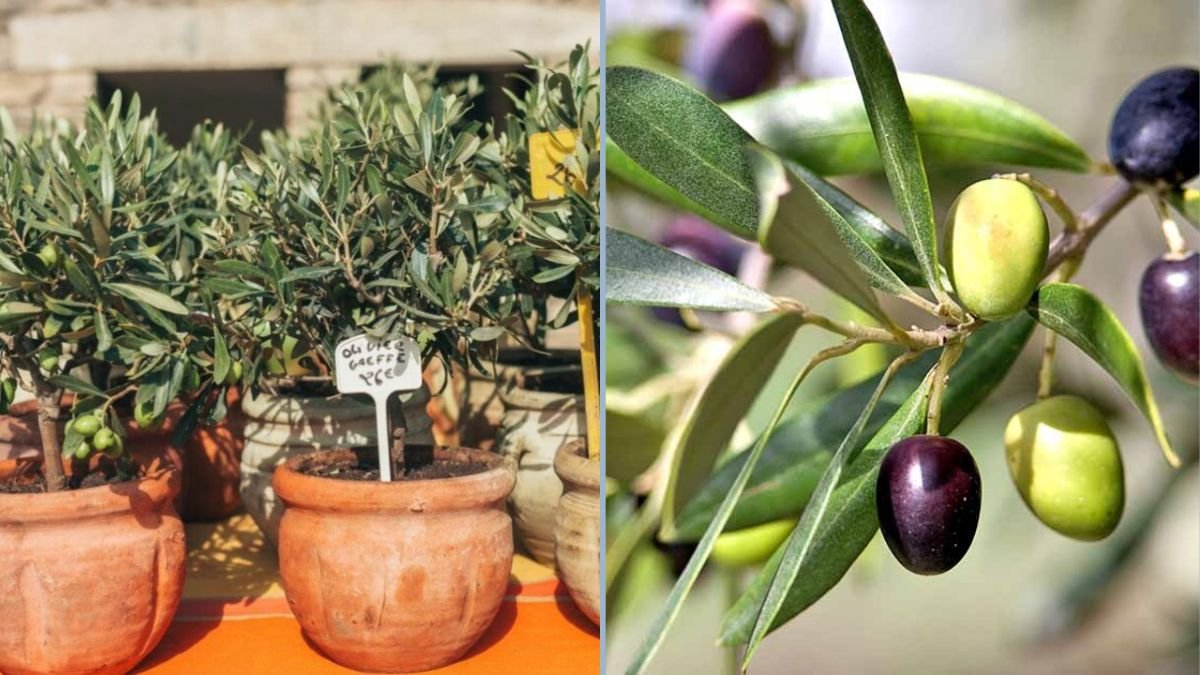
Olive trees are iconic symbols of the Mediterranean, admired for their silvery-green leaves, gnarled trunks, and, of course, their delicious fruits and oil. But did you know that you don’t need a sprawling orchard in Italy or Spain to grow olives? With the right knowledge and care, olive trees can thrive in your own garden, providing beauty, shade, and even a bountiful harvest.
In this comprehensive guide, we’ll cover everything from choosing the right olive tree variety to planting, care, pruning, and harvesting—everything you need to successfully grow olives in your garden.
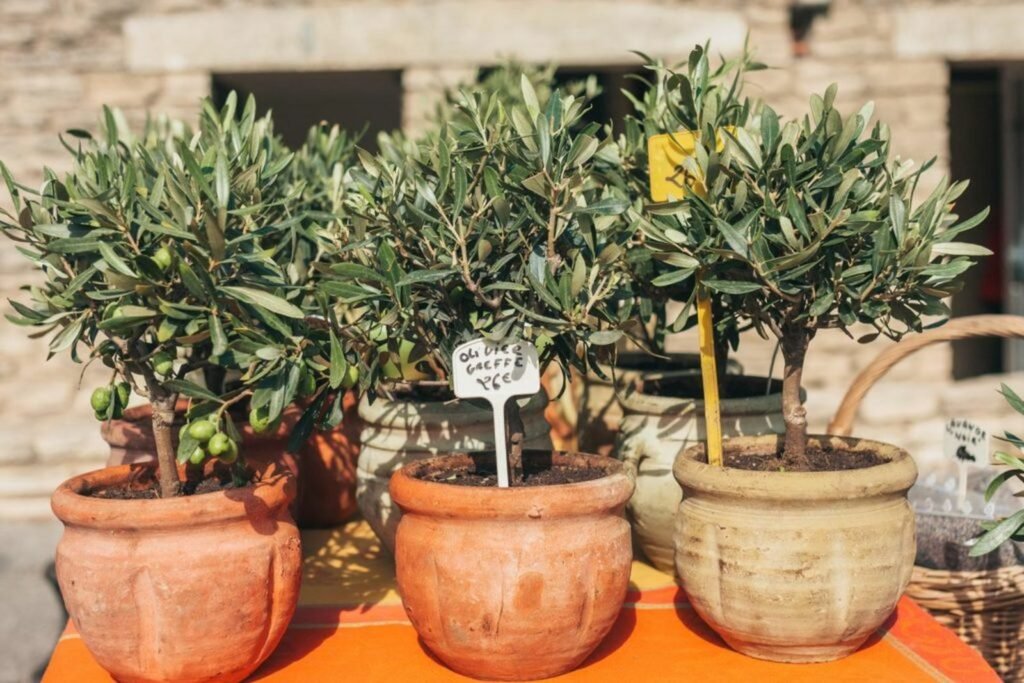
Why Grow Olive Trees in Your Garden?
Olive trees are more than just ornamental plants. Here’s why they’re worth cultivating:
- Longevity: Olive trees can live for hundreds of years, making them a lifelong addition to your garden.
- Aesthetic appeal: Their twisted trunks and silvery leaves add character to any landscape.
- Edible fruit: Homegrown olives can be cured and eaten, or pressed into homemade olive oil.
- Drought tolerance: Once established, olive trees require relatively little water compared to other fruit trees.
- Environmental benefits: They provide habitat for birds and beneficial insects.
With their multiple benefits, olive trees are both practical and beautiful additions to any garden.
Choosing the Right Olive Tree Variety
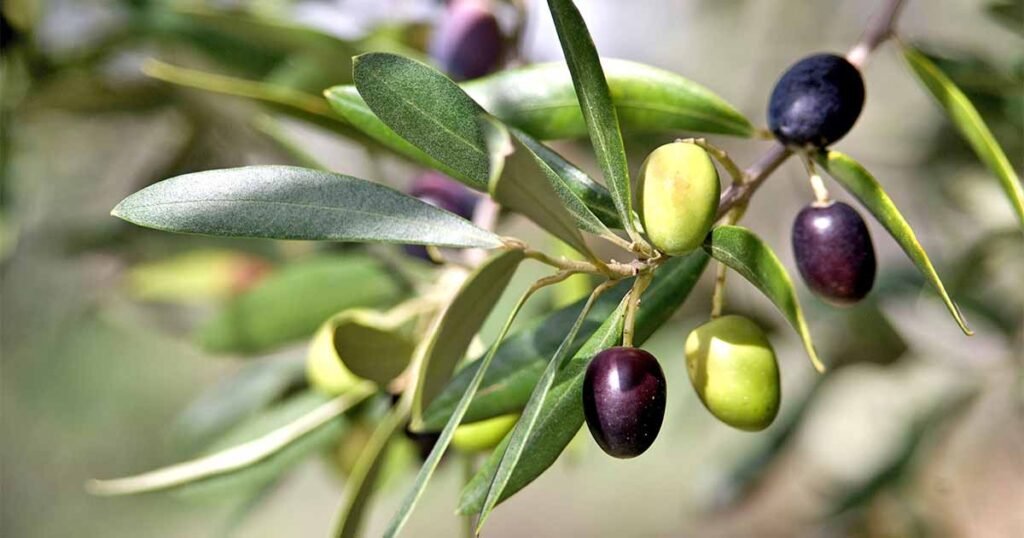
The first step to success is selecting the right variety for your climate, space, and purpose. Olive trees are generally divided into table olives (grown for eating) and oil olives (grown for pressing). Here are some popular varieties:
- Arbequina: Small, sweet olives perfect for oil production. Compact growth makes it ideal for container gardens.
- Manzanillo: Produces large, flavorful fruits suitable for eating or oil. Thrives in warm climates.
- Koroneiki: Greek variety, excellent for oil with robust flavor. Prefers hot, dry summers.
- Mission: Common in the United States; versatile for both table use and oil.
When choosing a variety, consider your USDA hardiness zone. Olive trees thrive in zones 8–11, but cold-hardy varieties and container planting techniques can allow cultivation in slightly cooler climates.
Planting Olive Trees: Step-by-Step
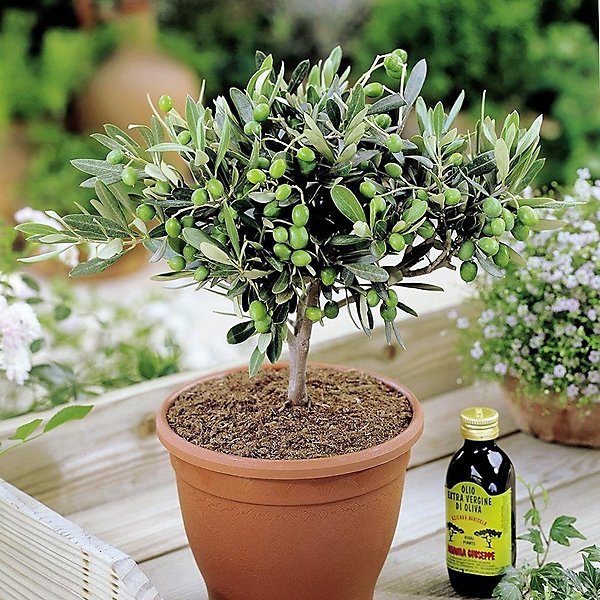
Planting is crucial for long-term success. Here’s how to establish your olive tree properly:
1. Select the Right Location
Olives need:
- Full sun: At least 6–8 hours of direct sunlight daily.
- Well-draining soil: Olive roots do not tolerate waterlogged soil.
- Air circulation: Prevents fungal diseases like leaf spot and verticillium wilt.
Avoid low-lying areas where water tends to accumulate.
2. Prepare the Soil
- Test soil pH: Olive trees prefer slightly alkaline to neutral soil (pH 6.5–8.0). Amend with lime if soil is too acidic.
- Improve drainage: Add sand or gravel to heavy clay soils.
- Fertilize lightly: Mix in compost or a balanced slow-release fertilizer to give young trees a strong start.
3. Planting Technique
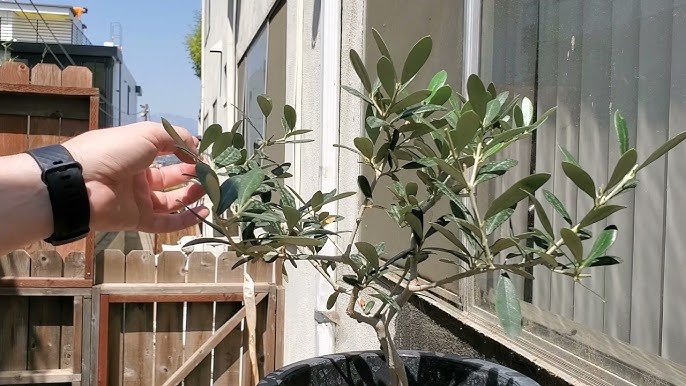
- Dig a hole twice as wide as the root ball and just as deep.
- Remove the tree from its container and gently loosen the roots.
- Place the tree in the hole at the same depth it grew in the pot.
- Backfill with soil, tamp lightly, and water deeply.
Proper planting sets the stage for a strong, productive tree.
Caring for Olive Trees
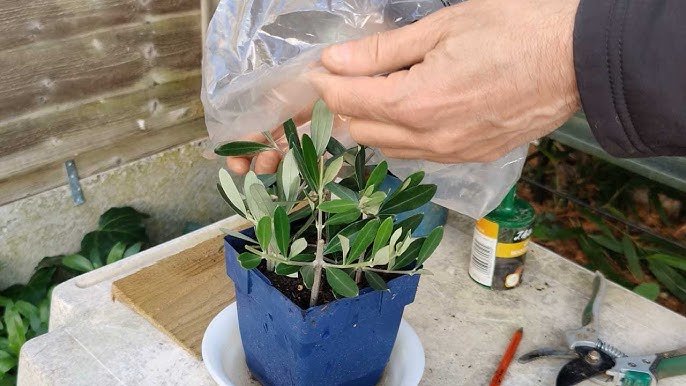
Olive trees are hardy, but proper care ensures maximum growth and fruit production.
1. Watering
- Establishment period: Water weekly for the first year to help roots develop.
- After establishment: Olive trees are drought-tolerant. Deep watering every 2–4 weeks during dry spells is usually sufficient.
- Avoid overwatering: Too much water can lead to root rot and fungal issues.
Mulching around the base helps retain moisture and regulate soil temperature.
2. Fertilization
- Use a slow-release fertilizer in early spring.
- High-nitrogen fertilizers encourage leafy growth, while potassium supports fruiting.
- Avoid excessive nitrogen during fruiting, as this may reduce olive production.
3. Pruning
Pruning is essential for shaping the tree, improving sunlight penetration, and encouraging fruiting:
- Young trees: Focus on establishing a strong central trunk and open canopy.
- Mature trees: Remove dead or crossing branches and thin crowded areas.
- Timing: Late winter or early spring, before new growth begins, is ideal for pruning.
Pruning ensures healthy growth and a more productive harvest.
4. Pest and Disease Management
Olives are generally resilient, but you may encounter:
- Olive fruit fly: Causes damage to developing olives. Use traps or organic sprays to control infestations.
- Scale insects: Can weaken trees. Prune affected branches and consider horticultural oils.
- Fungal diseases: Good air circulation, proper spacing, and avoiding overhead watering prevent most fungal problems.
Regular monitoring and early intervention keep your tree healthy.
Harvesting and Using Your Olives
Olive harvest depends on your desired use:
- Table olives: Pick when fully grown but still green or black, depending on variety. Cure them in brine, water, or lye solution for several weeks to remove bitterness.
- Olive oil: Harvest when fruits are firm but turning purple or black. Press immediately for the freshest, highest-quality oil.
Olive trees typically begin bearing fruit 3–5 years after planting, with peak production around 8–10 years.
Growing Olive Trees in Containers
For gardeners in colder climates or with limited space, container cultivation is a viable option:
- Use a large pot (minimum 18–24 inches in diameter).
- Ensure excellent drainage and use a well-draining soil mix.
- Water more frequently than in-ground trees, especially in hot weather.
- Move the container indoors or to a protected area during frost.
Container-grown olive trees can still produce fruit if cared for properly, making them ideal for patios, balconies, or small gardens.
Seasonal Care Tips
Olive trees benefit from attention throughout the year:
- Spring: Fertilize, prune, and monitor for pests.
- Summer: Deep watering, mulching, and ensuring full sun exposure.
- Fall: Prepare for harvest; monitor fruit ripening.
- Winter: Protect young trees from frost; reduce watering.
Following seasonal care routines ensures a healthy tree and consistent fruit production.
Benefits of Growing Your Own Olive Tree
- Fresh, homegrown olives: Enjoy superior flavor compared to store-bought.
- Health benefits: Rich in antioxidants, vitamins, and healthy fats.
- Aesthetic landscaping: Olive trees add timeless beauty to your garden.
- Environmental contribution: Trees help with carbon sequestration and provide habitats for pollinators.
Growing olive trees is both rewarding and sustainable, providing value beyond just their fruit.
Common Mistakes to Avoid
Even seasoned gardeners can make mistakes when growing olive trees:
- Planting in poor drainage soil: Leads to root rot and poor growth.
- Overwatering: Stunts root development and increases disease risk.
- Neglecting pruning: Results in a dense canopy and low fruit yield.
- Ignoring pests: Infestations can quickly destroy flowers and fruit.
- Expecting immediate harvests: Patience is key; fruiting takes a few years.
Avoiding these pitfalls ensures a thriving and productive olive tree.
Conclusion
Olive trees are versatile, beautiful, and incredibly rewarding for any garden. With the right variety, proper planting techniques, and consistent care—including watering, pruning, fertilizing, and pest management—you can enjoy a healthy olive tree that produces fruit for decades. Whether you’re aiming for homegrown table olives, fresh olive oil, or simply a stunning landscape feature, olive trees are worth the investment of time and care.
By following this comprehensive 101 guide, you’ll have everything you need to confidently grow and nurture olive trees in your garden. With patience and attention, your garden could become a miniature Mediterranean paradise, complete with silvery leaves, twisted trunks, and delicious olives year after year.