
Squash is one of the most versatile vegetables in the garden. From summer varieties like zucchini to winter squashes such as butternut and spaghetti squash, this plant is beloved for its flavor, nutrition, and prolific yield. Yet, many gardeners struggle to achieve long, healthy, and abundant squash. What if there were a little-known method that could dramatically improve your harvest? In this post, we’ll explore exactly that—techniques that go beyond conventional planting and watering practices, helping you grow squash that’s not just edible, but extraordinary.
Why Squash Sometimes Falls Short
Before diving into the secret method, it’s essential to understand why squash may underperform. Common issues include:
- Poor Pollination: Squash plants produce male and female flowers. Without effective pollination, fruit may remain small or fail to develop.
- Nutrient Deficiencies: Squash is a heavy feeder. A lack of nitrogen, potassium, or phosphorus can result in stunted growth and sparse fruit.
- Water Stress: Squash requires consistent moisture. Too much water can cause root rot, while too little can lead to tough, bitter fruit.
- Improper Pruning and Space Use: Squash vines can grow vigorously, but if crowded, they compete for sunlight and nutrients, reducing fruit quality.
The good news? With the right approach, all of these problems can be mitigated, paving the way for longer, larger, and more plentiful squash.
The Little-Known Method for Growing Long and Abundant Squash
This method focuses on vining techniques, soil preparation, strategic pruning, and pollination optimization. Let’s break it down step by step.
1. Choose the Right Variety
Not all squash are created equal. Some naturally produce longer fruits, while others are round or bulky. For summer squash, look for varieties like:
- Tromboncino (Italian climbing squash): Known for its extremely long, tender fruits.
- Cocozelle: Produces slender, zucchini-like squash that can grow impressively long.
- Costata Romanesco: Excellent flavor and elongated shape.
For winter squash, varieties like Waltham Butternut or Blue Hubbard offer larger fruits but may require more space and time.
Selecting the right variety is your first step toward a successful harvest.
2. Prepare Rich, Loamy Soil
Squash thrives in nutrient-rich, well-draining soil. Here’s a little-known tip that makes a huge difference:
- Compost Layering: Dig a trench about 12 inches deep and fill it with a mix of compost, aged manure, and topsoil. As the roots grow, they’ll access a concentrated nutrient source, encouraging rapid growth and longer fruits.
- pH Adjustment: Squash prefers a slightly acidic to neutral pH (6.0–7.0). Test your soil and amend with lime or sulfur if necessary.
- Mulching: After planting, apply a 2–3 inch layer of organic mulch to conserve moisture, regulate temperature, and reduce weeds.
A well-prepared soil bed ensures your squash has the nutrition and space to grow to its maximum potential.
3. Train Your Vines Vertically
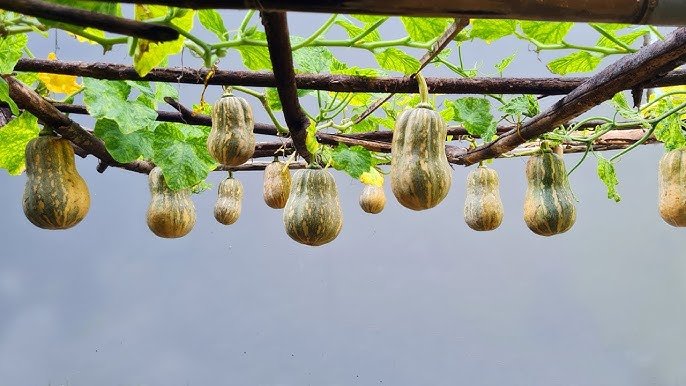
One of the most overlooked methods for achieving long squash is vertical vine training. Most gardeners let squash sprawl across the ground, which can lead to:
- Fruit bending or breaking under its own weight.
- Poor air circulation, increasing the risk of disease.
- Reduced exposure to sunlight.
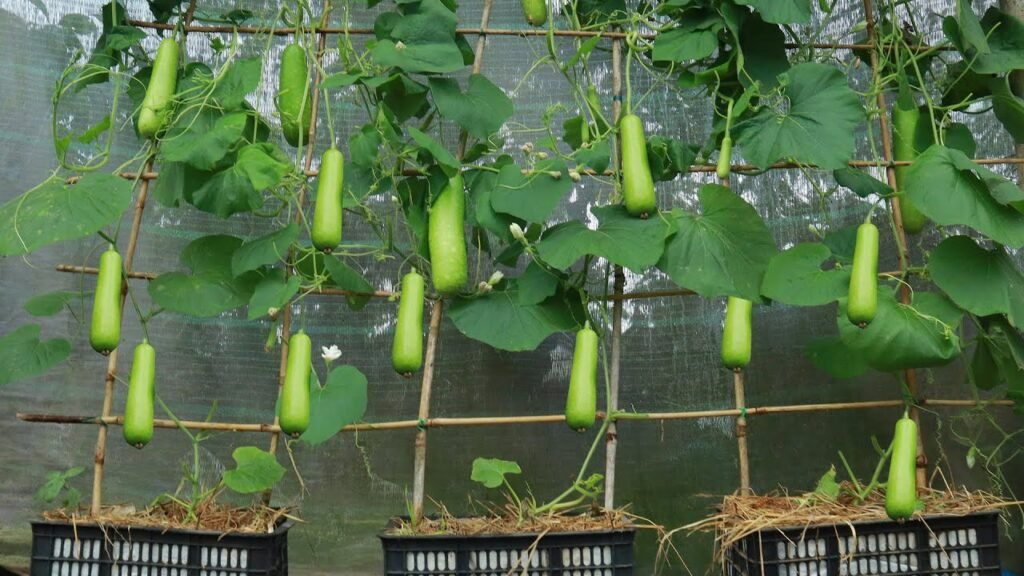
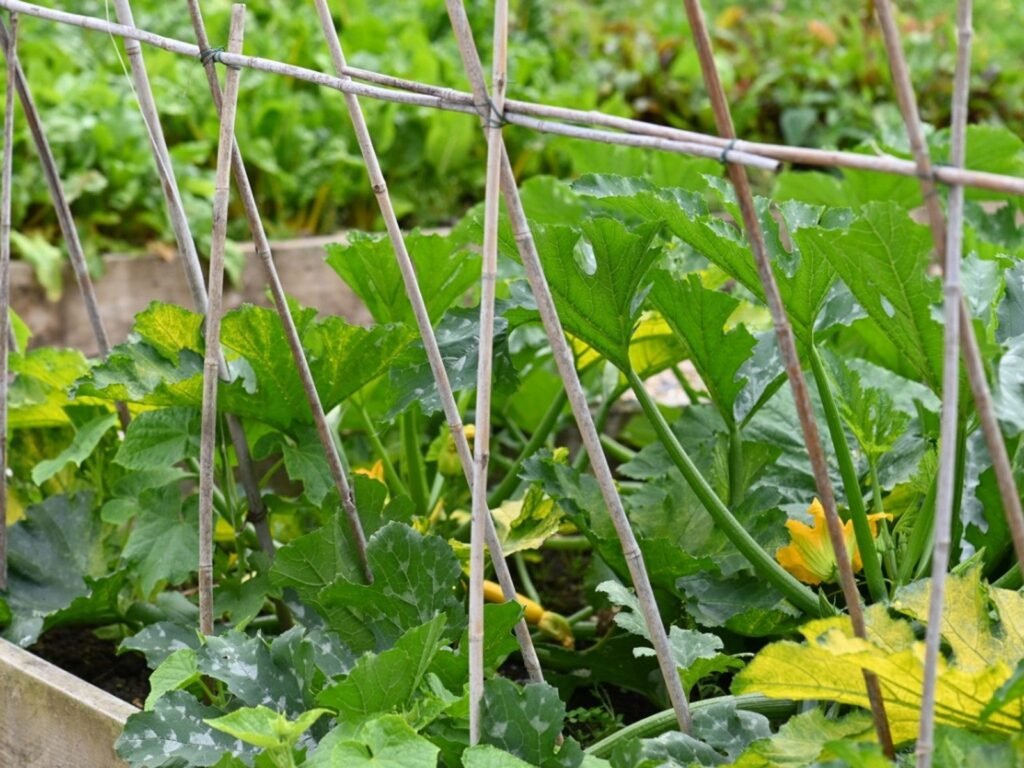
By using a trellis or sturdy support, you can encourage the vines to climb, keeping fruits straight and promoting healthier growth. Tips for vertical training:
- Install a trellis 5–6 feet tall.
- Tie vines loosely with soft garden ties or strips of fabric.
- Harvest fruits while young to prevent excessive weight from bending the vine.
Vertical growth not only improves fruit length but also reduces pests and disease by keeping leaves and fruits off damp soil.
4. Pruning for Maximum Fruit Size
While squash plants are vigorous, they don’t need to grow unchecked. Strategic pruning can redirect the plant’s energy into producing fewer but larger fruits. Here’s how:
- Remove Excess Flowers: Focus on pollinated flowers and remove some male blossoms if fruiting seems low. This reduces competition for nutrients.
- Trim Non-Productive Vines: Cut off any side vines that don’t produce flowers or fruit to channel energy into main stems.
- Leaf Management: Remove leaves that overshadow developing fruit to improve sun exposure and encourage uniform growth.
Pruning may feel counterintuitive—after all, we want more squash—but less competition often results in longer, thicker, and more abundant fruits.
5. Optimize Pollination

Poor pollination is a silent killer of squash productivity. You can solve this with a simple, little-known trick:
- Hand Pollination: Use a small paintbrush to transfer pollen from male flowers to female flowers. This is especially effective for long-fruited varieties that may have fewer naturally pollinated flowers.
- Attract Pollinators: Plant pollinator-friendly flowers like marigolds, sunflowers, or borage near your squash patch. Bees are your friends when it comes to abundant harvests.
A few minutes of pollination attention can dramatically increase fruit size and quantity.
6. Watering and Fertilization Strategy
Squash needs a steady supply of water, but timing and technique are crucial:
- Deep, Infrequent Watering: Water thoroughly 2–3 times per week rather than shallow daily watering. Deep watering encourages roots to grow strong and deep.
- Fertilize at Key Stages: Apply a balanced fertilizer at planting, then side-dress with compost or a nitrogen-rich fertilizer when fruits begin to set. Too much nitrogen early can produce lush leaves at the expense of fruit.
Consistency in water and nutrients is a simple yet underutilized secret to producing impressive squash.
7. Harvesting at the Right Time
Knowing when to harvest is critical. For long squash, wait until they reach the ideal size, but don’t let them overgrow:
- Summer squash: Harvest when 8–12 inches long; longer fruits may become tough and seedy.
- Winter squash: Allow full maturation; skin should be hard and stem dry, but pick before frost.
Proper harvesting encourages the plant to produce more fruits and keeps your squash tender and flavorful.
Bonus Tips for Extraordinary Squash

- Rotate Crops: Avoid planting squash in the same soil consecutively to prevent soil-borne diseases.
- Companion Planting: Squash pairs well with corn and beans (the “Three Sisters” method), which can enhance growth and deter pests.
- Monitor for Pests: Keep an eye out for squash bugs, vine borers, and aphids. Early intervention prevents major damage.
By combining these techniques, gardeners often report yields they never thought possible: fruits up to 3 feet long in some cases and entire vines covered in robust, healthy squash.
Conclusion
Growing squash that is long, abundant, and delicious doesn’t have to be a mystery. By selecting the right variety, preparing nutrient-rich soil, training vines vertically, pruning strategically, optimizing pollination, and maintaining consistent watering and fertilization, you can revolutionize your squash harvest. This little-known method is a game-changer for both beginner and experienced gardeners alike.
The next time you plant squash, don’t just aim for “some fruit.” With these techniques, you can enjoy a spectacular garden full of impressive, flavorful squash that will make your neighbors—and your taste buds—take notice.
Whether you’re a home gardener or an aspiring urban farmer, this approach is practical, sustainable, and incredibly rewarding. Try it this season, and watch your squash grow longer, fuller, and more abundant than ever before.